Summary: Then-President Donald Trump's Jan. 13 pledge that 'HELP IS ON ITS WAY' raised expectations of U.S. intervention for Iranian protesters, but no strikes followed. U.S. officials and experts say caution — chiefly fears of retaliation and uncertainty over Iran's post-regime leadership — drove the decision. Analysts warn that overt U.S. action could have undermined protesters by validating Tehran's foreign-backed narrative, while restraint has allowed Iranian authorities to intensify a brutal crackdown.
Inside the Pause: Why 'Help Is On Its Way' From Trump Didn’t Become Military Action Against Iran
Inside Trump’s Iran warning — and the unexpected pause that followed
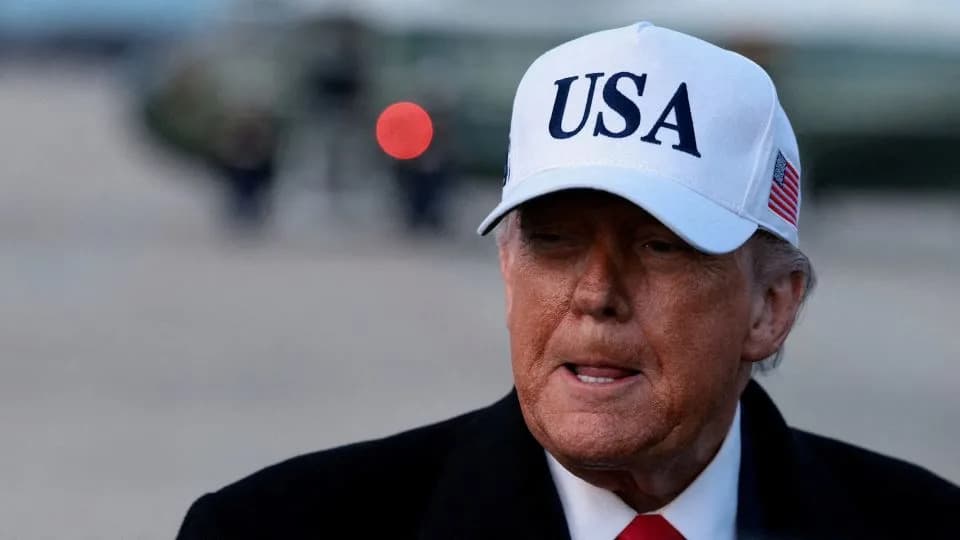
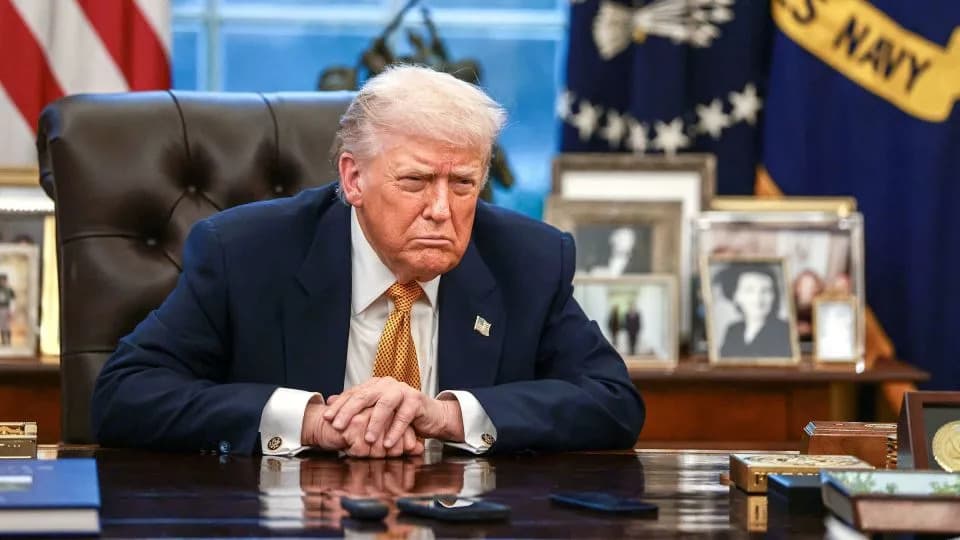
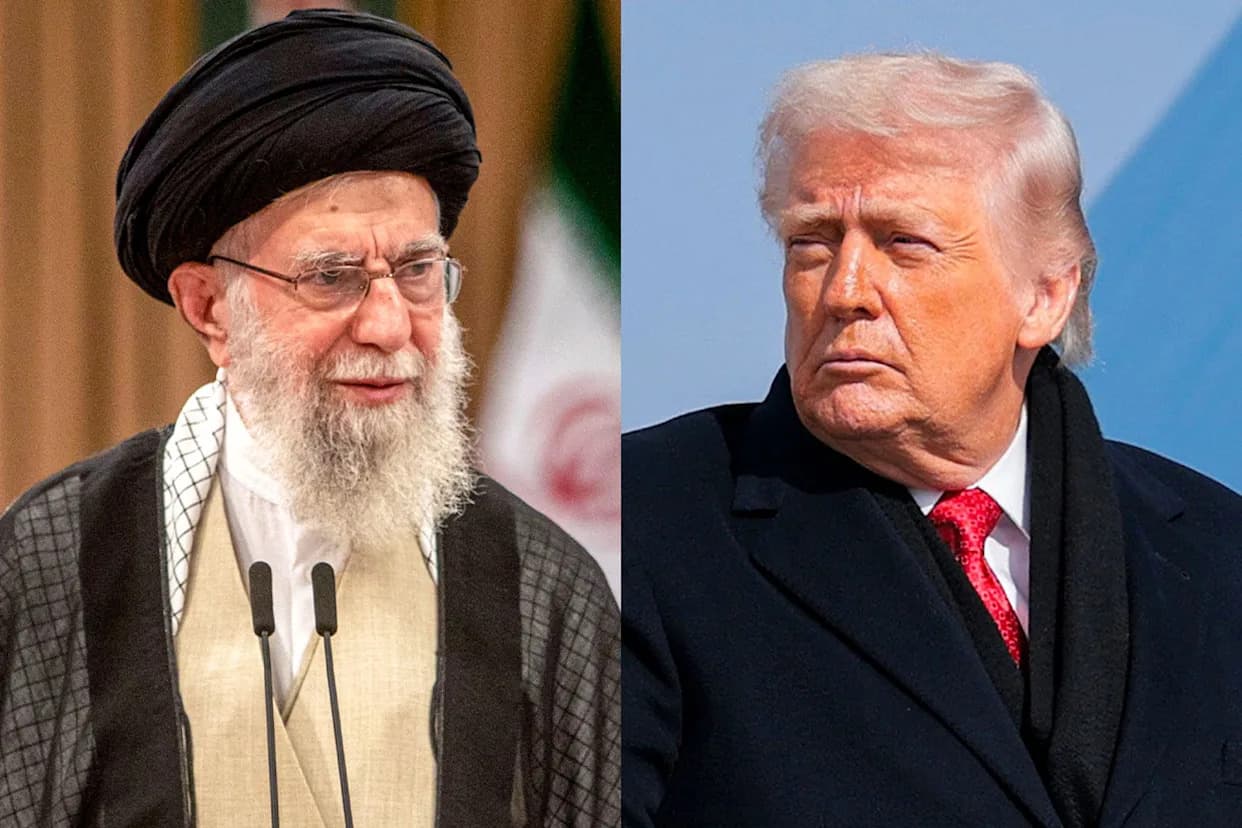
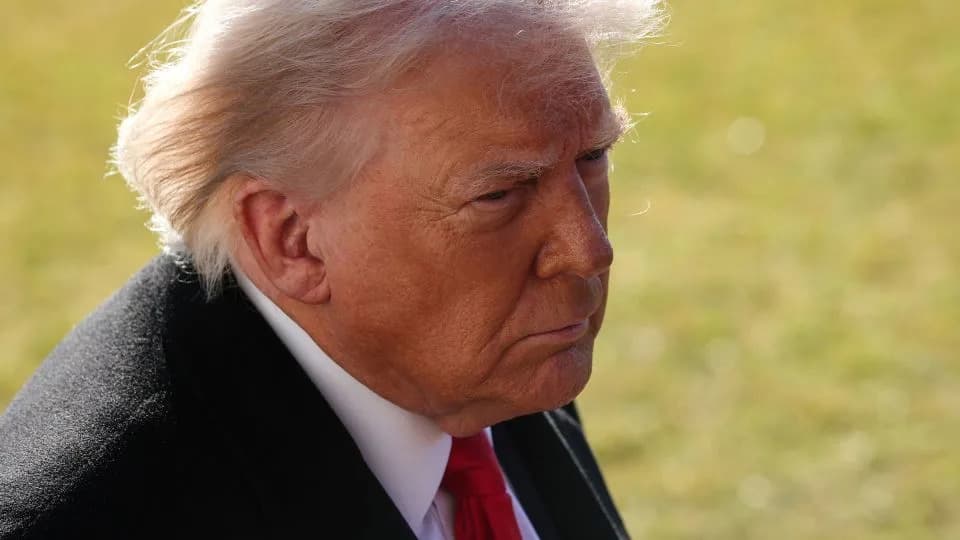
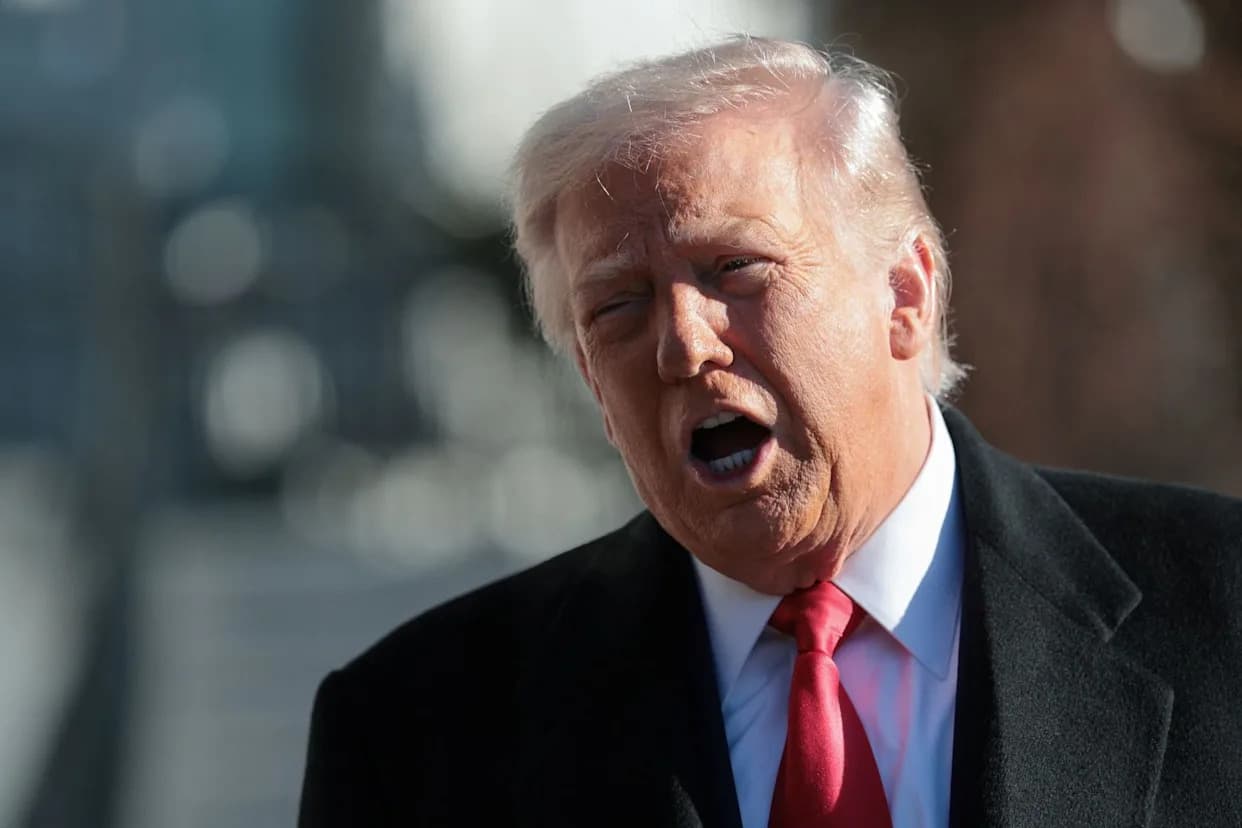
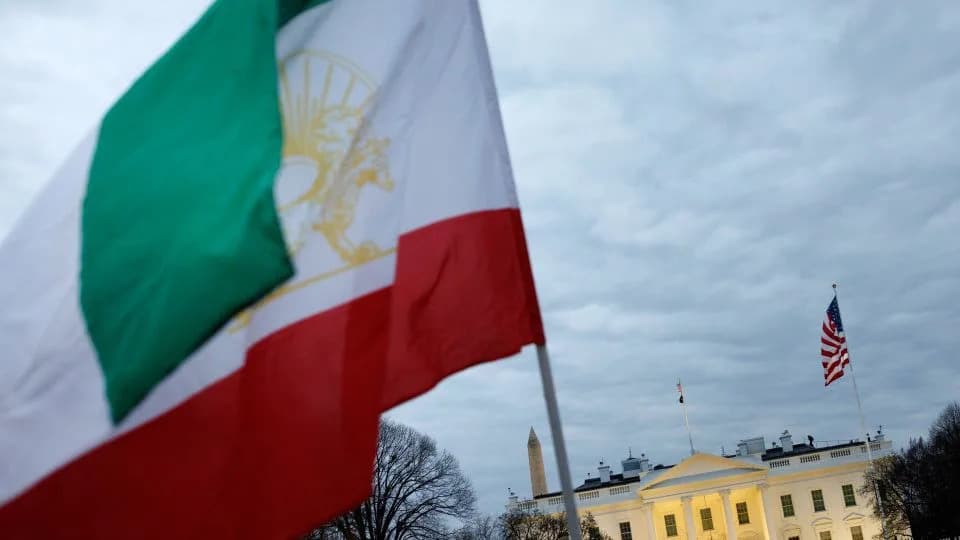
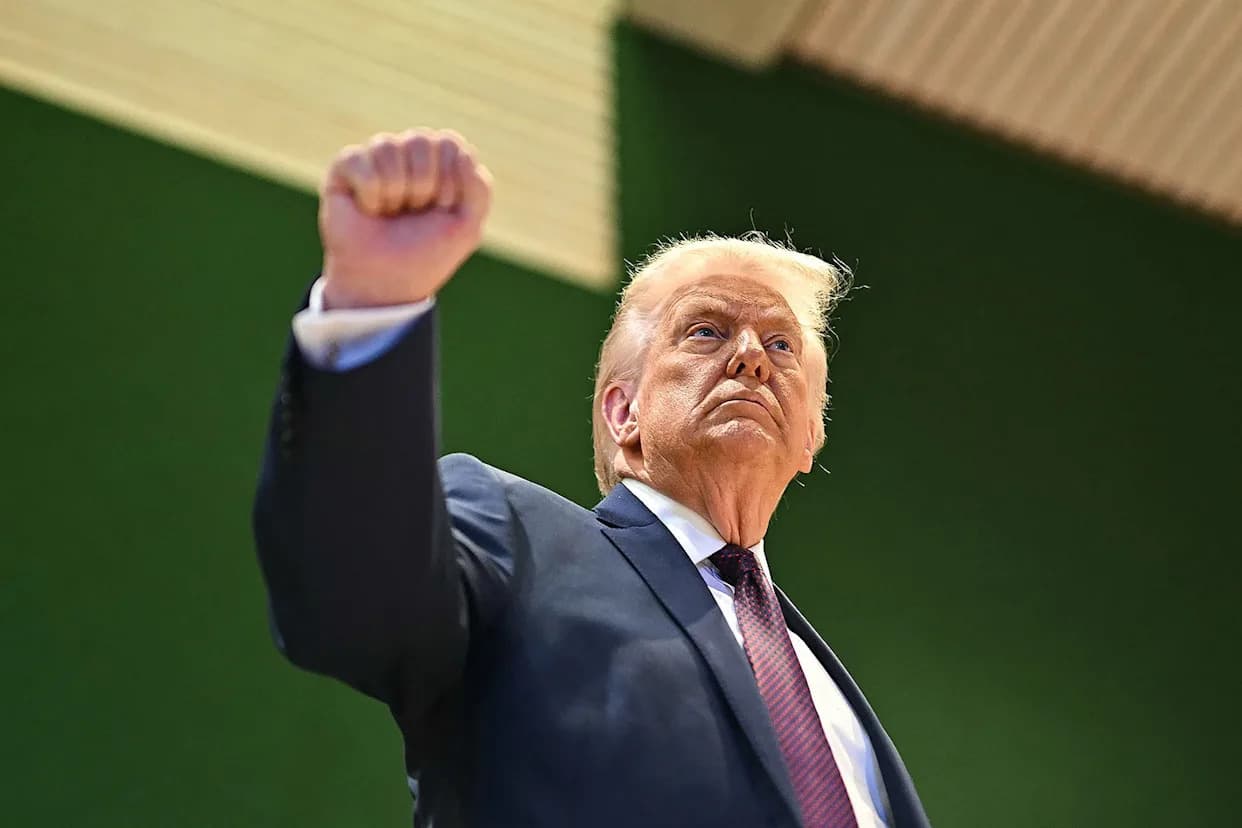
On Jan. 13, then-President Donald Trump publicly declared that 'HELP IS ON ITS WAY' for Iranian protesters — a statement that raised expectations of U.S. intervention. In the days that followed, no strikes were launched, and the resulting pause became the central question in Washington policy debates.
U.S. and regional security officials say the decision to hold back reflected caution, not retreat: military action risked retaliation against U.S. forces and Israel, and planners were deeply concerned about the political consequences inside Iran if the regime were weakened without a clear successor in place.
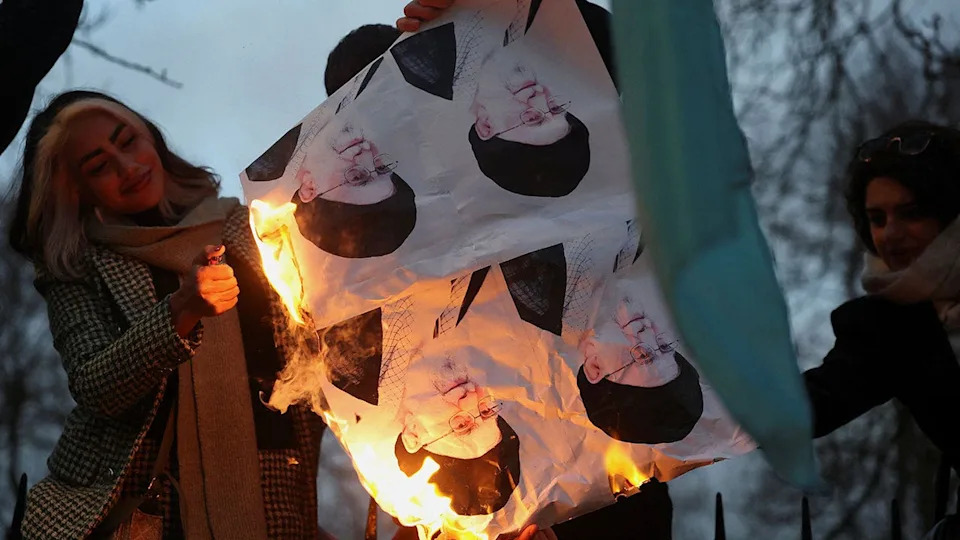
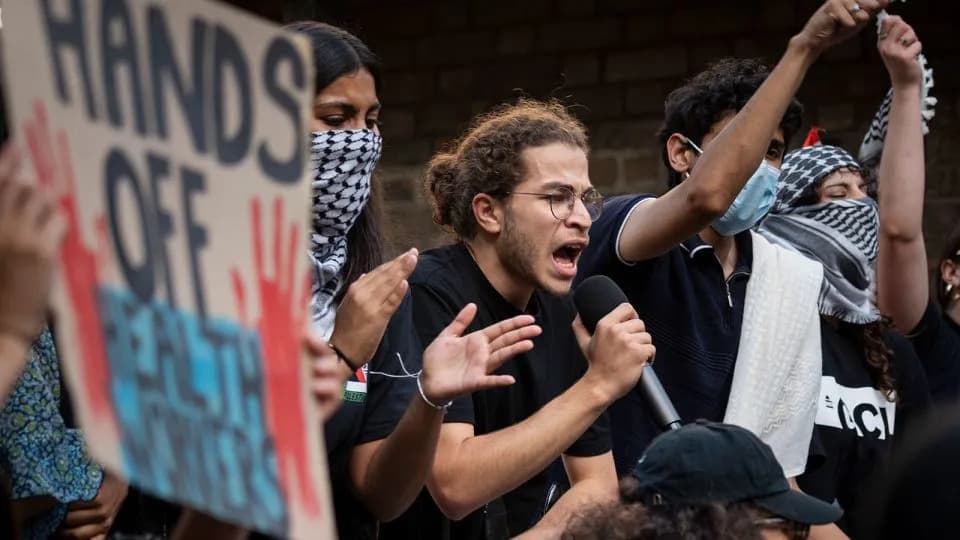
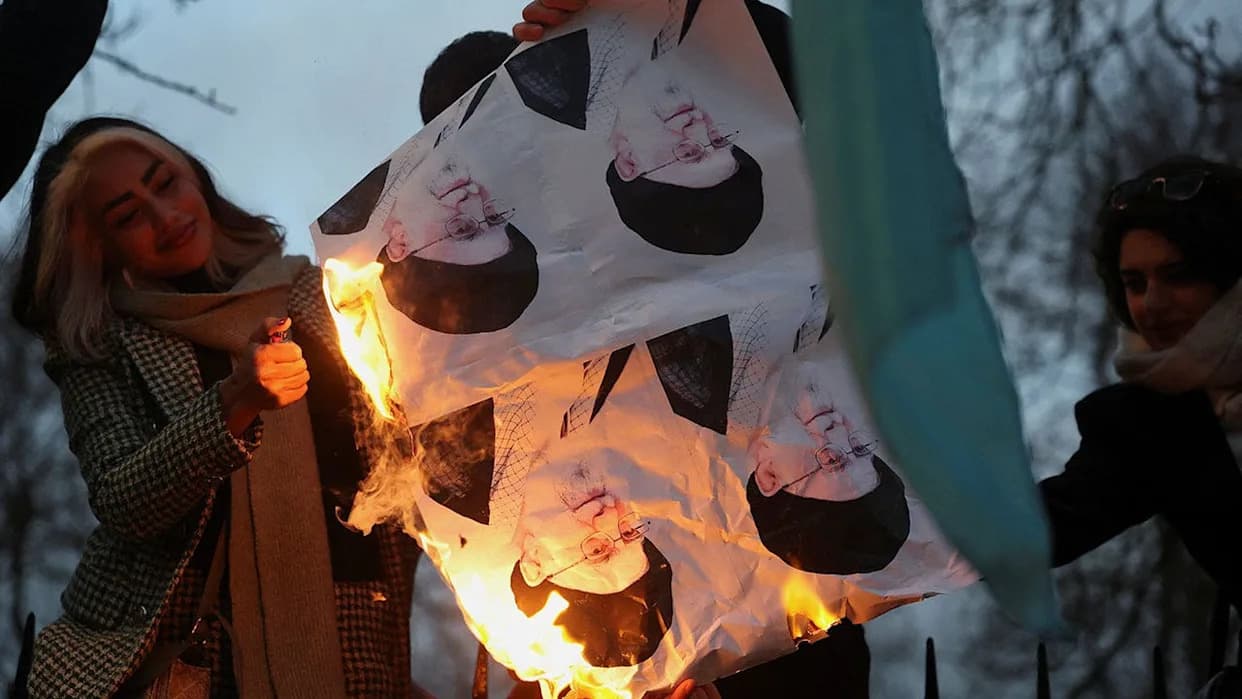
Demonstrators burn pictures of Iran's Supreme Leader Ayatollah Ali Khamenei outside the Iranian embassy during a rally in support of nationwide protests in Iran, in London, Jan. 12, 2026.(Getty Images)
Officials speaking on background told Fox News Digital that deliberations focused not only on how to target Iran, but on who might replace its current leadership — and whether a strike could produce more chaos than change. That leadership uncertainty intensified when Trump publicly questioned on Jan. 15 whether Reza Pahlavi, the son of Iran's deposed shah who has lived abroad for decades, could realistically govern after such a long exile.
What was said to protesters
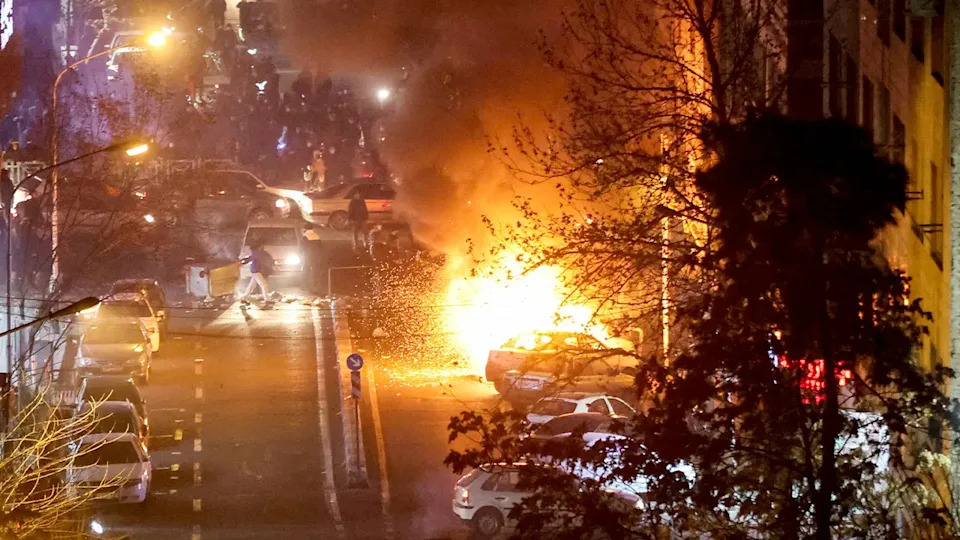
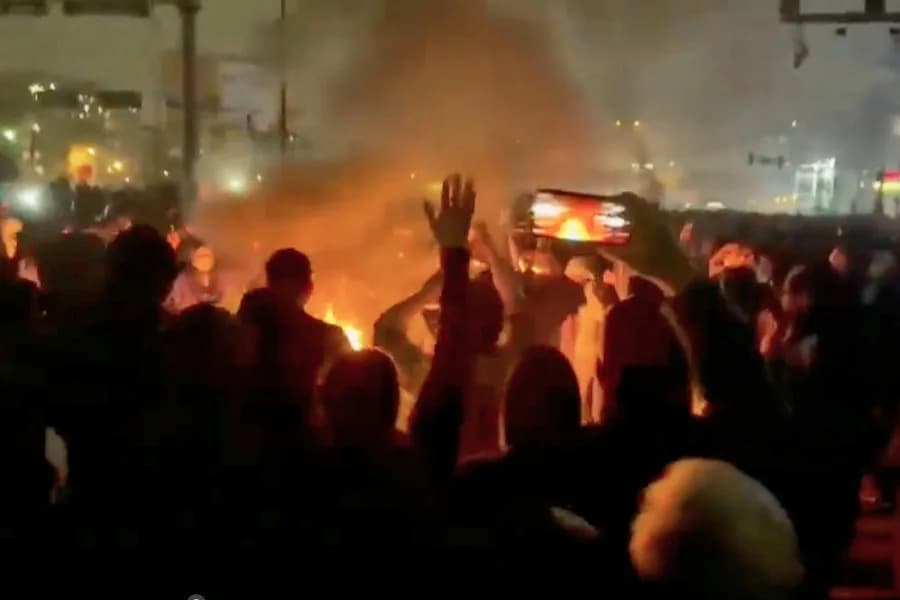
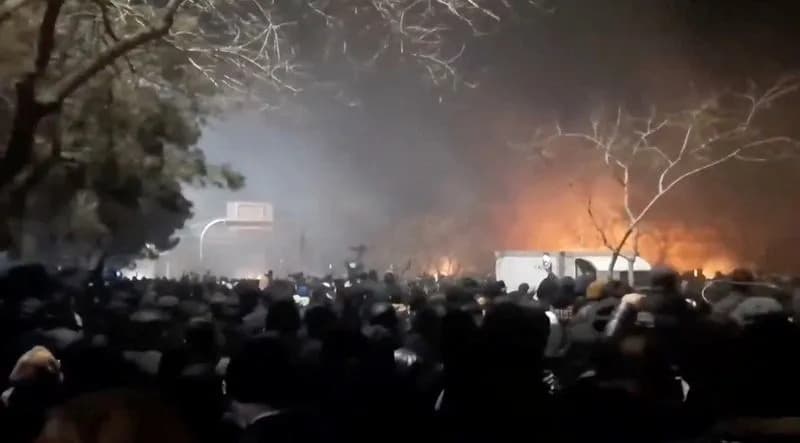
Cars burn in a street during a protest over the collapse of the currency’s value in Tehran, Iran, Jan. 8, 2026.
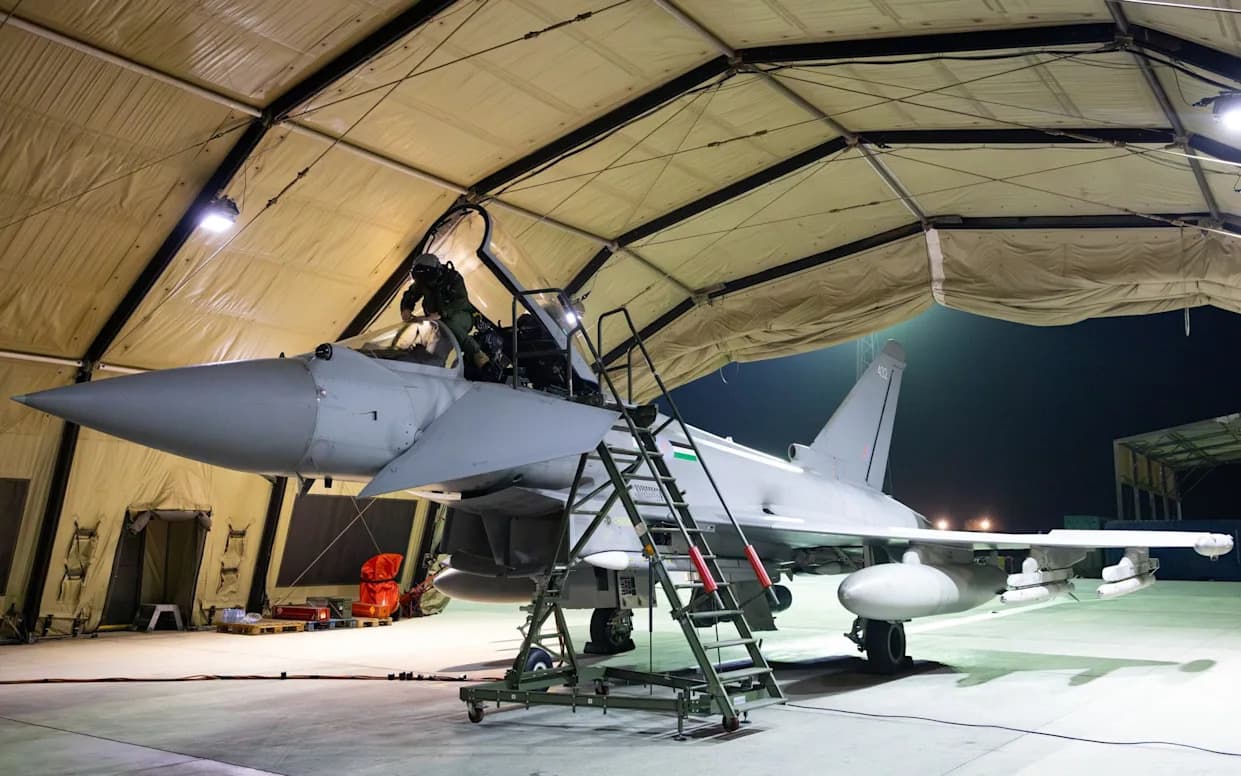
On Jan. 13 Trump urged protesters to 'KEEP PROTESTING - TAKE OVER YOUR INSTITUTIONS!!!... HELP IS ON ITS WAY.' Two days later he announced Iran had agreed to pause executions, a move that briefly eased tensions between Washington and Tehran. Still, U.S. military options were not ruled out: a U.S. aircraft carrier left the Indo-Pacific on Jan. 15 and steamed toward the Gulf as American assets repositioned amid the heightened threat environment.
Why planners paused
Experts and former officials offered several reasons for restraint. Chief among them were the risk of Iranian retaliation against U.S. troops or partners in the region, uncertainty about the post-regime political landscape, and concern that overt U.S. involvement could undermine the credibility and safety of Iranian protesters by strengthening Tehran’s narrative that demonstrations were foreign-backed.
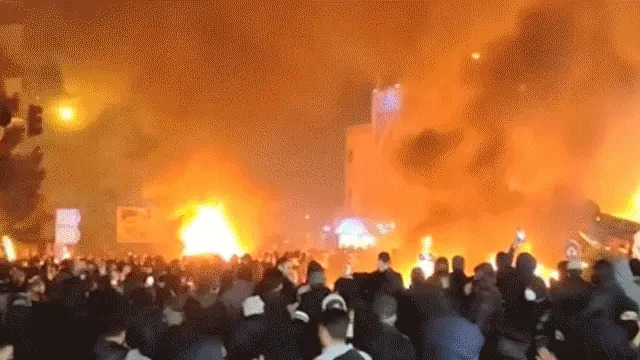
Protests in Iran intensify for the 12th day.
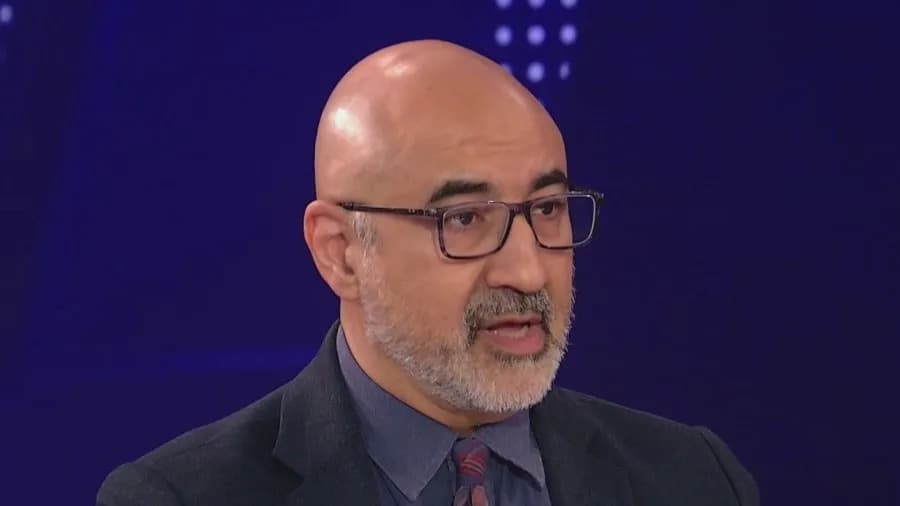
'The big question then becomes what’s the objective — not just militarily, but what’s the political objective in Iran,' said Seth Jones, senior vice president at the Center for Strategic and International Studies. Without a clear endgame, military pressure can create instability without producing a viable outcome.
Rosemary Kelanic of Defense Priorities warned that visible U.S. support could be used by Tehran to delegitimize protests: 'Anything that associates the U.S. with the protesters hurts the protesters.' Behnam Ben Taleblu of the Foundation for Defense of Democracies cautioned that kinetic strikes risked civilian casualties or poorly chosen targets that could drive Iranians into survival mode rather than keep them in the streets.
On the ground and online
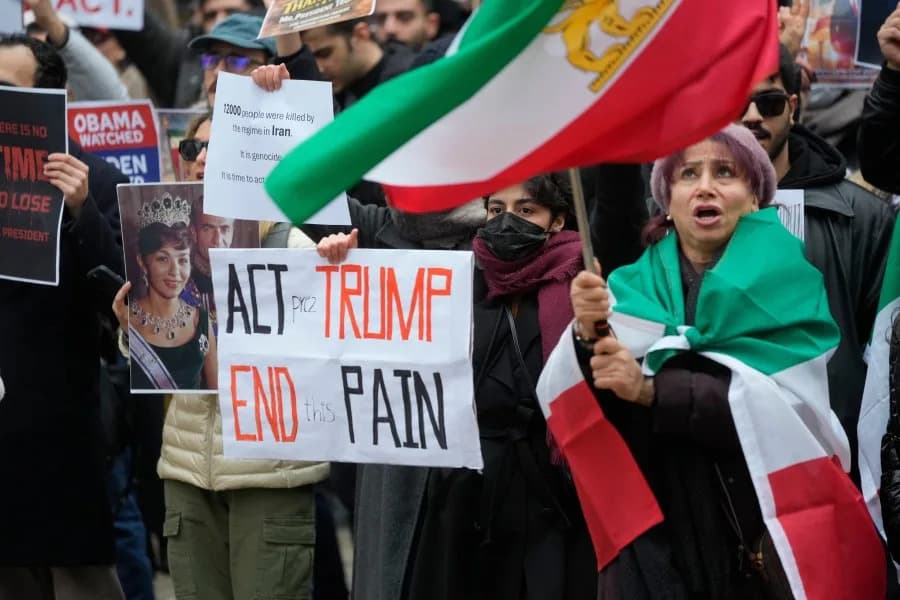
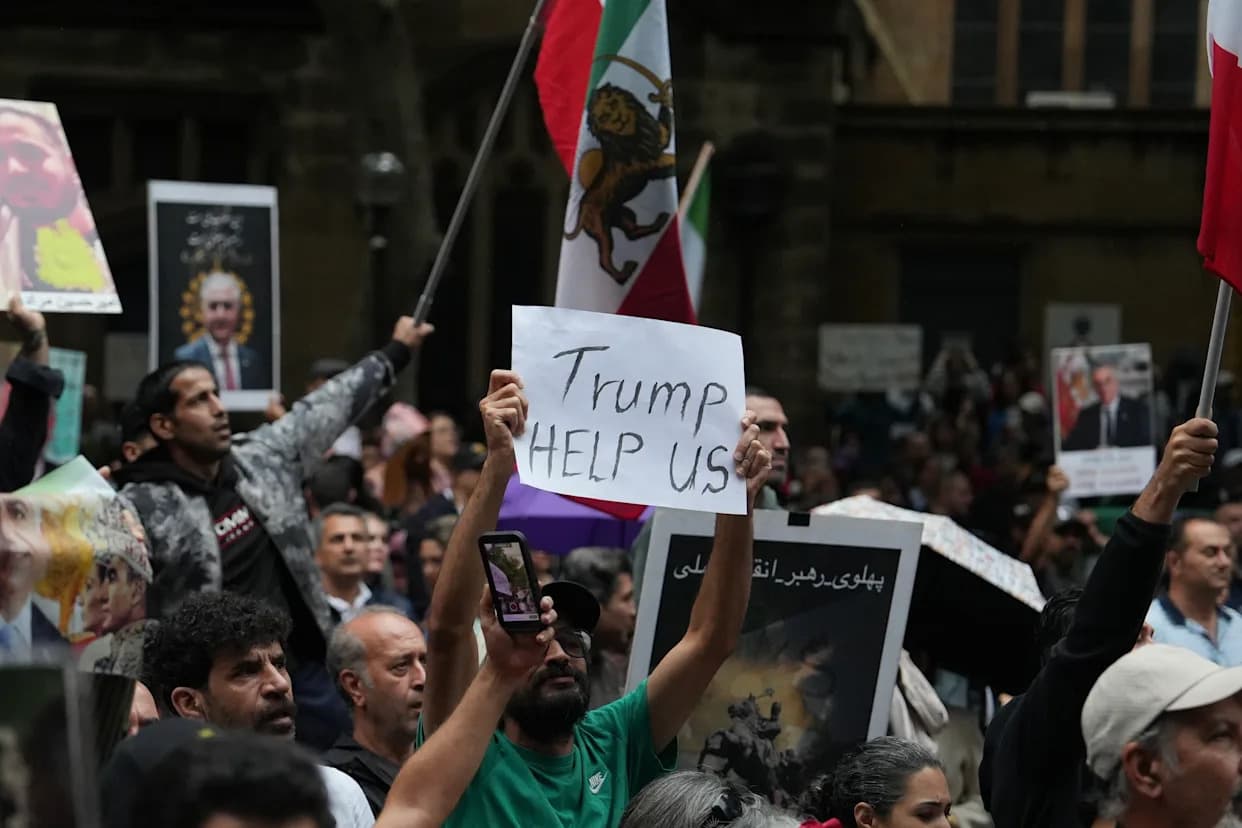
Some protesters and observers say Trump's promise emboldened demonstrators. One anonymous Iranian eyewitness told reporters protesters were 'still waiting on United States special forces to act in Iran' and pleaded for help: 'They can come to help us. We can finish the job on the ground.' Social posts captured similar frustration: 'Go forward, help is coming,' one user wrote. 'The people went forward. They were killed. No help came.'
Iranian state television reported more than 3,117 deaths during the recent demonstrations; other human rights organizations say the toll may be higher. Security forces have responded with a sweeping crackdown, including mass arrests, live ammunition in some areas, and severe internet and communications blackouts that hinder organizing and reporting.
Strategic trade-offs and long-term implications
Analysts stressed trade-offs regardless of the chosen course. Danny Citrinowicz, a former Israeli military intelligence official, said Tehran used the pause to achieve tactical wins: crushing protests and postponing an American strike. Still, he argued those gains are limited. Iranian-American rights advocates urged moral and political support for the movement without tying success to U.S. military intervention.
'U.S. policy should not require a military intervention in Iran,' said Majid Sadeghpour, political director of the Organization of Iranian American Communities, urging sustained Western support for Iranians' rights and political aspirations.
As debate continues in Washington, the central dilemma remains: how to support Iranians seeking change without provoking wider conflict, bolstering the regime’s propaganda, or creating a chaotic political vacuum that could worsen human suffering.
Help us improve.