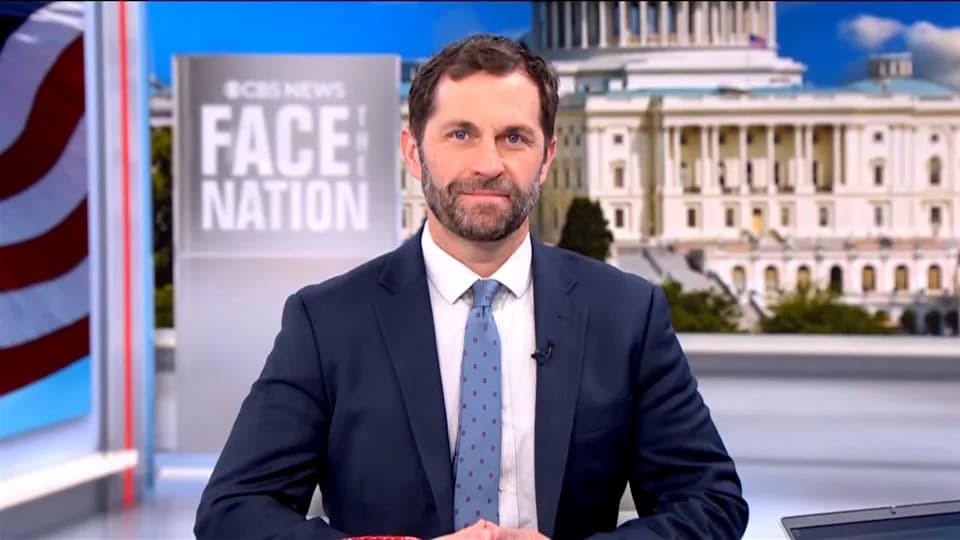
Kian Tajbakhsh, an Iranian‑American who spent years detained in Iran, told On Balance that IRGC hardliners are ideologically committed to defending the theocracy and would 'fight to the death.' Iran has threatened to target U.S. troops and Israel if Washington strikes over ongoing economic protests. Retired Gen. Philip Breedlove warned a limited U.S. strike is unlikely to change Iran's leadership, though targeted action might pressure Tehran — a risky and uncertain prospect.
Former Prisoner Warns IRGC Hardliners Are Prepared To ‘Fight To The Death’
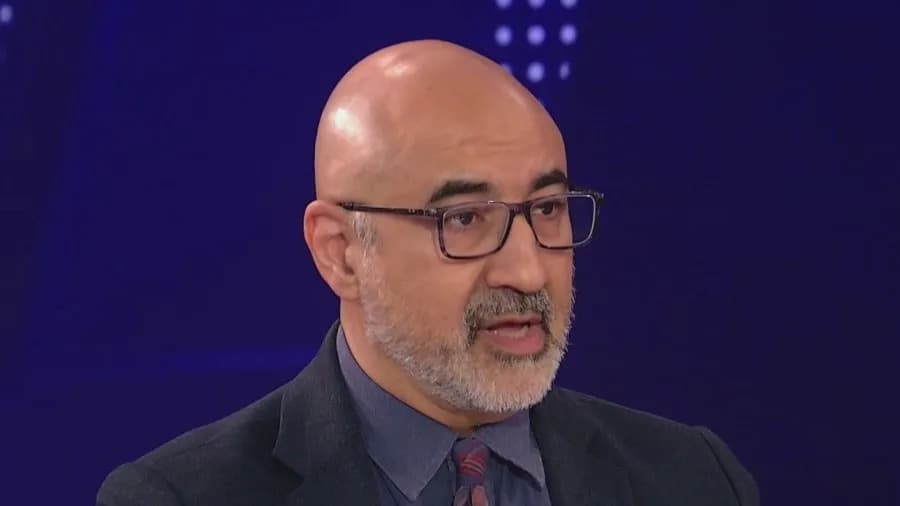
Iranian regime ‘will fight to the death,’ former prisoner says
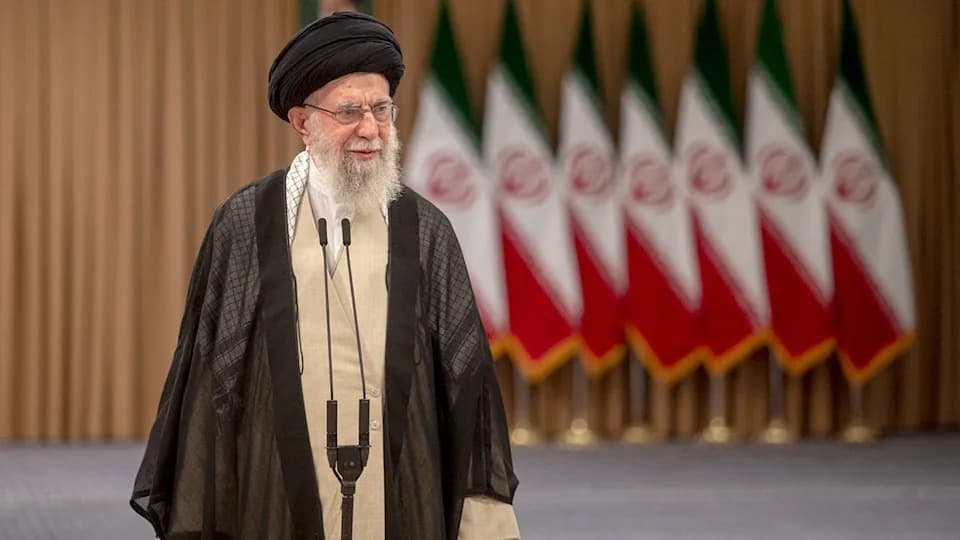
Kian Tajbakhsh, an Iranian‑American academic who spent years detained and under house arrest in Iran, warned that hardline members of the Islamic Revolutionary Guard Corps (IRGC) remain deeply committed to preserving the country’s theocratic system — even at the cost of their lives.
Speaking on the program On Balance, Tajbakhsh, who was held at Tehran’s Evin Prison and later released, described the IRGC as true believers whose anti‑American worldview and ideological commitment make them resistant to short‑term pressure.
'If you know how the Islamic Republic works, you will know that they are in for the long haul. They will fight to the death,' Tajbakhsh said, recalling his direct encounters with senior and junior IRGC officers during interrogations.
Protests and Regional Risks
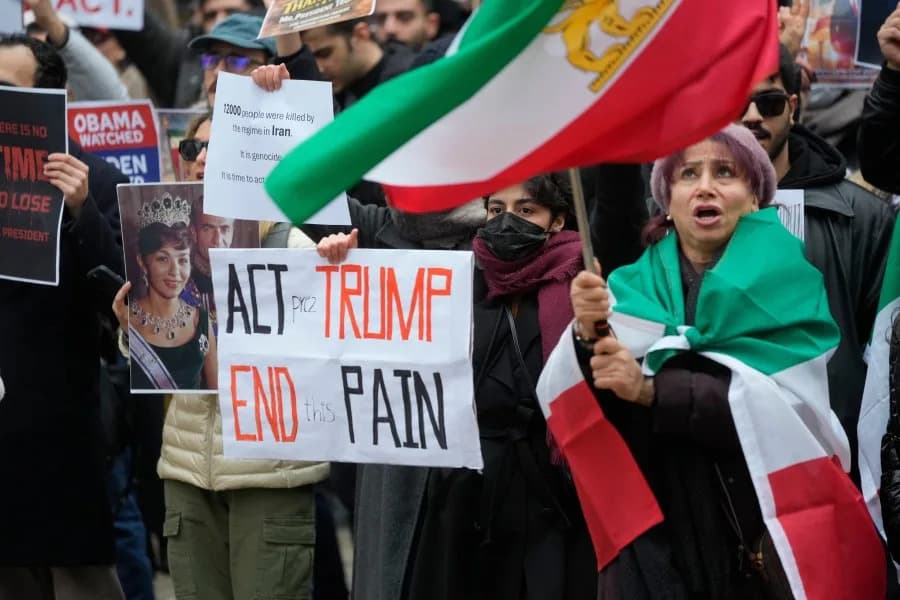
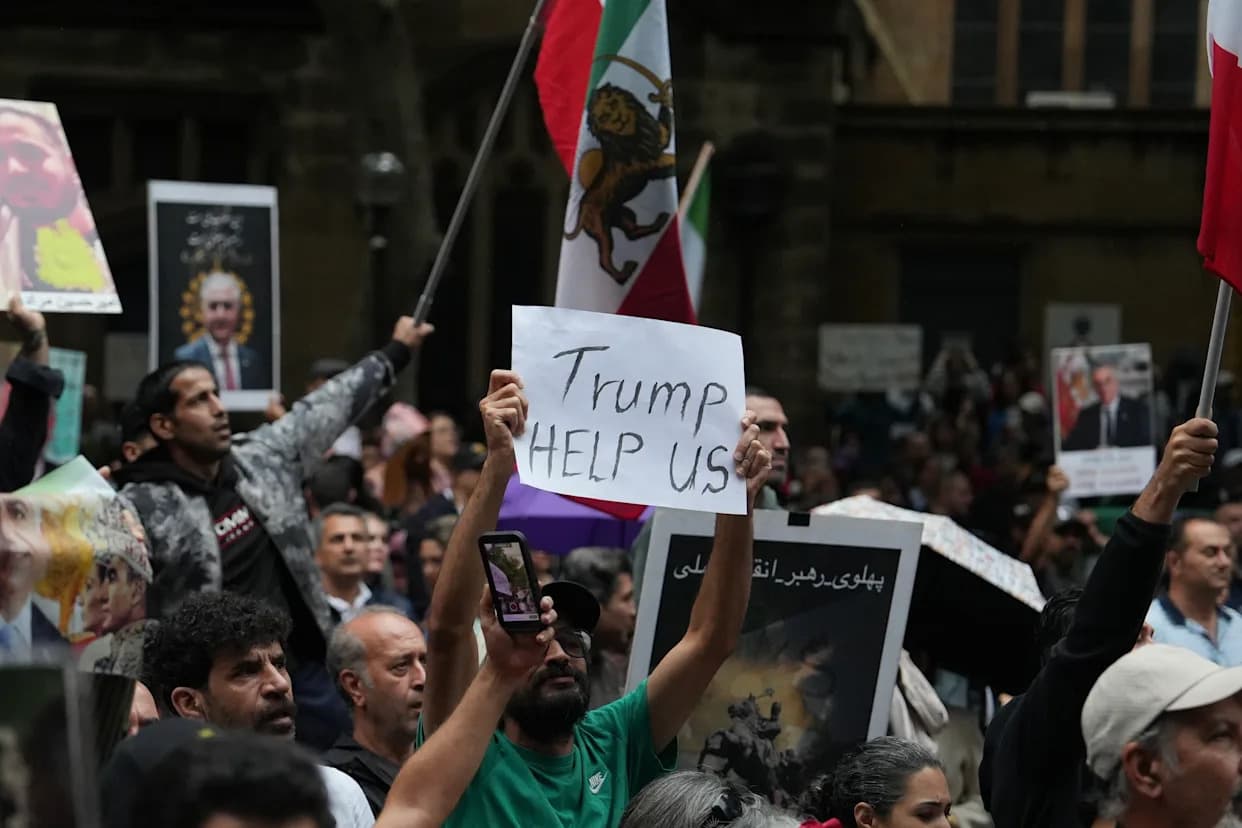
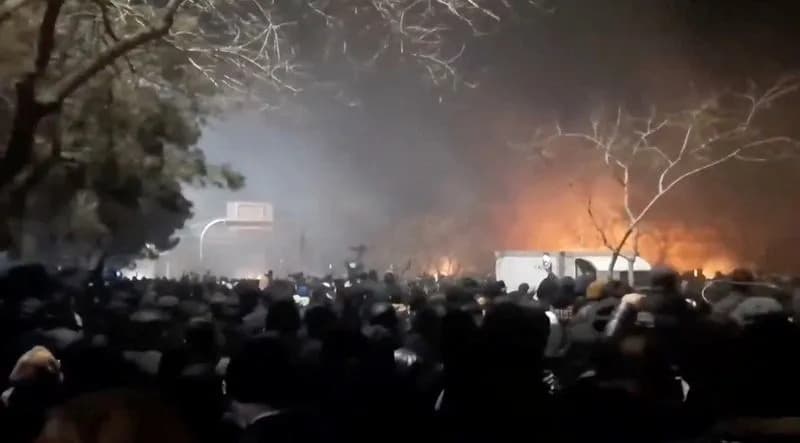
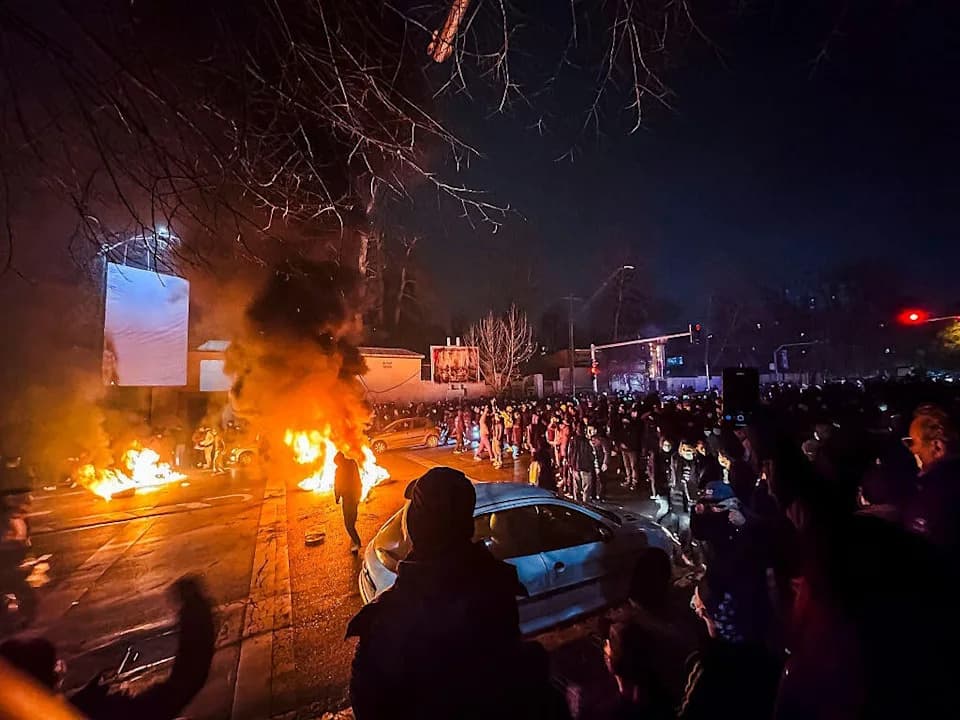
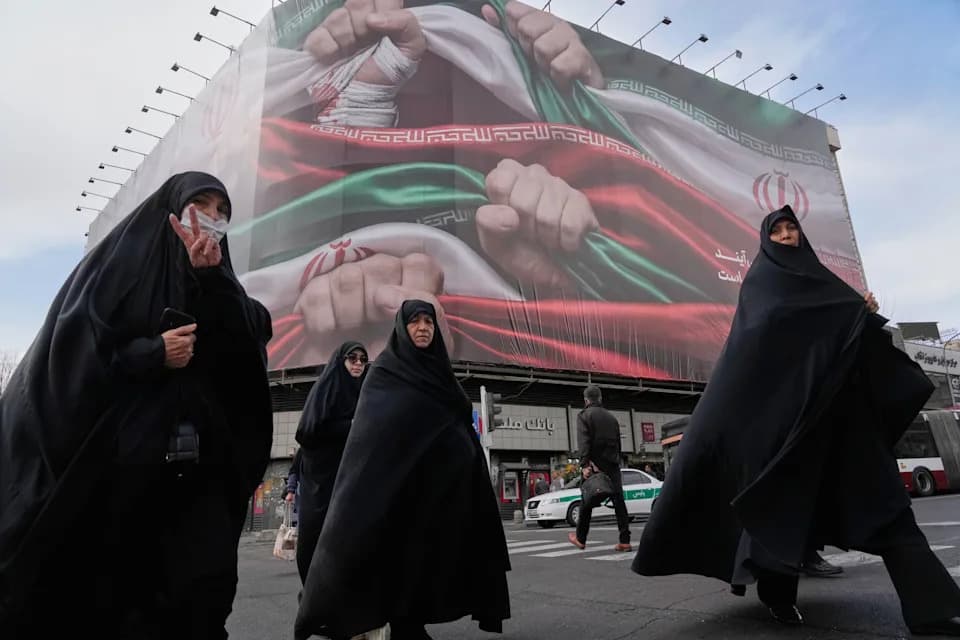
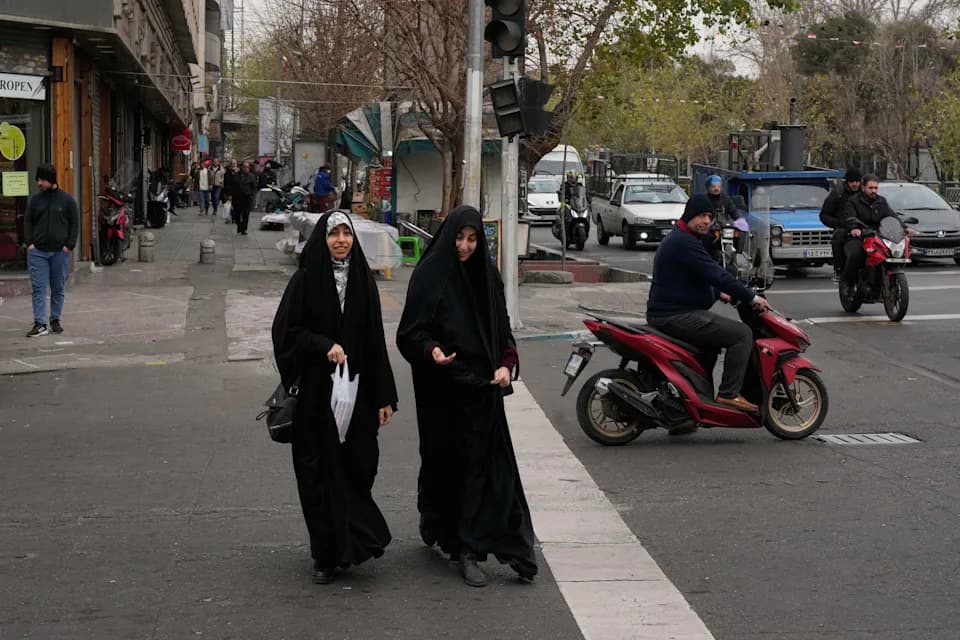
Iran has warned it would strike U.S. forces and Israel if Washington responds militarily to the nationwide economic protests that have destabilized parts of the country in recent weeks. President Trump has suggested the United States might support demonstrators facing a violent government crackdown, though the scope of any U.S. response remains unclear.
U.S. Military Options and Limitations
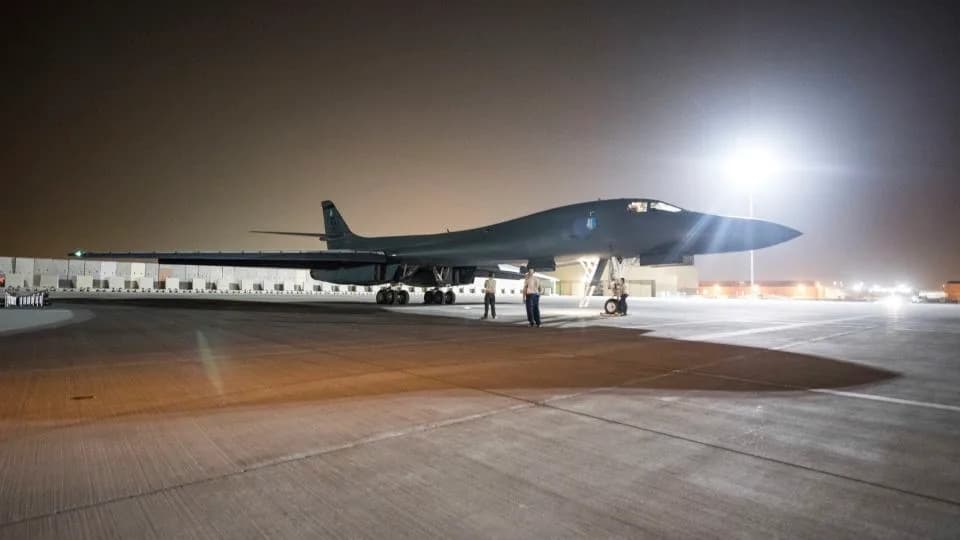
Retired Air Force General Philip Breedlove, a former NATO commander who joined the On Balance panel, cautioned that a limited, surgical strike would not necessarily topple Iran's leadership or change the strategic thinking of its senior commanders.
'I just want to temper everybody's expectations,' Breedlove said. 'Trying to change the mind of the senior leaders to stop doing what they think is existential to their control of the country by a swift strike is going to be pretty tough.'
Breedlove added that, at best, U.S. forces might be able to identify a narrow 'right target set' that could pressure Tehran into compliance — but he emphasized such an outcome is uncertain and fraught with risks.
Implications
Experts say the situation highlights the limits of kinetic action to resolve deeply rooted ideological conflicts and underscores the danger of miscalculating Iran's willingness to escalate. Any military intervention would carry significant strategic and humanitarian risks, and its effectiveness in altering Tehran's long‑term behavior remains doubtful.
Help us improve.