Lottie Williams was exercising near Tulsa in 1997 when a 5-inch piece of rocket debris struck her shoulder; she was not injured. The fragment was later traced to the second stage of a Delta II rocket that reentered about 42 nautical miles above Topeka on Jan. 22, 1997, scattering debris including a 551-pound tank. Investigators estimate the chance of a person being hit by space debris as under one in a trillion. Still, a 2025 IADC report warns orbital debris could double within decades, raising risks to satellites and crewed missions.
Hit by Space Junk: How Lottie Williams Became the First Person Struck by Rocket Debris
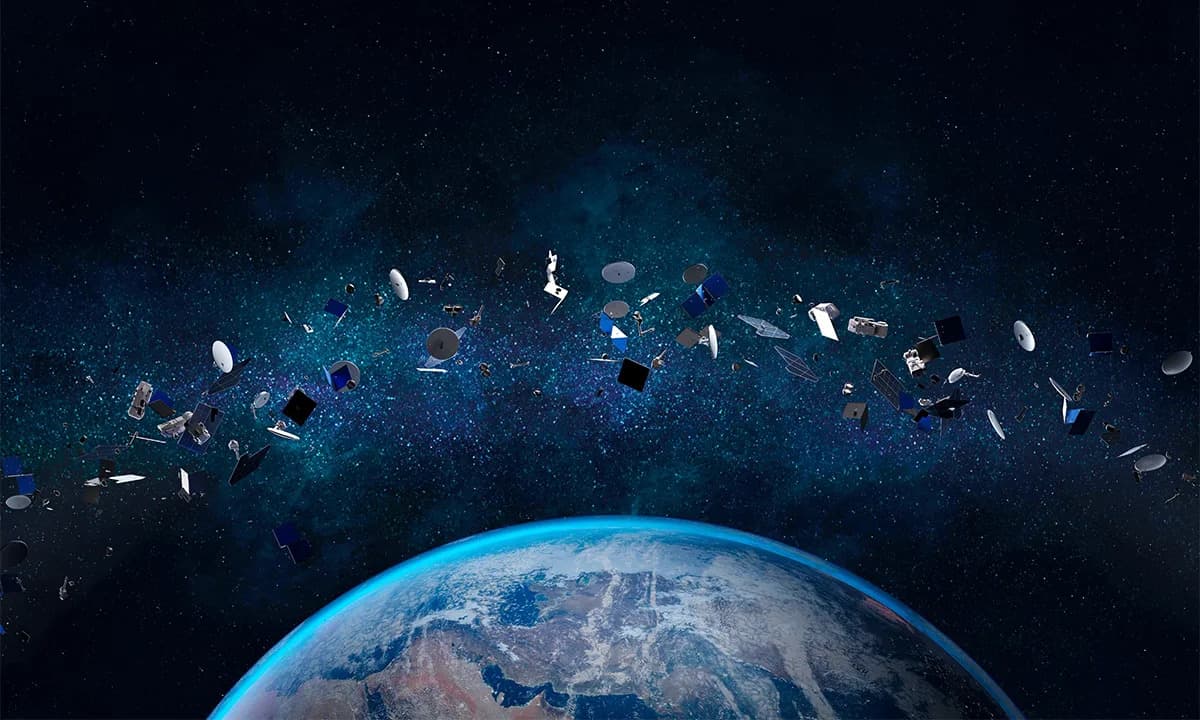
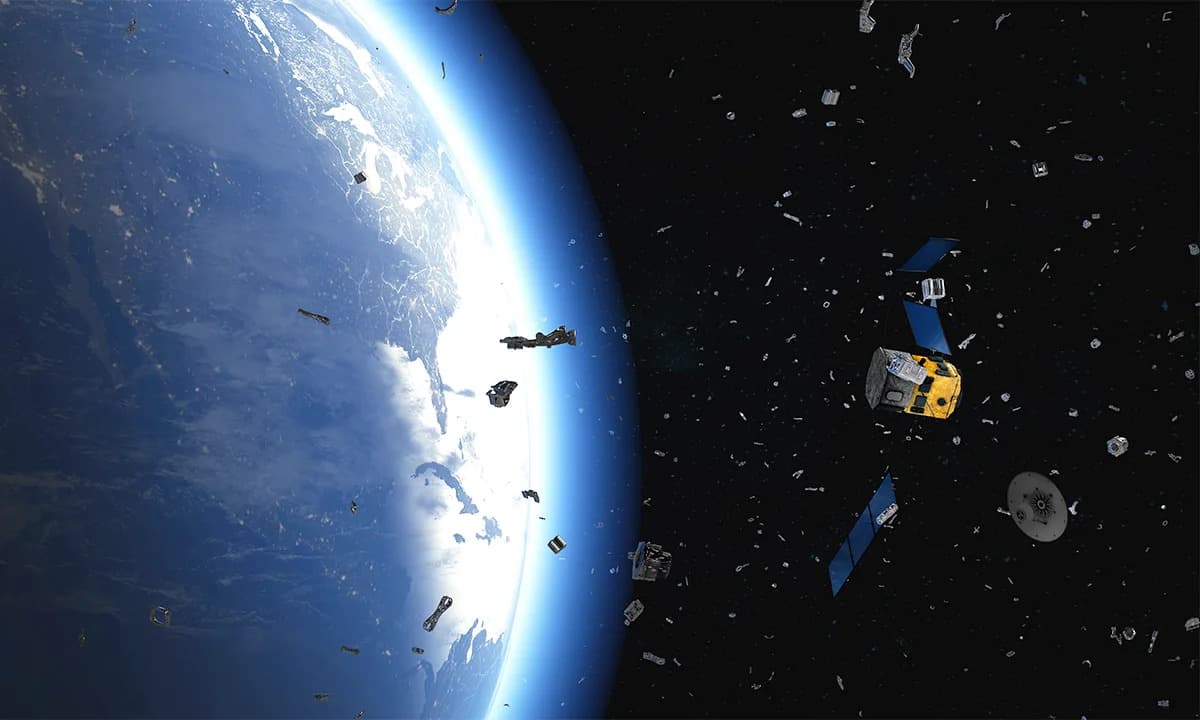
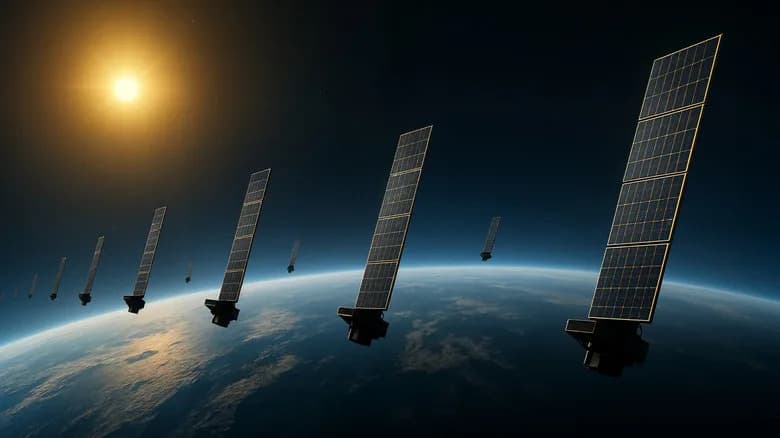
Lead image: Dabarti CGI / Shutterstock(Illustration of Earth with broken satellites and debris floating in space above it. Credit: Dabarti CGI / Shutterstock.)
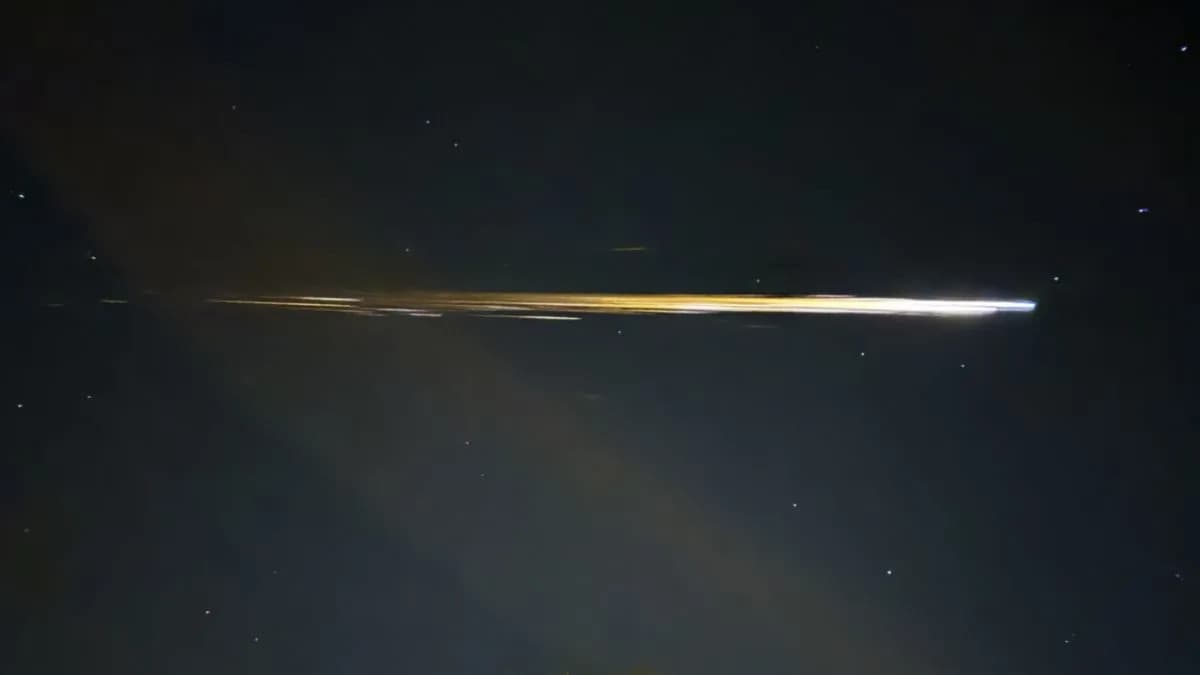
On a clear day in 1997, Lottie Williams was exercising in a park near Tulsa, Oklahoma, when she saw a bright streak in the sky and, minutes later, felt something tap her shoulder. The object — about 5 inches long and about the weight of an empty soda can — bounced onto the grass beside her. She was uninjured, but the event would later be confirmed as a rare case of human-made space debris striking a person.
What Happened
Investigators eventually traced the scorched fiberglass fragment back to the second stage of a Delta II rocket. That stage had launched an Air Force satellite from California in April 1996; over time atmospheric drag caused the stage to decay and reenter Earth’s atmosphere.
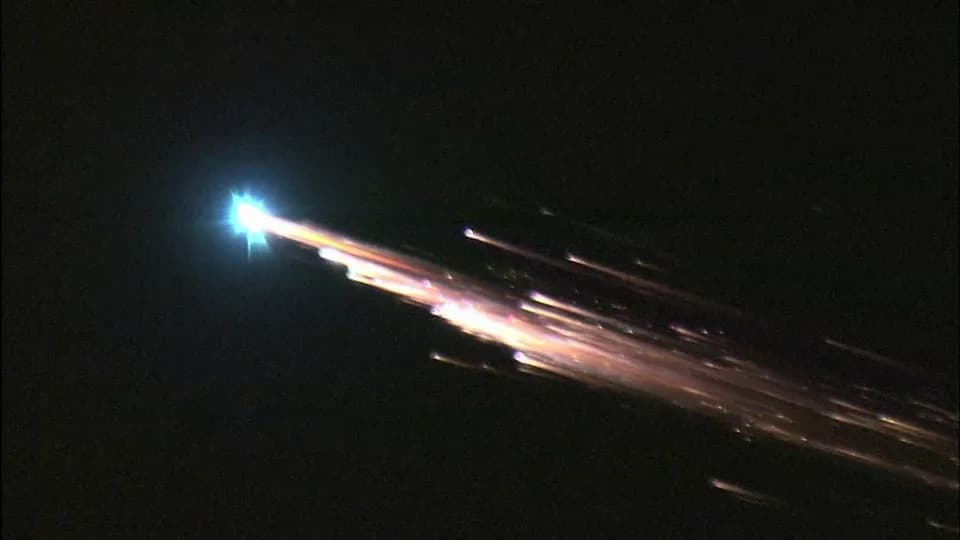
On Jan. 22, 1997, the rocket stage began an uncontrolled reentry about 42 nautical miles above Topeka, Kansas, scattering debris across parts of Texas and Oklahoma. The debris field included a 551-pound propellant tank that crashed near a Texas farmhouse, and dozens of smaller fragments. Roughly 30 minutes after the stage began its descent, one fragment struck Williams’ shoulder.
"I think I was blessed that it doesn't weigh that much," Williams told NPR in 2011. "I mean, that was one of the weirdest things that ever happened to me."
Why This Was Unusual — And What It Means
The United States Air Force formally identified the fragment in 2001. During uncontrolled reentry, large components can heat to more than 2,000 degrees Fahrenheit and break apart; remaining pieces can travel at extremely high velocities — in some cases more than 20 times the speed of a typical bullet — before slowing through the lower atmosphere. Still, analysts estimate the chances of a person on the ground being struck by falling space debris are vanishingly small — on the order of less than one in a trillion.
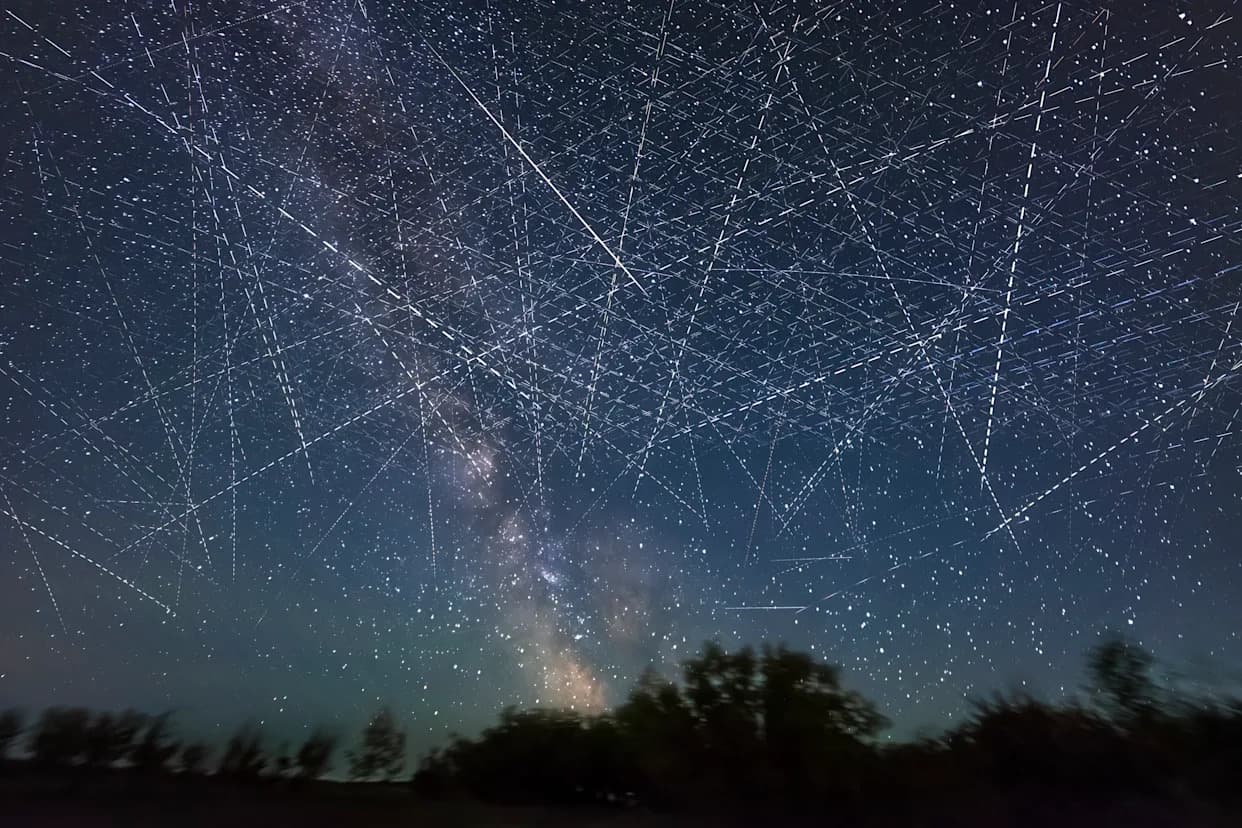
That low probability offers some reassurance today, but the broader trend is concerning: a 2025 report by the Inter-Agency Space Debris Coordination Committee (IADC), which represents more than 10 national space agencies, warns that the amount of orbital debris could double in less than five decades as commercial satellite constellations expand. A larger population of debris raises the risk to operational satellites, spacecraft and future crewed missions, and it could complicate efforts to use certain orbital paths.
In short: Lottie Williams’ experience remains an extraordinarily rare anecdote of falling space junk making contact with a person. However, the growing amount of orbital debris is a real and widening challenge for the spacefaring world.
Help us improve.