Use Ernst Fraenkel’s concept of the “dual state” to explain why authoritarian dynamics often feel ordinary until violence strikes arbitrarily. The killing of Renee Nicole Good is offered as a concrete illustration of how the prerogative state can reach people who assumed they weren’t targets. If framing and examples don’t persuade, try the “grandkid test”: ask what they’ll tell future generations. Encourage risk-proportionate actions such as local protests, donations, or direct support.
When Friends Act Like Everything's Normal: How to Persuade Them to See the Hidden Threat
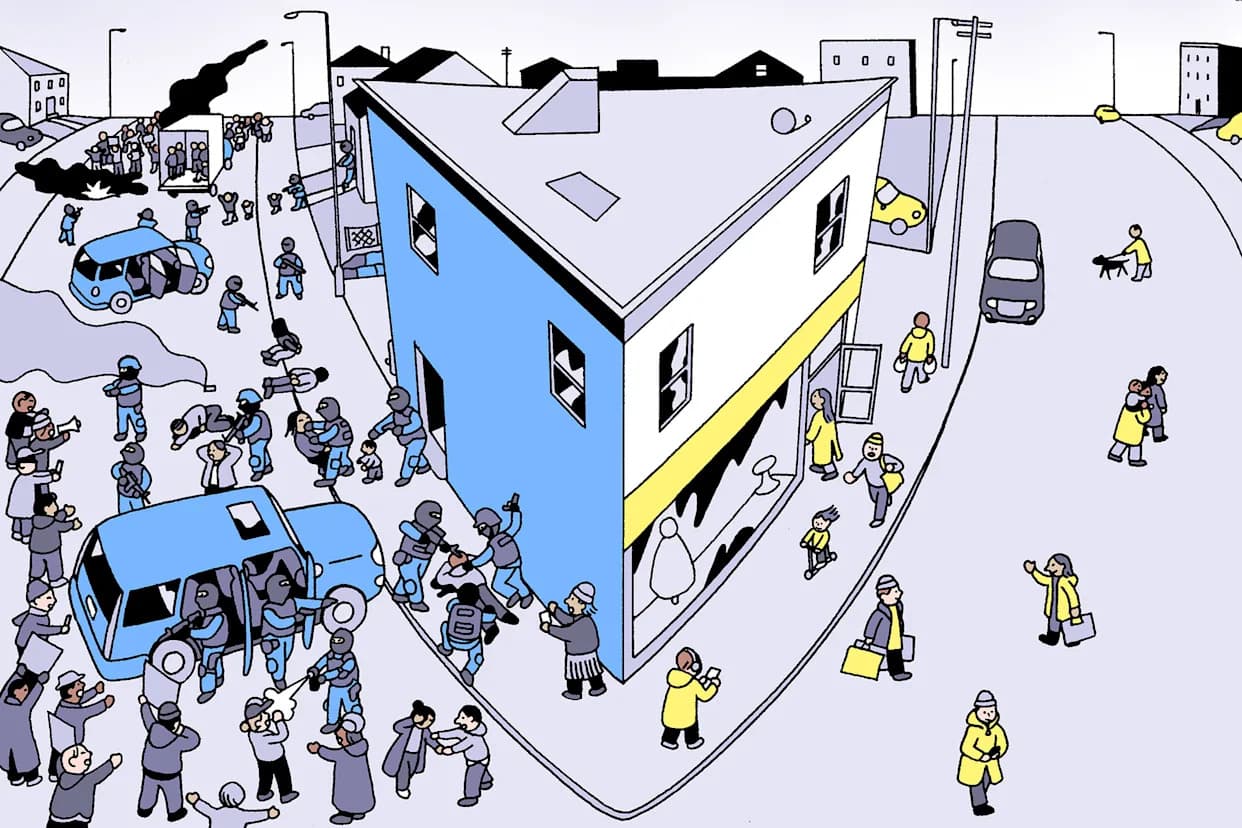
You’re alarmed by recent political developments, yet some friends act as if life is business as usual. How do you convince them that complacency can be dangerous — and that everyone has a role to play? This column offers a conceptual frame and concrete examples to open that conversation.
Use a Frame: Ernst Fraenkel’s “Dual State”
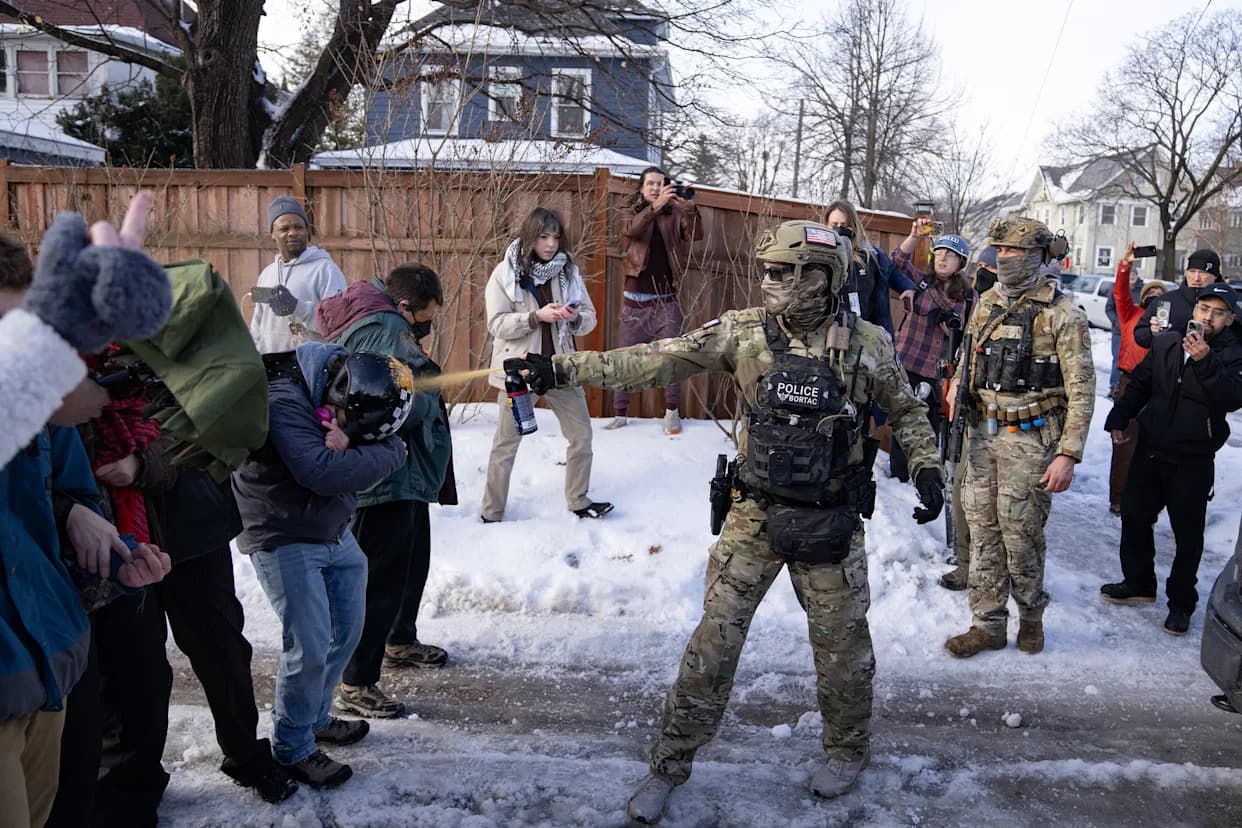
Ernst Fraenkel, a German-Jewish political scientist and labor lawyer who observed the rise of Nazism, described a political system that operates in two parallel modes in his 1941 book The Dual State. One mode—the normative state—maintains everyday institutions, routine life, and the illusion of normalcy. The other—the prerogative state—uses arbitrary force outside the rule of law against those who cross invisible lines.
“The Dual State lives by veiling its true nature,”
Fraenkel’s insight explains why many people remain apolitical: the system is designed to lull a large portion of the population into thinking that compliance will keep them safe.
Make It Concrete: The Case of Renee Nicole Good
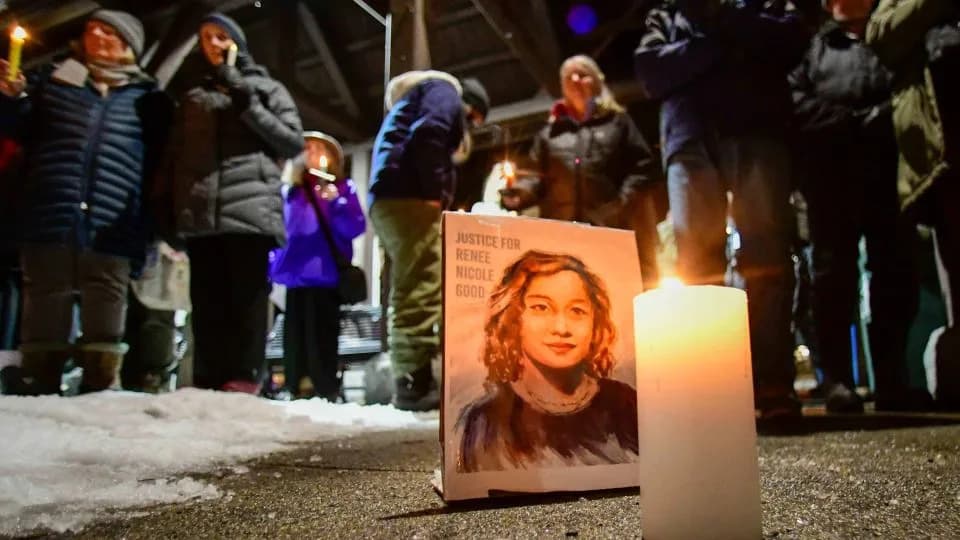
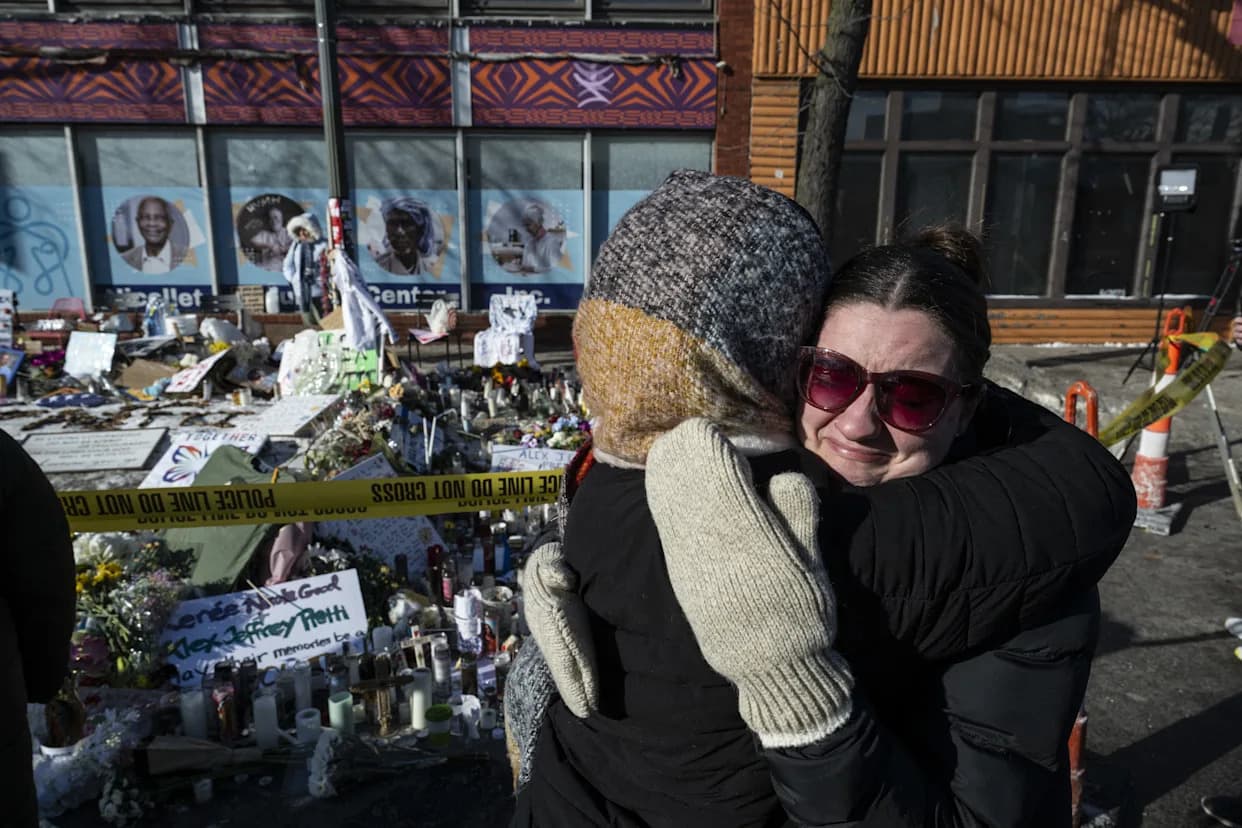
Abstract frameworks are useful—but concrete examples make them real. The killing of Renee Nicole Good, a 37-year-old who was reportedly shot while sitting in her car observing an immigration enforcement operation, illustrates how sudden, seemingly arbitrary violence can touch people who assumed they weren’t targets. By showing that someone who appeared to be outside the likely target group was harmed, the example brings Fraenkel’s prerogative state into sharper focus.
Why Randomness Matters
Journalists and analysts, including Masha Gessen in The New York Times, argue that unpredictability itself is a signal: when violence is applied randomly, it becomes a tool of terror. In repressive but predictable regimes, people can learn the boundaries of acceptable behavior; in terror-based systems, the message is that anyone might be subjected to force at any time.
“Even in brutally repressive regimes... one knew where the boundaries of acceptable behavior lay… A regime based on terror, on the other hand, deploys violence precisely to reinforce the message that anyone can be subjected to it.” — Masha Gessen (paraphrase)
How to Talk to Friends
1. Offer the frame. Explain Fraenkel’s dual state: normal life can coexist with arbitrary violence. That framing often helps people understand why everyday calm may be deceptive.
2. Use a concrete, recent example. Describe a case like Renee Nicole Good’s to show how the prerogative state can reach people who assumed they were safe.
3. Try the “grandkid test.” Invite them to imagine how they would answer a future grandchild who asks, “What did you do when these things happened?” Framing the choice as part of a moral legacy makes the decision personal.
4. Offer risk-proportionate options. Not everyone should or can take the same risks. Recommended actions include attending a local peaceful protest, donating to organizations that provide legal aid and equipment, supporting vulnerable neighbors with supplies, or amplifying credible information on social media.
Practical Takeaways
Recognizing the dual-state dynamic is an epistemic duty: first understand the reality you inhabit, then act accordingly. Persuasion is rarely instant. Use clear frames, concrete examples, and moral imagination to help friends move from complacency to appropriate, proportionate action.
If you want to send your question to the columnist, you can email sigal.samuel@vox.com or submit it through the anonymous form linked in the original column.
Help us improve.