Sweden is holding early, exploratory talks with the UK and France about coming under their nuclear deterrents, Prime Minister Ulf Kristersson said. While Sweden already benefits from NATO’s collective deterrent, the move would diversify European reassurance and reduce perceived reliance on US guarantees. Officials emphasised the discussions are preliminary and Sweden does not intend to host nuclear weapons in peacetime. Any formal arrangement would require extensive diplomatic and strategic agreement.
Sweden Holds Early Talks With UK And France To Join Their Nuclear ‘Umbrella’
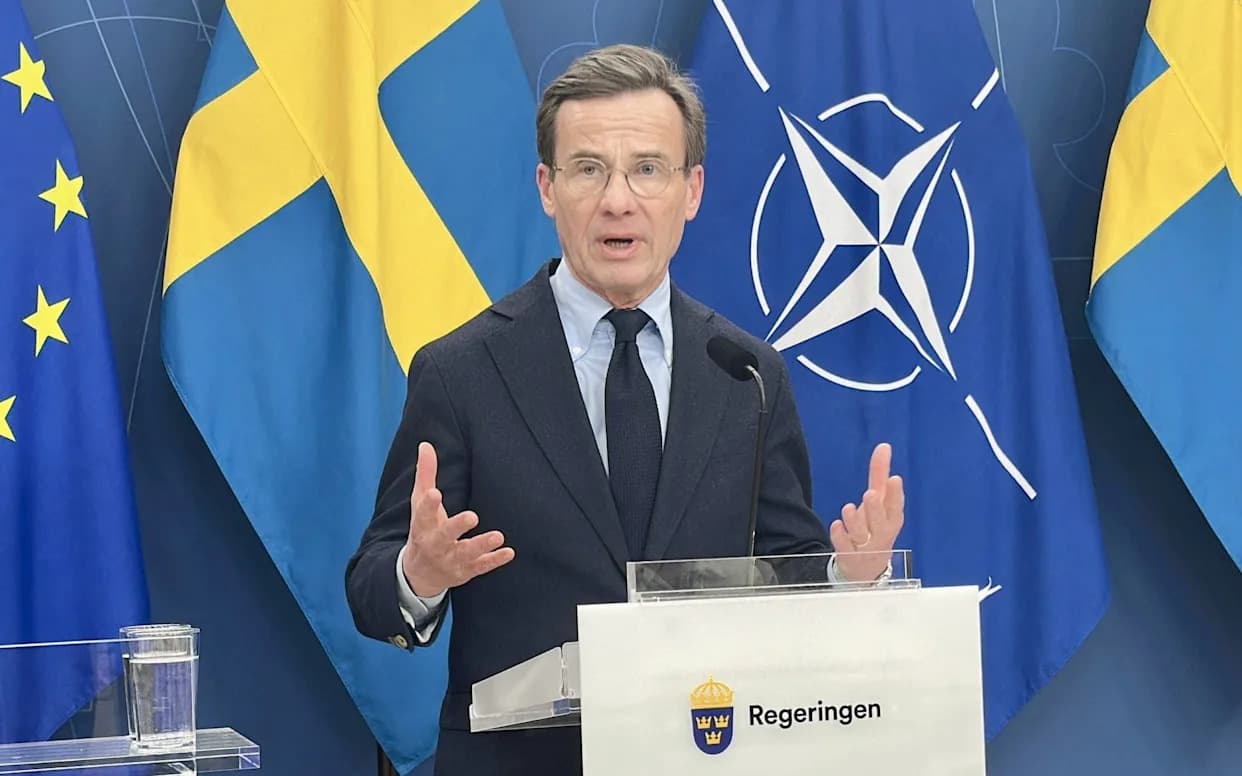
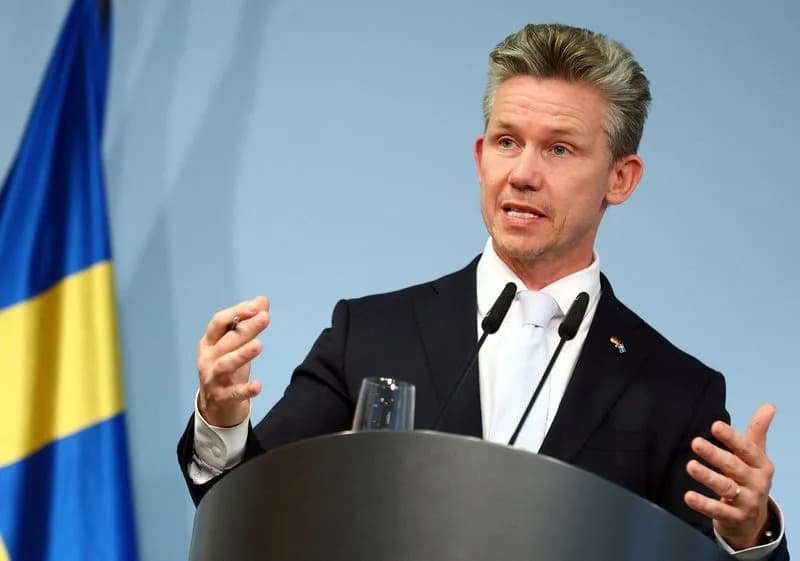
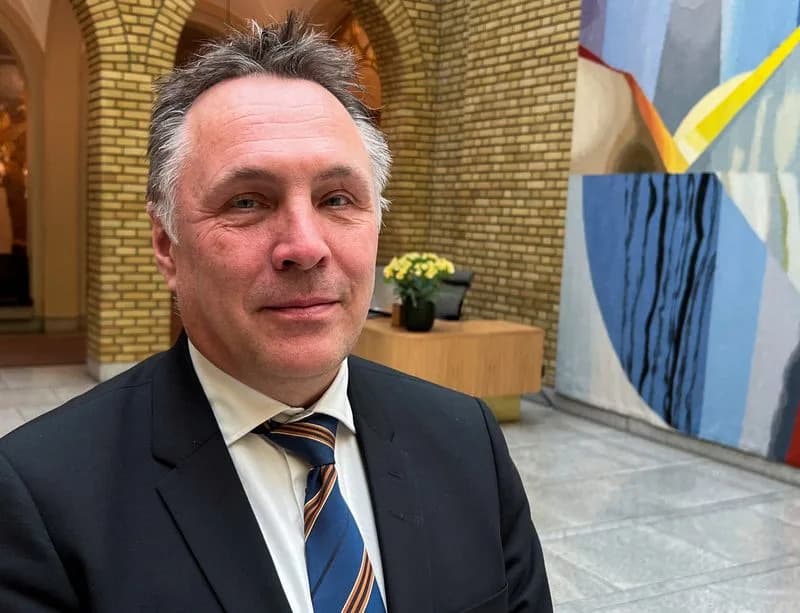
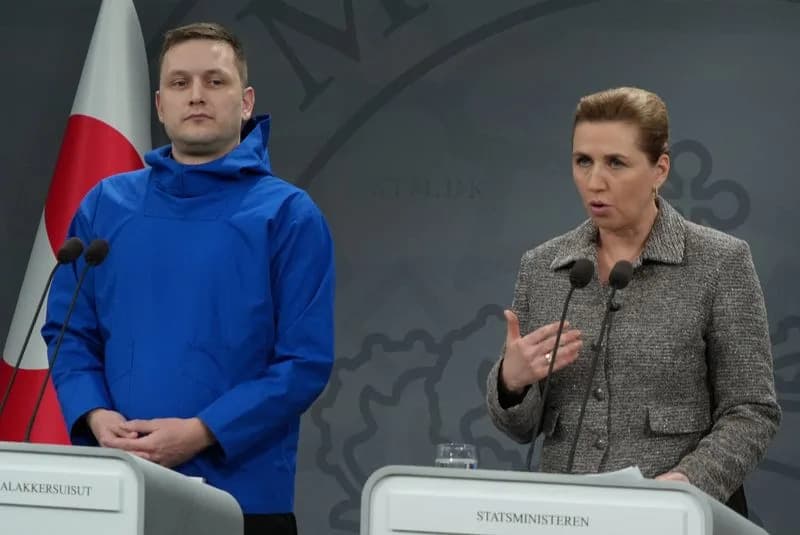
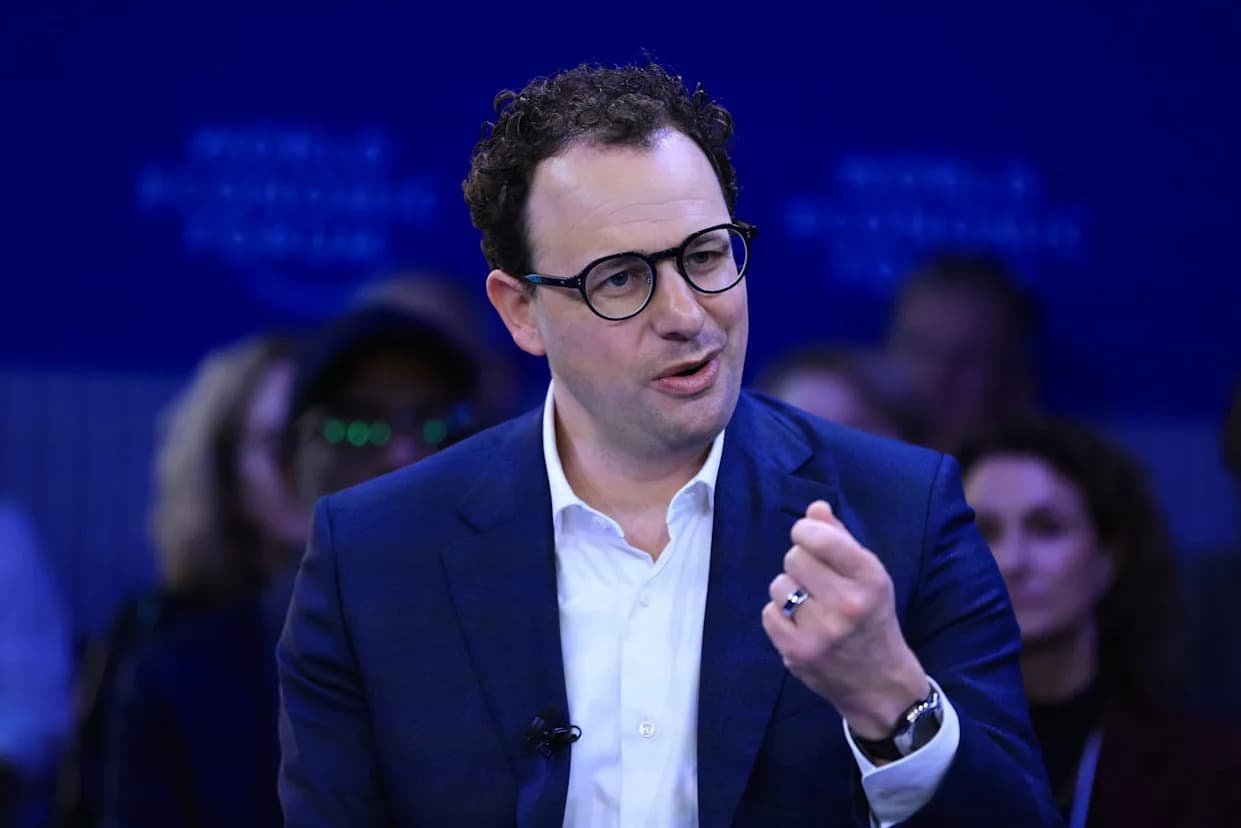
Ulf Kristersson, the Swedish prime minister, said he was holding discussions with the UK and France - Atila Altuntas/Anadolu via Getty Images
Sweden is in preliminary discussions with the United Kingdom and France about being covered by their nuclear deterrents, Prime Minister Ulf Kristersson said on Tuesday. The talks are at an early stage: no formal proposals, timelines or operational details have been agreed.
Mr Kristersson, leader of the liberal Moderates, said the conversations "have been under way for some time" but remain imprecise. "We are now holding ongoing discussions with both France and the United Kingdom. They are not very precise yet, and the French [nuclear weapons] are uniquely French, but France also shows openness to discussing with other countries," he said.
A Downing Street spokesperson confirmed that Sir Keir Starmer has raised the idea of a British "nuclear umbrella" with his Swedish counterpart.
What The Nuclear Umbrella Means
The so-called nuclear umbrella is a security assurance in which nuclear-armed states pledge to deter or respond to a nuclear attack on non-nuclear allies. As a NATO member, Sweden already benefits from the Alliance’s collective deterrent. Seeking formal inclusion under British and French umbrellas would signal a desire to diversify Europe’s nuclear reassurance and reduce perceived reliance on US guarantees.
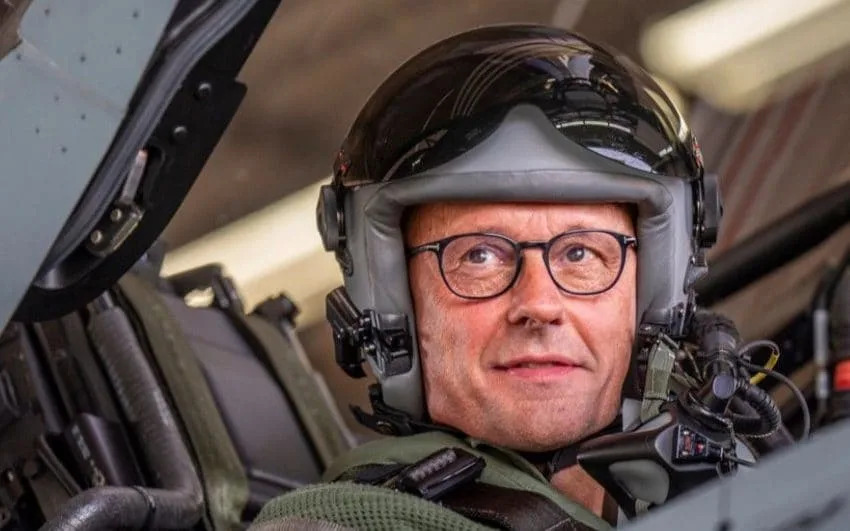
Friedrich Merz, the German chancellor, also wants to join the British and French nuclear umbrella - The Odessa Journal
Britain and France are the only NATO members in Europe with independent nuclear arsenals. The United States also maintains a substantial nuclear presence in Europe — the article cites roughly 100 missiles stationed mainly in Germany.
Context And Concerns
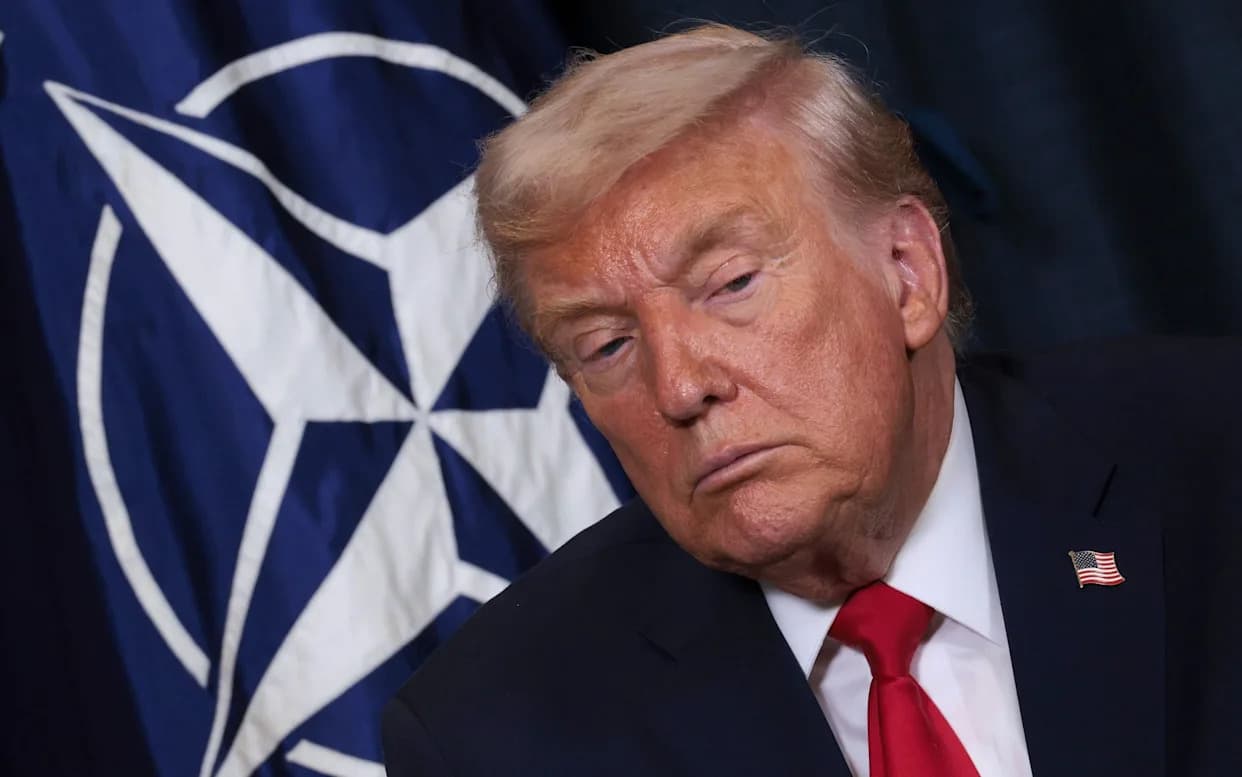
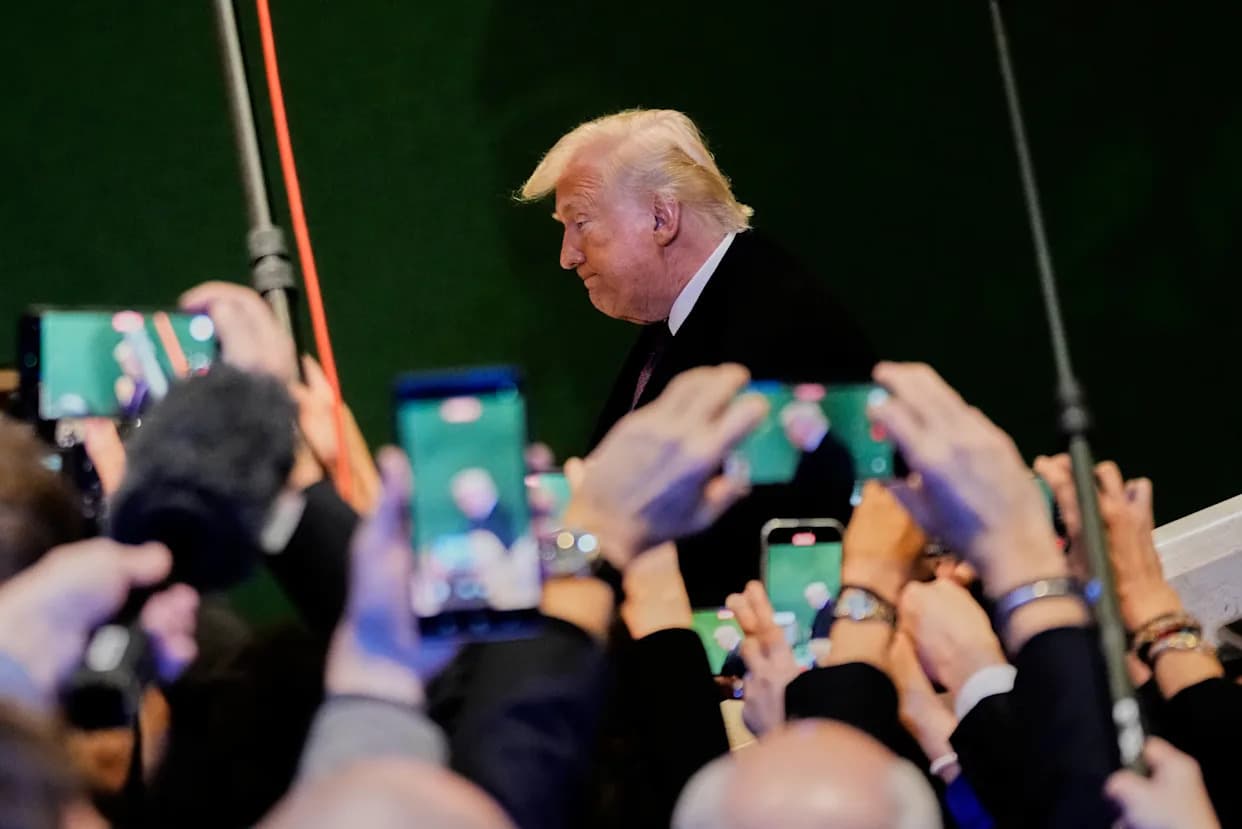
Growing uncertainty about the reliability of US security guarantees under President Donald Trump has intensified debate in parts of Europe about whether the UK and France should play a more central role in continental nuclear reassurance.
"When we joined NATO, we became fully involved in all discussions, including those in Europe revolving around nuclear weapons. Not so that they should be used, but as long as dangerous countries possess nuclear weapons, sound democracies must also have access to nuclear weapons," Mr Kristersson said.
He stressed that Sweden has so far seen no need to host nuclear weapons on its territory in peacetime. But he warned the security calculus would change dramatically if Sweden faced direct military confrontation with an adversary such as Russia: in that event, the country would be in a "completely different situation."
Reports have also noted that German conservative politician Friedrich Merz has argued for Germany to seek coverage under British and French umbrellas to reduce dependence on the US. Media reports suggest one option under discussion could be the deployment of French nuclear-capable aircraft to Germany, though no decisions have been announced.
Diplomats and officials stress these conversations are exploratory. Any move to formalise such arrangements would involve complex political, legal and strategic considerations across NATO and among the countries involved.
Help us improve.