Scientists infected E. coli with phage T7 aboard the ISS and found that microgravity reduced convective mixing, slowing infection and evolution. In response, phages evolved improved attachment mechanisms while bacteria altered surface receptors to resist infection. Returned samples showed some space-evolved phages were better at targeting urinary tract infection strains, suggesting microgravity experiments could inform new phage therapies—though high launch and recovery costs remain a major barrier.
Microgravity Rewires Microbes: ISS Study Shows Phages Evolve New Attachment Tricks—Potential for UTI Therapies

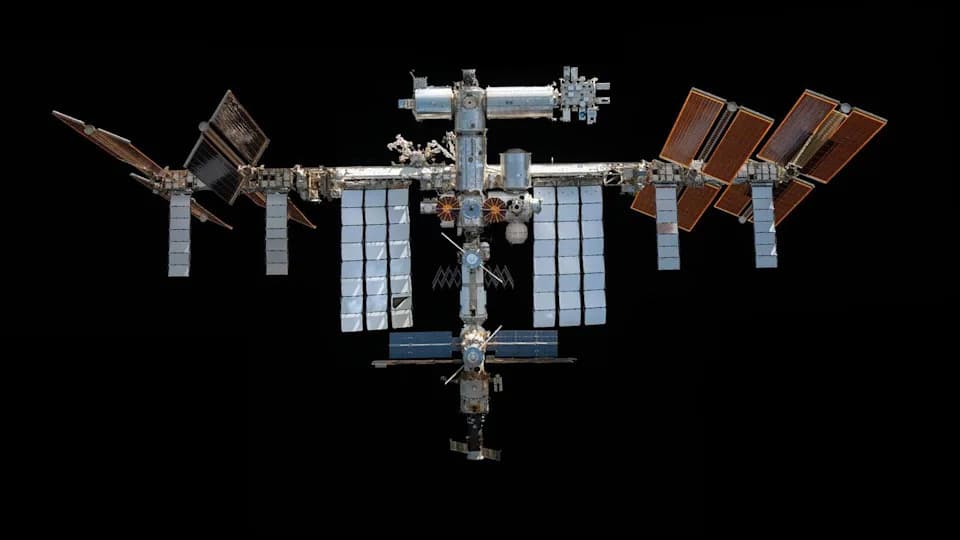
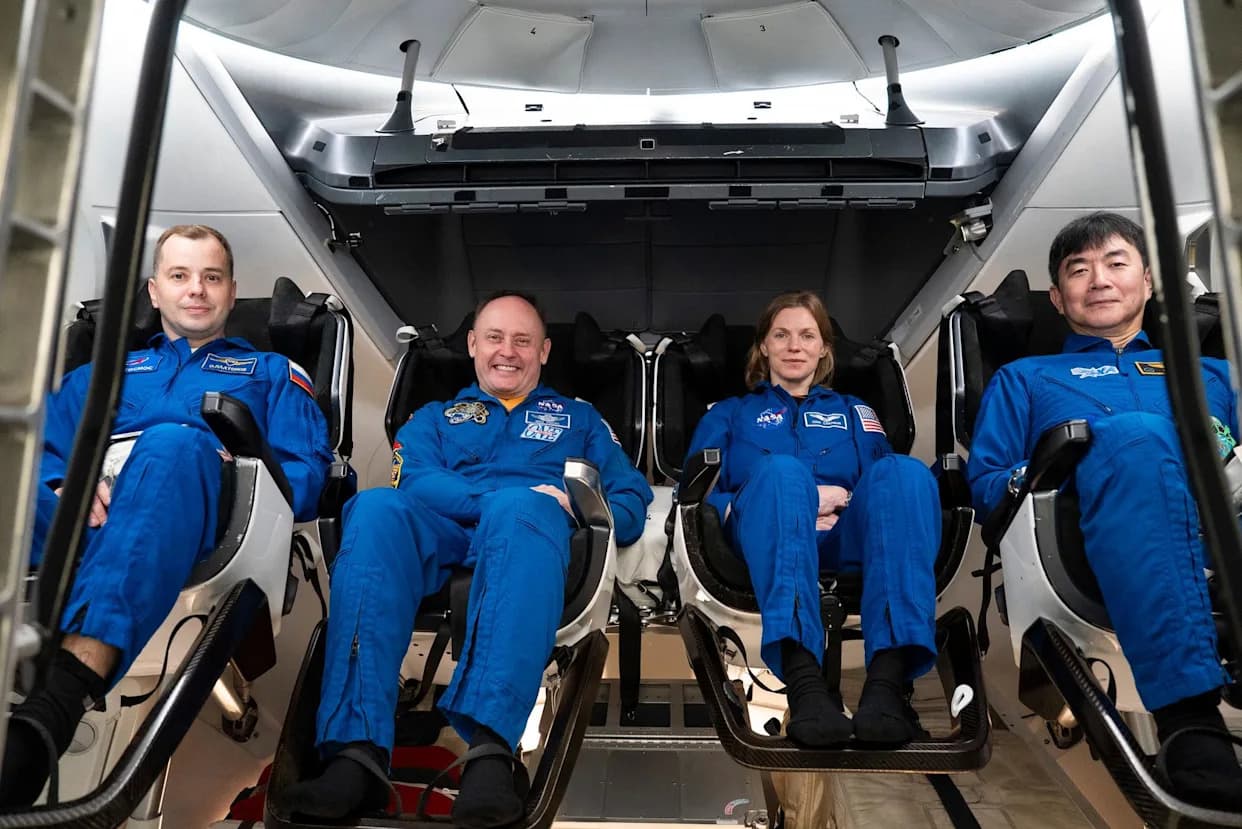
(Credit: NASA)
Researchers deliberately infected Escherichia coli with phage T7 aboard the International Space Station to see how microgravity would alter virus–bacteria interactions. The experiment, reported in PLOS Biology by teams from the University of Wisconsin–Madison and Rhodium Scientific, produced surprising results: reduced encounter rates in microgravity slowed infection and evolutionary dynamics, but also drove new viral and bacterial adaptations.
Why Interactions Slow in Space
On Earth, convection—the rising of warmer fluid and sinking of cooler fluid—helps mix liquids and increases the frequency with which viral phages encounter bacterial cells. In the near-weightless environment of the ISS, that convective mixing is absent, so viruses and bacteria met far less often. The overall pace of infection, growth, and evolutionary change therefore moved much more slowly in orbit.
How Microbes Adapted
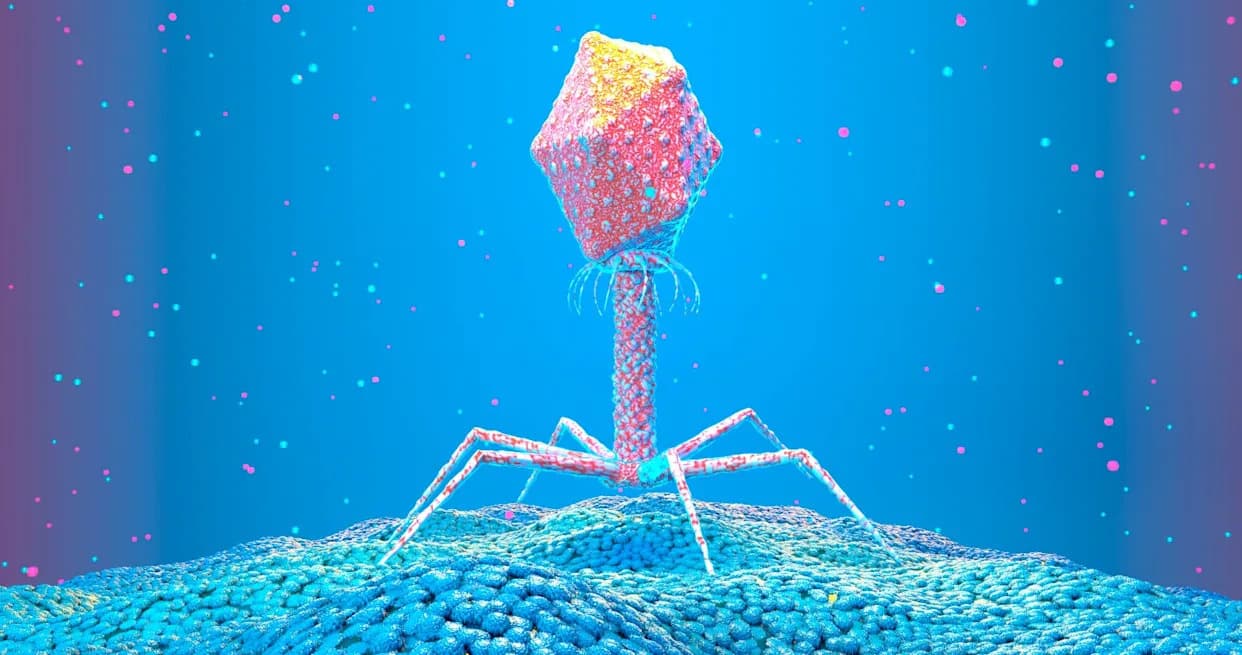
Faced with fewer host contacts, many T7 phages rapidly evolved novel ways to locate and attach to E. coli. The bacteria in turn altered surface features, including receptor changes, to resist viral attachment. In short, both sides shifted strategies: phages improved attachment efficiency while bacteria tweaked defenses.
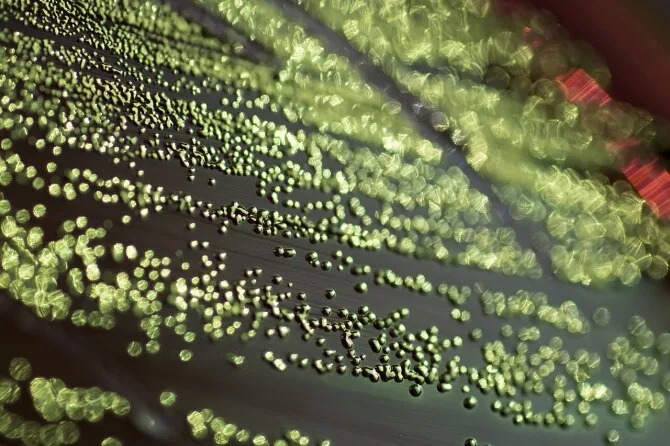
E. coli growing on Eosin methylene blue media.
Returned Samples and Practical Findings
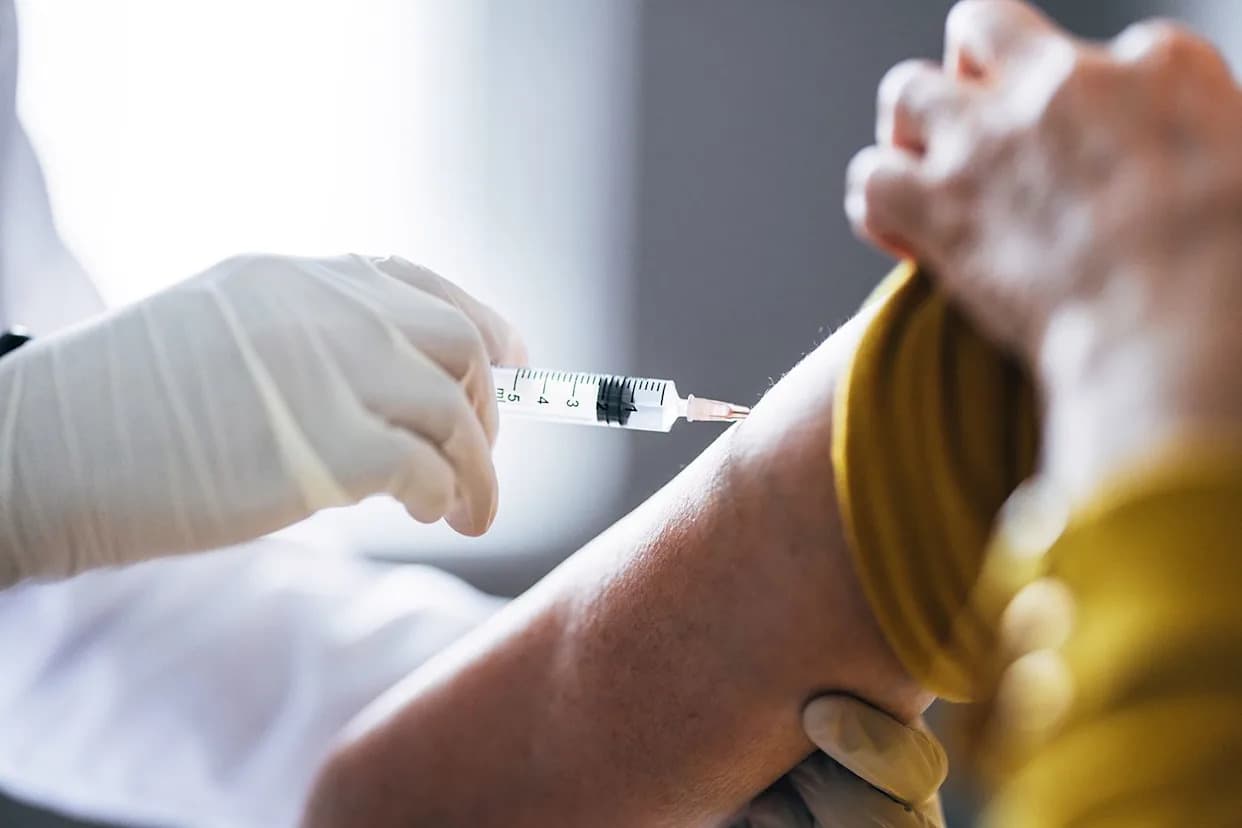
When the space-evolved cultures were returned to Earth and tested, some of the phages that had developed new attachment mechanisms were actually better at targeting the strains that cause urinary tract infections. That result suggests microgravity-driven evolution could inspire or improve phage-based therapies.
"These results show how space can help us improve the activity of phage therapies," said Charlie Mo, assistant professor in the Department of Bacteriology at UW–Madison, who was not involved in the study.
Limitations and Future Directions
Despite the promise, deploying this approach at scale faces major hurdles. Launching biological samples into orbit and returning them safely without contamination is still costly and technically demanding. New methods for space-based manufacturing and secure sample recovery are under development; if access to space becomes cheaper and safer, microgravity experiments could open new paths for medical and biotechnological discoveries.
Study reported in PLOS Biology; research by University of Wisconsin–Madison and Rhodium Scientific. Image credit: Gene Drendel / Wikimedia Commons (image of E. coli on EMB media).
Help us improve.