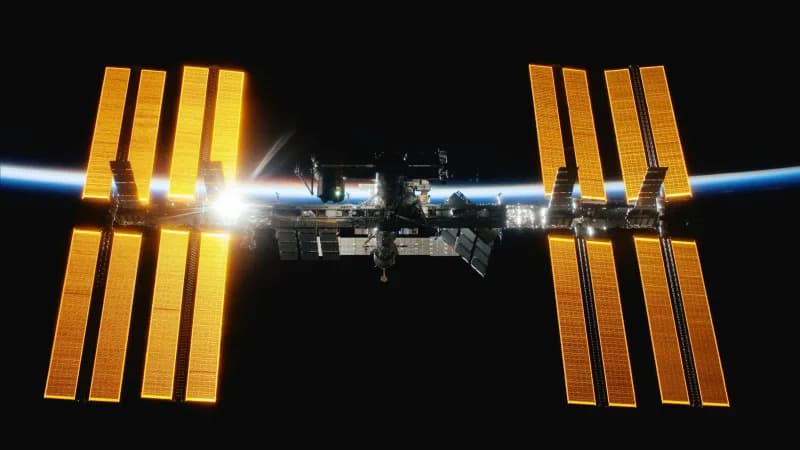
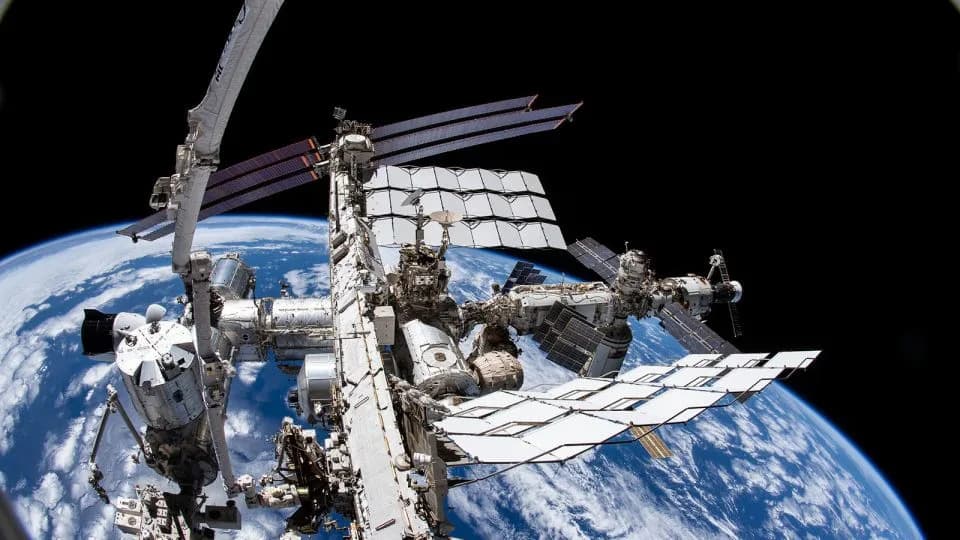
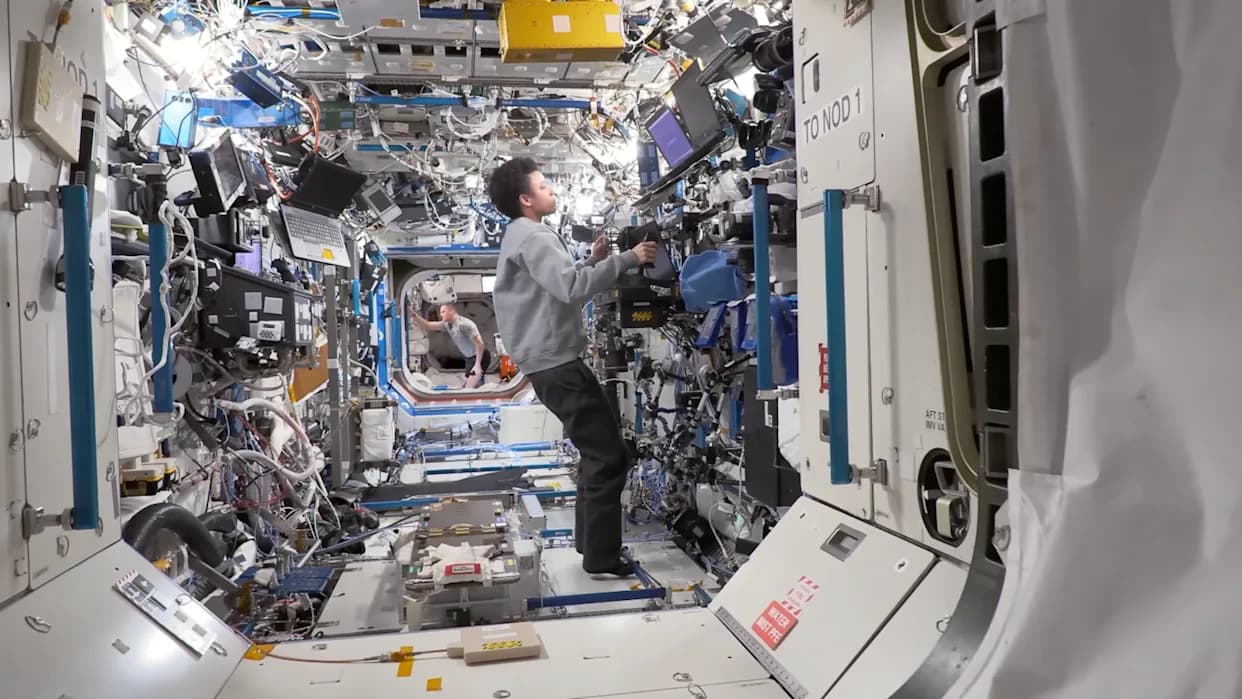
The ISS mission was cut short after a crew member fell ill, prompting the first reported medical evacuation from the station. While the ISS carries diagnostic tools, a broad pharmacy and crew trained in emergency procedures, it lacks advanced imaging and full surgical facilities. Crew members rely heavily on ground-based telemedicine, and when major complications occur the default response is to return the patient to Earth. The evacuation decision reflects both the strengths and limits of in‑flight care.
First Ever ISS Medical Evacuation: What It Reveals About Medical Care in Space
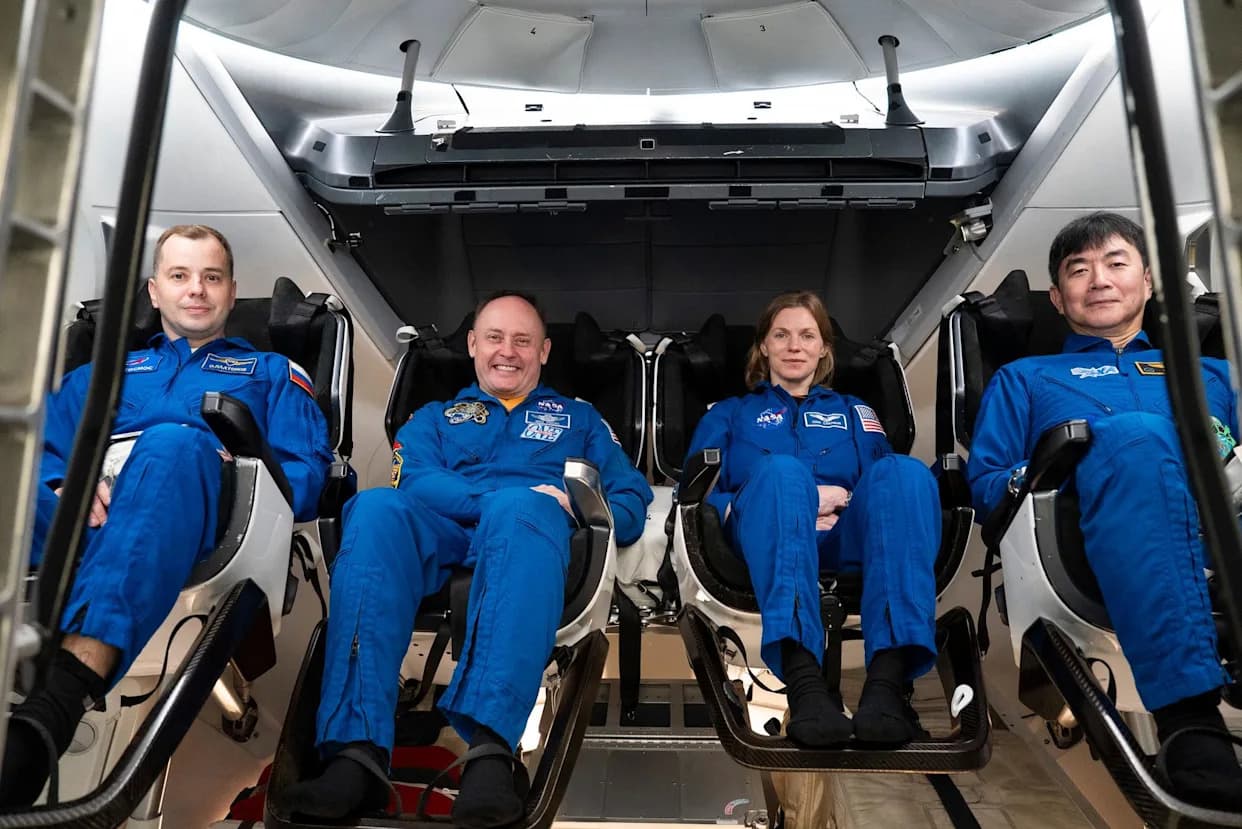
NASA announced an unprecedented decision to end an International Space Station (ISS) mission early after a crew member became ill. The move — widely reported as the first medical evacuation ordered for the ISS — has focused attention on how astronauts are screened, trained and supported when medical problems arise in low Earth orbit.
Onboard Medical Capabilities
The space station carries a range of diagnostic and treatment tools designed for remote care: ultrasound equipment, intravenous (IV) supplies, a defibrillator and an extensive pharmacy stocked with anesthetics, anti-nausea medicines, hydration fluids and antibiotics. Flight surgeons on the ground can guide crew members through procedures in real time, a system comparable to terrestrial telemedicine.
Training and Crew Skills
Astronauts undergo extensive medical screening and weeks of training with specialists in emergency medicine, dentistry and other fields before they fly. Non‑medical crew members learn practical skills such as placing IV lines, inserting urinary catheters, performing tracheostomies and delivering cardiopulmonary resuscitation (CPR) so they can respond if a professional medical team is not immediately available.
Microgravity Complicates Care
Performing routine procedures in microgravity requires adaptations. The ISS has a strap‑equipped stretcher to secure patients, and crew members practice techniques like doing CPR without gravity to anchor the rescuer. Body physiology also changes in orbit — fluids shift toward the head, some astronauts experience vision changes, and cardiovascular responses differ — making diagnosis and treatment more challenging.
Limits — And the Decision to Evacuate
Despite these preparations, the station cannot support full surgical suites or heavy imaging equipment such as magnetic resonance imaging (MRI). There is limited space and supply capacity for major, prolonged operations. As former ISS commander Andrew Feustel put it, for serious complications the fallback for a low‑Earth orbit outpost is to return the patient to Earth. That pragmatic reality helps explain why NASA's leadership opted to bring the Crew‑11 member home even though the patient was described as stable.
'We train and equip the crew to handle many contingencies, but the station is not a hospital,' says former astronaut Catherine Coleman. 'Close ground support and the ability to evacuate remain critical parts of crew medical planning.'
What This Means Going Forward
The incident underscores the importance of rigorous preflight screening, robust telemedicine infrastructure, and contingency planning for evacuation. As commercial missions and longer spaceflights expand, agencies and companies will continue to assess what medical capabilities must travel with crews and which conditions require a return to Earth.
Note: The decision to cut the mission short shows both the strengths and the limits of in‑flight medical care — skilled crews and remote medical support can manage many problems, but for major complications the safest option remains Earth-based treatment.
Help us improve.