Myanmar completed a three-stage national vote amid an ongoing civil war and widespread displacement. Major opposition parties were barred, turnout reported by the junta was well below pre-coup levels, and large areas did not hold polls. Observers say the election is unlikely to resolve Myanmar's humanitarian or political crises and appears aimed at strengthening the junta's domestic and regional standing.
Myanmar’s 'So-Called' Election: Ballot Held Amid War That May Cement Junta Rule
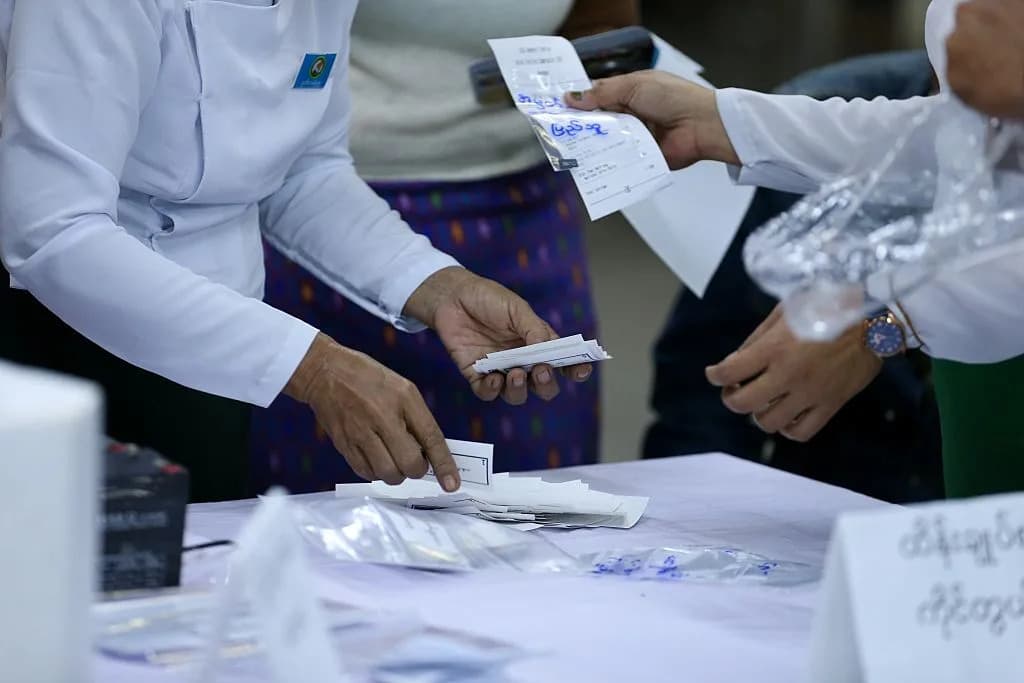
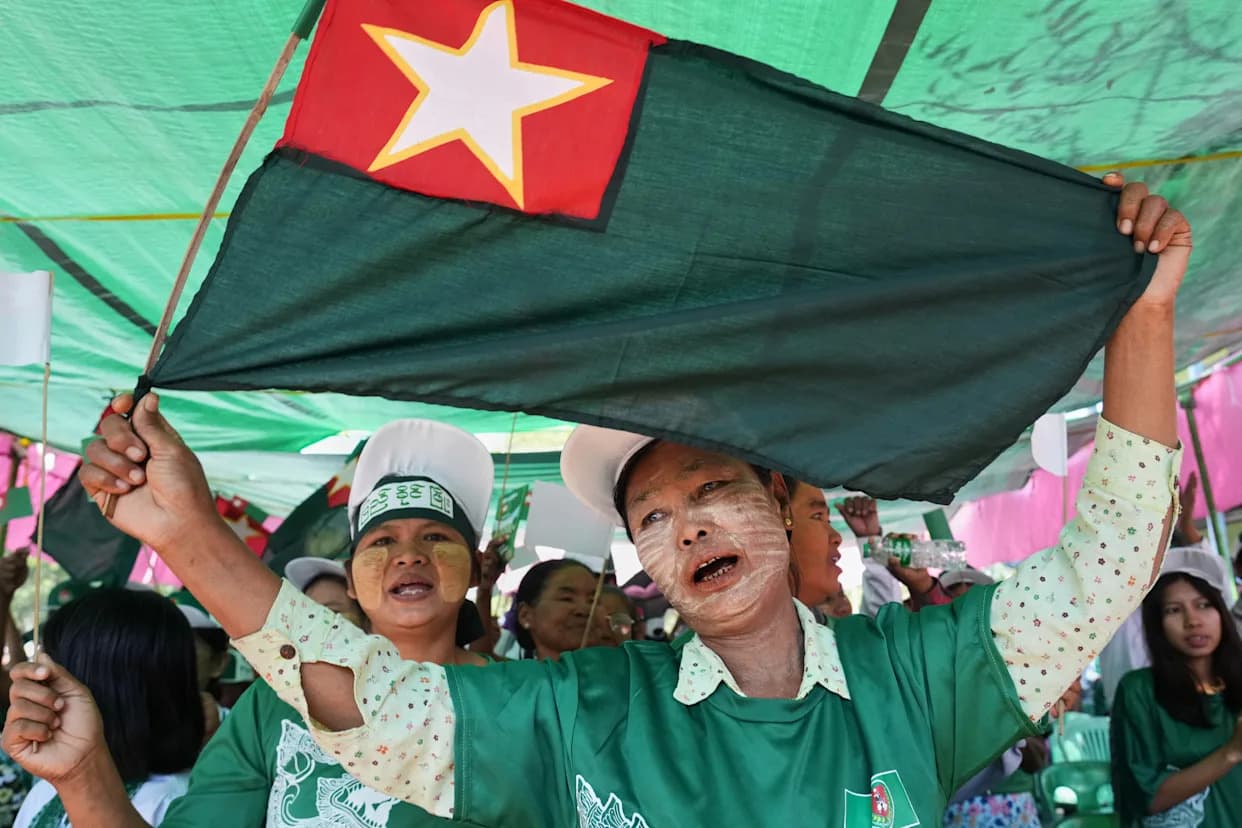
As Myanmar completed a three-stage national vote — its first since the February 2021 military takeover — much of the country remained engulfed in armed conflict, mass displacement and political repression. The military junta promoted the election as a return to democracy, but international observers and many Burmese have rejected the process as illegitimate.
Conflict, Displacement and a Fragmented Country
The post-coup crackdown drove hundreds to their deaths, tens of thousands into detention and millions from their homes. By mid-2021, nationwide resistance and ethnic armed organizations had pushed Myanmar into a civil war. Conflict monitors estimate heavy tolls: the Armed Conflict Location & Event Data Project (ACLED) puts war-related deaths at roughly 90,000, and the United Nations reports more than 3 million displaced. The junta introduced mandatory conscription in February 2024, sparking further flight from junta-held areas.
How the Vote Was Held
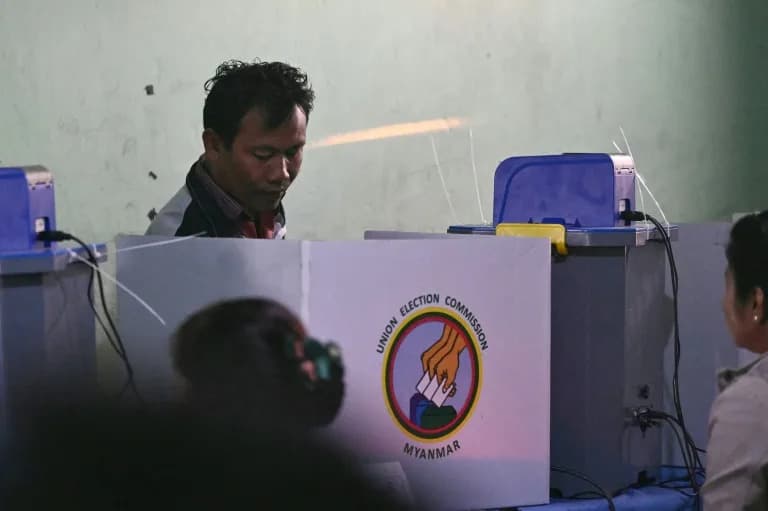
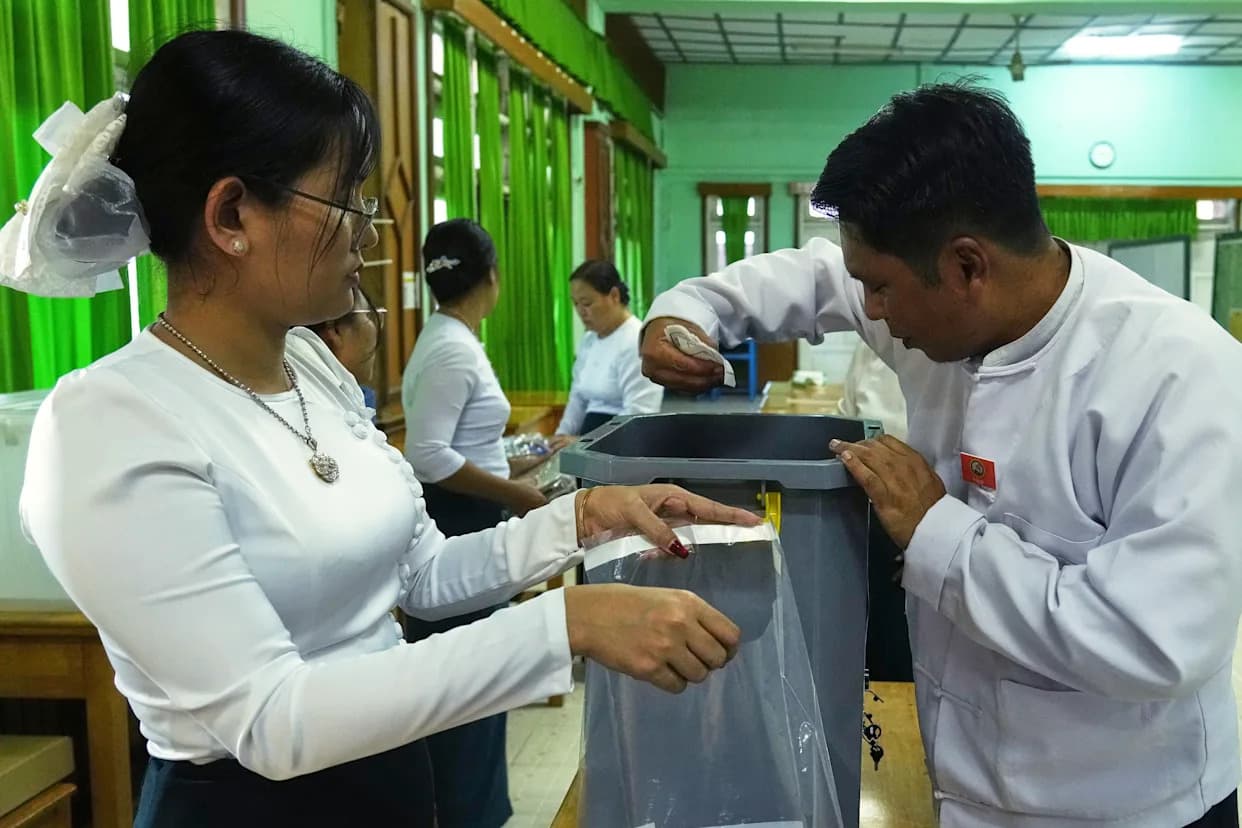
The election took place in three phases, with the junta reporting turnout of about 52% in phase one and 56% in phase two. Those figures are well below the roughly 70% turnout seen in Myanmar's 2015 and 2020 polls. Large swathes of the country did not hold polls: as of December 2024, the junta controlled an estimated 21% of territory while resistance groups and ethnic armed organizations held more than 40%. Fighting forced the cancellation of voting in multiple townships and villages, including areas of Kachin State.
Limits To Legitimacy
Major opposition parties were disqualified from participating and Aung San Suu Kyi — now serving a 33-year prison sentence on charges she denies — remained imprisoned. Under the 2008 constitution the military is guaranteed one-quarter of parliamentary seats, ensuring it retains decisive institutional power regardless of vote outcomes. The junta also passed a law criminalizing criticism of the election, with penalties ranging from multi-year prison terms up to the death penalty, further undermining free political expression.
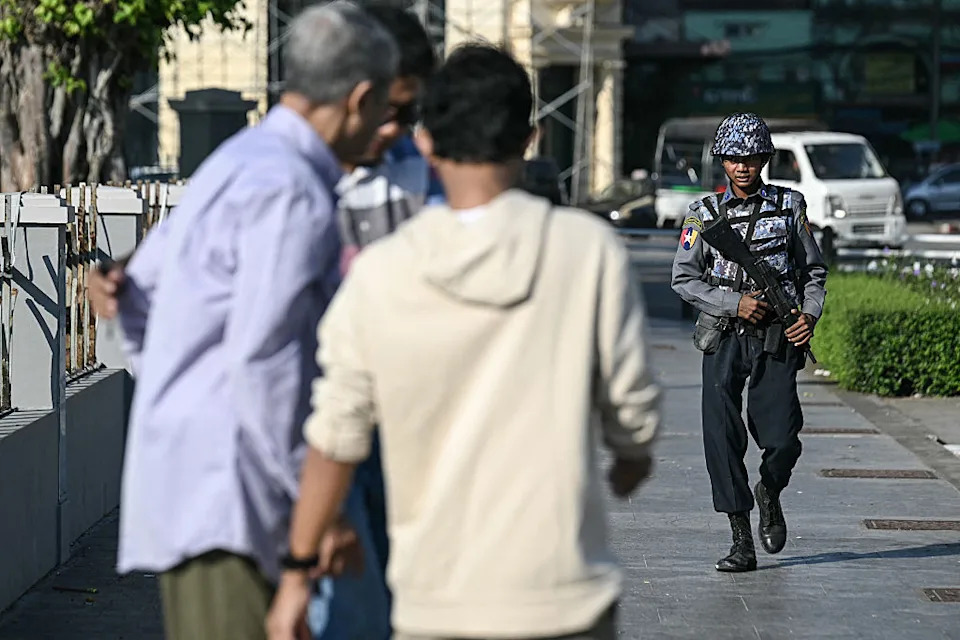
A police officer patrols a street during the first phase of Myanmar's general election in Yangon on Dec. 28, 2025.Lillian Suwanrumpha—AFP/Getty Images
Justice for Myanmar called the vote 'an attempt to prolong the junta’s relentless violence and entrench impunity.' U.N. special rapporteur Tom Andrews called the ballot a 'sham.'
International Response And Regional Dynamics
International institutions and many governments dismissed or refused to certify the election. ASEAN declined to recognize the process, and the U.N. and other observers criticized holding polls amid ongoing violence and repression. The generals are likely seeking improved optics and regional space: relationships with China, Russia, India and other regional actors could provide the diplomatic and economic lifelines the junta wants even if Western governments maintain sanctions.
Humanitarian And Economic Costs
The brief period of economic opening from 2011–2020 attracted foreign investment and reduced poverty; after the coup much investment withdrew, inflation surged and the kyat weakened sharply. Analysts say the election is not positioned to address the humanitarian crisis, the ongoing civil war, or Myanmar's fractured governance.
What The Vote Means
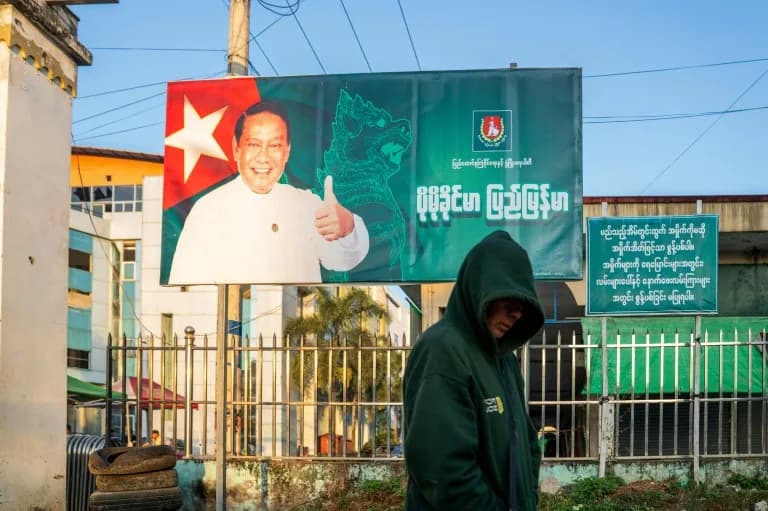
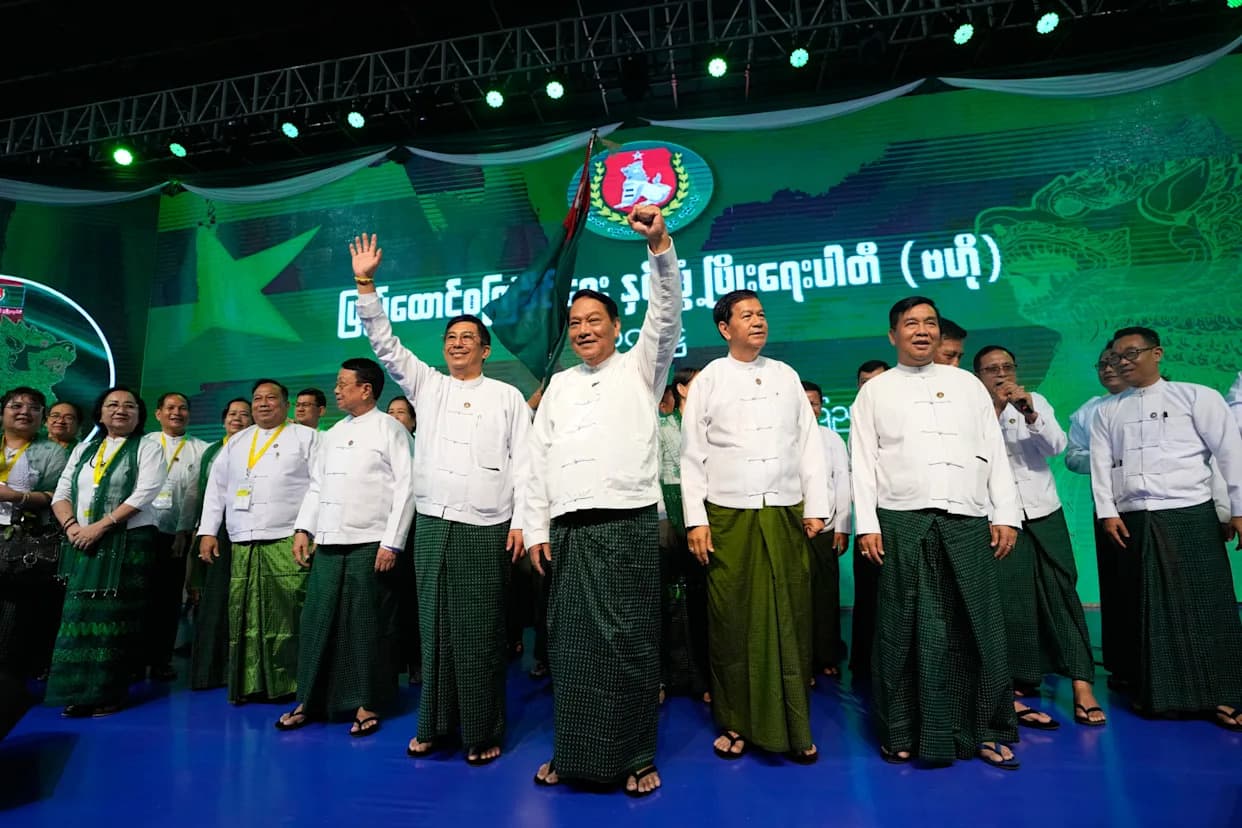
For many observers and ordinary Burmese living under war, the ballot is unlikely to bring relief or meaningful political change. The most immediate beneficiaries may be the junta itself: a domestic spectacle that the generals can cite to justify their rule internally, reassure rank-and-file forces, and bolster diplomatic engagement with select partners.
Contact us at letters@time.com.
Help us improve.