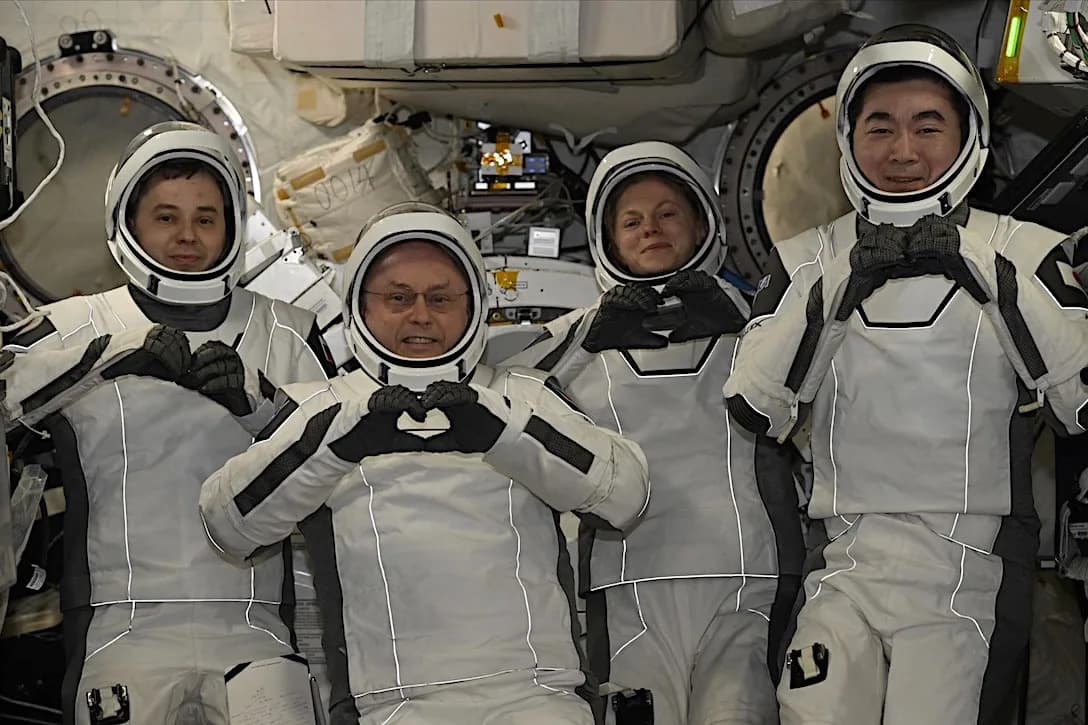
The Crew-11 mission returned early in January 2026 after a medical incident—the first expedited medical evacuation from the ISS in 25 years. Astronauts benefit from strict screening, onboard Crew Medical Officers, and telemedicine, which help keep serious emergencies rare. Common issues include skin problems, congestion, sleep loss, musculoskeletal injuries and SANS; exercise is essential but also a leading source of injury. As missions move farther from Earth, more autonomous, AI-enabled medical systems will be needed.
What the ISS’s First Medical Evacuation in 25 Years Reveals About Space Healthcare
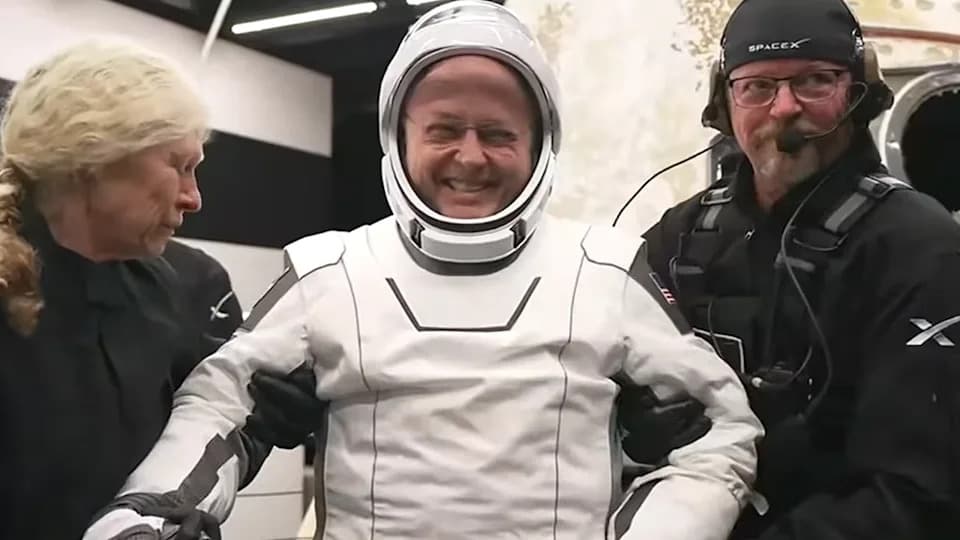
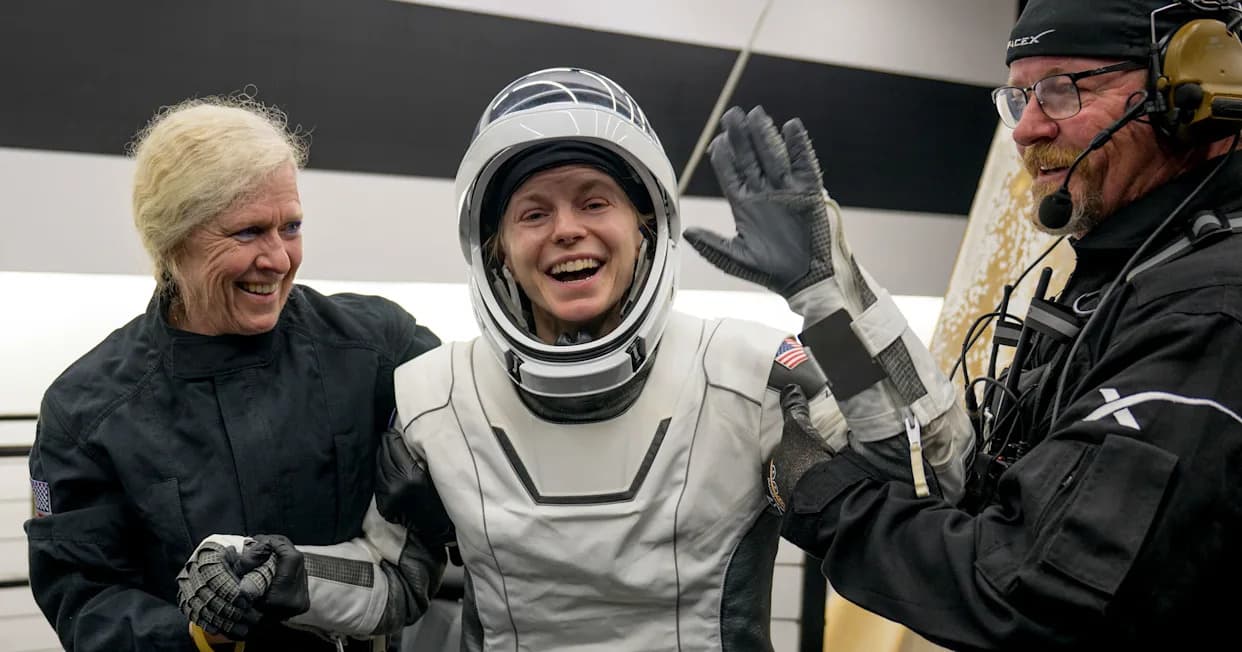
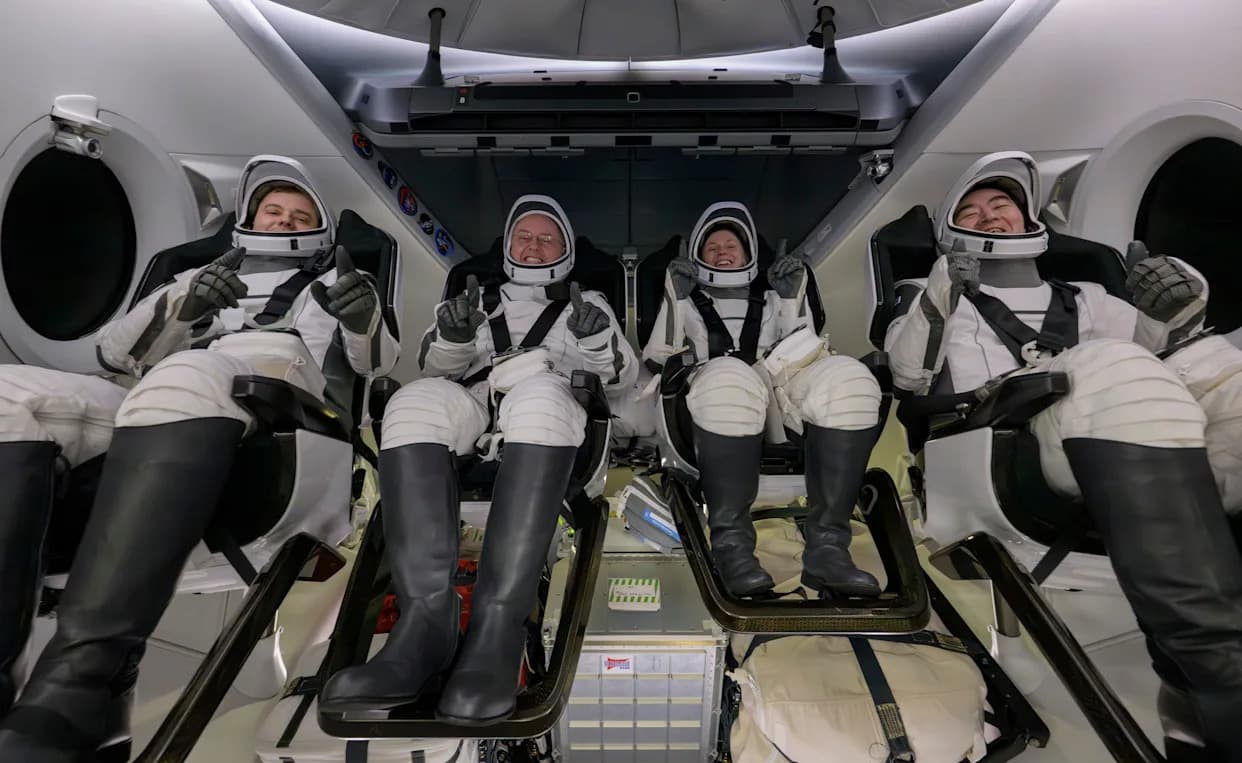
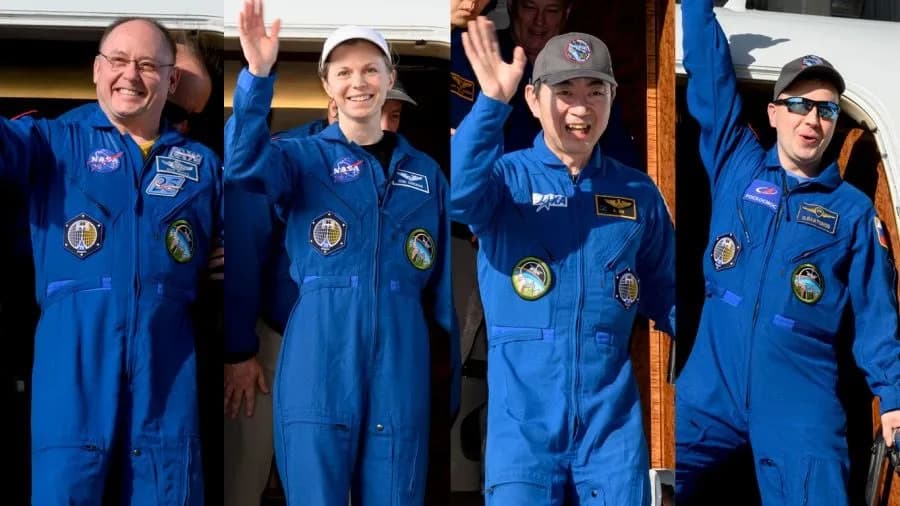
Astronaut Edward Michael "Mike" Fincke is helped up after a successful landing from the International Space Station. . | Credit: NASA/SpaceX
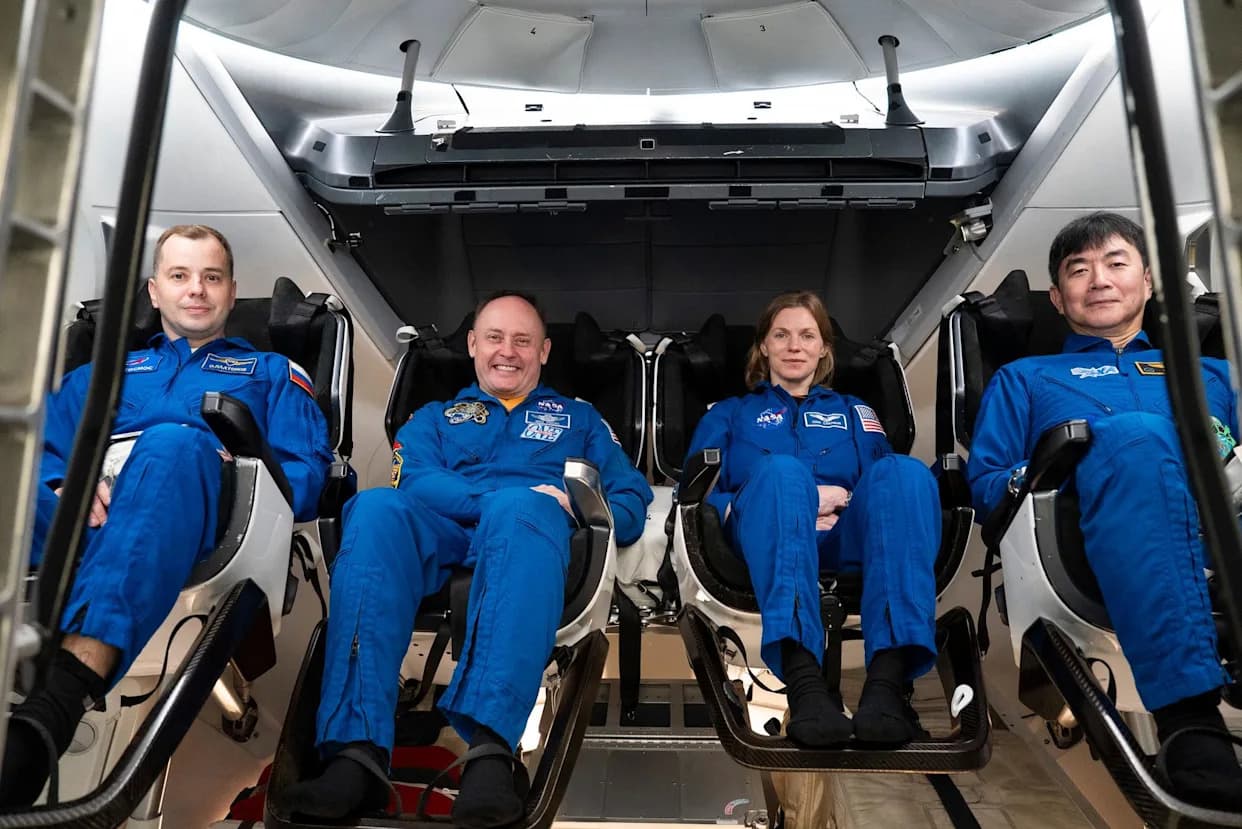
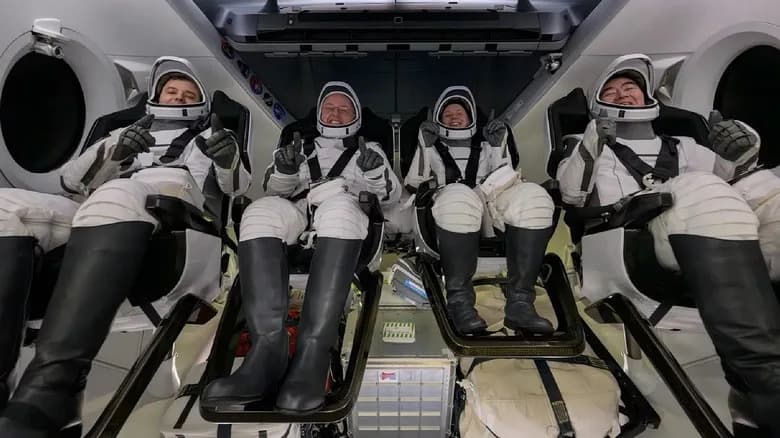
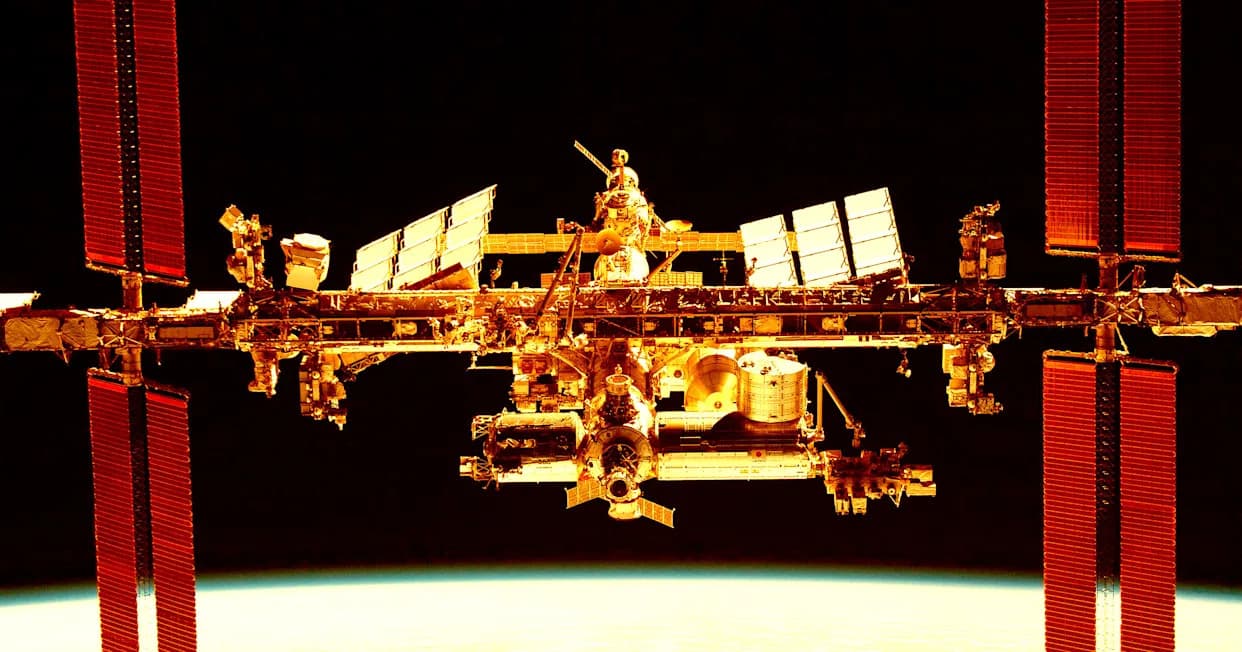
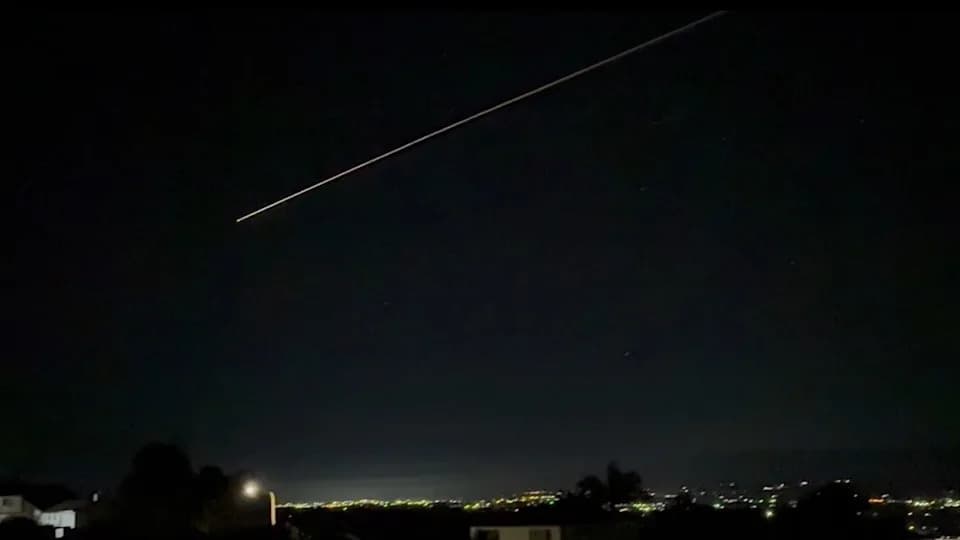
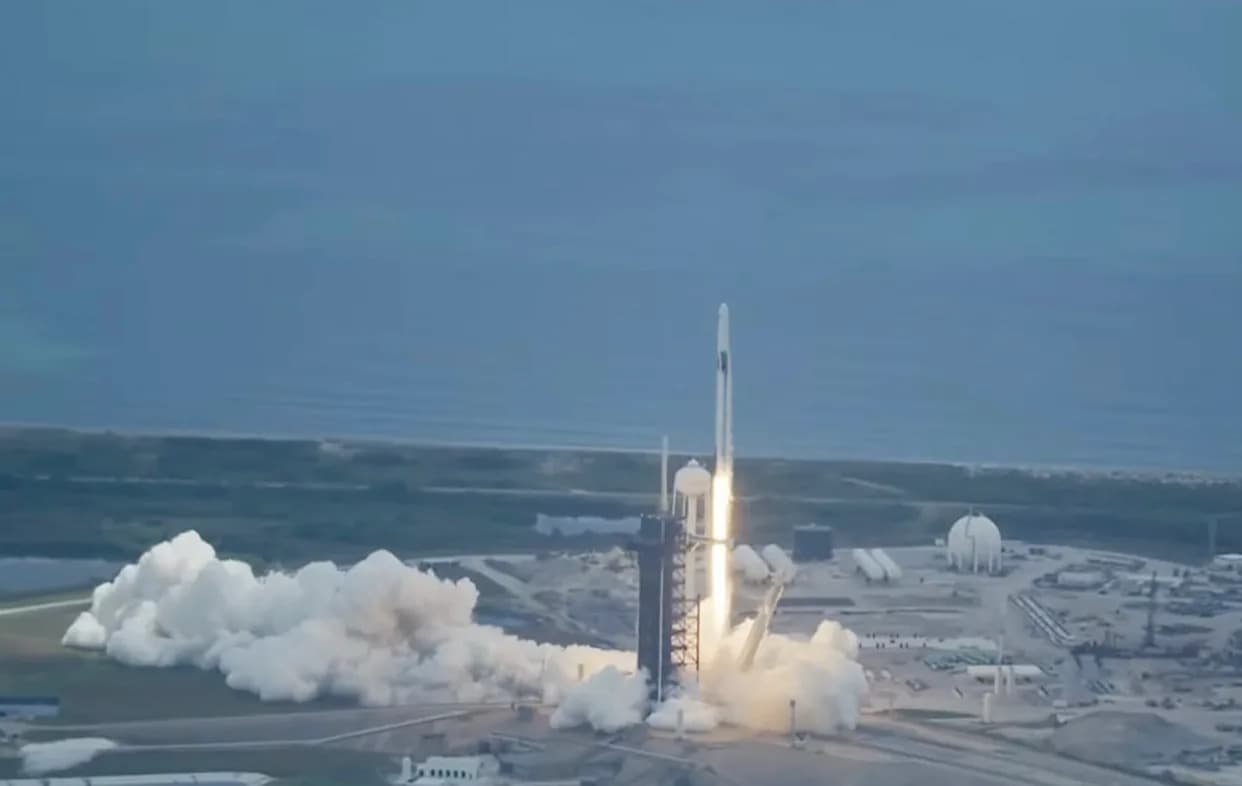
For the first time in 25 years of continuous crewed operations aboard the International Space Station (ISS), a crewmember was medically evacuated when the Crew-11 mission returned early in January 2026 aboard a SpaceX Dragon. To protect privacy, NASA has not released clinical details, and this review does not speculate about the specific condition. Instead, it examines how astronauts stay healthy in orbit and why an expedited return remains uncommon.
Rigorous Screening and Ongoing Monitoring
Astronaut candidates undergo extensive medical and psychological screening before selection and are continuously monitored during their careers to reduce in-flight risk. Models estimate a medical emergency aboard the ISS roughly every three years, yet serious events have been infrequent thanks to selection, training, and robust medical support systems.
Onboard Medical Care and Telemedicine
Every expedition carries a designated Crew Medical Officer—sometimes a physician, sometimes a crewmember with advanced medical training—who performs basic exams, dispenses medications, and coordinates telemedicine consultations with specialists on Earth. Routine health management and many acute issues are handled in orbit using this combination of onboard capability and ground-based expertise.
Common Health Complaints in Microgravity
Medication use on the ISS is relatively low: a 2015 study estimated about ten doses of over-the-counter medication per astronaut per week, mostly for manageable complaints. Frequently reported problems include:
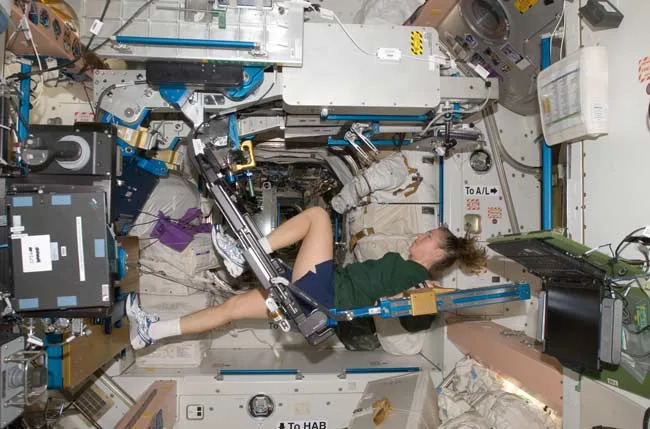
Astronaut Sandra Magnus, Expedition 18 flight engineer, exercises on the advanced Resistive Exercise Device (aRED) in the Unity node of the International Space Station. | Credit: NASA
- Skin Conditions: Dermatoses (dry skin, rashes, allergic-type reactions and slower wound healing) occur at much higher rates than on Earth, exacerbated by the station’s cold, dry, low-humidity environment and limited hygiene options during long missions.
- Congestion and Headaches: Fluid shifts toward the head in microgravity cause the so-called "space sniffles," with nasal congestion, puffy faces, headaches, reduced appetite and disturbed sleep.
- Sleep Disruption: With about 16 sunrises and sunsets each 24 hours and environmental stressors like equipment noise and reduced privacy, astronauts typically lose one to two hours of sleep per night compared with Earth.
- Musculoskeletal Injuries: Despite being the main countermeasure against bone and muscle loss, exercise also accounts for many onboard injuries. A NASA study catalogued 219 in-flight injuries across the U.S. program (~0.02 injuries per flight day), with hand injuries from routine tasks most common.
Exercise: Essential But Risky
Astronauts exercise roughly two hours daily to fight bone and muscle loss and cardiovascular deconditioning. In microgravity bones can lose about 1% of density per month in weight-bearing regions (legs, hips, spine). Extravehicular activities (spacewalks) carry their own risks; the same study found about 0.26 injuries per EVA, often related to suit hardware and mobility challenges.
Conditions Unique to Space
Spaceflight-Associated Neuro-ocular Syndrome (SANS) affects many astronauts on long missions—estimates of incidence vary, and some studies report effects in up to 70% of long-duration crewmembers—where headward fluid shifts alter ocular structure and can produce lasting vision changes.
Telemedicine in Action
A notable example of remote care occurred in 2020 when a jugular venous clot was detected incidentally during ultrasound. The astronaut was asymptomatic; clinicians on Earth guided anticoagulant treatment and remote ultrasound monitoring over roughly 90 days, with medications delivered by resupply and the crewmember completing their mission without lasting health consequences. This case demonstrates the power and limitations of telemedicine in orbit.
Preparing for Deep Space
The Crew-11 evacuation underscores that agencies prioritize crew safety and will evacuate when Earth-based care is judged necessary. As missions extend beyond low Earth orbit—where rapid return isn’t possible—plans for Earth-Independent Medical Operations must evolve. These systems may include advanced training for crew, improved diagnostics, point-of-care therapeutics, autonomous decision support, and AI-assisted tools to help onboard medical officers.
Conclusion
That an expedited medical return from the ISS is so rare reflects the maturity of current space medicine practices. Still, space remains a hostile environment for human biology: ongoing research, better countermeasures, and more autonomous medical capabilities will be essential for the next era of exploration.
Help us improve.