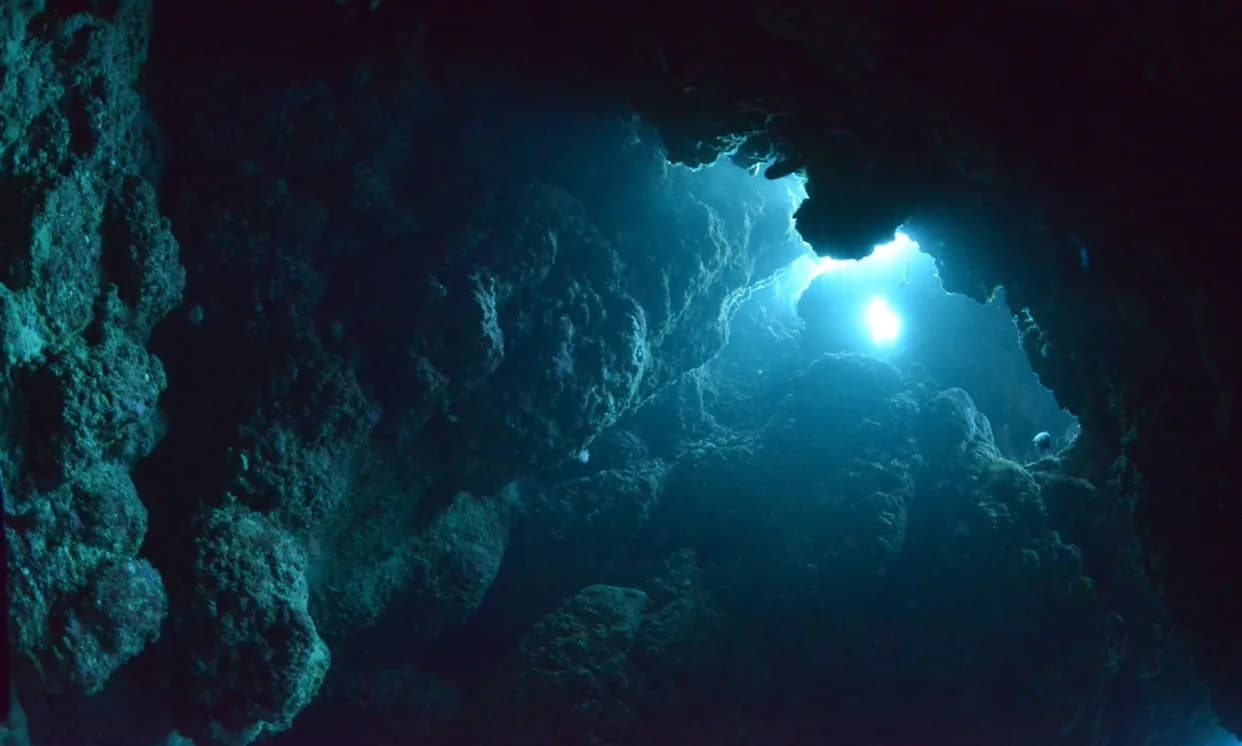
Researchers recovered 13 autonomous reef monitoring structures (ARMS) installed off Guam in 2018 and collected about 2,000 specimens. Of these, 20 were new to science and roughly 100 represented new regional records. Three years of temperature data from the mesophotic 'twilight zone' (≈100–3,300 ft) show steady warming, reinforcing calls to extend marine protections deeper than coastal reefs.
Scientists Recover 'Underwater Hotels' Off Guam — 20 New Species Found in the Twilight Zone
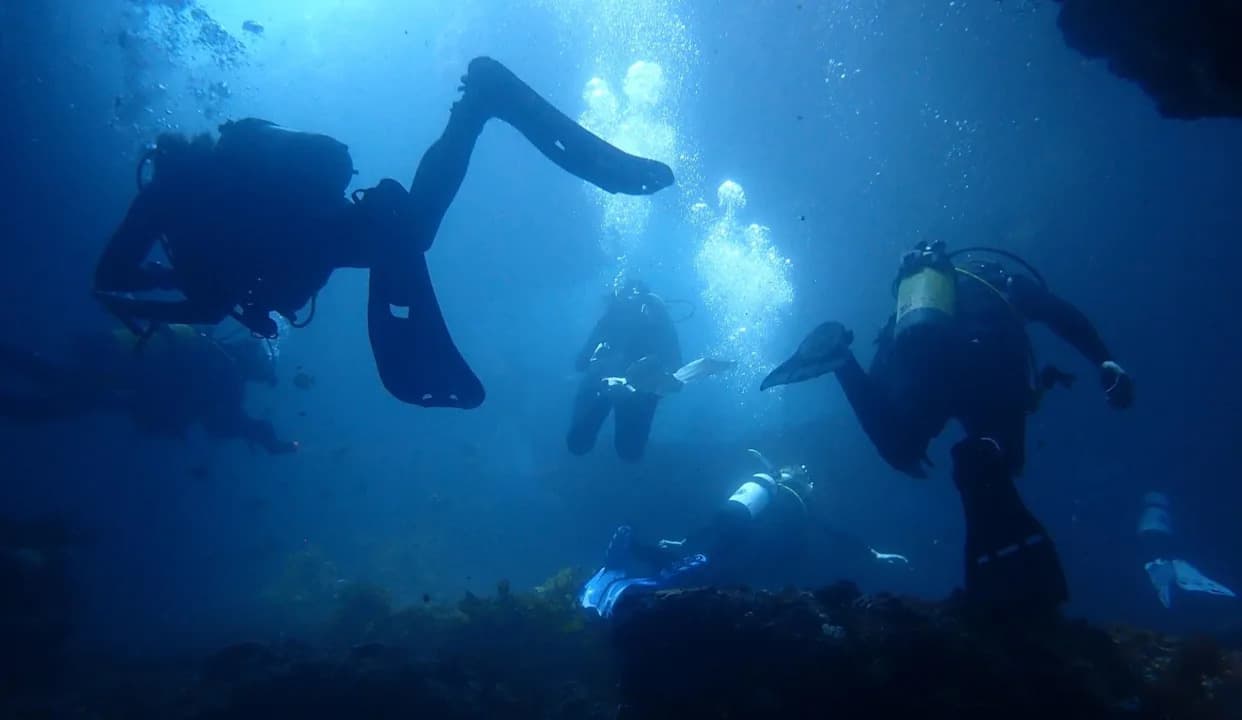
Photo Credit: iStock
Autonomous reef monitoring structures (ARMS)—nicknamed “underwater hotels”—deployed on Guam's coral reefs in 2018 have been retrieved, revealing a surprising diversity of life in the mesophotic or "twilight" zone. Researchers who recovered 13 ARMS report roughly 2,000 specimens, including 20 species new to science and about 100 species not previously recorded in the region.
What the ARMS Revealed
ARMS are compact artificial-reef units made from stacked PVC plates that provide habitat for small, cryptic organisms. Left in place for several years, they mimic natural reef surfaces and allow scientists to sample species that are difficult to observe on open reefs.
When the team retrieved 13 devices that had been in place for about seven years, they found a remarkable assortment of animals. Among the discoveries were a polka-dotted baby octopus, a yellow-spotted sea slug, an orange cardinalfish and many other brightly colored or unusually shaped creatures.
Temperature Trends From the Twilight Zone
The ARMS also recorded three years of continuous temperature data from the upper mesophotic zone, a band of ocean extending roughly 100–3,300 feet below the surface. That dataset indicates steady warming over the monitoring period, a trend the authors link to human pressures such as warming oceans, pollution, and fishing impacts.
Why This Matters
Scientists emphasize that marine protected areas and conservation strategies have traditionally focused on shallow, coastal reefs, leaving deeper mesophotic habitats less protected. These new findings underscore both the biodiversity and vulnerability of deeper reef zones and support arguments for expanding protection and monitoring efforts beyond near-surface areas.
Robert Lasley Jr., curator of crustacea at the University of Guam, said, 'Our findings highlight the complexity and richness of mesophotic ecosystems and underscore their need for protection.'
Luiz Rocha, ichthyology curator at the California Academy of Sciences, added, 'Most marine protected areas only cover shallow reefs, pushing human-driven pressures towards deeper waters. Our goal is to show just how beautiful, unique, and valuable these ecosystems are so we can safeguard them before it's too late.'
Beyond new species descriptions, the study demonstrates the value of long-term, low-cost monitoring devices like ARMS for sampling hard-to-study habitats and generating baseline data that can guide conservation planning.
Help us improve.