Researchers aboard the HOV Alvin discovered a largely undisturbed deep-sea coral reef in an unexplored part of the Galápagos marine reserve at about 600 meters depth. The reef shows over 50% live coral in many places and is home to species such as pink octopus, batfish, squat lobsters, and a variety of fish, sharks and rays. The finding—part of the Galapagos Deep 2023 project—offers hope that some deep-water reefs may withstand rising surface temperatures and supports calls for expanded marine protection.
Pristine Deep-Sea Coral Reef Discovered in the Galápagos — Teeming With Life

Photo Credit: iStock
Scientists exploring an uncharted area of the Galápagos marine reserve have discovered a remarkably healthy deep-sea coral reef, offering a hopeful sign for coral resilience as ocean temperatures rise.
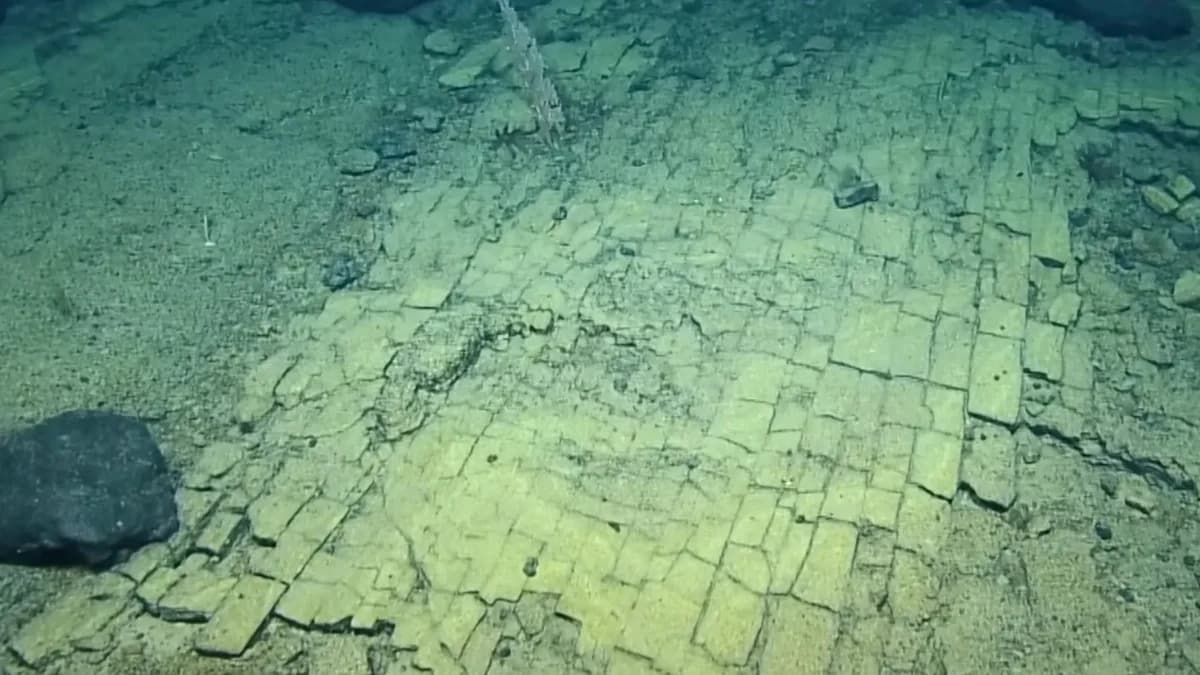
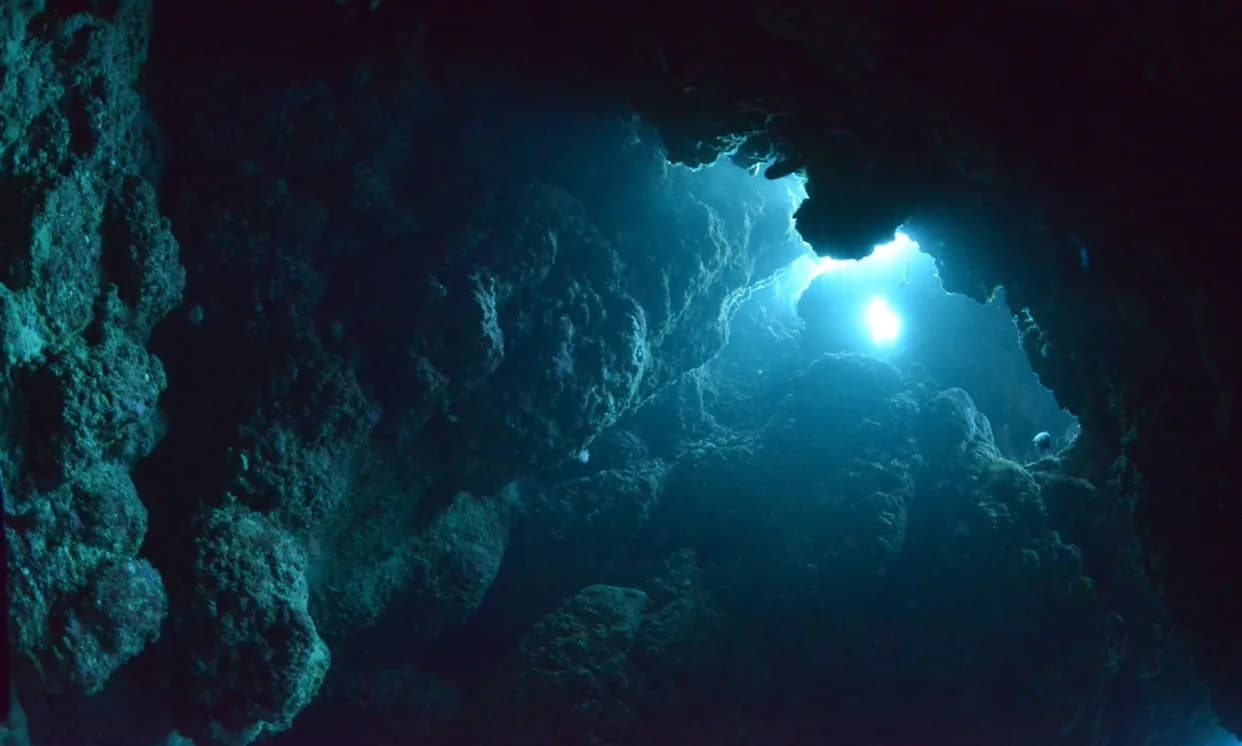
During the Galapagos Deep 2023 expedition, the human-occupied submersible HOV Alvin descended to roughly 600 meters (about 2,000 feet) and encountered an extensive, active reef that showed little or no evidence of human damage or pollution.
Expedition leaders Dr. Michelle Taylor and Dr. Stuart Banks used upgraded sampling tools and ultra-high-definition 4K imaging to document the site. In many locations the team recorded more than 50% live coral coverage and abundant fauna.
Vibrant Life on a Deep Reef
The reef is populated by a diverse community, including pink octopus, batfish, squat lobsters and a range of deep-sea fish, sharks and rays. Researchers estimate the formation could be hundreds of years old, and its pristine condition surprised members of the team.
“They are pristine and teeming with life — pink octopus, batfish, squat lobsters and an array of deep-sea fish, sharks and rays,” Dr. Taylor said.
Why This Matters
The discovery is significant because it suggests some deep-water coral habitats may be more resilient to surface warming and ocean acidification than previously thought. Before this find, Wellington Reef, off Darwin Island, was one of the few widely noted surviving reefs in the islands since the devastating 1982–83 El Niño.
El Niño is a recurring climate pattern that alters rainfall and raises ocean temperatures across the Pacific, placing stress on coral ecosystems. Located roughly 600 miles off Ecuador, the Galápagos marine region supports an estimated 2,900 species of marine plants and animals, making well-preserved reefs especially valuable for biodiversity and research.
Ecuador's environment minister, José Antonio Dávalos, called the discovery “encouraging news” and reiterated plans to pursue new marine protected areas. Dr. Taylor added that these reefs could be “potentially of global significance — a 'canary in the mine' for other reefs globally” and valuable sites for long-term monitoring of how pristine habitats respond to the climate crisis.
Further exploration and protection efforts may reveal additional deep-water reefs and help scientists better understand refuges for coral life in a changing ocean.
Help us improve.