A recent high-resolution geophysical survey has uncovered a previously unknown Roman villa lying just three feet beneath an undisturbed park in Margam, Wales. The mapped complex includes a defended enclosure roughly 141 by 180 feet, a large aisled building that may have been storage or a later meeting hall, and possible evidence of a bathhouse. The park's lack of prior cultivation suggests exceptional preservation, but no excavations are planned and the location remains confidential.
Undisturbed Roman Villa Discovered Three Feet Below a Park in Margam, Wales
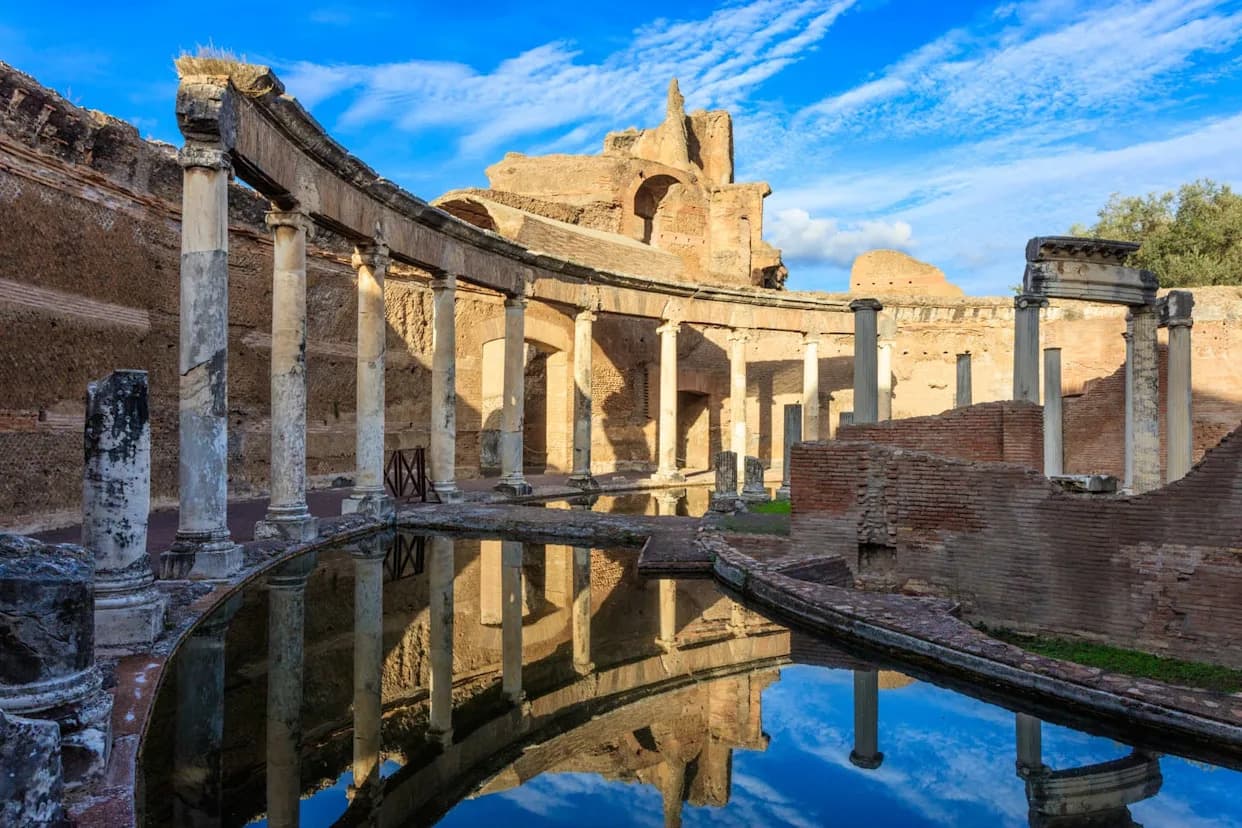
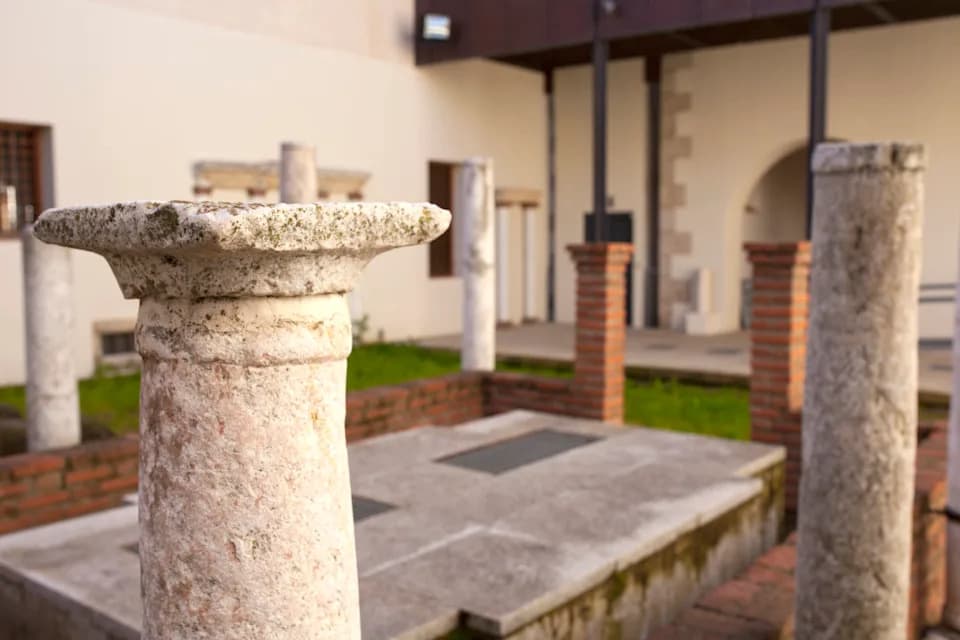
Archaeologists Found an Untouched Roman VillaKelly Cheng - Getty Images
Researchers have identified a previously unknown Roman villa lying just three feet beneath the surface of an undisturbed park in Margam, Wales, after conducting high-resolution geophysical surveys.
Survey Methods and Team
A collaborative team from Swansea University, Neath Port Talbot Council, Margam Abbey Church and Terradat used high-resolution magnetometry and ground-penetrating radar to map the buried complex in three dimensions. Technical director Christian Bird led efforts to integrate magnetometry and radar data, producing detailed maps of building footprints, surrounding ditches and the broader site layout.
What the Survey Revealed
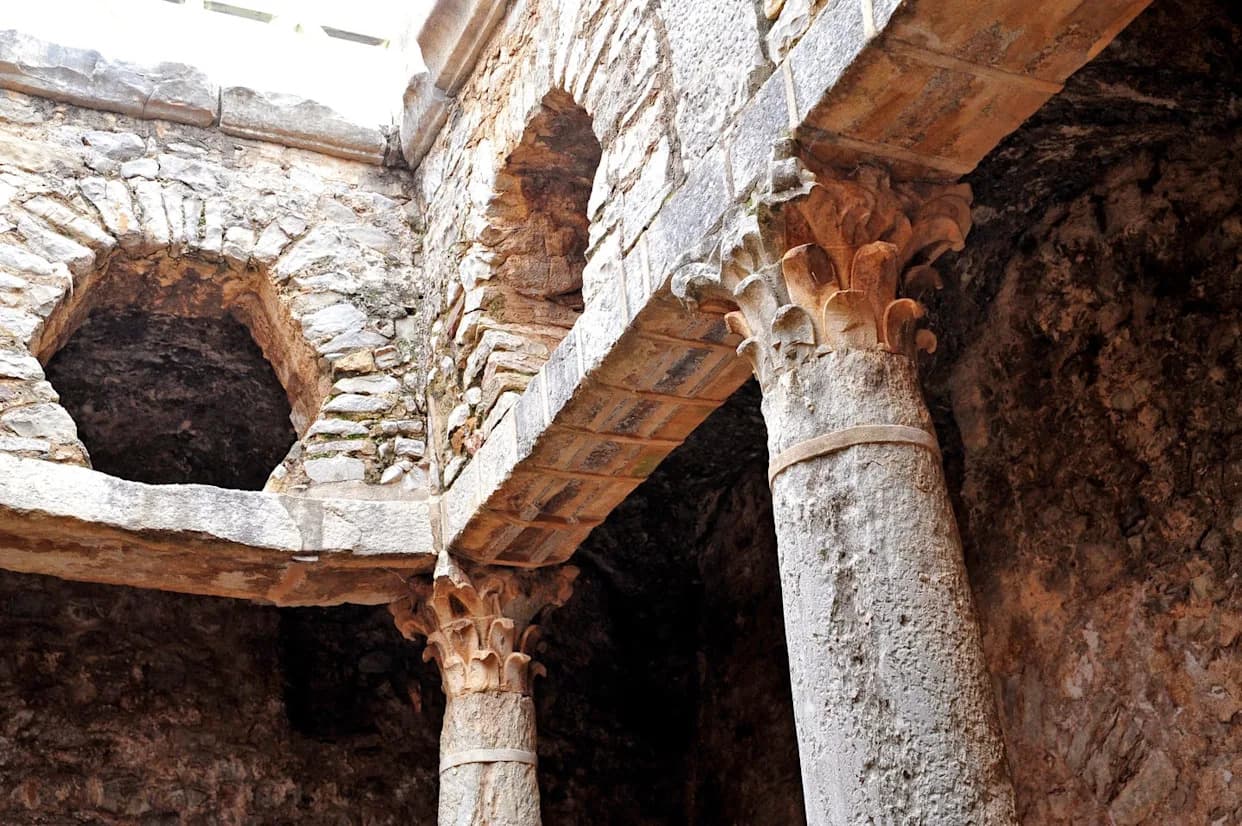
The principal structure sits inside a defended enclosure measuring roughly 141 feet by 180 feet. That enclosure could represent the remains of an earlier Iron Age settlement or reflect late-Roman instability, when communities sometimes fortified sites against raids from the west and east. To the southeast, the survey detected a substantial aisled building that may have served as a large agricultural store or, in a later phase, as a meeting hall for post-Roman inhabitants. The geophysical data also hint at the possible presence of a bathhouse.
Because the park area above these remains has never been cultivated or built upon, the buried structures are likely to be exceptionally well preserved—offering an unusually intact window into Romano-British activity in south Wales.
“This is an amazing discovery,” said Alex Langlands, associate professor and co-director of Swansea University’s Centre for Heritage Research and Training. “We always thought that we’d find something dating to the Romano-British period, but we never dreamed it would be so clearly articulated and with so much potential in terms of what it can tell us about the elusive first millennium C.E. here in South Wales.”
Langlands noted that Margam is already known for monuments spanning the Bronze Age, Iron Age (including a hill fort), medieval abbey ruins and a 19th-century castle, but the Romano-British period remained poorly understood until now. The team stresses that, because there has been no excavation, they are cautious about assigning precise dates, identifying builders, or explaining the reasons the site was abandoned. For now, the geophysical results allow researchers to form working hypotheses about the site's social, cultural and economic role across the first millennium.
The exact location of the remains is being kept confidential and there are no definitive plans for excavation at this time. Researchers say future targeted excavations and specialist analysis could reveal construction dates, function, and reasons for decline—if and when funding and permissions allow.
What this means: The discovery fills a notable gap in our understanding of Romano-British Margam and may reposition the area as a key center of power between the uplands of western Wales and the fertile vale to the east.
Help us improve.