Archaeologists in Lichtenau, Germany, have uncovered a medieval underground vault spanning more than 1,000 square feet beneath the town's main street, Lange Straße. Located close to Castle Lichtenau, the chamber may have been a storage cellar, an artisan workspace, the substructure of a larger building, or a refuge during feudal violence in the 14th–16th centuries. Researchers will date materials and test residues to determine the vault's age and original function. The accidental find highlights how many historical structures remain hidden beneath old towns.
700-Year-Old Underground Vault Discovered Beneath Lichtenau, Germany
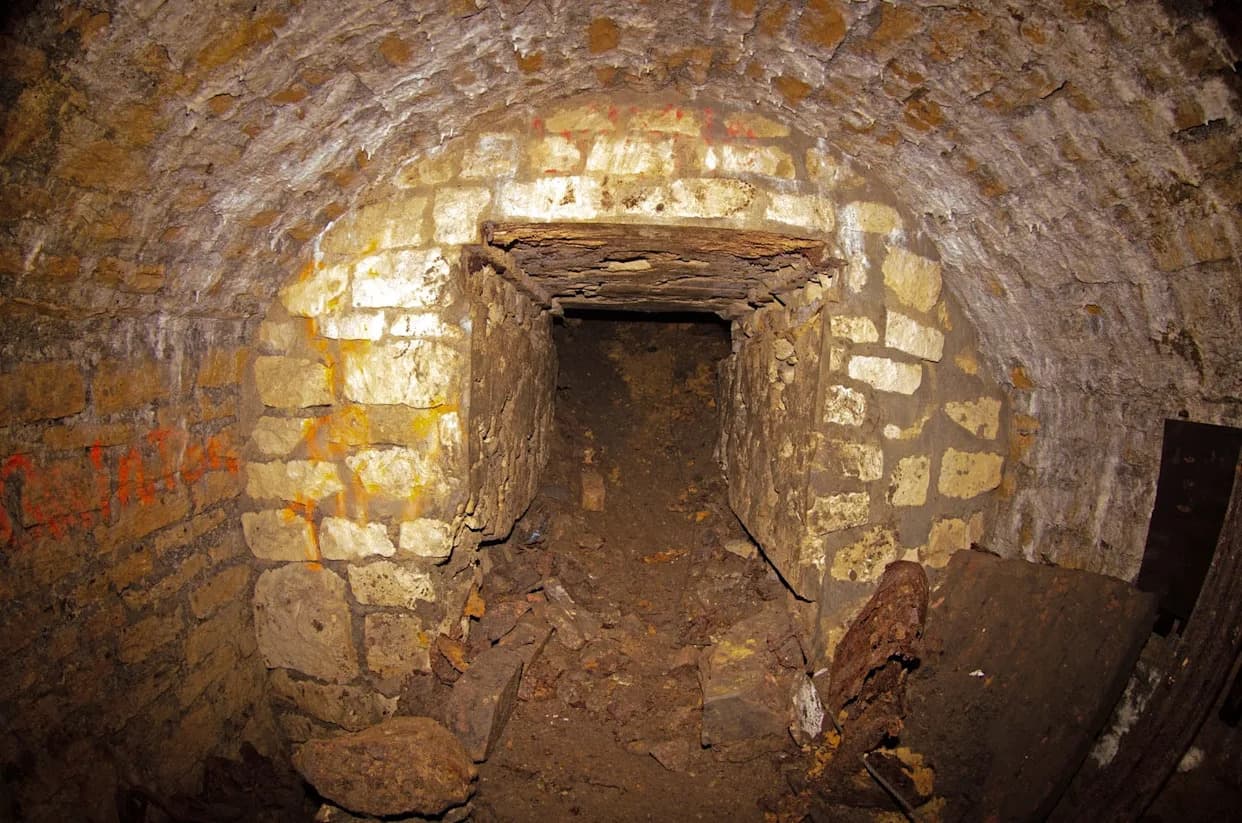
Archaeologists Found a Strange Underground VaultGary Chalker - Getty Images
Archaeologists working in the historic German market town of Lichtenau have uncovered a previously unknown subterranean medieval vault beneath the town center.
What Was Found
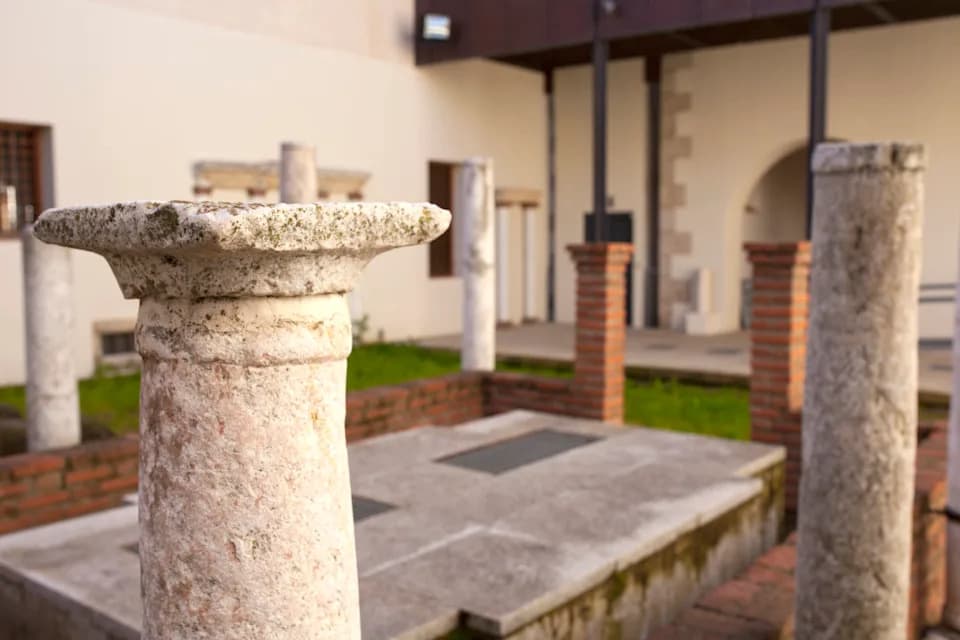
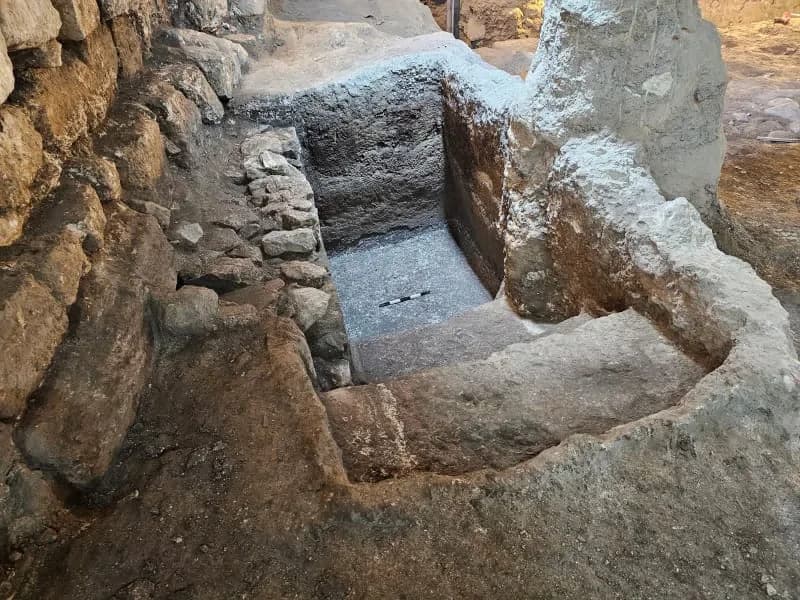
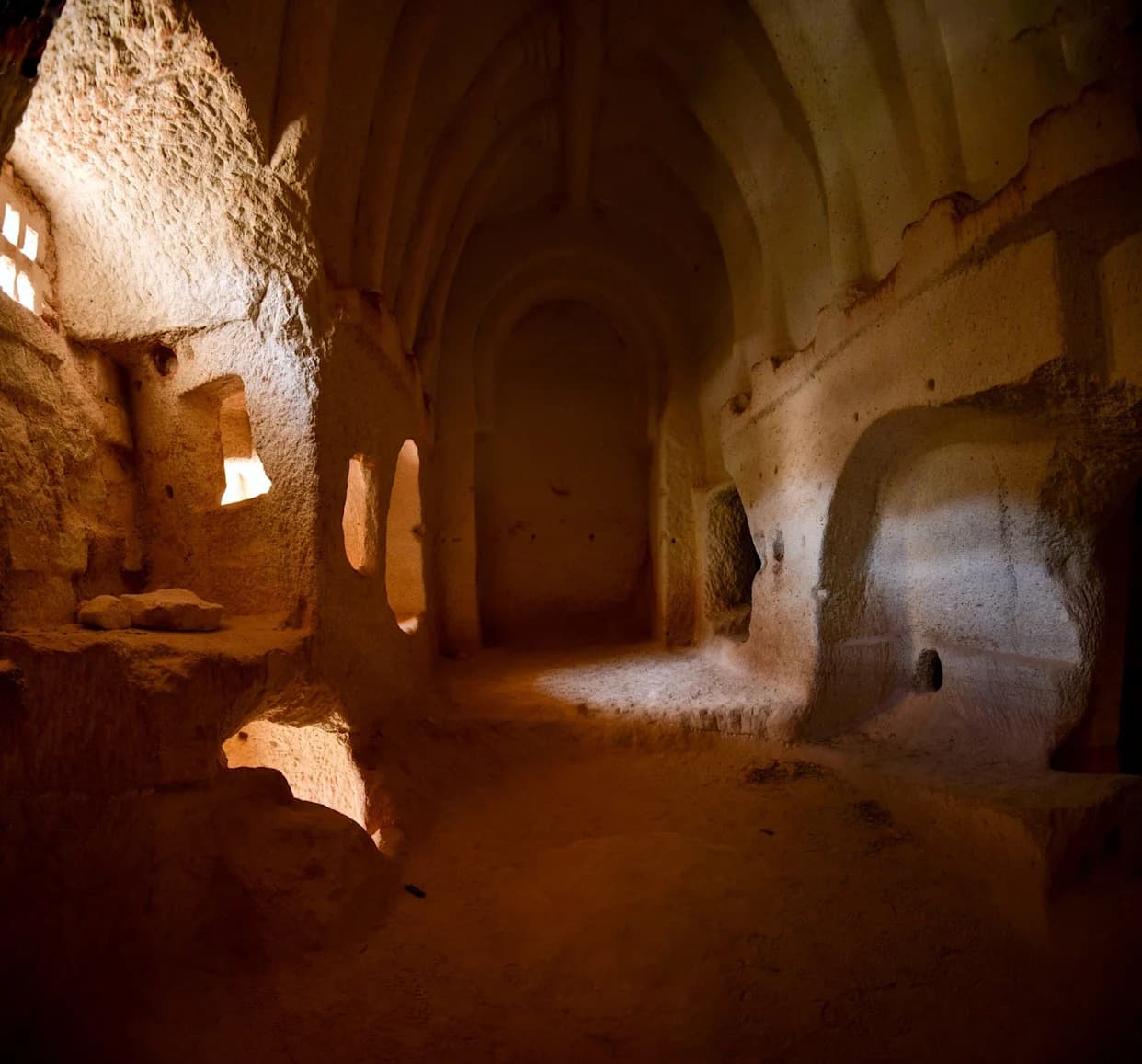
The chamber, located under Lange Straße near the fairytale turrets of Castle Lichtenau, covers more than 1,000 square feet and appears to date to the medieval period. The vault has survived for centuries beneath lawns and cobblestones; researchers have not yet determined who built it or its original purpose.
Possible Uses
Experts say several practical explanations are plausible. Medieval vaults commonly served as cool, stable storage cellars for food, wine and other goods. They could also have been workspaces for craftsmen whose materials required steady temperatures—materials that might melt, crack or spoil with fluctuating heat or humidity. Another possibility is that the chamber was the substructure of a larger building whose upper levels were lost over time.
Refuge During Feuds
Beyond economic uses, the vault might have functioned as a shelter during periods of local violence. From roughly 1350 to 1550, late medieval Germany experienced violent feuds among feudal lords; communities sometimes sought refuge from raids, arson and other brutal reprisals.
“Since you are the enemy of my lord and his land and people, I warn you that you should keep your women within the town in order that they do not go out and bring in the harvest; if they do, they (will) be taken, captured, and raped as it is customary to inflict upon one’s enemies; do not say or write that you have not been warned.”
The historian Tristan Sharp includes this warning—sent by Lutter Quade, a cavalry captain acting on behalf of the Archbishop of Cologne—as an example of the threats civilians faced during feuds.
Next Steps
Archaeologists plan to date building materials and analyze residues on the vault’s floors and walls to determine whether it was used for food storage, artisan production, or another purpose. Linking construction dates and material evidence to historical records could also clarify whether the vault was associated with known local conflicts or economic activity.
Why It Matters
This accidental discovery is a reminder of how many hidden structures and artifacts may lie beneath historic towns. Finds like this enrich our understanding of medieval urban life and the ways communities adapted to economic needs and threats.
Help us improve.