Researchers at Dartmouth College identified the 5-HT1B serotonin receptor as a contributor to psilocybin’s longer-lasting antidepressant effects in mice. Using genetic deletion, adult receptor blockade and acute pharmacological antagonists, the team showed 5-HT1B influences durable mood-related outcomes, though activating it alone did not reproduce psilocybin’s full effects. Some behavioral benefits differed by sex. The findings point to a potential route for non‑hallucinogenic therapies, but human studies are needed.
Separating Psilocybin’s Antidepressant Power From Hallucinations: 5‑HT1B Emerges As A Promising Target

Lead image: Fotema / Shutterstock(Nautilus)
Psilocybin—the active psychedelic compound in certain “magic” mushrooms—has produced durable antidepressant and anxiolytic effects in clinical trials, sometimes from only one or two doses. However, the perceptual changes and hallucinations associated with psilocybin limit its use for some patients (for example, those with psychosis risk) and increase the cost and logistical complexity of treatment because supervised sessions are typically required.
New Work Points to a Different Serotonin Receptor
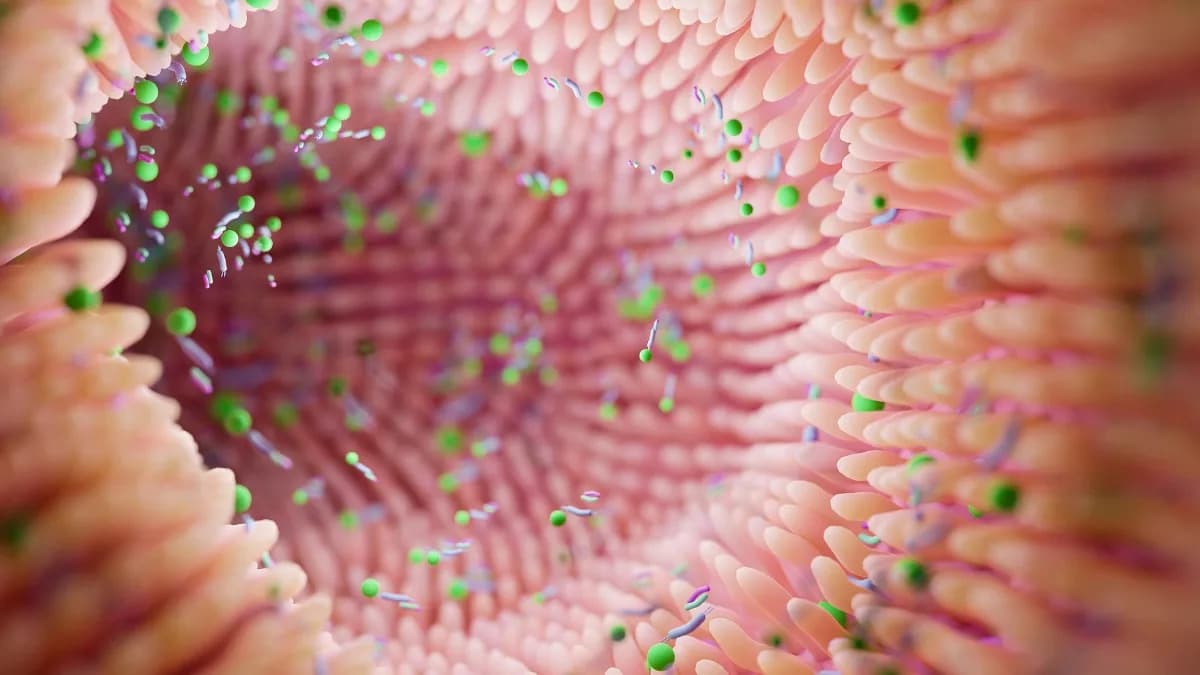
Researchers at Dartmouth College report in Molecular Psychiatry that a different serotonin receptor, 5-HT1B, may contribute to psilocybin’s longer-lasting mood benefits. The team, led by Sixtine Fleury and Katherine Nautiyal, note that while the 5-HT2A receptor is most closely tied to the acute hallucinogenic effects, psilocin (psilocybin’s active metabolite) binds to multiple serotonin receptors across the brain, any of which could play a role in therapeutic outcomes.
How The Study Was Done
To investigate, the researchers used mice and disrupted 5-HT1B signaling in three complementary ways: genetically deleting the receptor, blocking it in adulthood after normal development, and giving pharmacological antagonists immediately before psilocybin administration. They then combined brain imaging and network analysis with behavioral tests—including maze navigation, open-field exploration and latency-to-eat in a bright, stressful arena—to assess immediate and longer-term effects.
Key Findings
The experiments showed that 5-HT1B signaling meaningfully influenced psilocybin’s longer-lasting, mood-relevant effects in mice. Activating 5-HT1B by itself did not reproduce the full therapeutic profile of psilocybin, indicating that durable mood benefits likely arise from coordinated action across multiple receptors. The team also observed sex-dependent differences in some behavioral outcomes—one stress-related benefit was stronger in females, while another effect occurred in both sexes—underscoring biological variability in responses.
“These substances have the potential to open new avenues for clinical therapy and therapeutic drugs,” Fleury commented. “It’s important to find better treatments that are more efficient and more effective for people, but it’s also important that we have a safe way to do that.”
Implications And Caveats
The findings suggest 5-HT1B could be a promising target for developing interventions that retain psilocybin-like antidepressant effects while minimizing hallucinatory risk. However, these results are preclinical: mice are a useful model but do not replicate the full complexity of human experience or psychiatric illness. Translating this work into safe, effective human treatments will require additional mechanistic studies, careful dosing and safety testing, and clinical trials that evaluate efficacy and side-effect profiles across diverse patient groups.
Overall, the study provides an encouraging step toward treatments that could expand access to rapid, durable mood benefits without necessitating intense psychedelic experiences or specialized supervision—but significant research remains before such therapies could reach clinical use.
Help us improve.