This study shows that alpha-frequency oscillations in the parietal cortex regulate the brain’s temporal binding window (TBW), which determines whether visual and tactile events are experienced as part of the self. Faster alpha rhythms narrow the TBW and increase sensitivity to asynchronies, while slower alpha widens it. Researchers combined EEG in 106 participants, the rubber hand illusion, and non-invasive modulation of alpha to demonstrate both correlation and causality. Findings could inform treatments for schizophrenia and improve prosthetic sensory integration.
Your Brain’s “Dial Tone”: How Alpha Waves Tell You Which Body Is Yours
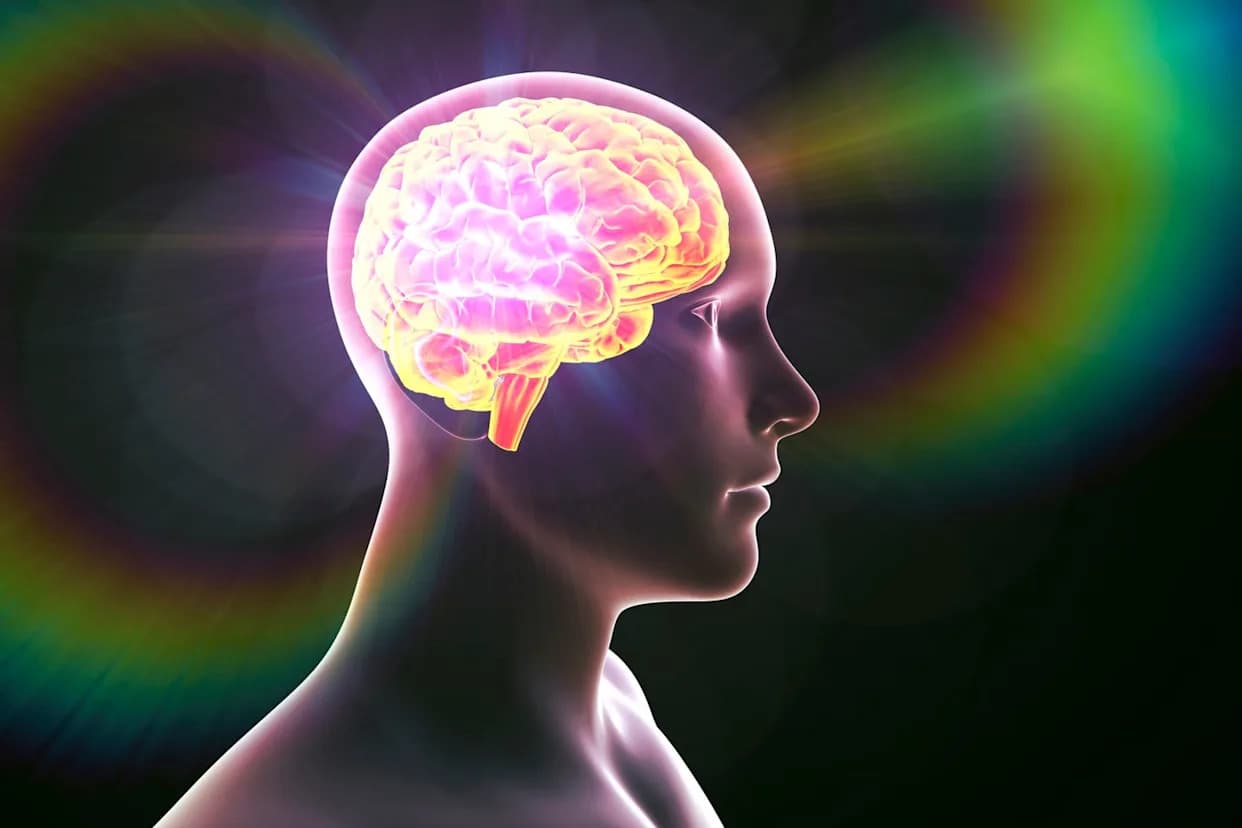
These Brain Waves Are What Make You Sense YouKATERYNA KON/SCIENCE PHOTO LIBRARY - Getty Images
Although the sense of owning our body feels immediate, neuroscientists have uncovered a hidden rhythm that helps the brain separate self from the outside world. New research from the Karolinska Institute links alpha-frequency oscillations in the parietal cortex to how the brain judges the timing of sights and touches—and thus to whether sensations are experienced as part of the self or as external.
How The Study Worked
The team combined behavioral tests with electroencephalogram (EEG) recordings in 106 volunteers to examine the brain’s temporal binding window (TBW): the short interval during which the brain treats visual and tactile events as simultaneous even when they are slightly out of sync. The researchers used the classic rubber hand illusion—stroking a concealed real hand while showing a visible rubber hand being stroked—to probe body ownership across a range of timing offsets.
Key Findings
Analysis showed that individual differences in the speed of alpha oscillations emerging from the parietal cortex predicted the width of each person’s TBW. Faster alpha rhythms produced a narrower TBW, making people more sensitive to small timing mismatches and more likely to reject asynchronous sensory inputs as not belonging to the self. Slower alpha rhythms widened the TBW and loosened the boundary between body and environment.
"We have identified a fundamental brain process that shapes our continuous experience of being embodied," said Mariano D'Angelo, lead author from the Karolinska Institute.
From Correlation To Causation
To test causality, the researchers applied a non-invasive method to modulate alpha frequency and observed corresponding shifts in participants’ body-ownership precision: changing alpha speed altered how strictly people judged simultaneity between sight and touch. These manipulations support the idea that alpha rhythm tempo acts as a neural "dial" for the TBW.
Implications
By tying a measurable brain rhythm to multisensory timing and self-perception, the study suggests new directions for clinical and applied work. Targeting alpha dynamics could help explain disturbed self-experience in psychiatric conditions such as schizophrenia and might inform strategies to improve sensory integration for prosthetic limb users and other assistive technologies.
Publication: Nature Communications. Institution: Karolinska Institute, Stockholm.
Help us improve.