Researchers studying rare hemispherotomy patients find that a disconnected brain hemisphere can retain large‑scale network organization on fMRI while showing EEG dominated by slow waves typical of deep sleep. Together, these results suggest the isolated hemisphere adopts a sleep‑like state with reduced or absent consciousness rather than an independent "island of awareness." The findings sharpen debates about whether sensory input and behavioral control are essential for consciousness and highlight the need for internal, mechanism‑based tests of awareness.
Can a Disconnected Brain Hemisphere Be Conscious? What Hemispherotomy Reveals
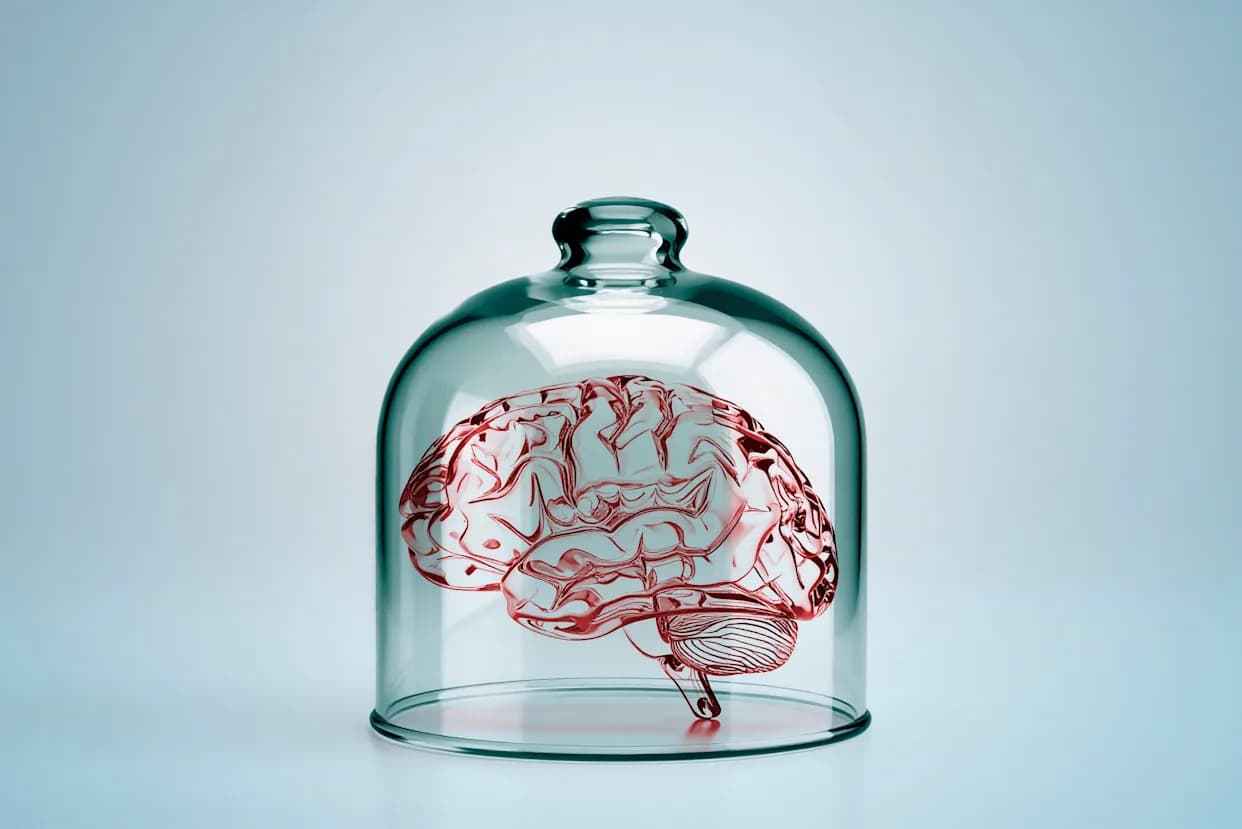
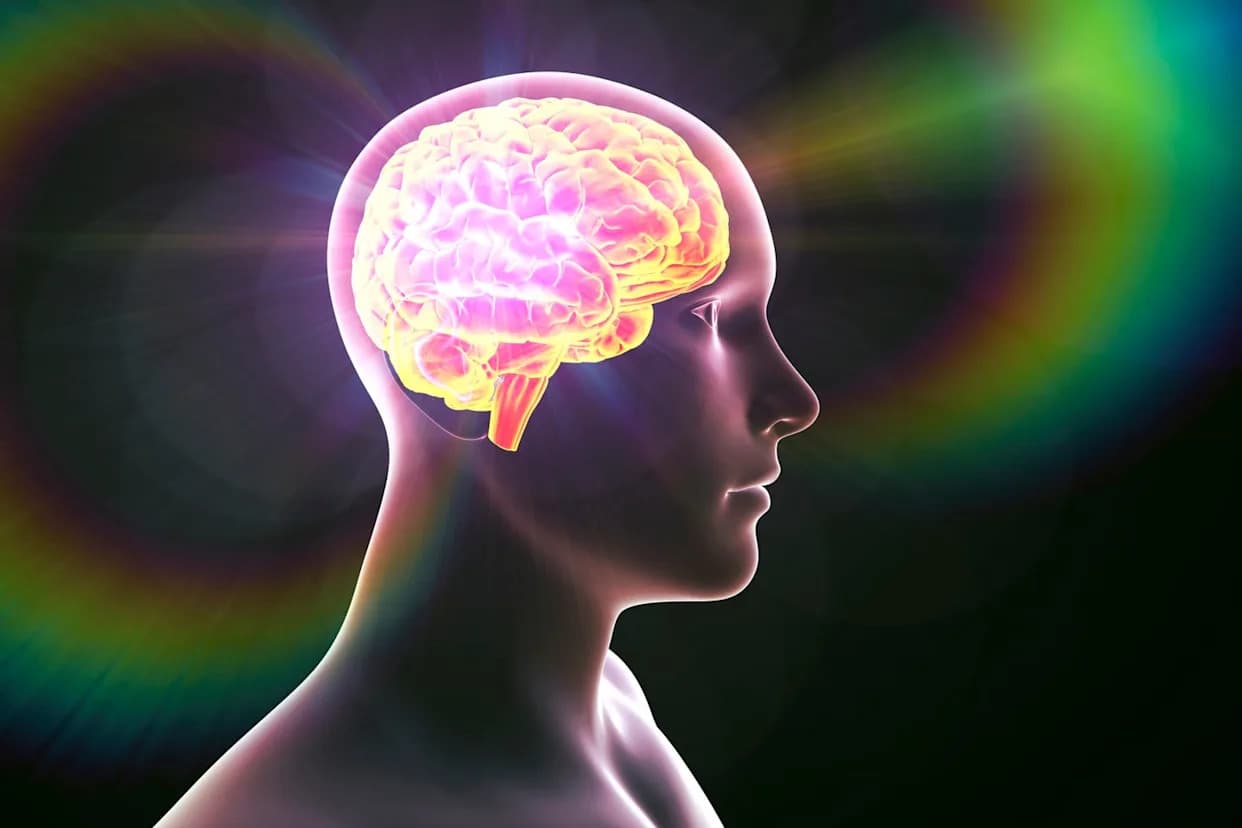
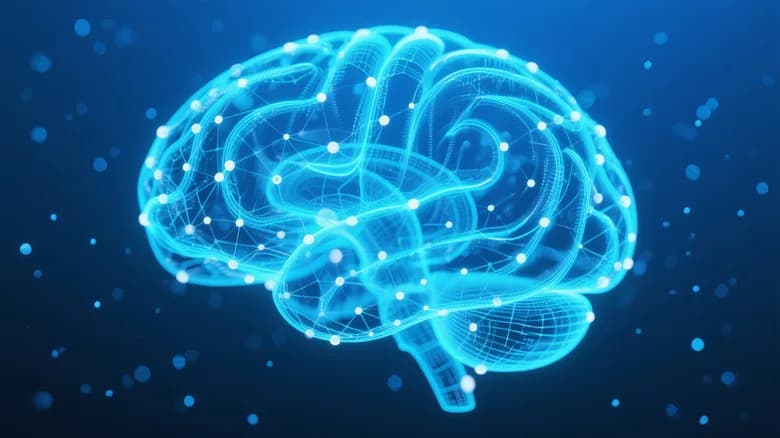
What would it feel like to be a brain cut off from a body and the outside world? The "brain in a vat" thought experiment asks whether a three‑pound organ can generate subjective experience without bodily sensations or sensory input. Neuroscientists and philosophers use extreme cases like this to probe how consciousness arises: the private stream of feelings, thoughts and selfhood that we normally take for granted.
Why Scientists Study Hemispherotomy
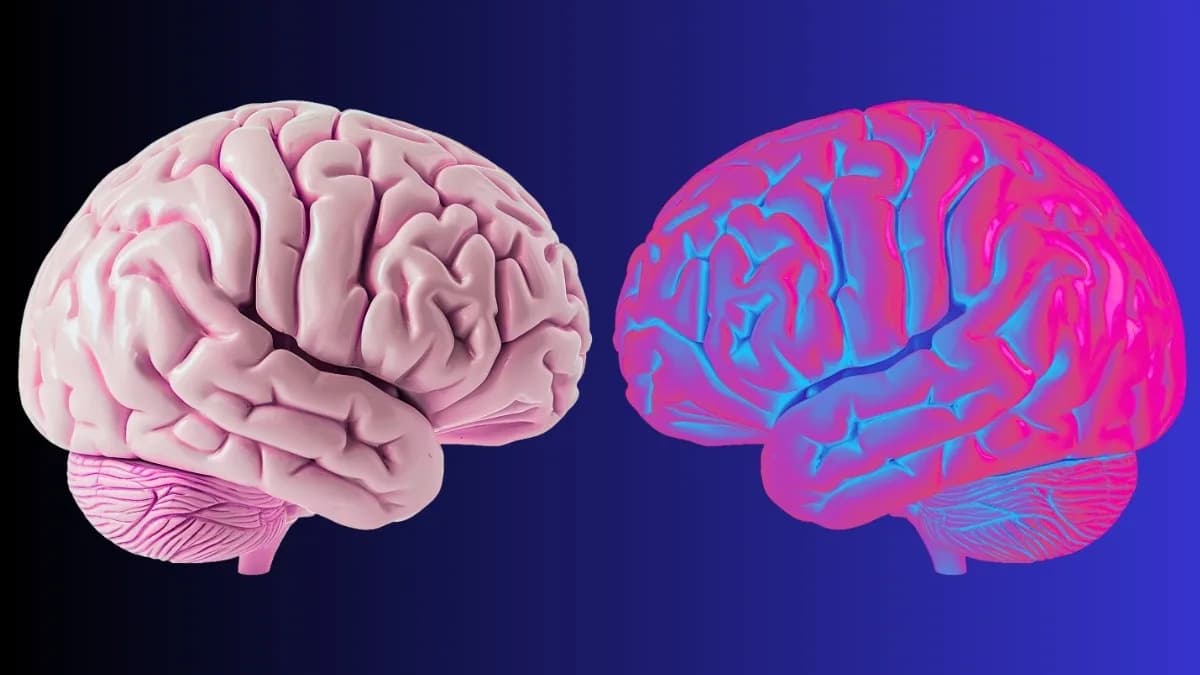
In rare clinical circumstances, surgeons perform a hemispherotomy to treat severe, drug‑resistant epilepsy. The procedure severs the connections of one hemisphere so it no longer communicates with the rest of the brain, while blood flow and metabolic support remain intact. Clinicians and researchers have long wondered whether the disconnected hemisphere becomes functionally silent, devolves into random activity, or retains organized dynamics that could support an independent conscious life—an "island of awareness."
Imaging Reveals Preserved Networks
Functional MRI (fMRI), which infers neural activity from blood flow, produced an unexpected result: in several hemispherotomy patients the disconnected hemisphere still displayed the brain's large‑scale networks. A 2020 study of two young patients found organized network structure rather than noise or silence. A larger 2024 preprint analyzing 26 patients reported that all seven core networks—ranging from sensory systems to higher‑order networks such as the default mode network—were still detectable, and the hierarchical relationships among networks were broadly preserved.
“The surprising part was the networks,” Athena Demertzi said of the earlier work. “It was like, how is that possible?”
EEG Shows a Sleeplike Electrical Regime
Because fMRI measures blood flow rather than electrical firing directly, researchers also turned to electroencephalography (EEG). An October 2025 EEG study followed 10 children before and after hemispherotomy (average follow‑up ~20 months). In the disconnected hemispheres, EEG activity was dominated by slow waves—oscillations characteristic of deep, dreamless sleep. Marcello Massimini, senior author of the study, described these slow waves as the cortical signature of a sleeplike state.
Slow waves typically correlate with reduced or absent consciousness, but they are not an infallible marker: similar patterns can appear in some conscious states (for example, during certain psychedelic experiences, under sedation, or in rare conditions such as Angelman syndrome). Moreover, the disconnected pattern differs from normal sleep because it lacks orchestrating influences from subcortical structures like the thalamus (for example, thalamic sleep spindles are absent).
Interpreting the Evidence
Putting the imaging and EEG data together, the most parsimonious interpretation favored by many researchers is that a disconnected hemisphere adopts a default, sleeplike regime with markedly reduced or absent consciousness. It is not an obvious "second mind" driving a separate stream of experience, yet it is not completely inactive either: organized networks persist even as electrical dynamics shift toward slow oscillations.
As Anil Seth and others emphasize, these findings do not definitively settle whether external input is strictly necessary for consciousness. Timothy Bayne notes the theoretical possibility of a fully self‑contained conscious brain, while many scientists argue that consciousness evolved to support perception and action—implying a deep link between awareness and interaction with the environment.
Broader Implications: Organoids and AI
These clinical studies also bear on debates about consciousness in nontraditional substrates. Lab‑grown brain organoids—primitive assemblies of human neurons—and advanced AI systems prompt similar questions: how would we detect subjective experience in tissues or machines that never evolved to sense or act in a world? Massimini argues for diagnostic tools that probe internal mechanisms rather than relying solely on behavior or verbal reports: "You cannot judge consciousness by behavior. You cannot judge being by doing. You need to go deeper."
Conclusion
Hemispherotomy studies suggest that disconnected cortex tends to default to organized but slow, sleep‑like activity. That pattern points toward diminished consciousness in the isolated hemisphere, though it leaves open deeper philosophical and empirical questions about whether sensory input and motor control are essential for subjective experience. Continued work—combining imaging, electrophysiology and theoretical rigor—will be needed to sharpen what these extreme cases can tell us about the nature of consciousness.
Help us improve.