Popular Mechanics examines neural coupling, a scientific idea that brains can briefly synchronize and produce telepathy-like moments—such as speaking in unison. Editors Jamie Sorcher and Andrew Daniels review the experimental evidence showing how shared rhythm, attention, and subtle cues promote this alignment. Researchers emphasize that neural coupling is a natural part of human communication, not paranormal activity. Watch the accompanying episode of "The Astounding Pop Mech Show" for more detail.
You Don’t Need Psychic Powers: Science Shows Our Brains Naturally ‘Sync’ — The Neural Coupling Effect

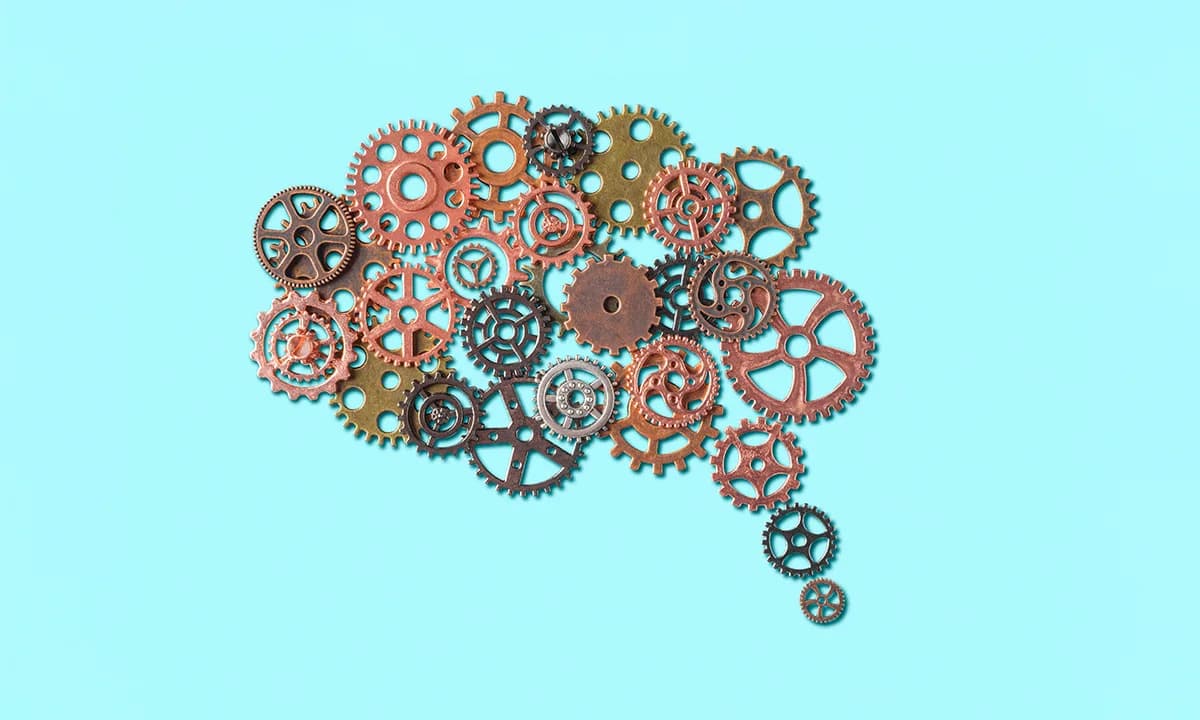
Your Brain Is Already TelepathicMark Stevenson - Getty Images
Ever had a "jinx" moment where you and a friend spoke the exact same words at the same time and felt strangely connected? New reporting from Popular Mechanics suggests those moments may reflect a real brain phenomenon rather than magic.
Popular Mechanics published a feature titled 'Your Brain Is Naturally Telepathic, Research Suggests—Meaning Our Minds Are All Connected' that explores neural coupling, a process in which brains fall into temporary synchrony. Editors Jamie Sorcher and Andrew Daniels explain the concept and walk viewers through the experiments and evidence in an episode of "The Astounding Pop Mech Show."
What Is Neural Coupling?
Neural coupling describes the tendency of two or more brains to align their activity patterns when people interact or pay attention to the same stimuli. This alignment can show up as synchronized rhythms, matching patterns of brain activity measured by imaging, or coordinated behavior during conversations, music sessions, or competitive games like chess.
How Scientists Study It
Researchers measure neural coupling using tools such as EEG and fMRI, alongside careful behavioral experiments. Studies often look for temporal correlations between participants' brain signals, or examine how shared attention and timing influence how easily people predict or mirror each other’s actions and thoughts.
Why It Explains 'Telepathy'
This is not paranormal telepathy. Instead, researchers say shared rhythm, mutual attention, subtle nonverbal cues, and common sensory input can cause brains to align, producing the impression of mind-reading or instant rapport. Neural coupling helps explain why jam sessions feel effortless, why conversations flow, and why people sometimes finish each other’s sentences.
"Brains can act like informal wireless transmitters," the feature explains—synchronizing through rhythm, shared attention, and unconscious signals even when people are not physically together.
For a deeper look at the experiments and implications, watch the full episode on PopularMechanics.com and explore additional installments of "The Astounding Pop Mech Show."
Help us improve.