The Trump administration's new dietary guidance, led by Health Secretary Robert F. Kennedy Jr., promotes substantially higher meat and full-fat dairy consumption and aims to raise U.S. protein intake toward near-doubling. Researchers at the World Resources Institute estimate a 25% rise in this type of protein intake could require roughly 100 million acres of additional farmland annually and add hundreds of millions of tons of greenhouse gases. Experts warn beef has an outsized environmental footprint — about 20 times the land use and emissions per gram of protein compared with common plant proteins — and say institutional adoption could intensify deforestation and climate impacts.
New Federal Diet Pushes More Meat — Experts Warn It Could Require 100M Acres And Spike Emissions
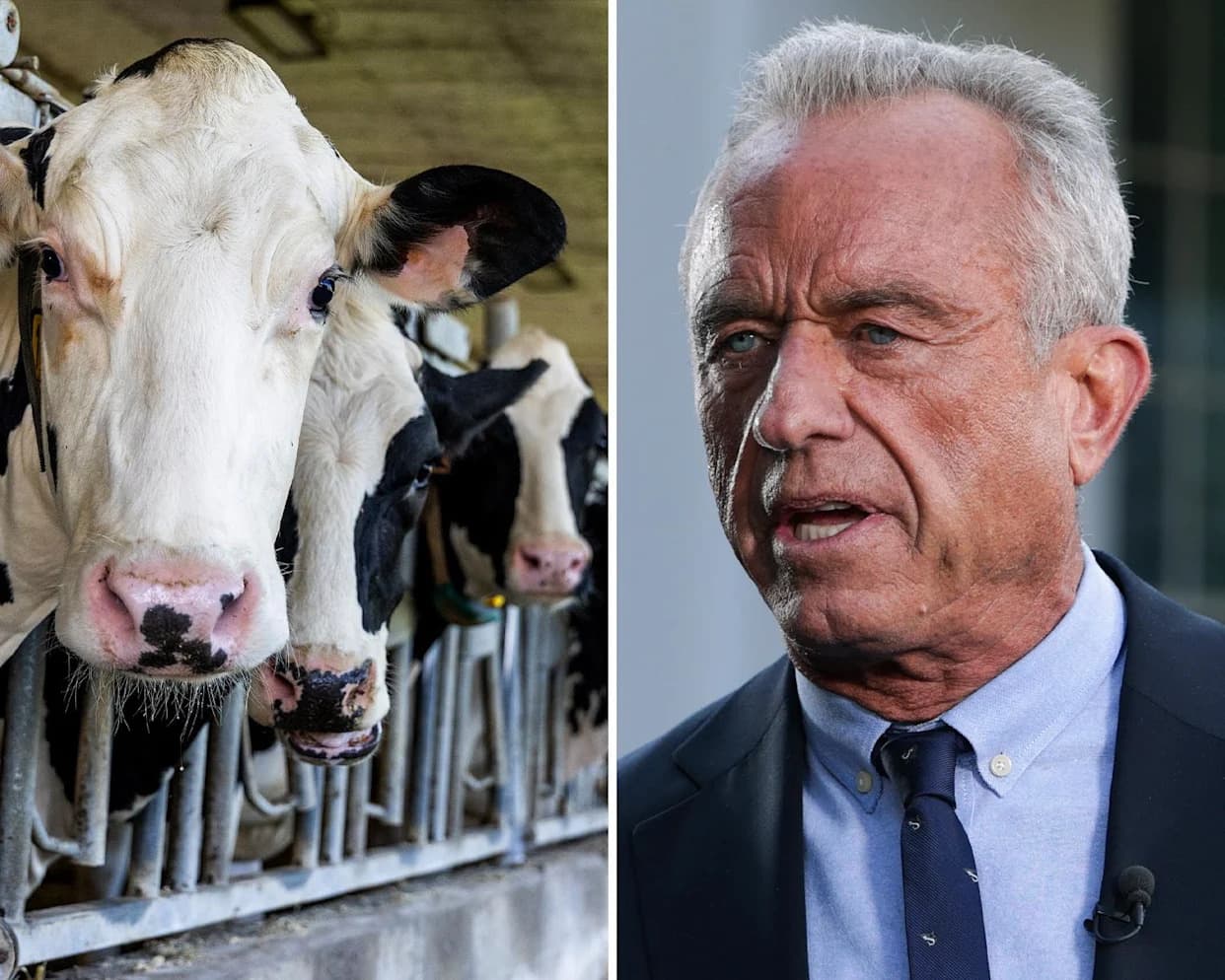
Robert F Kennedy Jr’s meat-heavy diet plan would have significant climate impacts.Composite: Chicago Tribune, Getty Images(Composite: Chicago Tribune, Getty Images)
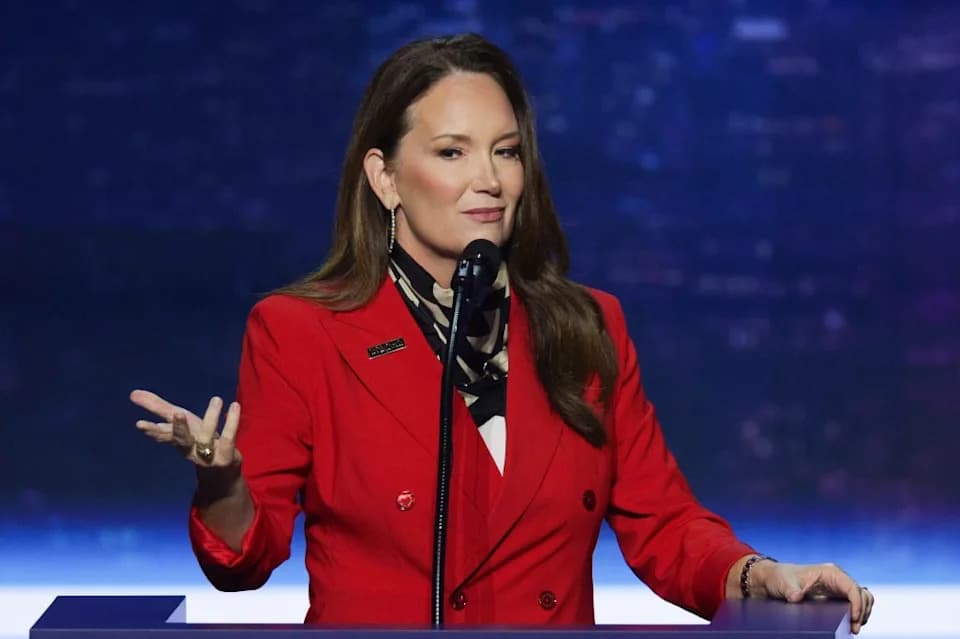
The Trump administration's newly released dietary guidance, led by Health Secretary Robert F. Kennedy Jr., encourages substantially higher consumption of meat and full-fat dairy. The guidance features an inverted food pyramid that places steak, poultry, ground beef and whole milk alongside fruits and vegetables as top recommended foods. Officials say the new framework aims to raise Americans' protein intake — targeting a near-doubling of current levels.
What The Guidelines Propose
According to the administration, "Protein and healthy fats are essential and were wrongly discouraged in prior dietary guidelines," said Robert F. Kennedy Jr. The guidance rejects earlier recommendations that emphasized plant-based proteins and lower saturated fat intake.
Projected Environmental Consequences
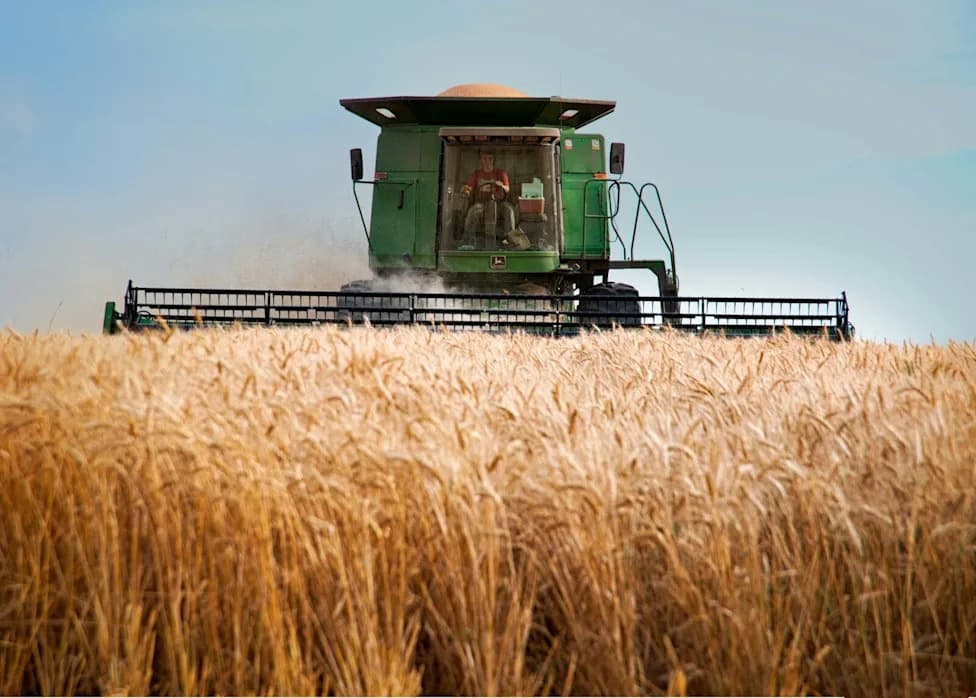
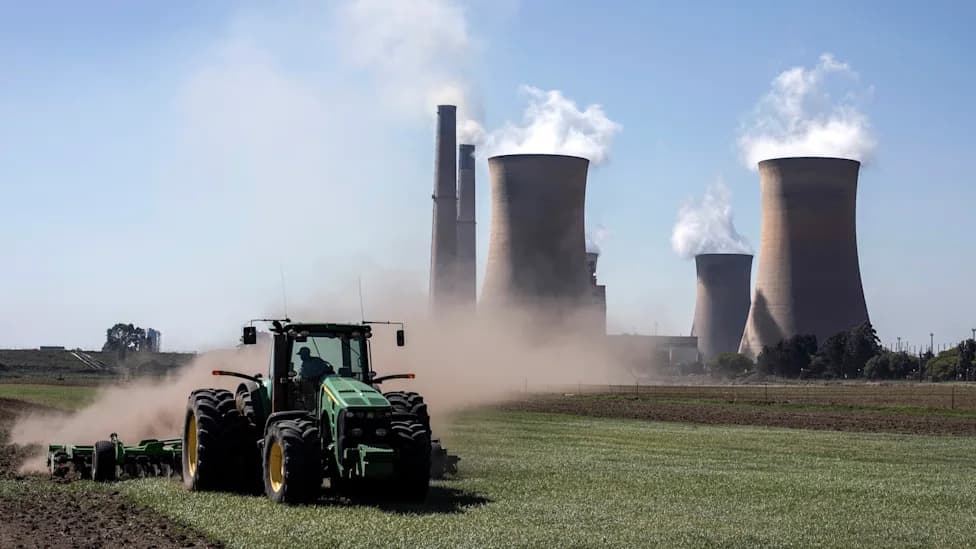
Experts and researchers warn that if Americans substantially increase meat consumption, the environmental costs could be large. The World Resources Institute (WRI) estimates that even a 25% rise in protein intake of the type promoted by the new guidance would require roughly 100 million acres of additional agricultural land each year — an area about the size of California — and would add hundreds of millions of tons of extra greenhouse gas emissions.
“We are seeing millions of acres of forest cut down and agricultural expansion is the lead driver of that — adding 100m acres to that to feed the US means additional pressure on the world’s remaining ecosystems,”
— Richard Waite, Director of Agriculture Initiatives, WRI
Why Red Meat Matters
Red meat — especially beef — has an outsized environmental footprint. Per gram of protein, beef requires roughly 20 times more land and produces about 20 times more greenhouse gases than common plant proteins such as beans. Livestock production is also associated with localized air and water pollution from manure, feed production and processing.
Data And Trends
The average American currently consumes about 144 kg (317 lbs) of meat and seafood per year, one of the highest per-capita rates in the world. Animal agriculture already accounts for roughly one-fifth of global greenhouse gas emissions. Global demand for meat is rising: worldwide consumption of pork, beef, poultry and other meat is projected to exceed 500 million tonnes by 2050 — roughly double the amount in 2000.
Consumption in the U.S. is concentrated: a 2024 study found that about 12% of Americans consume nearly half of the country's beef. Meanwhile, sales of plant-based alternatives have slowed in recent years amid renewed interest in meat, driven partly by online "meatfluencers" and a broader push for higher protein intake.
Reactions From Experts And Officials
Nutrition and climate experts caution that institutional adoption of the guidelines — in schools, federal workplaces and other programs — could magnify the environmental impact even if many individuals ignore the change.
“To the extent that people follow these guidelines and eat more animal protein foods, particularly beef and dairy, they will negatively impact our environment,”
— Diego Rose, Director of Nutrition, Tulane University
The Department of Health and Human Services defended the guidance in a statement: "The Trump administration will no longer weaponize federal food policy to destroy the livelihoods of hard-working American ranchers and protein producers under the radical dogma of the Green New Scam."
Context: Kennedy’s Past Views
Robert F. Kennedy Jr. has previously criticized industrial meat production for its environmental harms. In 2004, he wrote that factory meat production had "polluted thousands of miles of America’s rivers" and caused other serious damage. Since becoming health secretary, however, he has pushed federal guidance toward greater emphasis on animal protein.
Bottom Line
Experts say there are lower-impact ways to increase protein intake — including more plant-based proteins and diversified diets — that could avoid adding massive agricultural expansion and greenhouse gas emissions. Policymakers will need to weigh nutritional goals against the substantial environmental trade-offs if the guidelines shape large-scale food procurement and institutional menus.
Help us improve.