The Trump administration’s new dietary guidance, promoted by Robert F. Kennedy Jr. and the USDA, emphasizes more meat and full‑fat dairy despite Americans already eating about 227 pounds of meat per person annually. Health organizations such as the American Cancer Society and American Heart Association warn that higher consumption of red meat and high‑fat dairy is linked to cancer, heart disease and diabetes. Critics cite potential conflicts of interest at the USDA and point to the substantial environmental damage caused by industrial animal agriculture. Because federal guidelines shape school meals and assistance programs, the shift could disproportionately harm poorer communities and public health.
What RFK Jr. and the USDA's New Food Pyramid Get Wrong — Why More Meat Is Risky

What RFK Jr. and the USDA’s new food pyramid get wrong
The Trump administration this week unveiled a revised set of dietary guidelines that upend the familiar food pyramid Americans have relied on for decades, instead urging higher consumption of protein—particularly meat and full‑fat dairy. Promoted publicly by Health and Human Services Secretary Robert F. Kennedy Jr. and supported by Agriculture Secretary Brooke Rollins, the guidance has sparked sharp criticism from health experts and environmental advocates.
What the New Pyramid Proposes
The updated illustration places greater emphasis on animal‑source proteins, with prominent depictions of red meat and full‑fat dairy. The administration frames the advice under the slogan "Eat Real Food," defined in the guidance as "whole, nutrient‑dense, and naturally occurring." Officials say the recommendations are meant to improve public health and combat chronic disease.
Health Concerns
Public‑health experts note that most Americans already consume ample — often excess — protein; the average U.S. consumer eats roughly 227 pounds of meat per year. Major medical organizations have warned that higher intakes of red and processed meats are linked to increased risks of cancer and heart disease. The American Cancer Society classifies red meat as "probably carcinogenic to humans," and the American Heart Association long recommends limiting red‑meat consumption and favoring reduced‑fat dairy or fortified plant‑based alternatives.
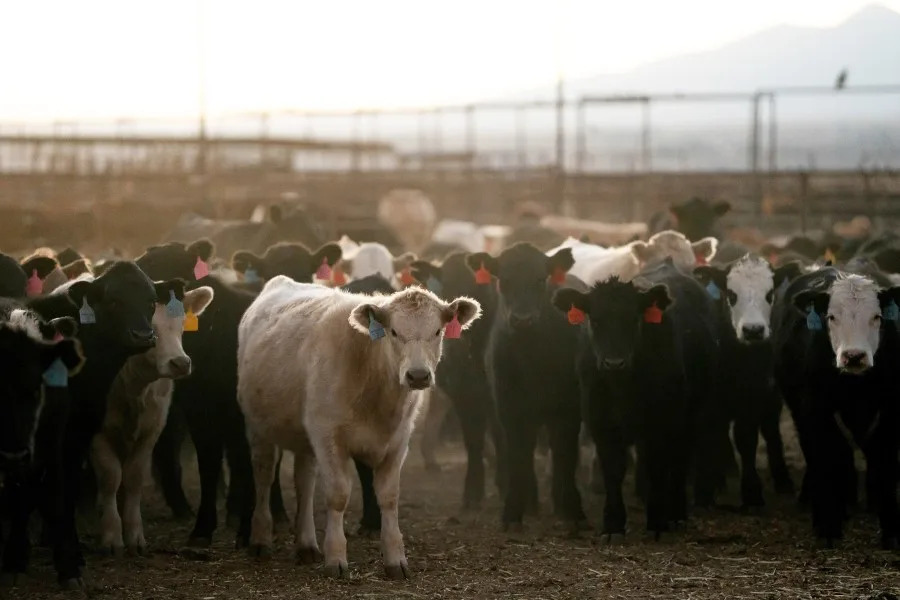
Beef cattle in corrals at a ranch on Nov. 11, 2025, in Sonoita, Arizona.Rebecca Noble / Bloomberg via Getty Images
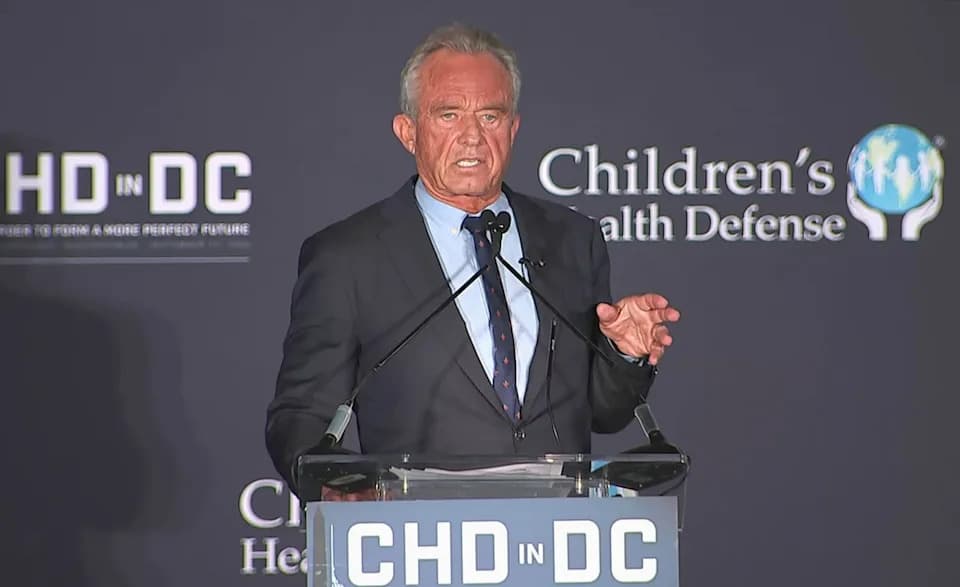
At an event promoting the guidance, Secretary Kennedy criticized mainstream medical organizations, calling the American Heart Association a "big villain" and arguing that industry funding had "fortified a dogma that vilified and demonized good food."
Conflicts Of Interest And Policy Context
The Department of Agriculture is a cabinet department that represents farming and food production interests as well as nutrition programs. Critics say that raises potential conflicts when USDA guidance promotes foods that benefit meat and dairy producers. In October, Secretary Rollins announced initiatives to "strengthen the American beef industry," language critics say signals that policy priorities may include agricultural economics alongside—or ahead of—public health.
Environmental And Public‑Health Impacts
Decades of research link industrial animal agriculture to greenhouse‑gas emissions, water pollution, biodiversity loss, and increased risk of zoonotic disease. Climate change and environmental degradation in turn threaten food security and public health, creating feedback loops that disproportionately affect lower‑income communities and those already burdened by chronic diseases.
Why This Matters
Federal dietary guidance influences school lunch menus, hospital food, public assistance programs, and nutrition counseling for millions who cannot easily opt out. A shift that elevates red meat and full‑fat dairy risks raising rates of cancer, heart disease, and diabetes, and it can exacerbate environmental harms. Critics argue the new guidance appears to favor the commercial interests of meat and dairy industries rather than prioritize population health.
Bottom line: While nutrition science contains areas of debate, there is broad consensus among major health organizations that increasing U.S. consumption of red meat and full‑fat dairy is unlikely to improve public health and may, in fact, increase chronic‑disease risk and environmental harm.
Help us improve.