The White House signed a law permitting whole and 2% milk to be served in schools participating in the National School Lunch Program, reversing a 2012 USDA rule that limited school milk to low-fat or fat-free options. The change follows updated federal dietary guidance that places more emphasis on full-fat dairy, though experts remain divided. Implementation will depend on district demand, supplier arrangements and cost, and USDA guidance so far references lunch specifically. Health groups including the American Heart Association urge continued caution regarding saturated fat.
Whole and 2% Milk Return To School Lunches After Trump Signs Law Reversing 2012 Rule

President Donald Trump signed a bill Wednesday that lets schools serve whole or 2% milk at lunch. - Anna Moneymaker/Getty Images
Whole milk could soon be back in school cafeterias after more than a decade away. On Wednesday, President Donald Trump signed legislation allowing schools that participate in the National School Lunch Program to offer whole and 2% milk in addition to the fat-free and low-fat options currently provided.
What Changed
The law reverses a 2012 U.S. Department of Agriculture rule that required milk served in schools to be fat-free or low-fat as part of efforts to address childhood obesity. The legislation — passed by Congress last year by unanimous consent — also permits schools to offer nondairy beverages deemed "nutritionally equivalent" to fluid milk, such as fortified plant-based milks.
Guidance And Debate
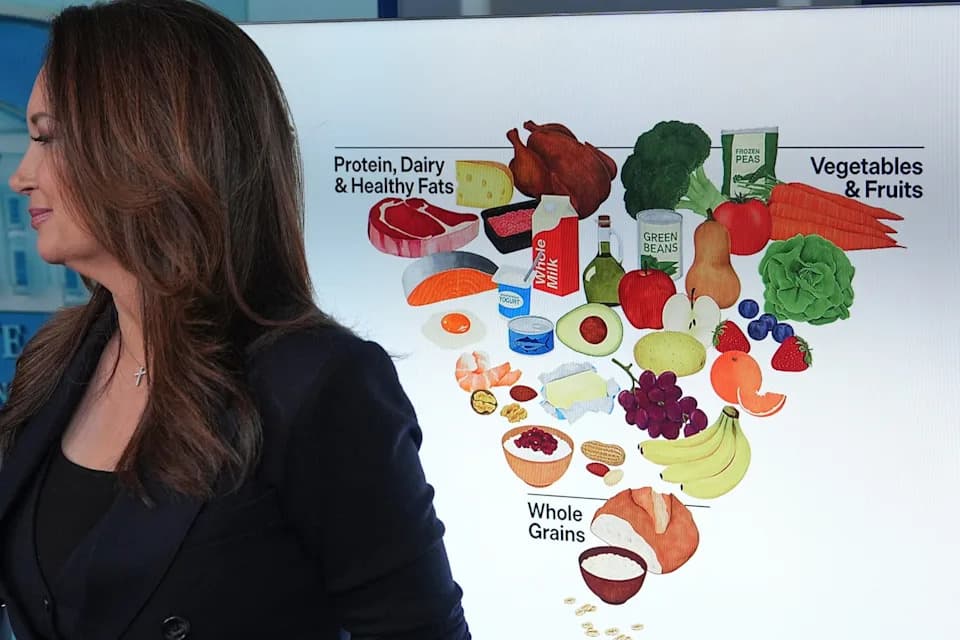
The move follows updated federal dietary guidance that gives greater emphasis to whole-fat dairy products. That guidance, released by the U.S. Department of Health and Human Services, has drawn mixed reactions from nutrition and medical experts.
“Removing whole milk did not improve health, it damaged it,” HHS Secretary Robert F. Kennedy Jr. said at the White House signing, adding that some students turned to caffeinated or sweetened drinks instead of skim or low-fat milk. “Milk fat is not junk food.”
The U.S. Department of Agriculture has publicly promoted whole milk this week, including posting an image on X of President Trump with a milk mustache and the caption "Drink Whole Milk." USDA sales data show whole milk was the top-selling milk type in the U.S. in 2024, followed by 2% milk; low-fat and skim trailed behind.
How Implementation Will Work
The National School Lunch Program serves nearly 30 million children, about two-thirds of whom receive free or reduced-price meals. But whole and 2% milk will not appear in cafeterias overnight. The School Nutrition Association — which represents more than 50,000 school nutrition professionals — says districts must first assess student demand and then negotiate availability and pricing with suppliers.
Cost and supply concerns: Whole milk typically costs more than skim, which could be a barrier for budget-strapped districts. Availability of different milk varieties also varies by region, and dairy producers have pledged assistance to help districts implement the change.
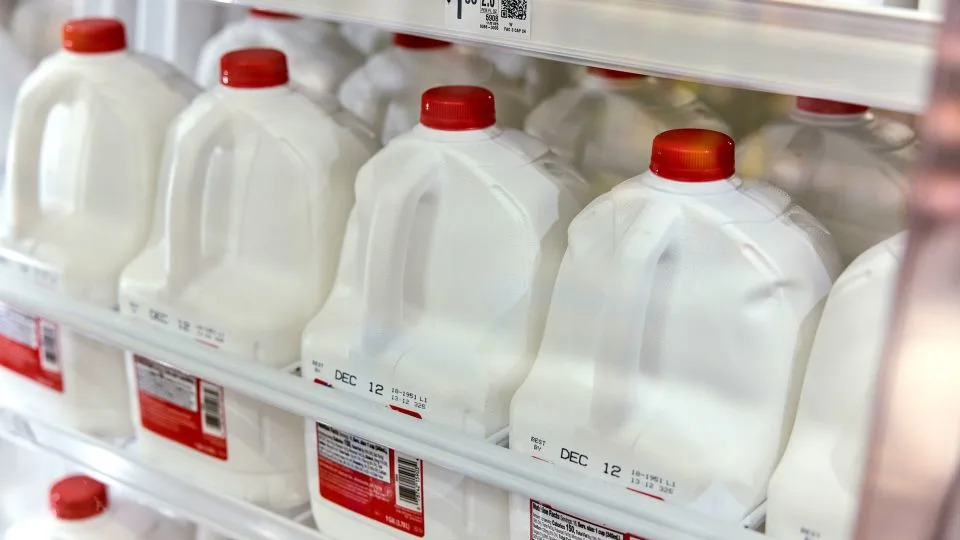
Many students will soon have access to whole milk in schools. - Brian Kaiser/Bloomberg/Getty Images/File
Breakfast vs. lunch: USDA guidance posted with the law references expanded options for school lunch programs; USDA officials reportedly told a School Nutrition Association conference that the statute addresses lunch specifically. It remains unclear whether whole and 2% milk will automatically be allowed at school breakfast without further clarification.
Nutrition Context
For decades, federal guidance recommended low-fat or fat-free dairy for everyone older than two and advised that saturated fat make up less than 10% of daily calories. The 2025–2030 Dietary Guidelines for Americans favor full-fat dairy without added sugars and recommend three servings per day for someone on a 2,000-calorie diet, while maintaining the overall saturated-fat limit.
Under the new law, fluid milk will not be counted in saturated-fat calculations used for USDA compliance checks, and milk fat in fluid milk will not be treated as saturated fat for those purposes. Parents and students tracking saturated-fat intake should account for the additional fat when choosing whole milk.
The American Heart Association expressed concerns about the renewed focus on whole-fat dairy and continues to recommend low-fat and fat-free dairy for heart health. Other nutrition experts say full-fat milk can fit into a healthy diet for most children, though some students may need lower-fat options for medical reasons.
What To Watch Next
Districts will decide how quickly to offer whole and 2% milk based on demand, budgets and supplier arrangements. Agriculture Secretary Brooke Rollins said the change could be implemented in a matter of weeks, and dairy industry groups have pledged support to help with the transition.
Reporters Katherine Dillinger and Jacqueline Howard contributed to this report.
Help us improve.