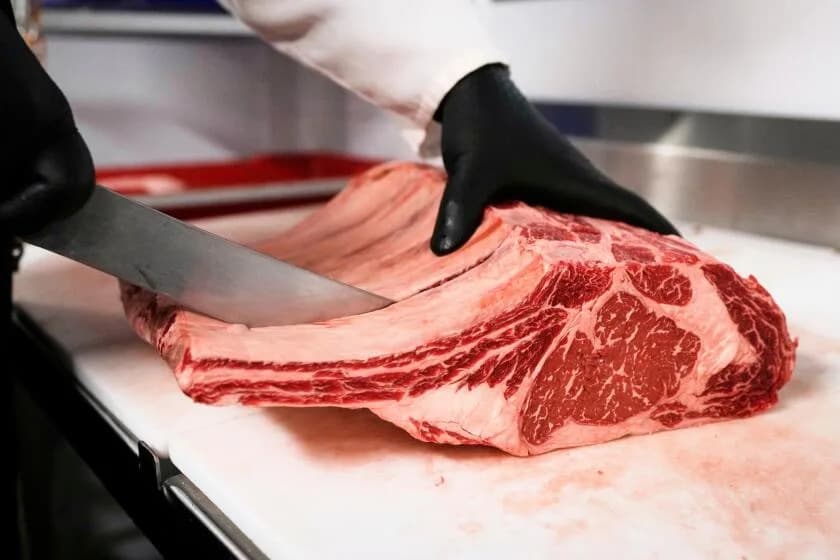
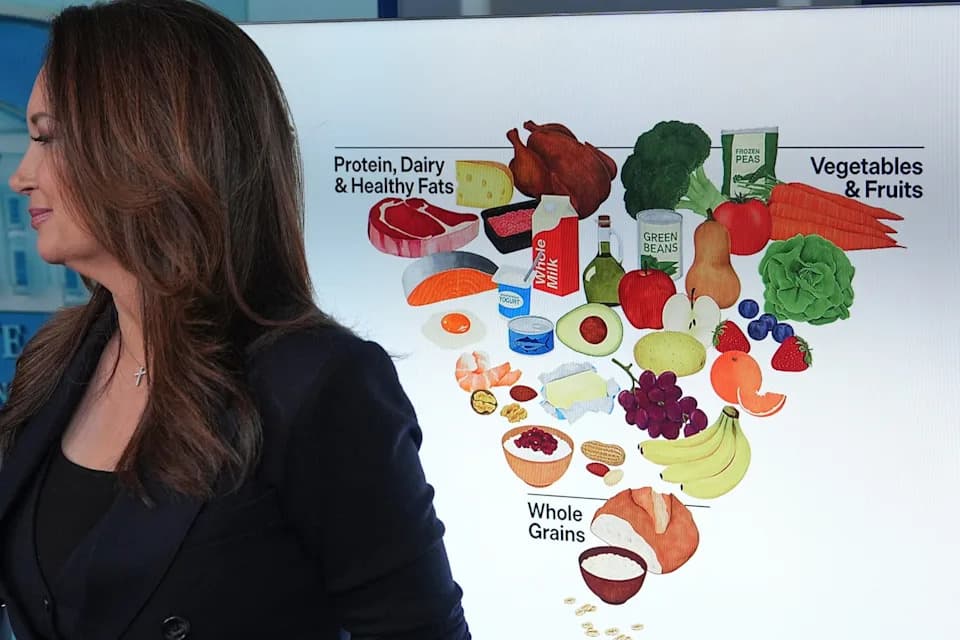
The 2025–2030 Dietary Guidelines tighten limits on refined grains, added sugars and ultraprocessed foods but elevate red meat and other saturated‑fat protein sources in the food pyramid. Leading cardiologists say this contradicts decades of evidence showing that replacing saturated fats with polyunsaturated and monounsaturated fats lowers cardiovascular risk by roughly 30%. Experts warn that following the new pyramid could make it difficult to stay under the saturated‑fat cap (under 10% of calories) and recommend Mediterranean‑style, plant‑forward eating instead.
Cardiologists Sound Alarm Over New U.S. Dietary Guidelines That Elevate Saturated Fats
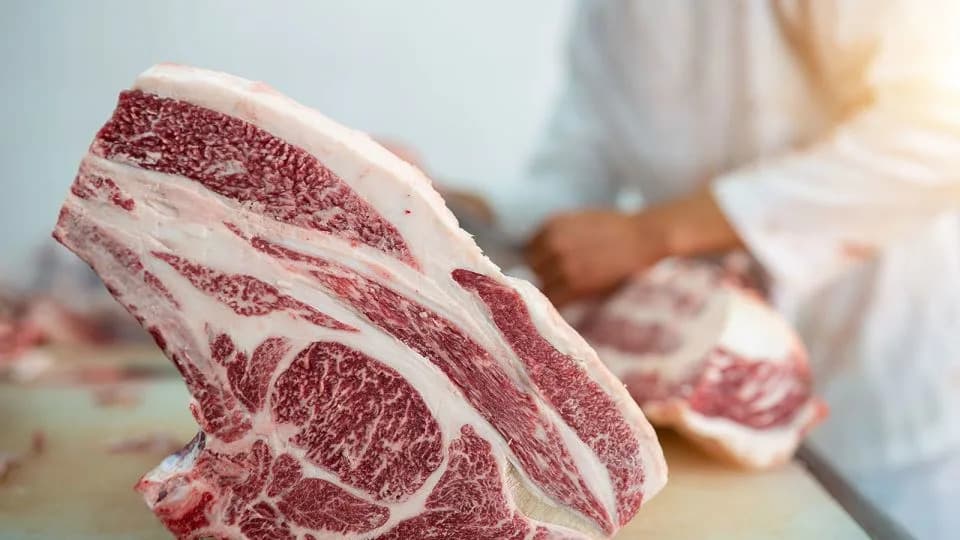
Cardiologists say they are worried eating more saturated fats and animal protein will boost cases of heart disease — the No.1 killer of men and women in the United States. - sutiporn somnam/Moment RF/Getty Images/File
Heart disease remains the leading cause of death for American men and women and is responsible for roughly one in three adult deaths worldwide. Cardiologists say physical inactivity, smoking, high blood pressure, high cholesterol, diabetes and unhealthy diets — especially those high in refined grains, added sugars and saturated fats — are major drivers of that toll.
Why Cardiologists Are Concerned
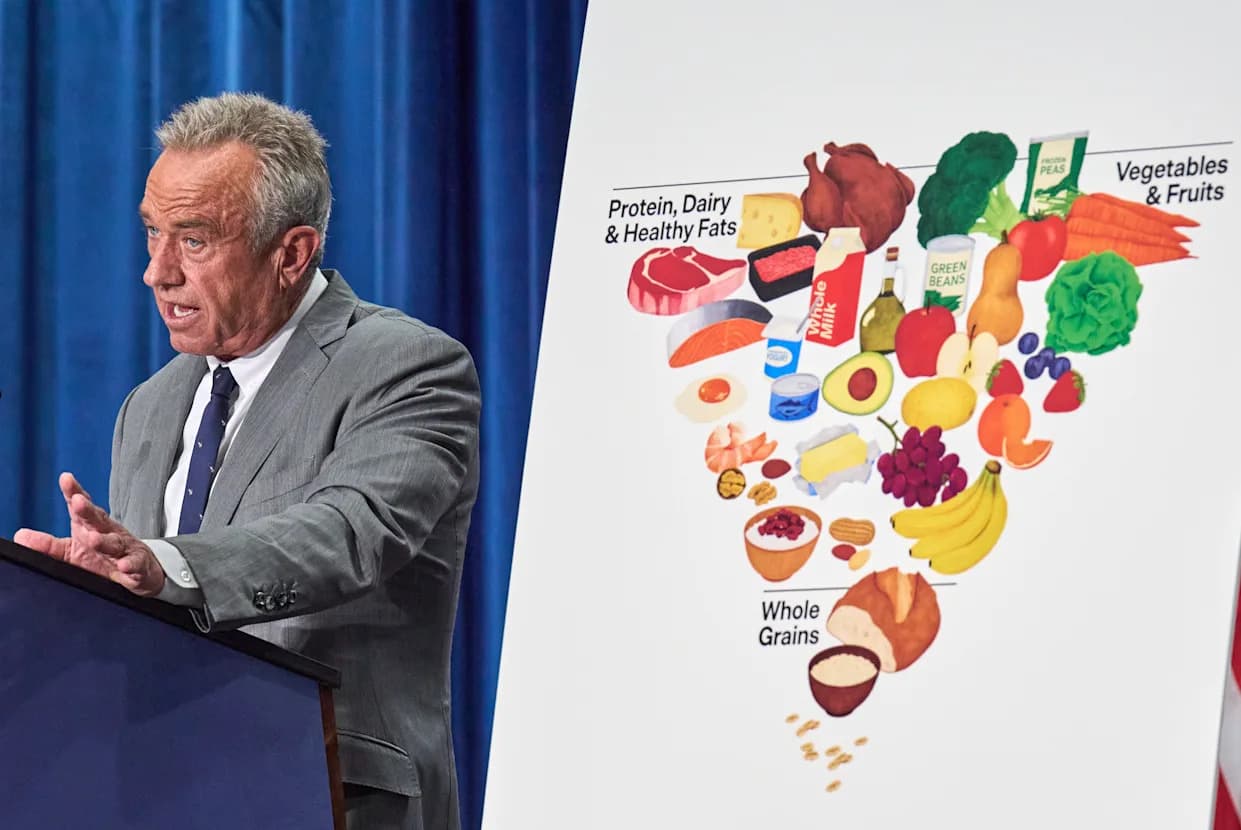
The 2025–2030 Dietary Guidelines for Americans has tightened limits on refined grains, added sugars and ultraprocessed foods — changes welcomed by many health groups. But the updated food pyramid elevates red meat and other protein-rich, saturated-fat foods to a prominent position, placing them alongside fruits and vegetables. Leading cardiologists say that shift is inconsistent with decades of nutrition and cardiovascular research.
“Promoting saturated fat and increasing the amount of protein goes against all nutrition and cardiology science,” said Dr. Kim Williams, chair of the Department of Medicine at the University of Louisville.
Evidence on Fats and Heart Disease
Cardiologists point to randomized controlled trials and other high-quality studies showing that replacing saturated fat with polyunsaturated and monounsaturated fats from plant and fish sources reduces cardiovascular disease risk by about 30% — a benefit comparable to statin therapy in some analyses. They also note long-standing guidance from groups such as the American Heart Association, which recommends limiting unhealthy fats and favoring healthier oils.
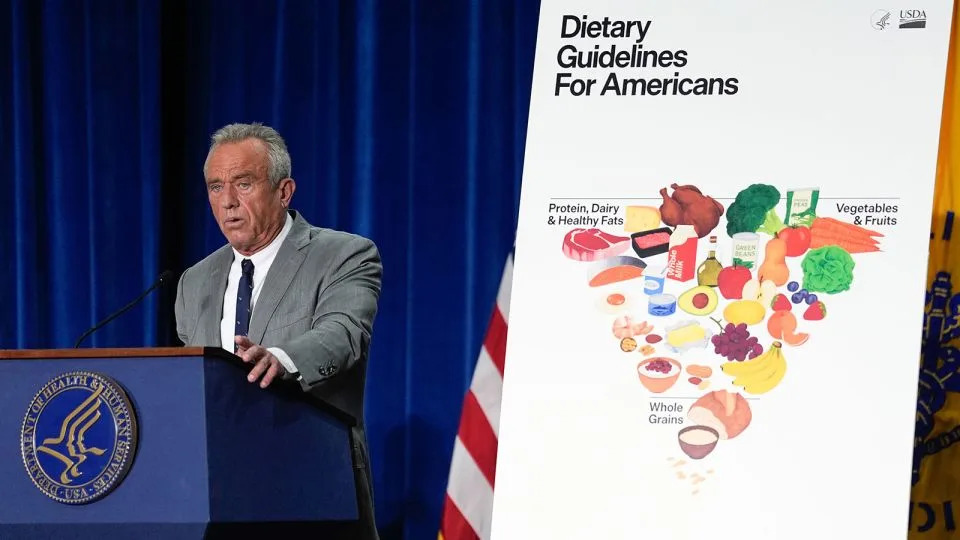
US Health and Human Services Secretary Robert F. Kennedy Jr. is seen alongside the revamped food pyramid that touts meat-based protein at the agency's Washington headquarters on January 8. - Kent Nishimura/Bloomberg/Getty Images
“There’s no question that when we remove saturated fat from the diet and add in polyunsaturated and monounsaturated fats from fish, seed and plant sources, we save lives by improving cardiovascular health,” said Dr. Monica Aggarwal, adjunct clinical associate professor of cardiovascular medicine at the University of Florida.
Practical Impact: Dairy, Burgers and the 10% Limit
The new guidelines still recommend keeping saturated fat to under 10% of daily calories — not far from the American Heart Association suggestion of keeping unhealthy fats to roughly 6% — but cardiologists warn that emphasizing higher-protein, saturated-fat foods makes that target hard to meet. For example, Harvard’s Nutrition Source calculated that three servings of full-fat dairy (whole milk, full-fat Greek yogurt and an ounce of cheddar) could supply about 17 grams of saturated fat, leaving little room in a 2,000-calorie diet with a 22-gram limit.
Adding a tablespoon of butter or a fatty burger can easily push intake past the 10% threshold. Some restaurant foods also contain industrial trans fats or very high levels of saturated fat; industrial trans fats are largely banned in the U.S. because of their strong link to heart attacks and stroke.
On Trans Fats and Ruminant Fats
There is a persistent debate about natural trans fats found in ruminant animals (cows, sheep, goats). Some proponents of higher-fat diets argue these natural trans fats are benign, but cardiologists point to evidence that ruminant trans fats can be pro-inflammatory and contribute to atherosclerosis when consumed at higher levels, particularly alongside saturated fat.
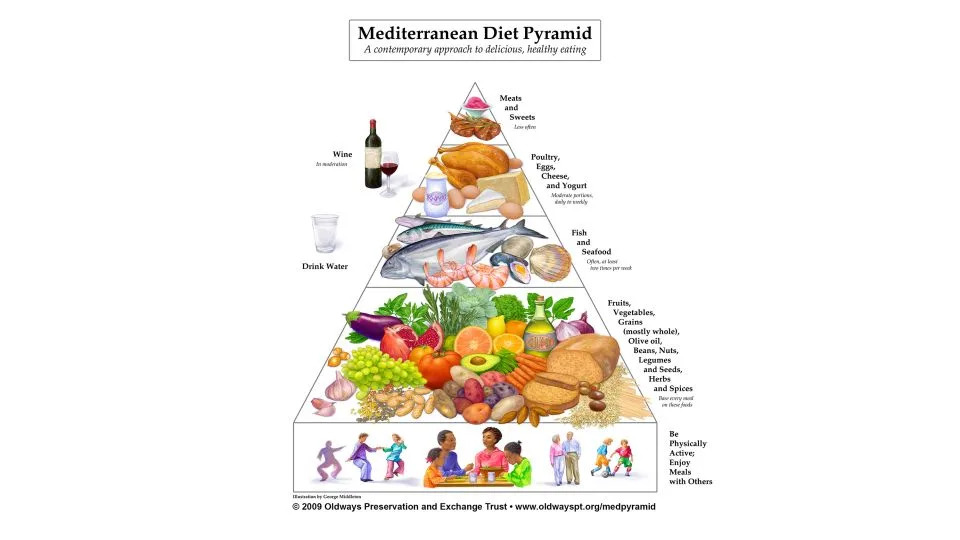
Backed by decades of science, the Mediterranean diet limits red meat and full-fat dairy. - courtesy Oldways
What Experts Recommend
Cardiologists and preventive medicine specialists continue to recommend diets that prioritize polyunsaturated and monounsaturated fats — such as those in fish, nuts, seeds and olive oil — along with abundant fruits, vegetables, whole grains and limited red and processed meats. The Mediterranean and other plant-forward dietary patterns are supported by studies showing benefits for heart health, diabetes risk, cognition and longevity.
“All types of fat can play a role in a healthy diet, but the emphasis is on polyunsaturated and monounsaturated fats,” said Dr. Andrew Freeman, director of cardiovascular prevention and wellness at National Jewish Health.
The new guidelines also call for higher protein recommendations, particularly for children. Some public-health experts welcome better focus on protein quality and nutrient adequacy, but clinicians caution that most Americans already meet or exceed protein needs and that promoting protein sources high in saturated fat could worsen cardiovascular risk.
Bottom line: While the updated guidelines make welcome moves to curb refined grains, added sugars and ultraprocessed foods, many cardiologists say elevating saturated-fat, protein-rich foods contradicts robust evidence linking saturated and trans fats to heart disease. They urge emphasizing healthier fats and plant-forward patterns to reduce cardiovascular risk.
Help us improve.