The revised U.S. Dietary Guidelines have shifted toward endorsing more red meat and full‑fat dairy, prompting criticism that they contradict long‑standing nutrition evidence. Studies link red and processed meat to higher risks of heart disease and colorectal cancer, while plant‑based diets are tied to lower cardiovascular risk and reduced mortality. Experts urge federal policy to prioritize whole, plant‑forward foods, limit saturated fat and address antibiotic overuse in factory farming to protect public health.
New Food Pyramid Favors Meat and Full‑Fat Dairy — Experts Warn of Public‑Health Risks

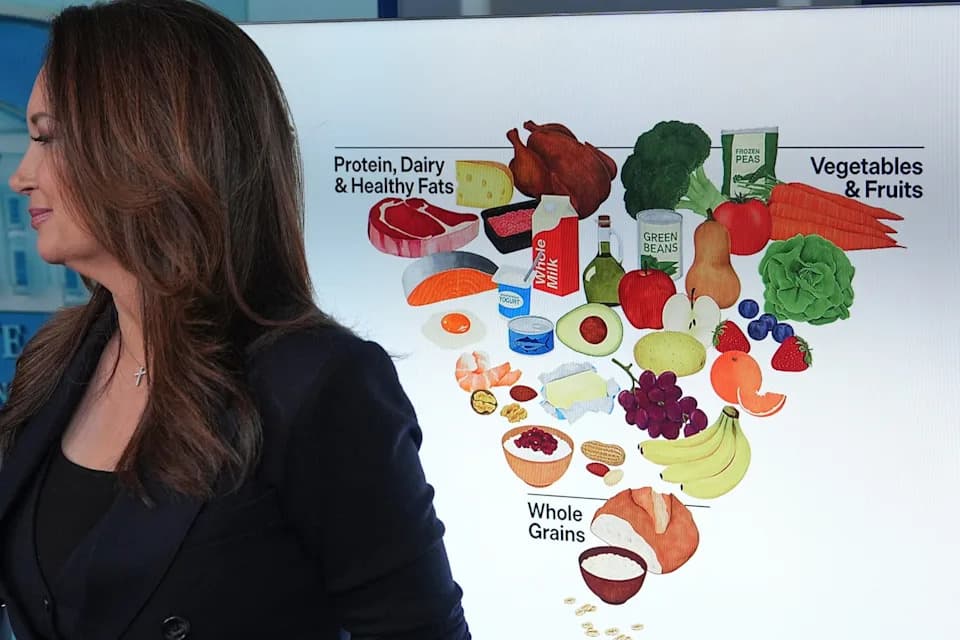
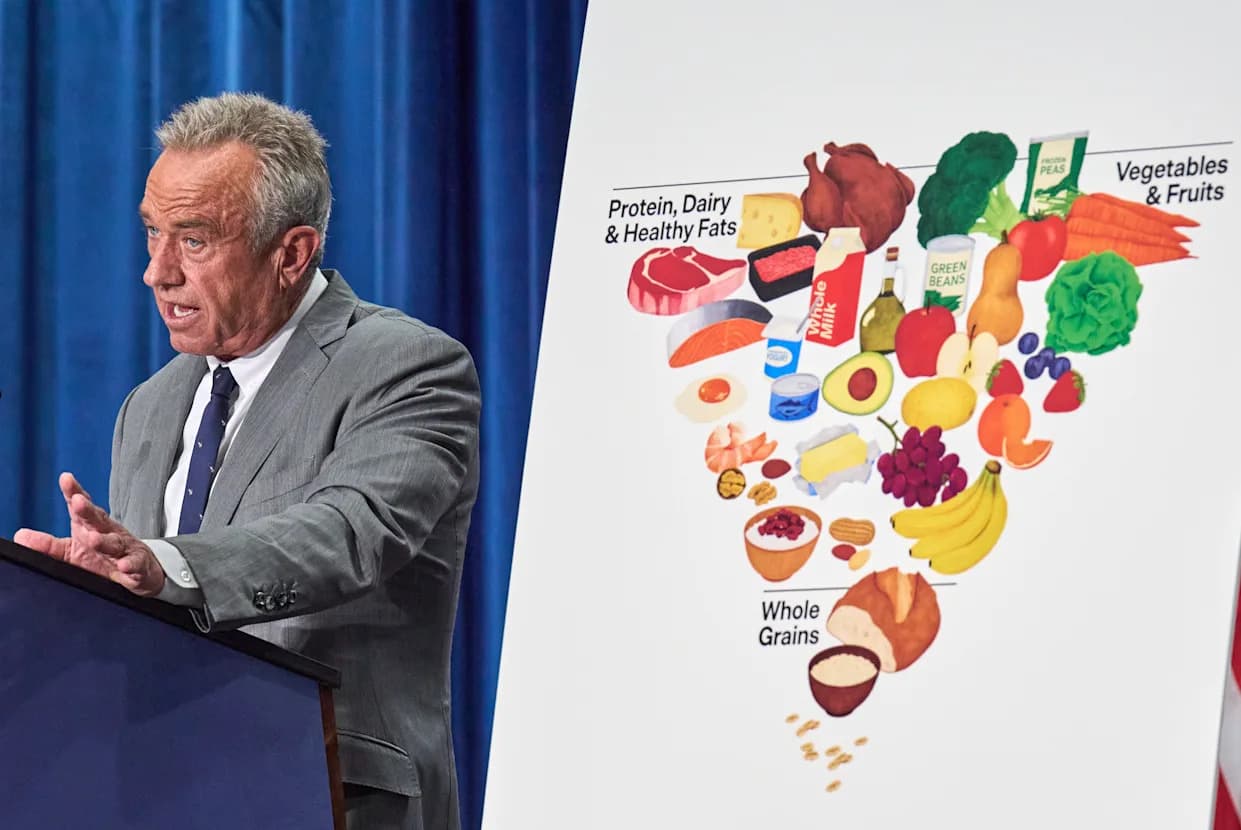
New government guidelines flip the food pyramid on its head, encouraging consuming full-fat dairy products and promoting red meat.(Tony Gutierrez / Associated Press)
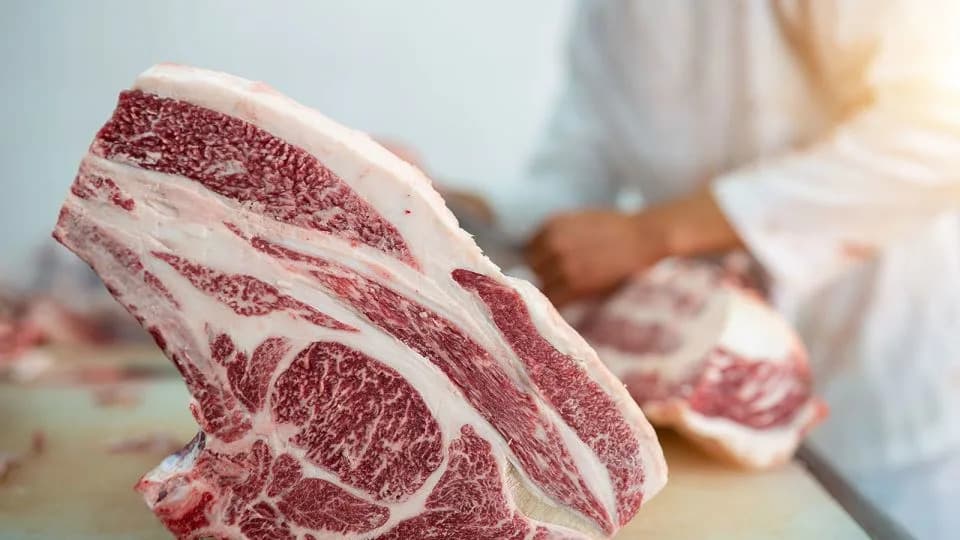
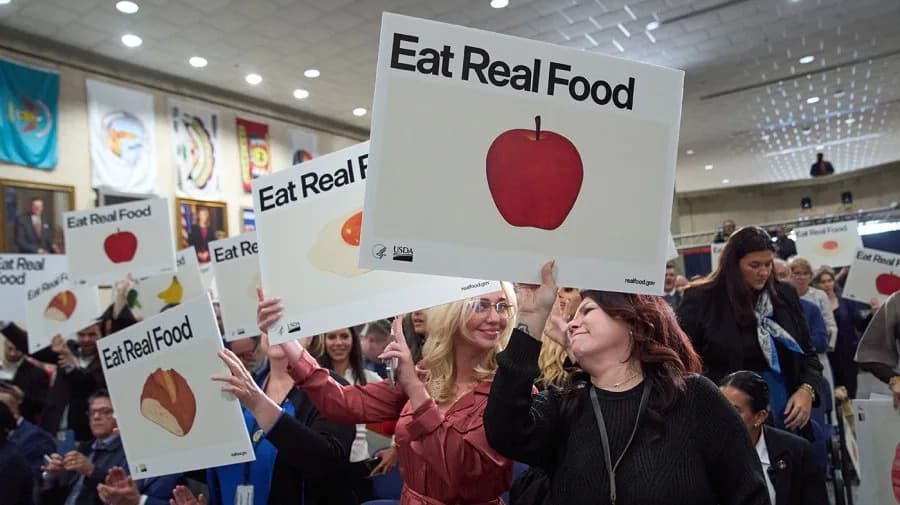
The Trump administration's revised Dietary Guidelines for Americans, celebrated by parts of the meat industry, have drawn sharp criticism from public‑health advocates who say the guidance departs from decades of nutrition science. Rather than prioritizing plant‑forward eating patterns, the new recommendations encourage greater consumption of red meat and full‑fat dairy products — changes critics warn could worsen chronic disease trends.
What the Guidelines Change
The updated guidance emphasizes getting protein at every meal and reframes some animal fats as acceptable parts of a healthy diet. It even characterizes beef tallow as a healthy fat and gives greater latitude to full‑fat dairy. Those shifts have prompted concern among nutrition researchers and public health organizations.
What The Science Shows
Large-scale research, including studies from the University of Oxford, links higher red‑meat intake (even when unprocessed) with increased risk of heart disease. The International Agency for Research on Cancer, part of the World Health Organization, classifies processed red meat as a carcinogen and red meat as a probable carcinogen in some studies, with associations to colorectal cancer.
Protein, Plant Alternatives And Saturated Fat
While adequate protein is essential, many experts note that most Americans already consume more protein than needed. Plant foods such as edamame, lentils, peas, nuts, seeds and beans provide high‑quality protein without the cholesterol unique to animal products and are typically low in saturated fat. Health authorities including the World Health Organization and prior USDA guidance recommend keeping saturated fat below 10% of total calories to reduce cardiovascular risk.
Health Benefits Of Plant‑Forward Diets
Population studies show plant‑based dietary patterns are associated with lower rates of cardiovascular disease and reduced mortality. Diets high in fiber are also linked to lower cancer risk; the American Cancer Society ties low fruit and vegetable intake to nearly one‑third of cancers of the mouth, throat, esophagus and larynx. Evidence‑based recommendations such as the American Institute for Cancer Researchs New American Plate advise filling two‑thirds or more of a meal with vegetables, fruits, beans and whole grains, reserving one‑third or less for animal proteins.
Antibiotics, Factory Farming And Resistance
The Food and Drug Administration reported a 16% rise in sales of antibiotics for use in farm animals in 2024 compared with the prior year. Most U.S. farmed animals are raised in concentrated operations where antibiotics and growth hormones are commonly used. Excessive antibiotic use in livestock contributes to antibiotic‑resistant bacteria that the Centers for Disease Control and Prevention estimates cause about 35,000 deaths in the United States each year.
Policy, Messaging And Industry Influence
“For decades, federal incentives have promoted low‑quality, highly processed foods and pharmaceutical intervention instead of prevention,” wrote Secretaries Robert F. Kennedy Jr. and Brooke Rollins in discussing the public‑health emergency.
Critics argue the new guidelines appear to prioritize agribusiness interests over preventive nutrition and offer only limited discussion of how well‑planned vegetarian and vegan diets can meet nutrient needs and improve health outcomes.
Practical Takeaways
The new guidance does include positive recommendations to eat mostly whole, unprocessed foods and to limit added sugars, highly processed products and alcohol. That consensus — favoring nutrient‑dense, minimally processed foods and more plants on the plate — is where most public‑health experts say federal policy should focus.
Author: Gene Baur is president and co‑founder of Farm Sanctuary.
Help us improve.