California lawmakers rejected Assembly Bill 1331, a labor-backed proposal that would have restricted employer surveillance in employee-only spaces and during off-duty hours and allowed $500-per-violation fines. Privacy advocates warn that AI and audio tools can let employers monitor staff even when they're off the clock; business groups countered that limits could harm safety and security. The bill passed multiple committees and the Assembly but failed on the Senate floor, leaving the debate over workplace privacy unresolved.
Your Boss Might Be Watching: Why California Senators Rejected a Bill to Limit Workplace Surveillance
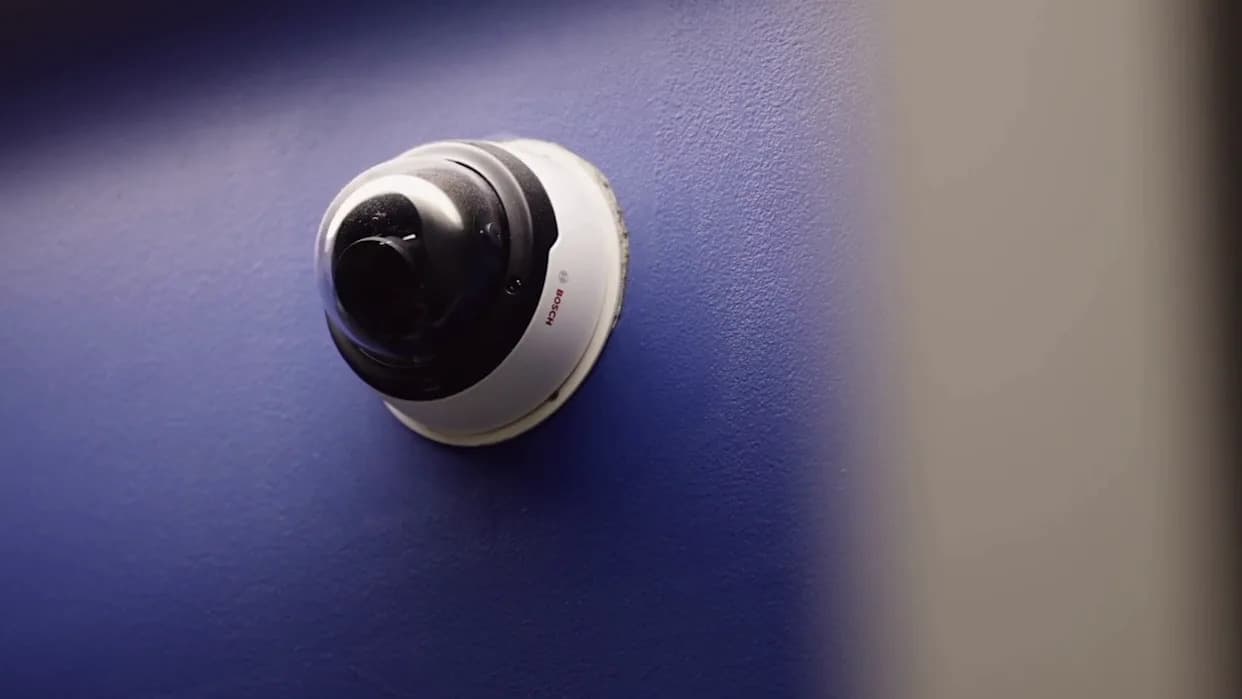
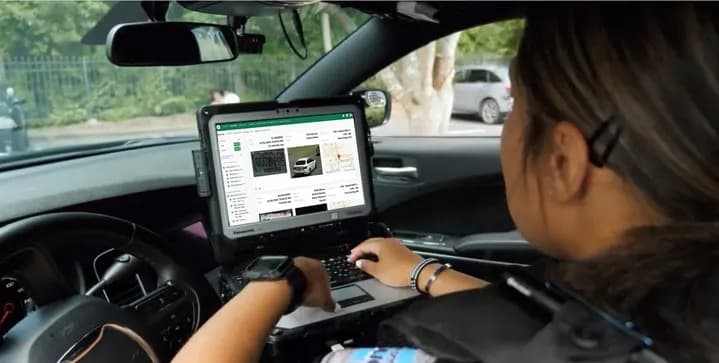
Do you sometimes feel like someone is watching you at work? In California, that feeling may be founded: employers increasingly use cameras, microphones and new AI tools to monitor employees — sometimes even when they're off the clock.
What Happened
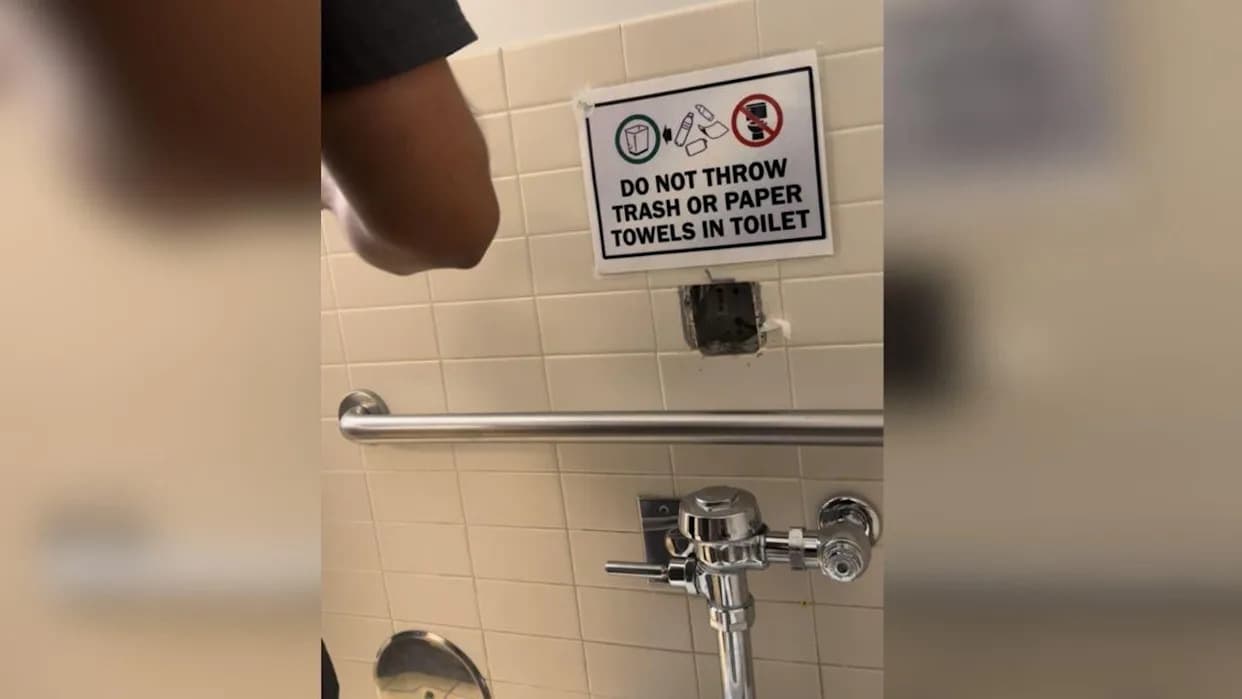
Labor groups last year sponsored Assembly Bill 1331, a proposal to restrict workplace surveillance by barring monitoring in employee-only areas such as break rooms, locker rooms and lactation rooms, and by limiting employer tracking during off-duty hours. The bill would also have allowed public prosecutors to seek civil penalties of $500 per violation.
Why It Failed
The proposal cleared seven legislative committees and won passage in the Assembly, but it ultimately died on the Senate floor. Business groups mounted a vigorous campaign against the bill, arguing that sweeping limits on monitoring — including AI and audio tools used in public-facing spaces — could impair safety, security and loss-prevention. "We respectfully disagree that an employee has the same right to privacy in those spaces where you could have other employees," testified Ashley Hoffman on behalf of the California Chamber of Commerce at a June 2025 Senate committee hearing.
Privacy, Technology and Workplace Trust
Privacy advocates say new artificial-intelligence systems and audio analysis can enable employers to record and scan conversations, flag keywords tied to performance or complaints, and even infer how often employees visit private spaces — without technically recording explicit video inside bathrooms where privacy is already protected by law.
"Employers have a lot of latitude in the workplace to do video monitoring and really lots of different kinds of surveillance," said Hayley Tsukayama of the Electronic Frontier Foundation. "Some of that monitoring doesn't get turned off when they're off the clock."
"Along with watching us, she was also listening. If she saw me or heard me on the cameras not greeting a customer the right way... she would text us or email or call the store phone about it." — Olivia Stober, former retail employee
For workers such as Olivia Stober, pervasive monitoring eroded trust and prompted her to find a new job where cameras are focused only on entrances rather than staff. "My bosses trust me," she said. "They trust me to do my job, and so I do my job really well."
What Comes Next
The debate in California highlights a broader national tension between employer tools that promise efficiency and security and workers' demands for privacy and dignity. With Assembly Bill 1331 dead for now, the discussion is likely to continue in the courts, at local government levels and in future legislation as technology and workplace norms evolve.
Help us improve.