Many California drivers pay far more than the stated traffic violation because supplemental fees are added to base fines, sometimes funding programs unrelated to traffic enforcement. A red light camera citation for Kris Kahrs in April 2025 shows a $100 offense ballooning to $486 after added charges. A state audit called the fee system "seemingly arbitrary" and urged a full review; auditors say lawmakers have not acted. Advocates warn the levies disproportionately burden low-income drivers and reduce overall collections.
How Hidden Fees Turn a $100 California Ticket Into a $486 Bill
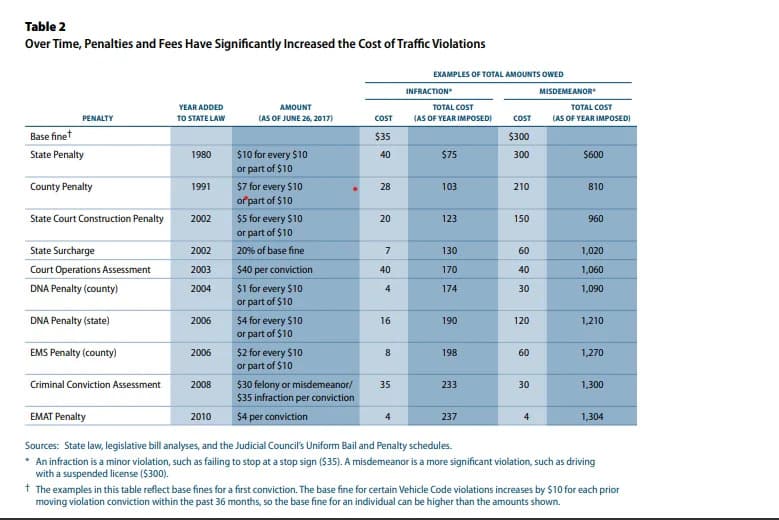
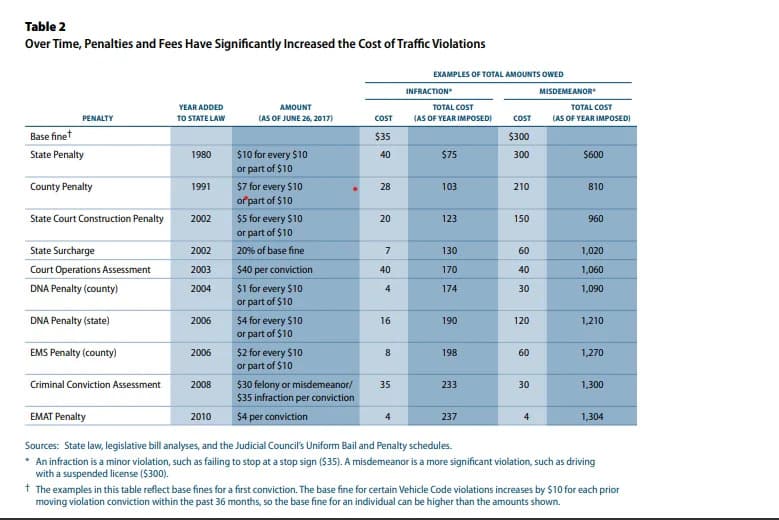
/ Credit: Joint Legisative Audit Committee
Getting a traffic ticket is unpleasant — and the sting is often worse when the final bill is far larger than the violation itself. Many Californians do not realize the total they are asked to pay can include a long list of supplemental charges, some of which have little or no connection to traffic enforcement.
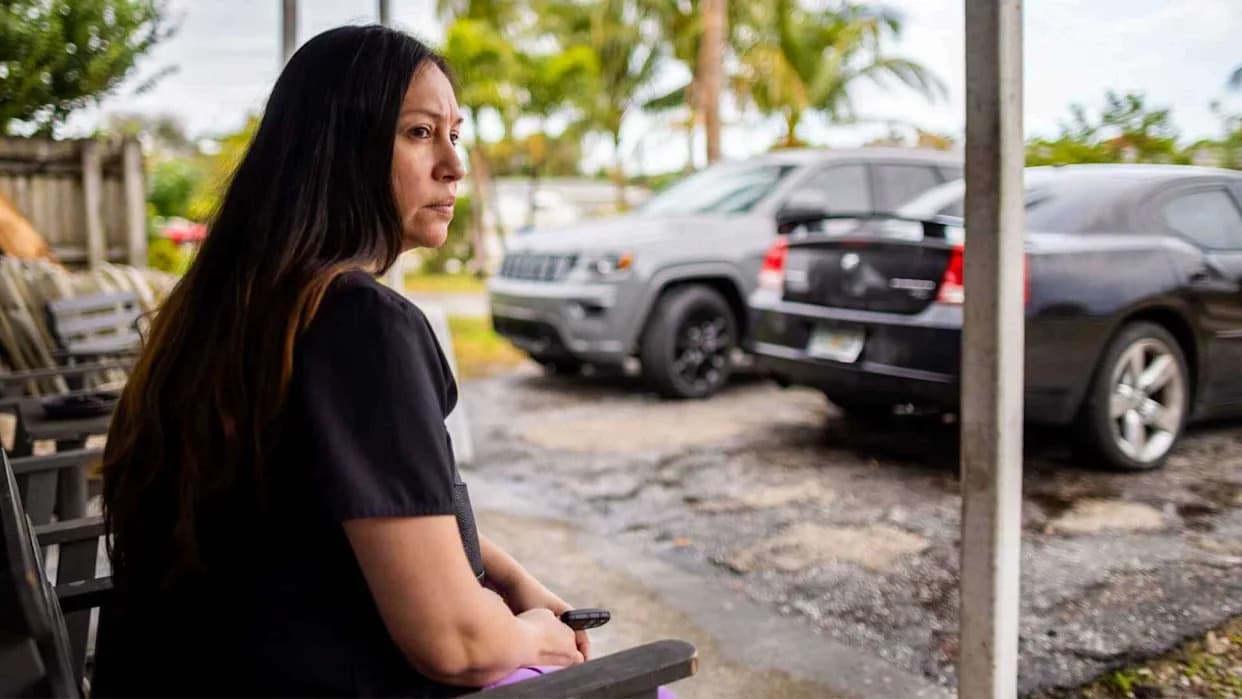
In April 2025 a red light camera captured Kris Kahrs driving through an intersection. The underlying violation listed on the citation was $100, but the bail total she was asked to pay arrived at $486.
"As I was pulling, approaching this light, which was starting to turn yellow, there was no chance to stop at that point," Kahrs said.
The dramatic difference between the base fine and the amount due is explained by a series of additional fees layered on top of the statutory penalty. State law permits only certain agencies to impose many of these surcharges, meaning some fees appearing on local traffic citations are technically unlawful unless levied by the state.
What Are These Fees—and Why Do They Matter?
Over the years lawmakers and program authors have tacked nearly a dozen supplemental charges onto traffic citations. Some of these assessments fund programs unrelated to traffic safety, such as payments to the Fish and Game Preservation Fund. Others are administrative or court-related surcharges that can add dozens or hundreds of dollars to a basic ticket.
Nearly a decade ago the Joint Legislative Audit Committee commissioned a state audit, which warned that the current fee structure was a patchwork of charges that were "seemingly arbitrary" and not clearly tied to the offense or to specific program needs. The auditor urged the legislature to "reconsider the entire penalty and fee structure." Eight years later the auditor says lawmakers have still not acted on that recommendation.
"It's not very effective because it's inefficient. People can't pay what they don't have," the auditor observed, noting that unpaid fines are common.
Who Bears the Burden?
Advocates say the supplemental fees disproportionately harm low-income drivers. Brandon Greene of the Western Center on Law and Poverty pointed to audit findings that traffic fines and related fees often go unpaid because they represent a significant financial burden. That dynamic reduces collections and can push families into deeper financial trouble when unpaid balances trigger additional penalties.
"We have to be honest about who is being impacted," Greene said. "The people we're talking about are not the people who can send an email or call a legislative office."
As the state faces a multi-billion-dollar budget shortfall, revenue from fines and fees has declined year over year, even as lawmakers have used traffic violations as a source of revenue. The audit and later advocates suggest that relying on fines to fund unrelated programs is inefficient and regressive.
State Response
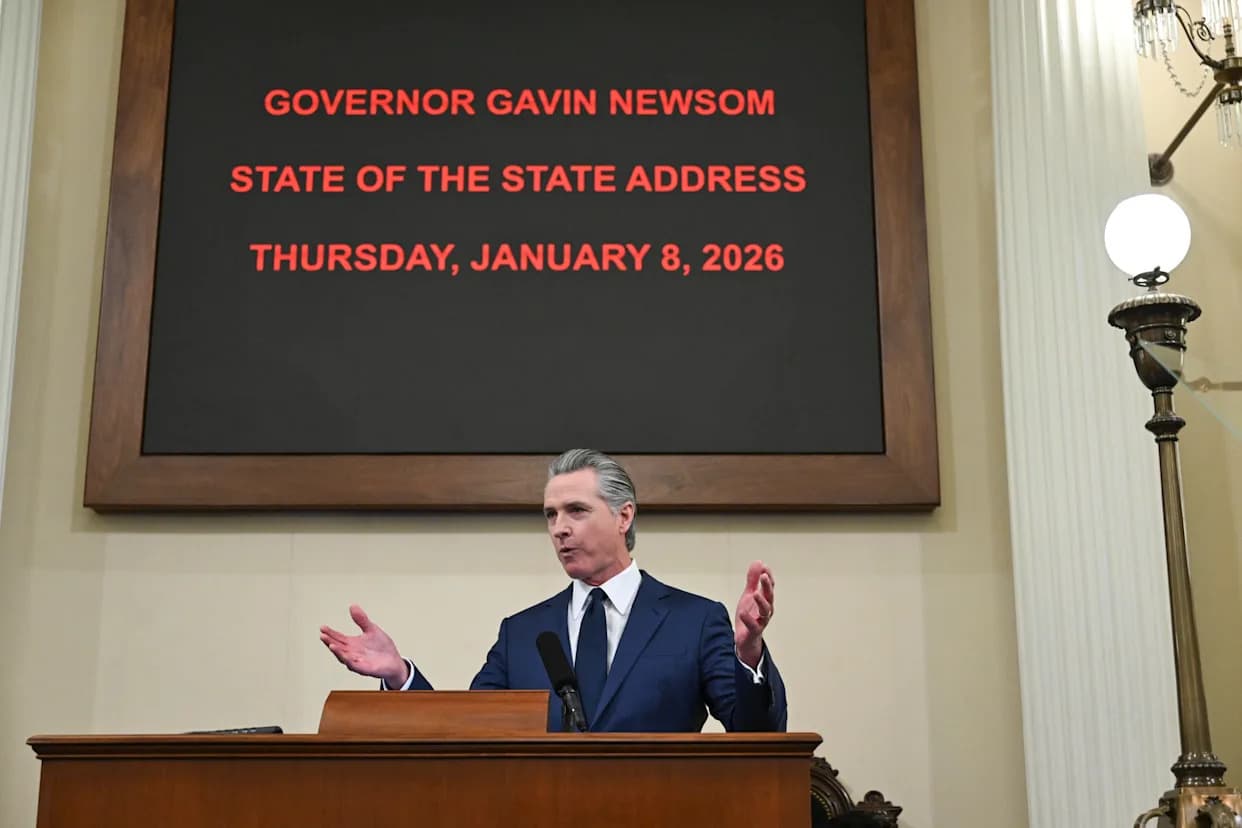
When asked whether he planned to address these hidden fees, Gov. Gavin Newsom did not respond directly. Kimberly Erickson, a spokesperson for the California State Transportation Agency, said the state supports transparency and proportionality in traffic-related fees.
"The state believes traffic-related fees should be appropriate, transparent, and encourage safe and responsible driving. Every Californian deserves safe roads and a fair system of accountability," Erickson said. "We continue to work with the legislature, courts, and local partners to ensure penalties advance public safety while maintaining affordable access to transportation for all Californians."
For drivers like Kahrs, the gap between the fine printed on a ticket and the final amount demanded can feel hidden and unfair. Advocates and auditors urge lawmakers to overhaul the fee structure to make penalties clearer, fairer, and better tied to actual program needs.
Help us improve.