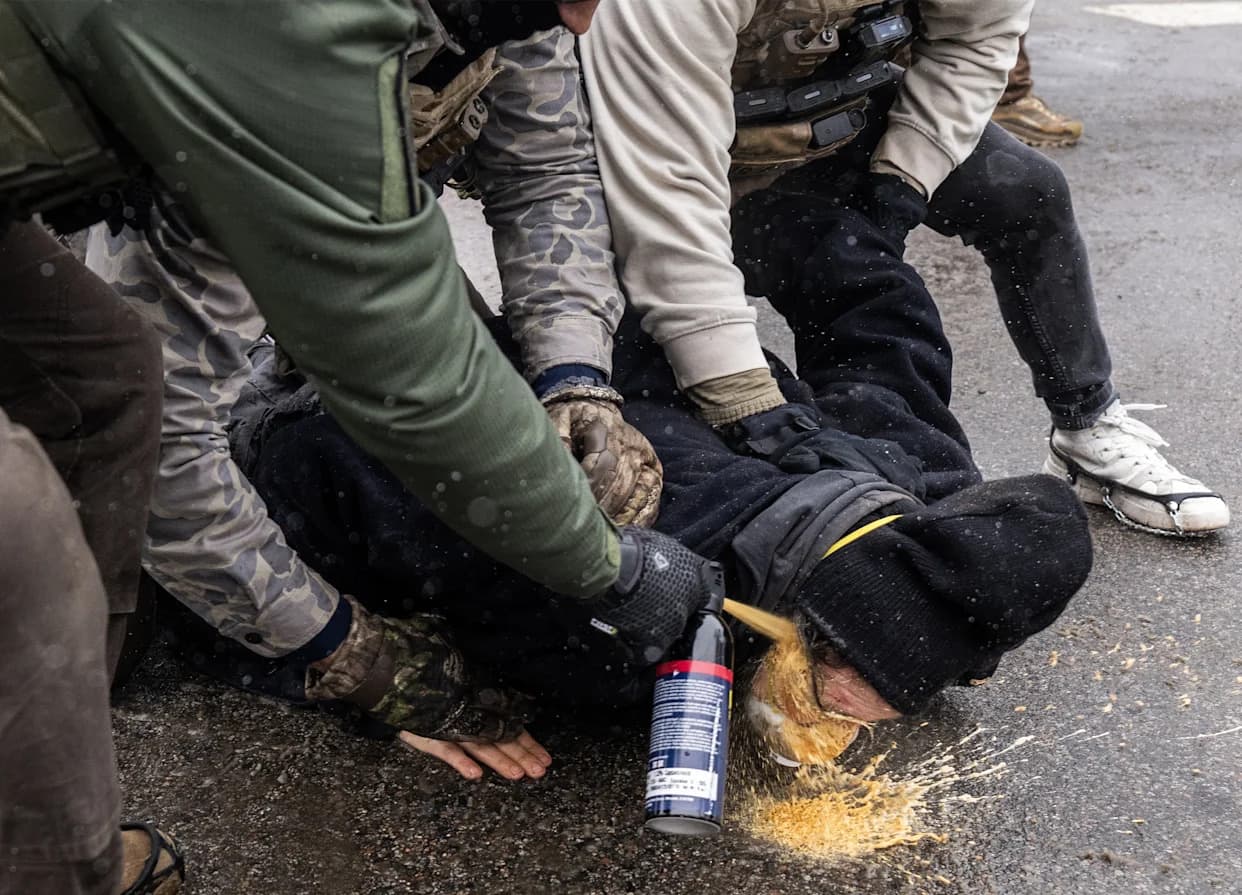
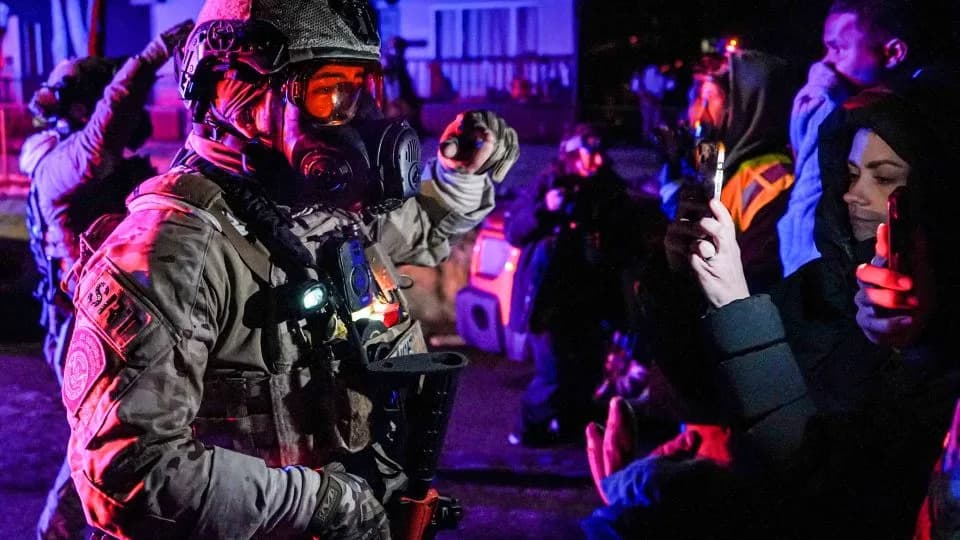
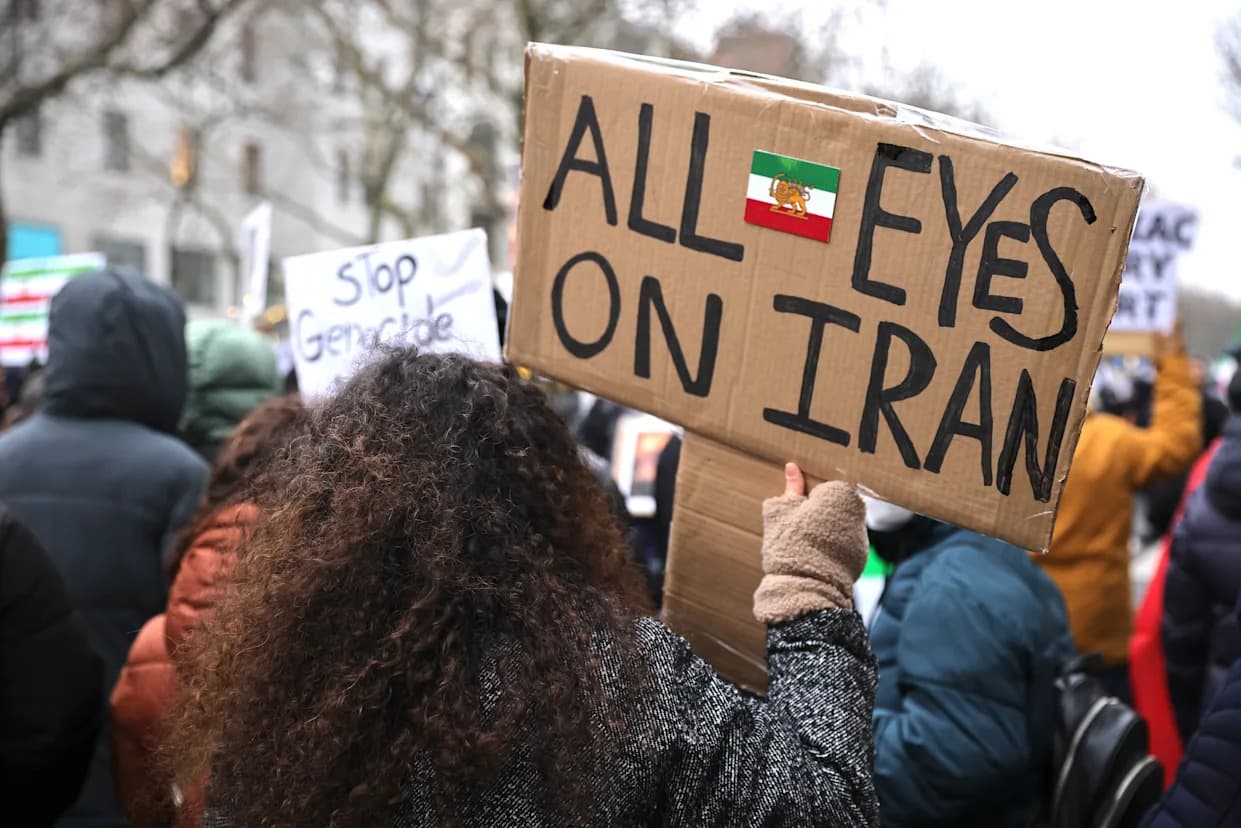
Maryland Delegate David Moon has introduced a bill to enable courts to preserve and, in limited circumstances, disclose digital records that could identify anonymous ICE agents accused of violent or unconstitutional conduct. The proposal covers a wide range of digital evidence—license plate logs, cell-tower and GPS metadata, StingRay records, facial-recognition and image data—and requires a court order in civil-rights suits or criminal prosecutions. The law would take effect Oct. 1, 2026, and was filed the day after the Jan. 7 Minneapolis shooting that killed Renee Nicole Good. Supporters say it helps accountability; critics warn of privacy and jurisdictional concerns.
Maryland Lawmaker Proposes 'Digital Unmasking' To Identify Anonymous ICE Agents After Fatal Minneapolis Shooting
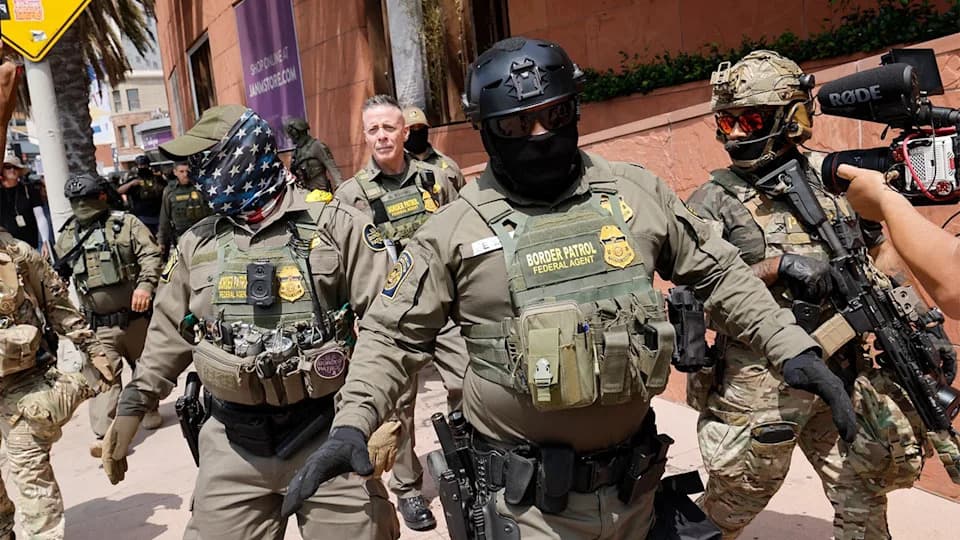
Gregory Bovino, chief patrol agent of the El Centro Sector and commander of Operation At Large CA, marches with federal agents toward the Edward R. Roybal Federal Building in Los Angeles on Aug. 14, 2025.(Getty Images)
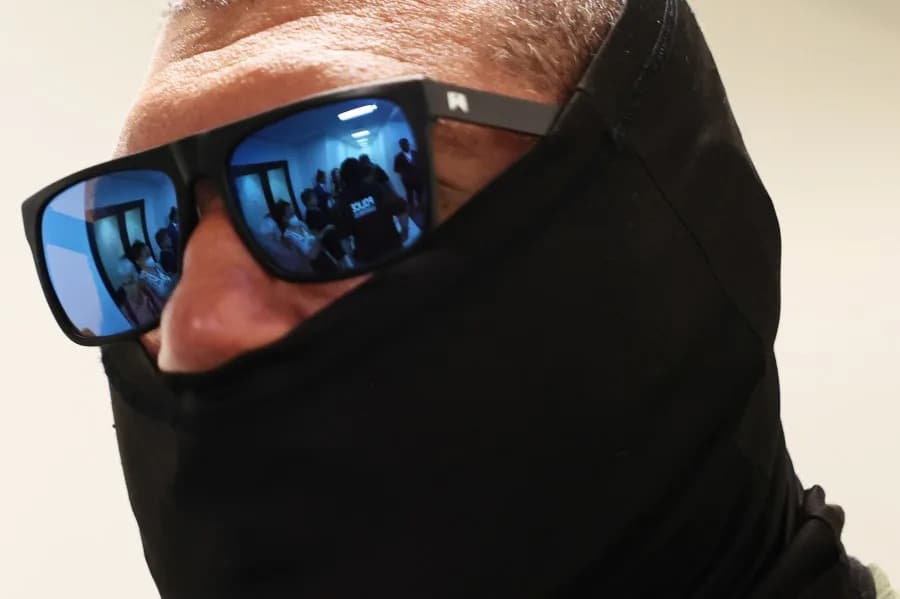
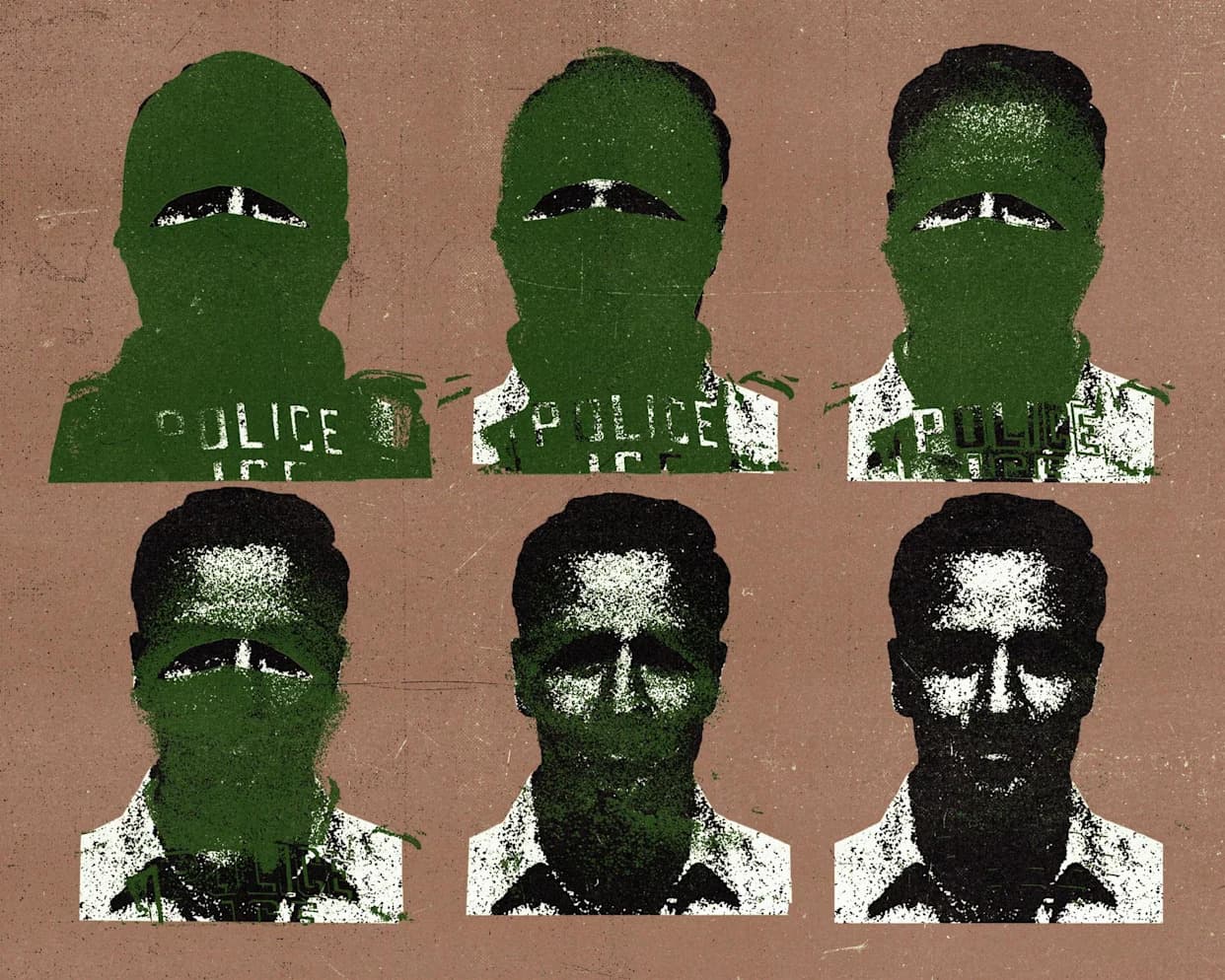
Maryland State Delegate David Moon has filed legislation to allow courts to preserve and, in narrow circumstances, disclose digital records that could reveal the identities of U.S. Immigration and Customs Enforcement (ICE) agents accused of violent or unconstitutional misconduct.
What the Bill Would Do
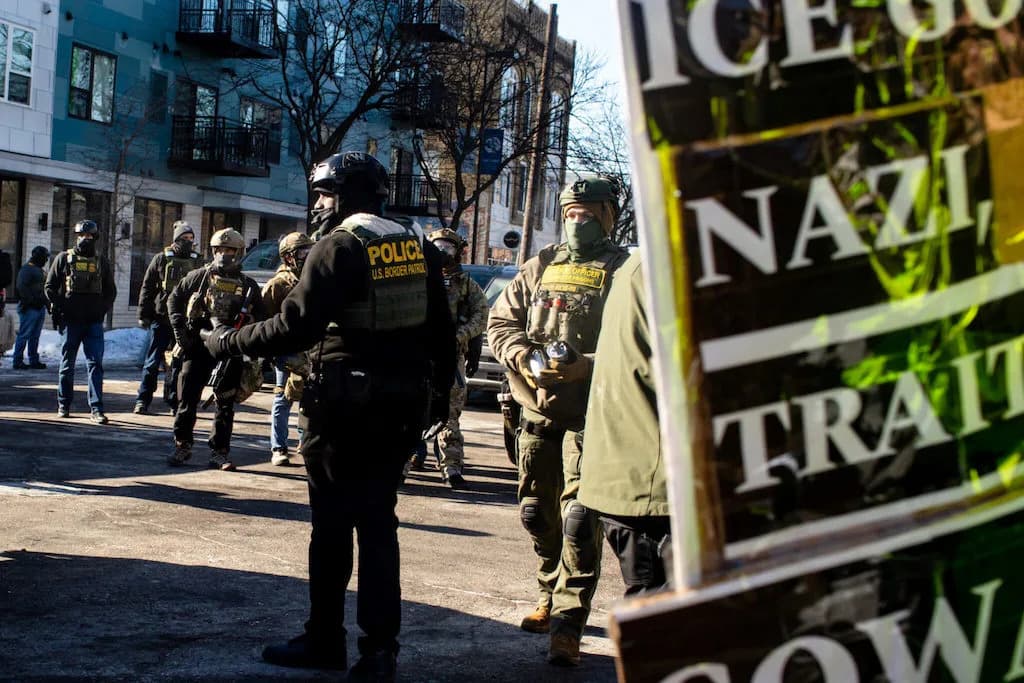
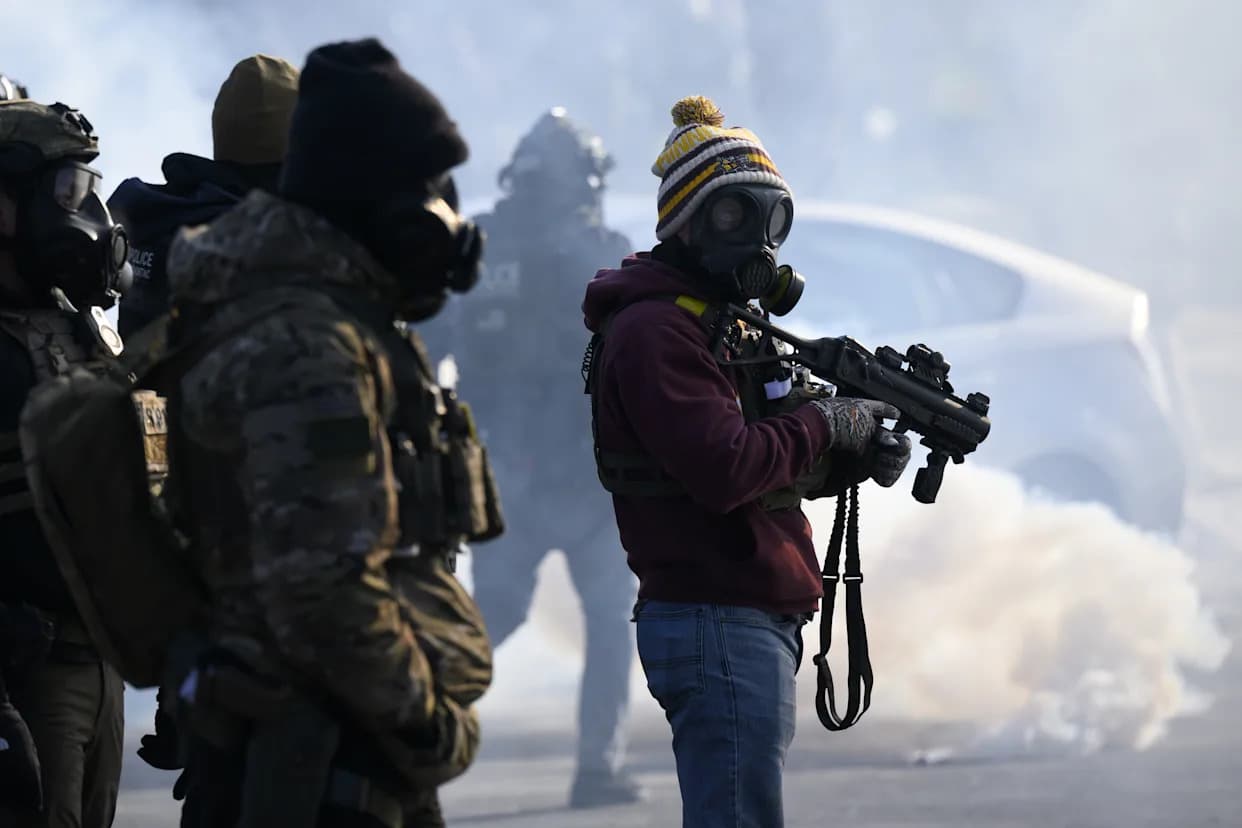
The proposal would create a court-authorized process for the preservation and limited disclosure of "identifying digital data"—digital evidence that could confirm an agent’s identity in enforcement encounters where officers are not visibly identifiable. The measure targets serious cases and requires a court order issued in either a civil lawsuit alleging constitutional-rights violations or a related criminal prosecution.
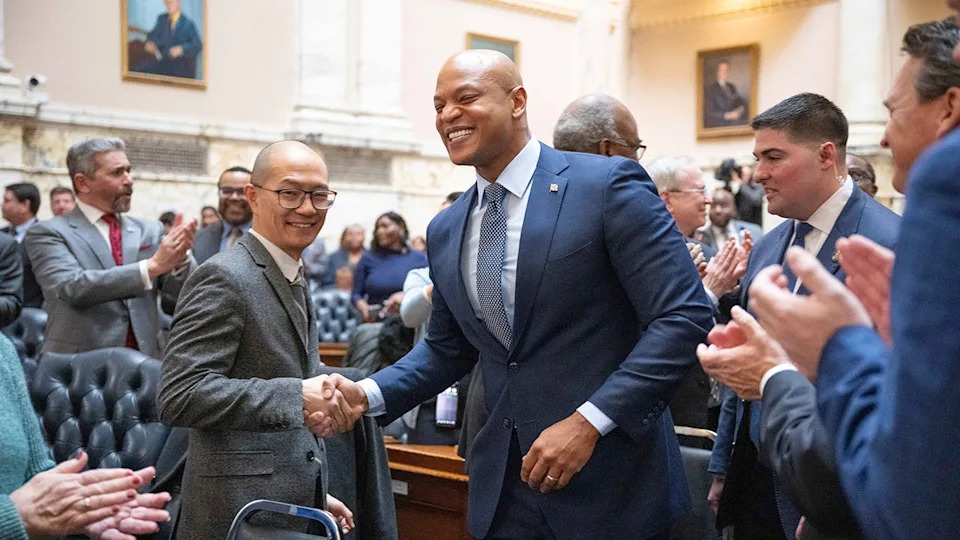
Democrat Maryland Governor Wes Moore shakes hands with state delegate David Moon.
Types Of Data Covered
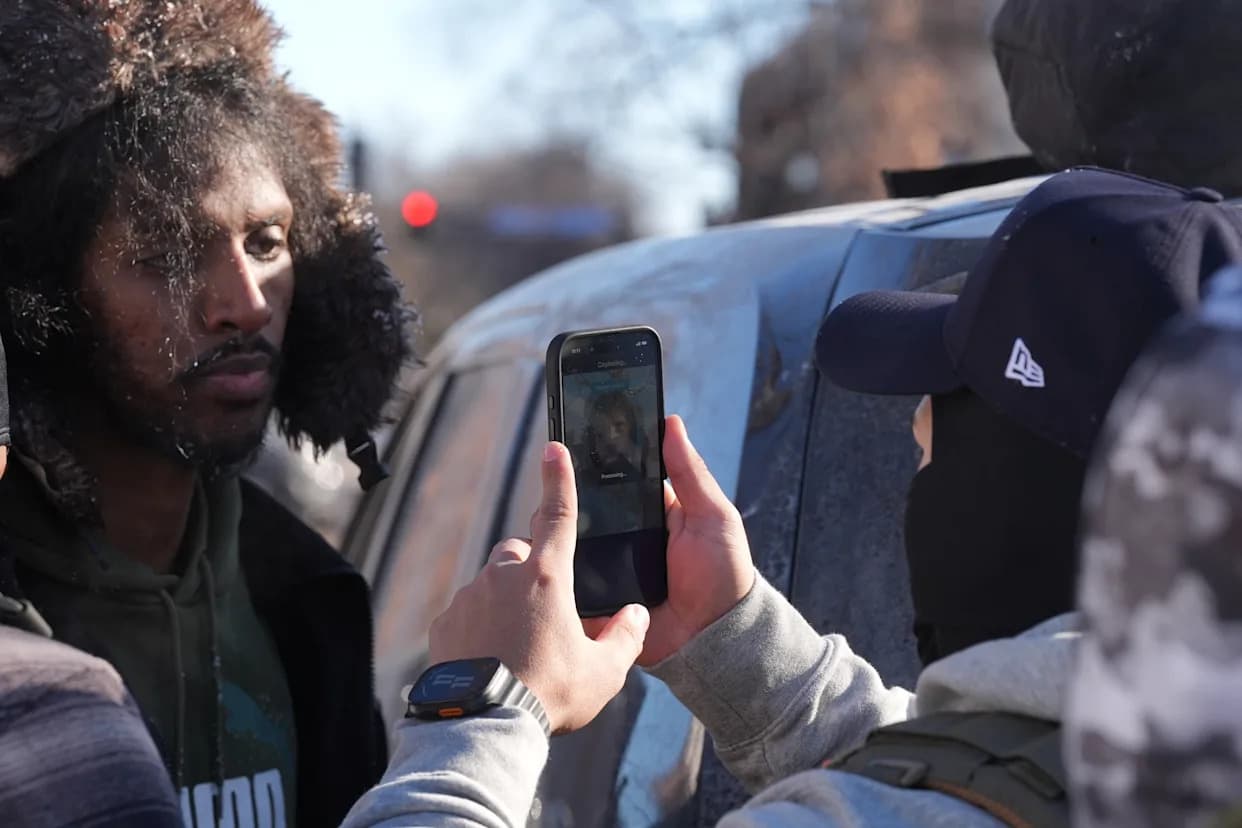
The bill defines identifying digital data broadly to include, but not be limited to:
- License plate records
- Cell-tower and cellphone metadata
- GPS and other location data
- Image search results and video evidence
- Records from StingRay-type devices
- Facial-recognition data and other retrievable digital evidence
Safeguards And Timing
Access to preserved data would be strictly limited to serious, court-authorized matters to balance accountability with privacy and operational concerns. The legislation includes a delayed effective date—Oct. 1, 2026—to allow state agencies and courts time to develop procedures for preserving, handling, and safeguarding covered digital records.

Renee Nicole Good moments before she was shot and killed by a federal agent in Minneapolis.
Context And Reaction
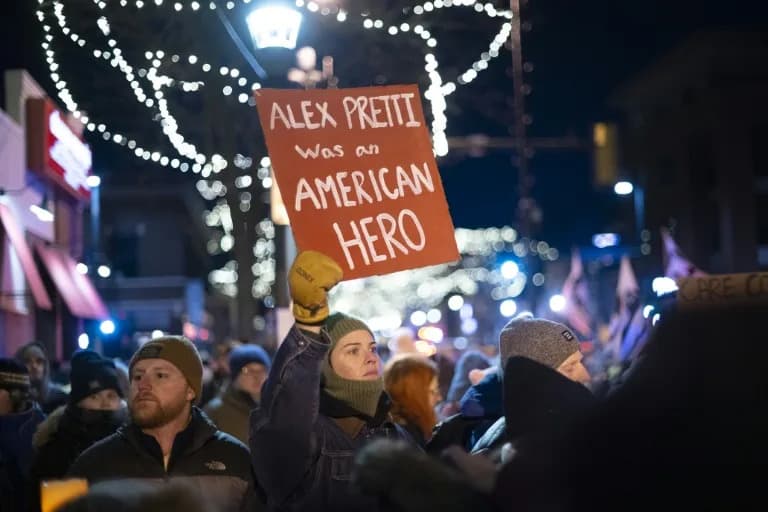
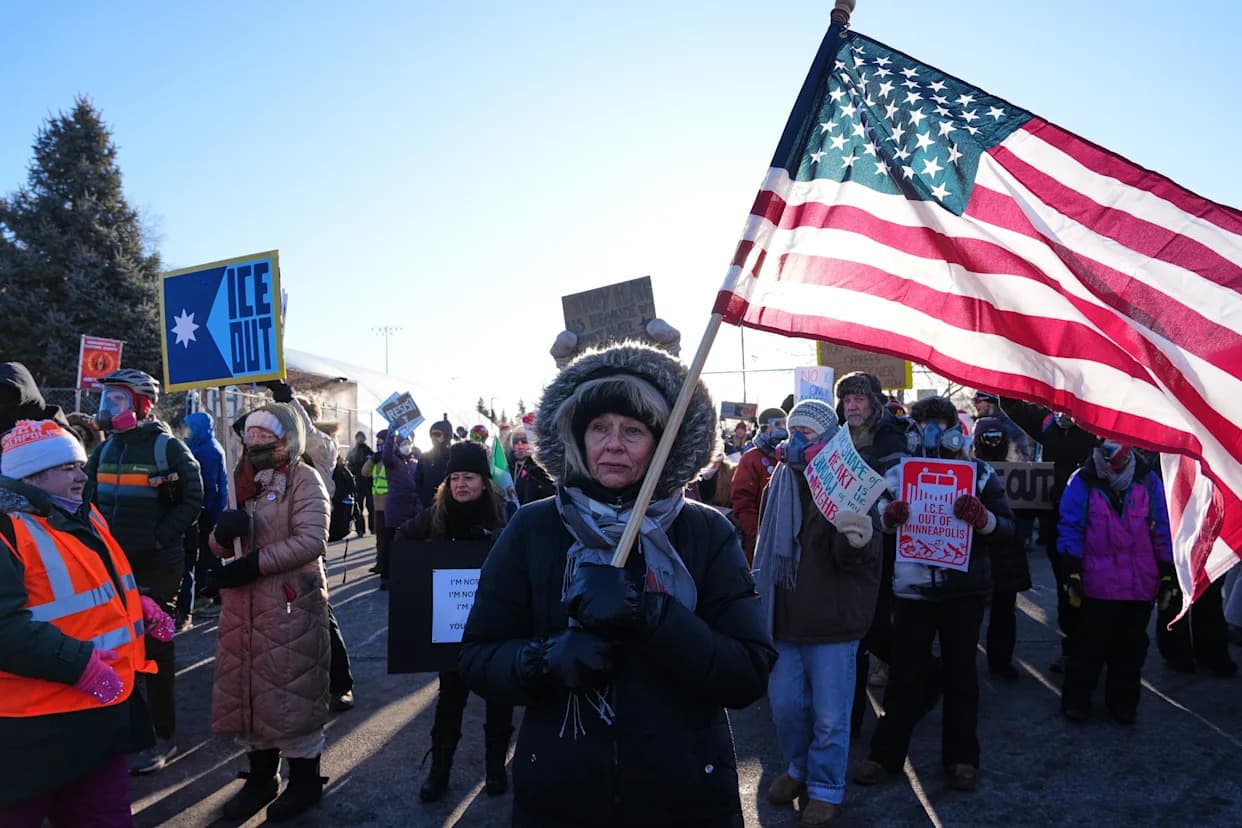
Moon introduced the bill the day after a Jan. 7 incident in Minneapolis in which 37-year-old Renee Nicole Good was shot and killed by an ICE agent. Cellphone video of the encounter generated widespread attention. Federal officials have said the agent acted in self-defense after Good’s vehicle moved toward the agent; the Department of Homeland Security characterized her actions as "an act of domestic terrorism." Others, including some local residents and Democratic lawmakers, have criticized the shooting and called for investigation and accountability.
“I’m introducing a bill to ‘digitally unmask’ anonymous ICE agents involved in violent or unconstitutional misconduct. Maryland would use widely available technology to preserve identifying data so victims can seek justice in court for serious, credible cases,” Delegate David Moon wrote on X.
Moon did not immediately respond to requests for comment.
Legal And Practical Considerations
The bill is framed to limit disclosure to cases with a high legal threshold and to avoid unfettered access to sensitive data. If enacted, it may raise questions about state-federal coordination, evidentiary procedures, and privacy protections for both agents and the public—issues lawmakers and courts would likely confront during implementation.
Note: The bill applies within Maryland and focuses on enabling preservation of evidence that could help identify federal agents in specific, serious cases; it does not itself authorize prosecutions or direct federal law-enforcement operations.
Help us improve.