The federal push to centralize voter rolls, driver’s license files and benefit records has prompted bipartisan action to limit surveillance tools and protect personal data. Automated license plate readers (ALPRs) are a flashpoint: privacy advocates warn they enable long-term tracking and potential ICE access, while law enforcement says they help solve crimes. Several states and many cities have restricted ALPR use or ended vendor contracts, and new laws such as Montana's require warrants for certain electronic searches.
States Across The Political Spectrum Limit License Plate Readers As Federal Data Push Raises Privacy Fears
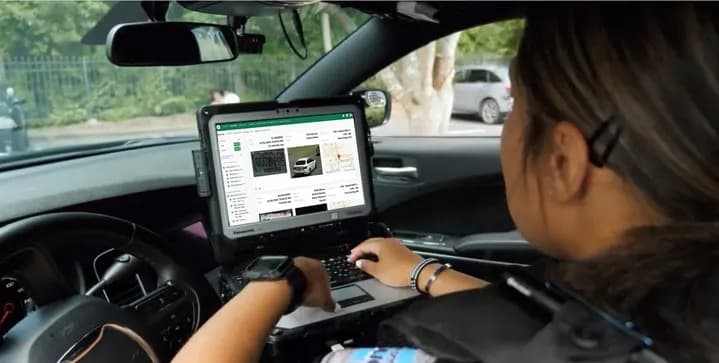
A police officer uses the Flock Safety license plate reader system.
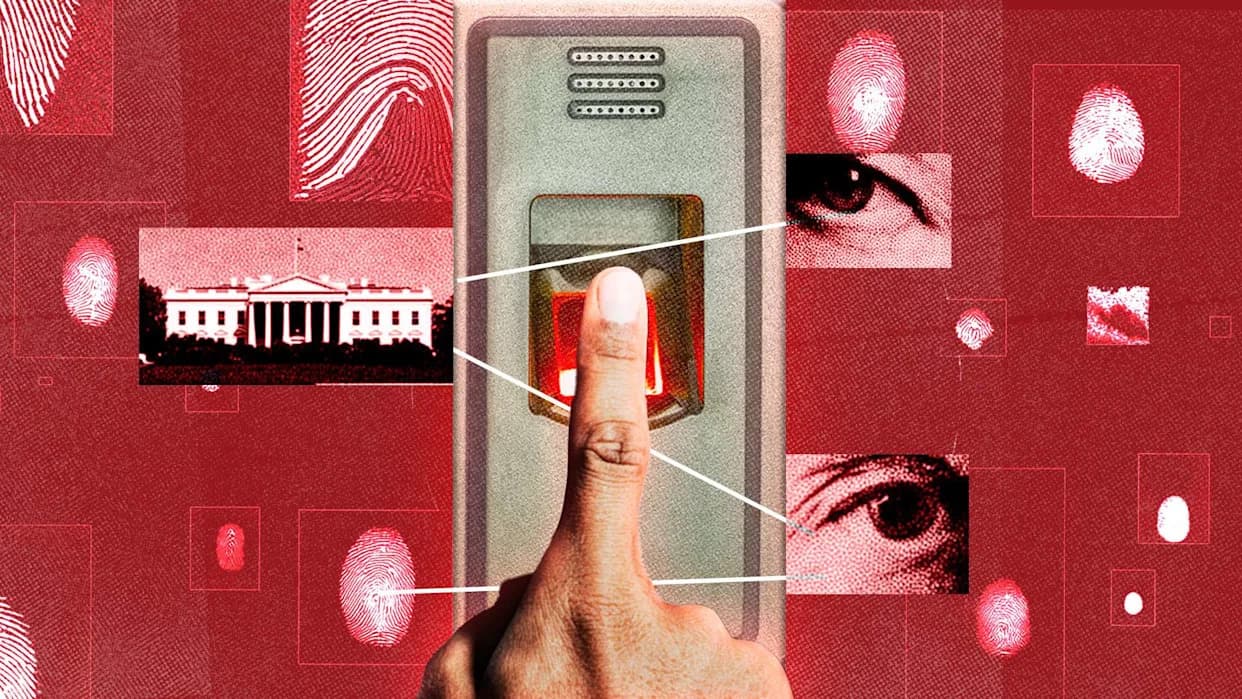
A growing number of U.S. states and cities are adopting new rules to limit surveillance and protect residents' personal data as federal officials pursue centralized access to voter rolls, driver’s license files and benefit program records.
A Bipartisan Reaction
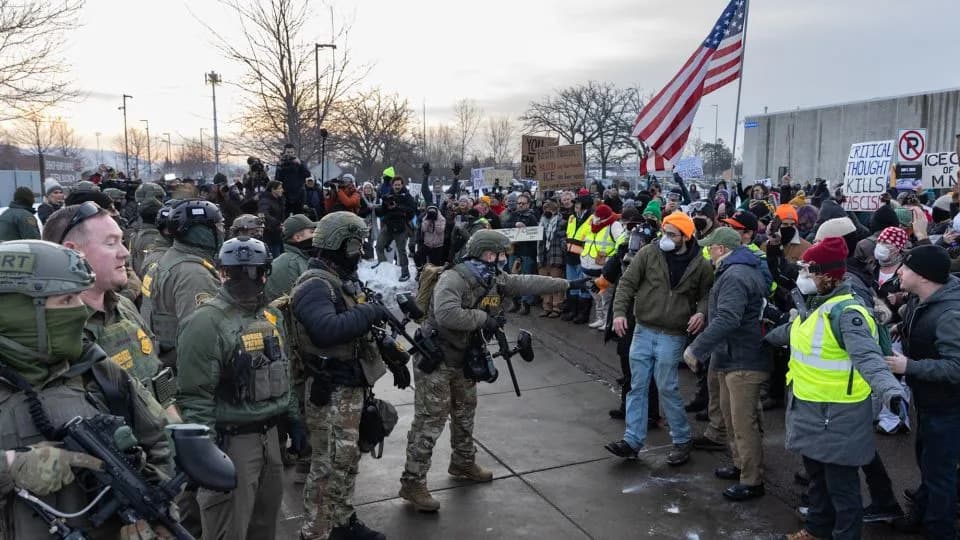
Local and state governments from both sides of the aisle have moved to curb data sharing and restrict tools that can be used for broad tracking. Republican-led legislatures in Arkansas, Idaho and Montana passed measures last year intended to shield information gathered by automated license plate readers (ALPRs) and other systems. They joined Democratic-led states including Illinois, Massachusetts, Minnesota, New York and Washington, which have explicitly blocked U.S. Immigration and Customs Enforcement (ICE) from accessing driver’s license records.
What License Plate Readers Do And Why They Alarm Privacy Advocates
ALPRs are high-speed cameras with software that capture license plates as vehicles pass. They can be mounted on patrol cars, street poles or concealed in fixtures. Some systems retain plate reads in searchable databases for years, creating long-term location histories that privacy groups say are vulnerable to misuse or hacking.
William Owen, communications director at the Surveillance Technology Oversight Project, warned that intelligence sharing among agencies has enabled ICE to sidestep sanctuary protections and tap local police databases and tools, including ALPRs and facial recognition.
Research from the Brennan Center for Justice has highlighted the risks of data exposure, and the International Association of Chiefs of Police notes wide variation in how long agencies keep ALPR data. Law enforcement proponents argue the technology is an effective tool for locating suspects and solving serious crimes.
Flock Safety: Deployment And Controversy
Flock Safety, the largest private provider of ALPR systems in the U.S., says its cameras operate in more than 5,000 communities and connect to more than 4,800 law enforcement agencies across 49 states. The company reports roughly 20 billion license plate reads per month and provides searchable data to police departments to assist investigations.
Flock Safety spokesperson Holly Beilin told Stateline the company has no contractual relationship with ICE and that many cities, including some liberal or sanctuary jurisdictions, continue to sign contracts. She also noted the cameras have been credited with helping to solve high-profile cases, including identifying a suspect in the Brown University shooting and helping locate the person who killed an MIT professor late last year.
Local Pushback And Examples
Municipal responses have varied. Cities in Colorado, Illinois, Massachusetts, New York, North Carolina, Texas and Washington terminated contracts with Flock Safety last year. In Denver, the City Council voted unanimously to end its contract, but the mayor later extended it; audit logs cited by the ACLU of Colorado reportedly show more than 1,400 searches run for ICE since June 2024.
In Syracuse, councilor Jimmy Monto led the effort to cancel his city's Flock Safety contract, citing the large new American and refugee populations for whom broad location tracking creates acute risks if data is shared without judicial oversight.
Legal Protections And The Fourth Amendment
Montana enacted a law that bars government entities from accessing electronic communications and related material without a warrant. Republican state Sen. Daniel Emrich, the bill's sponsor, framed the law as a nonpartisan defense of Fourth Amendment protections against unreasonable search and seizure.
Where The Debate Stands
The debate centers on how to balance public safety with privacy and civil liberties. Advocates urge strict limits on data retention, transparent policies on who can search records, and local safeguards to prevent federal agencies from accessing sensitive information without judicial oversight. Local leaders and privacy groups say maintaining strong constitutional protections is essential for all communities.
Reporting by Stateline. Contact: Shalina Chatlani at schatlani@stateline.org.
Help us improve.