Employees at Kaiser Permanente's West Los Angeles hospital found a hidden camera in a key-card staff restroom used by emergency department personnel. An internal investigation led to a suspect being identified, arrested by the LAPD and removed from employment. Attorneys representing more than 22 staff say the hospital failed to protect employees in a private workspace; the LAPD's Special Assaults Section is handling the sensitive probe. Authorities have not confirmed whether any images were shared.
Hidden Camera Discovered in Staff-Only Bathroom at West LA Kaiser Hospital; Employee Arrested
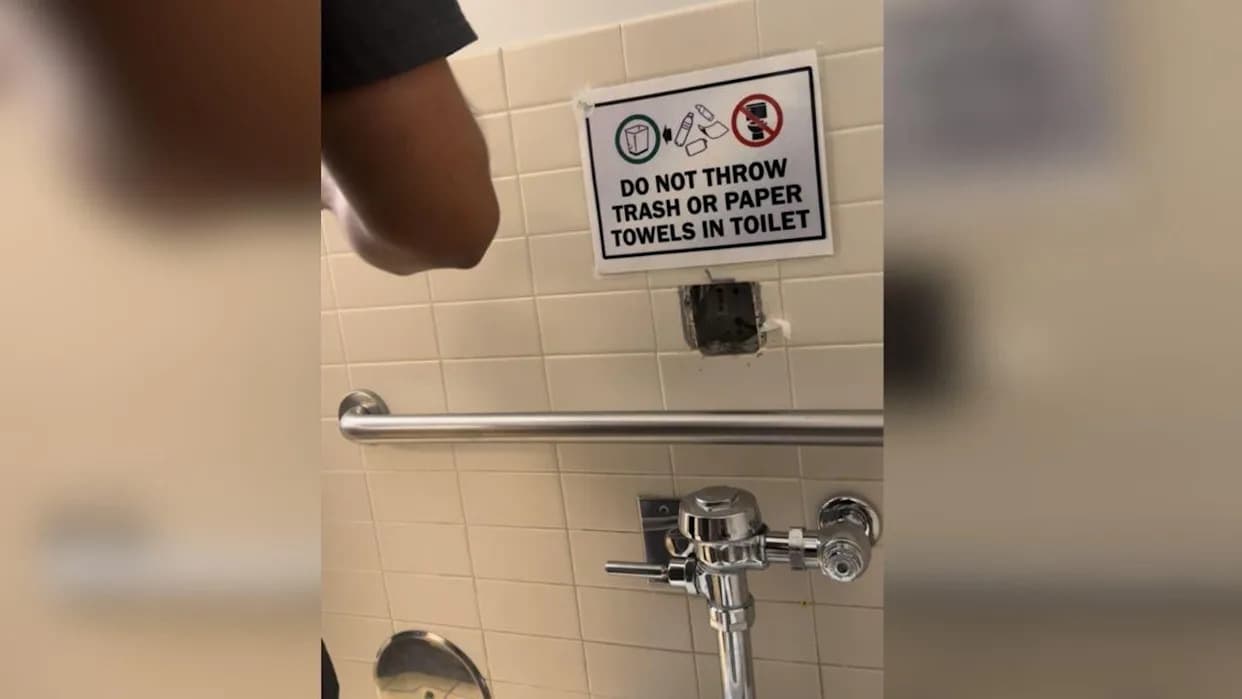
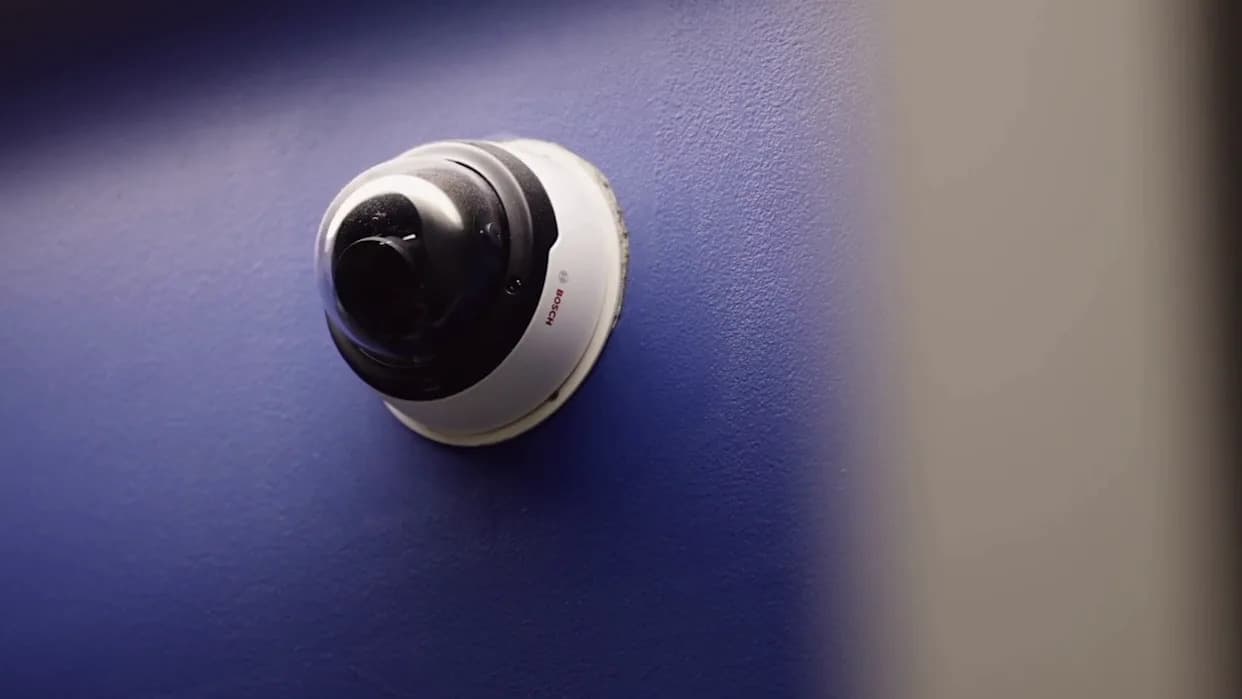
Employees at the Kaiser Permanente hospital in West Los Angeles discovered a hidden camera concealed inside a staff-only bathroom used by emergency department personnel. The device was found late in November and prompted an immediate criminal and internal investigation.
Tyesha Sullivan, a registered nurse in the emergency department, said she first noticed an unfamiliar object tucked at the back of a stall and did not immediately recognize it as a camera. By the end of her shift, several colleagues had become suspicious and confirmed the device was a recording camera.
"It was maybe about eight of us in there and that's when I discovered that it was a camera, I was very shocked," Sullivan said.
Attorney Jamal Tooson said his office is representing more than 22 Kaiser employees — nurses and support staff — and that his team has been receiving calls daily from other employees with related concerns. Tooson alleges the employer failed to protect staff from unlawful surveillance in a space that should be private.
"There's been at least one other instance that I'm aware of at another Kaiser location," Tooson said.
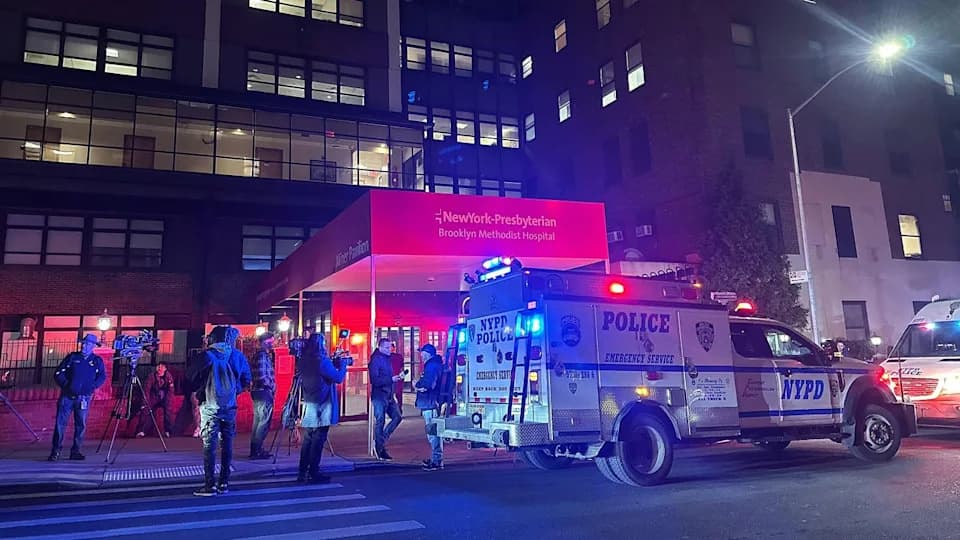
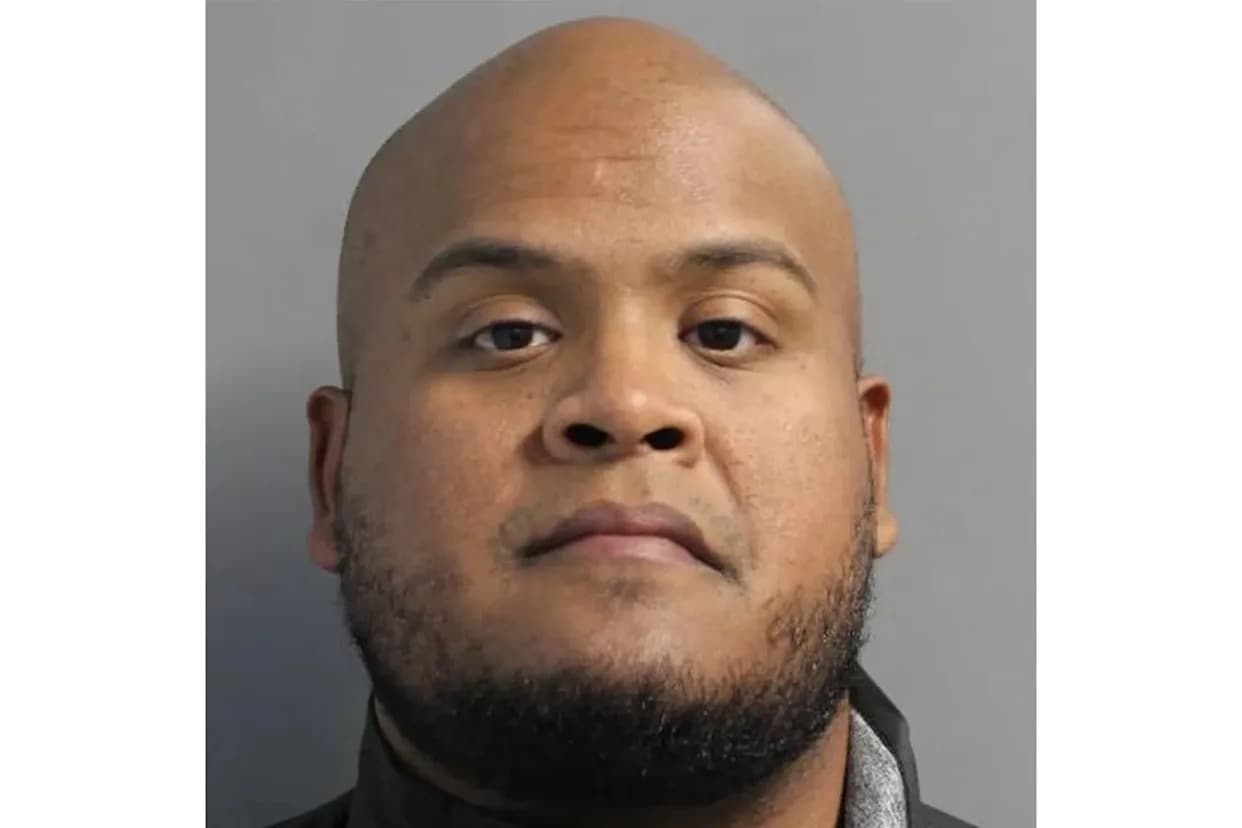
In a statement to local media, Kaiser Permanente said it was "shocked and deeply upset" by the discovery. The company reported the matter immediately to the Los Angeles Police Department and opened an internal inquiry. "During the course of the investigation, a Kaiser Permanente employee was identified as a person of interest and subsequently arrested by the Los Angeles Police Department. That individual is no longer employed by Kaiser Permanente," the statement said.
Law enforcement has separately been investigating a hidden camera found last summer in a public restroom at a Kaiser Medical Center in Vallejo, Northern California. Last year, a group of mostly female first responders also sued after three hidden cameras were discovered inside bunk rooms at a San Diego County fire station; the devices there were reportedly disguised as a phone charger and an alarm clock.
Vanessa Gilmore, a retired federal judge and another attorney representing hospital employees, stressed employers' obligations to provide safe workplaces — including secure private spaces. She compared the case's troubling implications to child exploitation matters she handled on the bench, noting victims' additional trauma when images or recordings persist online.
"One of the things that was the most troublesome for the victims is the thought that these photographs persisted on the internet in perpetuity," Gilmore said. "It can be very difficult to find and remove such images."
The Los Angeles Police Department confirmed an arrest was made for alleged invasion of privacy and that the suspect has been formally charged by the LA City Attorney. Because of the sensitive nature of the alleged recordings, the LAPD's Special Assaults Section is handling the investigation. Authorities have not disclosed whether any images or video captured by the device have been shared.
Jody Russell, an engineer at security firm Ambient.AI, said covert recording incidents appear to be increasing. He advised that anyone who suspects recording devices should not confront potential suspects or tamper with evidence but should report concerns to law enforcement immediately. Simple precautions, he said, include visually scanning a room for unusual objects or blinking lights and asking facility security to assist.
Attorneys emphasized that the camera in this case was placed inside an employee restroom that requires a key card for entry and is used by staff assigned to the emergency department. "I feel as though when I go to work, I'm not really focused on what I need to be focused on, which is my patients," Sullivan said. "I'm more focused on who could be watching me."
The investigation is ongoing. Employees and others who suspect illegal surveillance are being urged to preserve potential evidence (photos, device location) and contact local law enforcement rather than confronting suspects directly.
Help us improve.