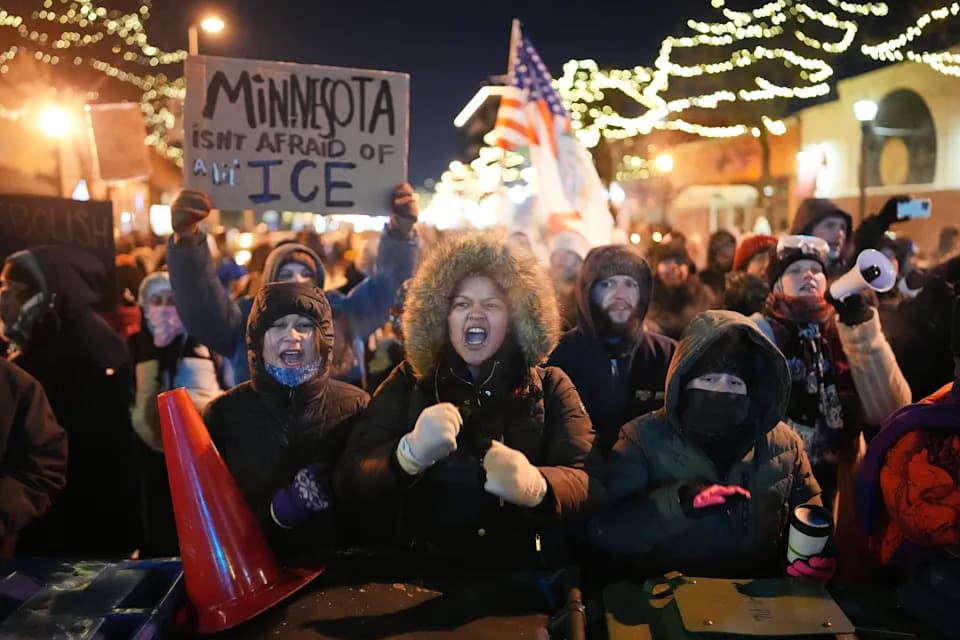
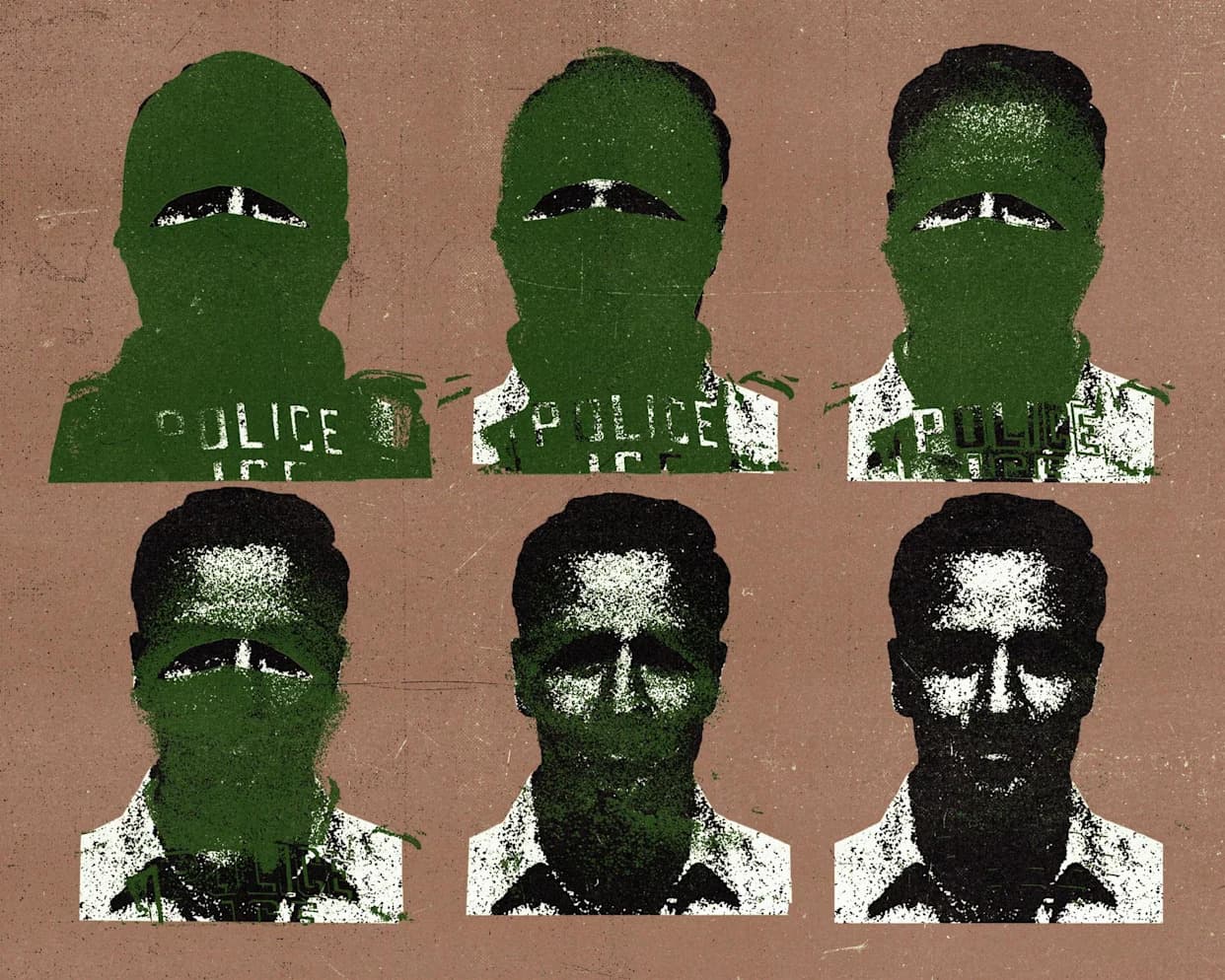
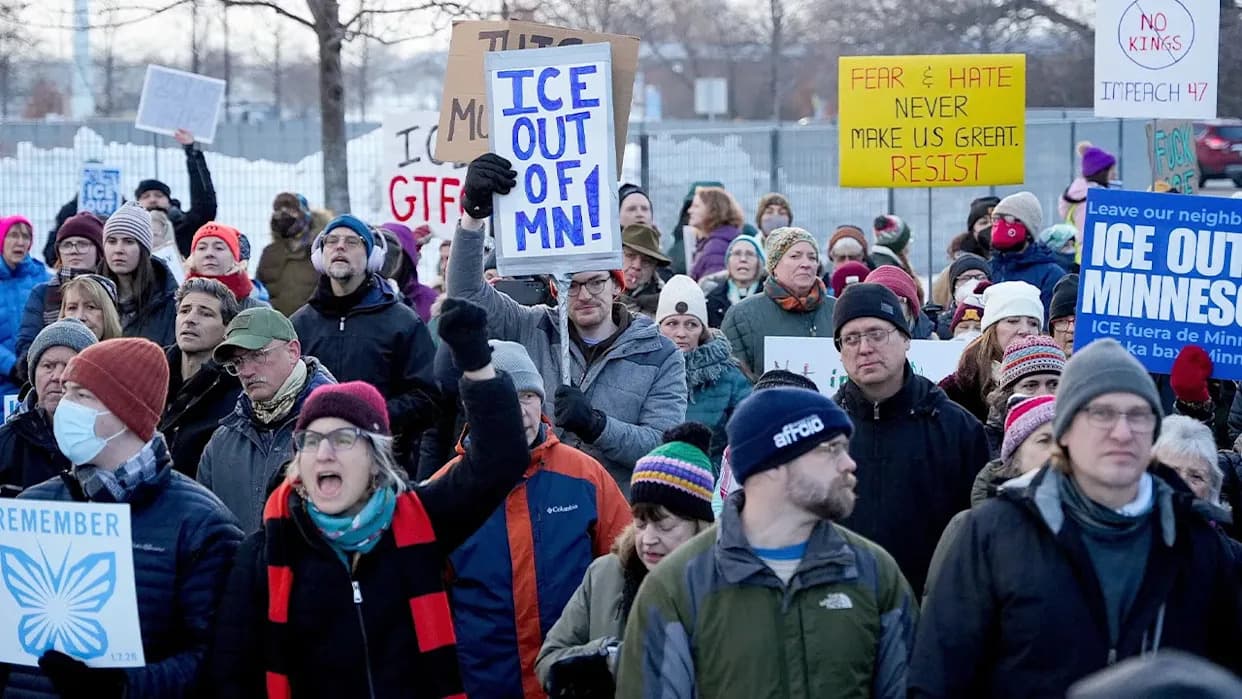
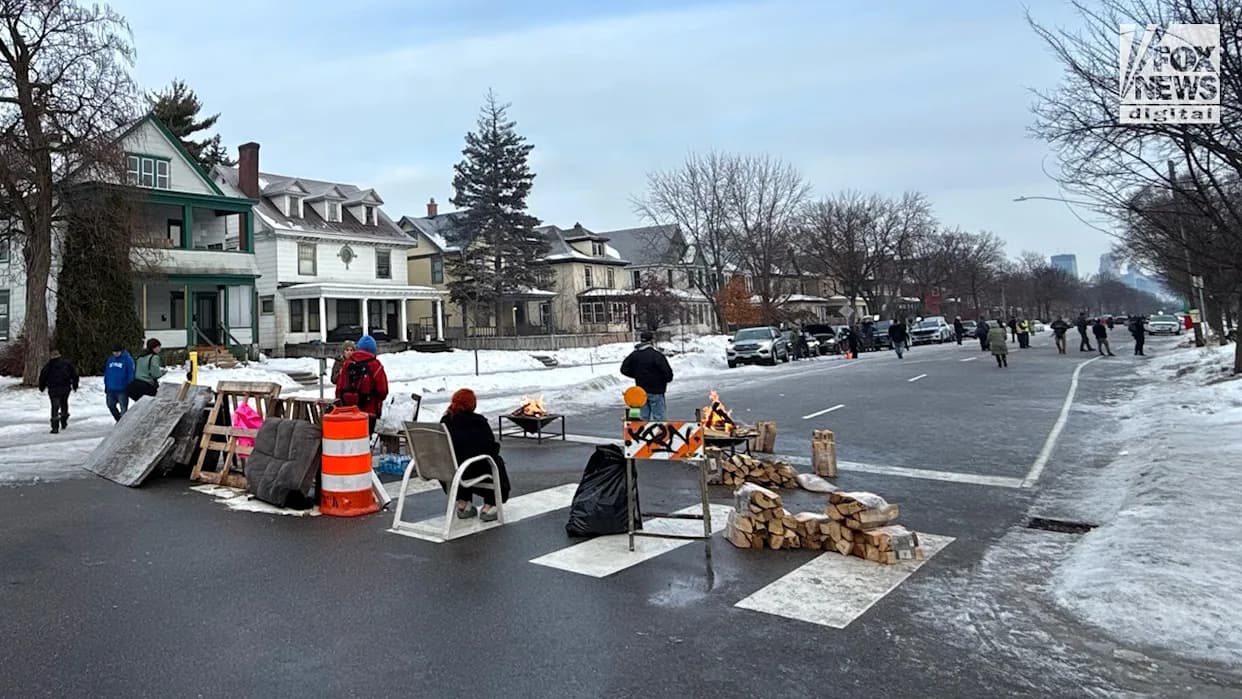
The Minneapolis confrontations between immigration agents and protesters illustrate a growing arms race over surveillance and counter-surveillance technology. Federal agencies have deployed advanced tools — including facial recognition, phone tracking, and spyware — while activists use Signal networks, license-plate databases, and alert systems to monitor and document enforcement. The clash raises legal and ethical questions about public-safety risks, platform liability, and whether crowdsourced monitoring qualifies as protected speech. Many activists say their primary aim is collecting evidence to support future accountability.
Tech vs. State: How Minneapolis Protests Expose A New Surveillance Arms Race
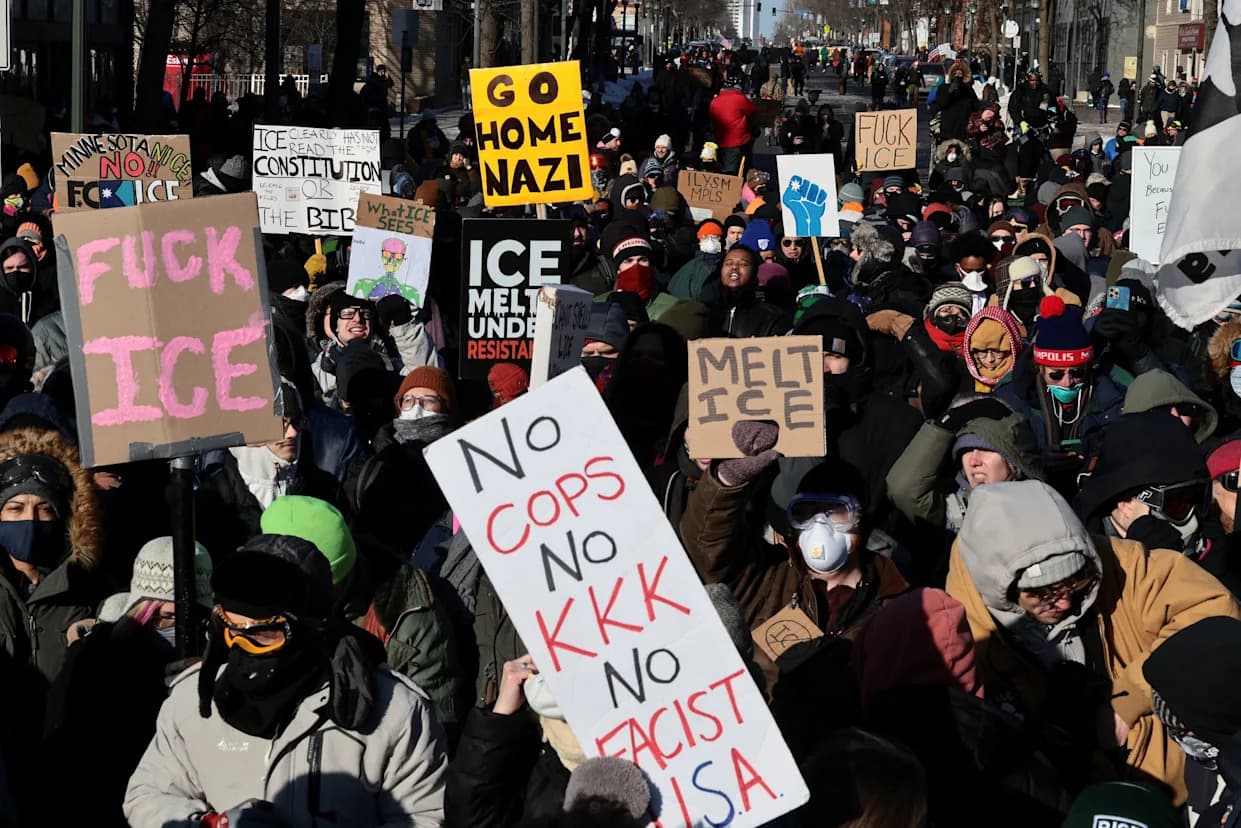
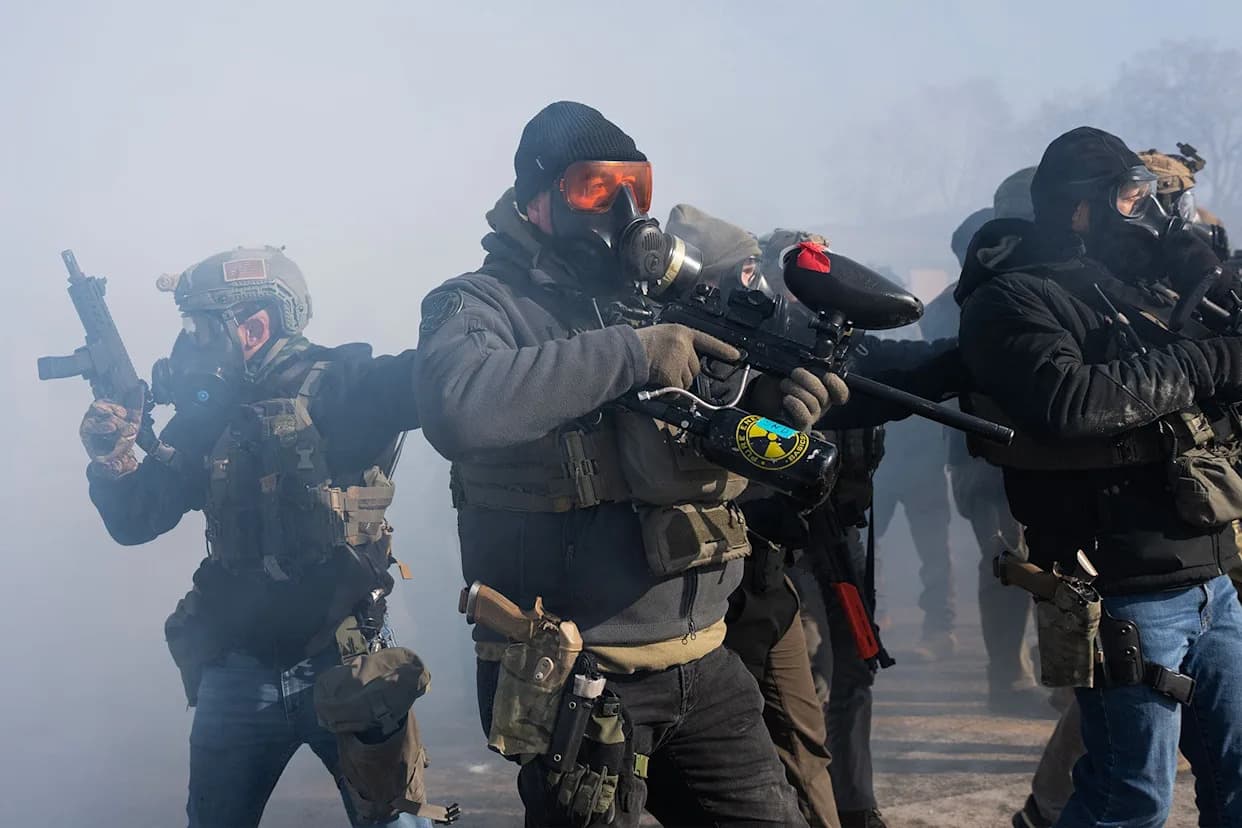
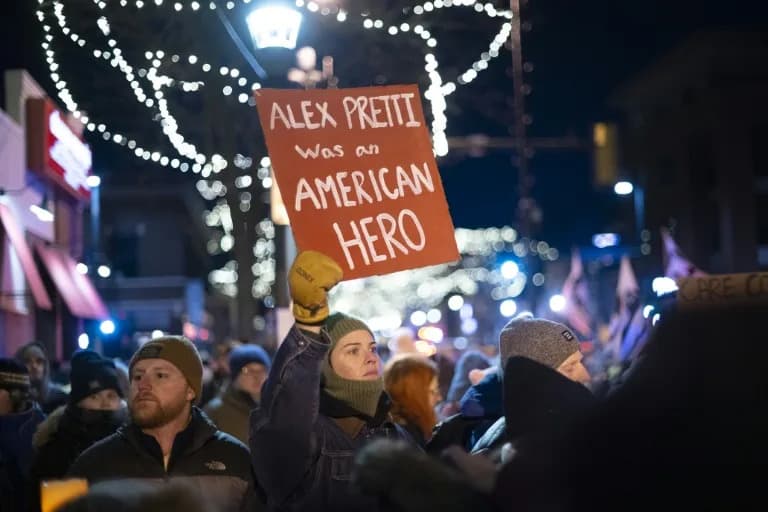
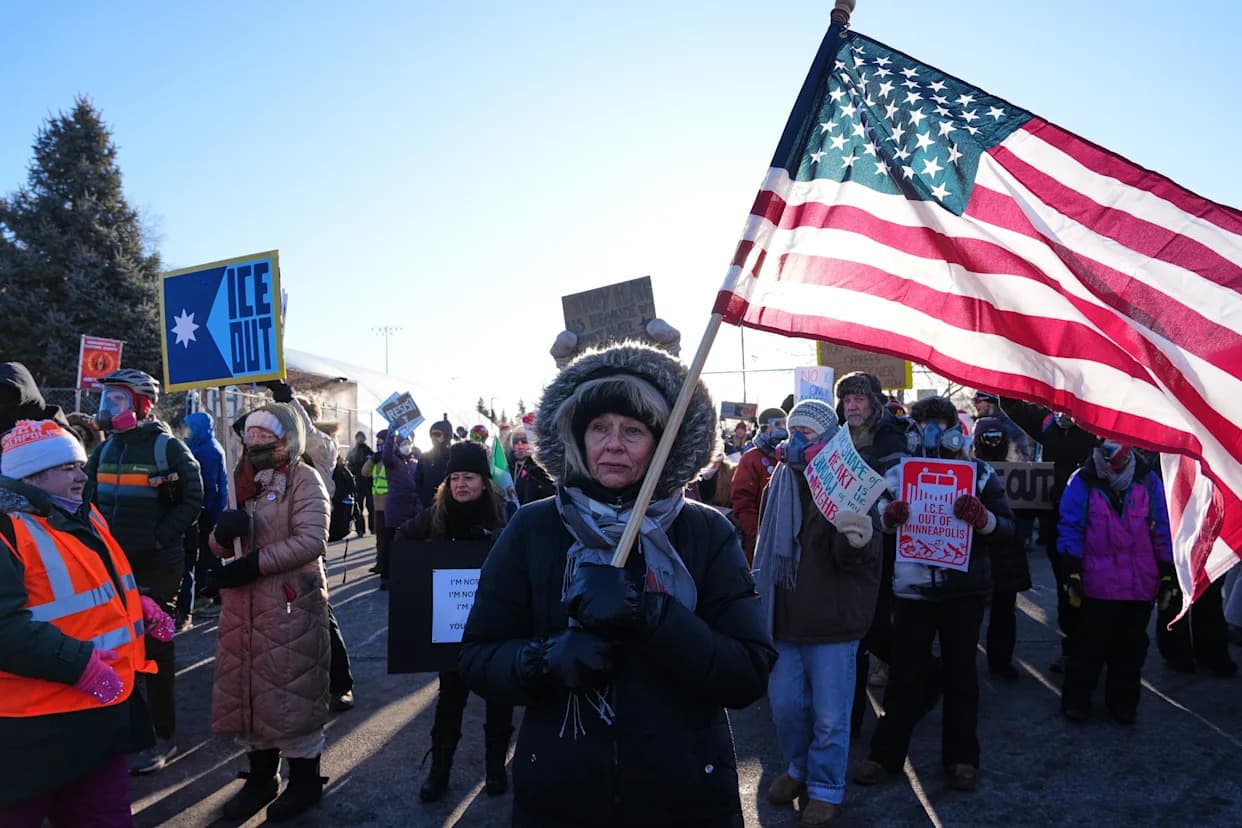
The recent clashes in Minneapolis between immigration agents and protesters have become a flashpoint in a broader, global contest over surveillance technology: which side has better tools, who controls them, and who gets to use them.
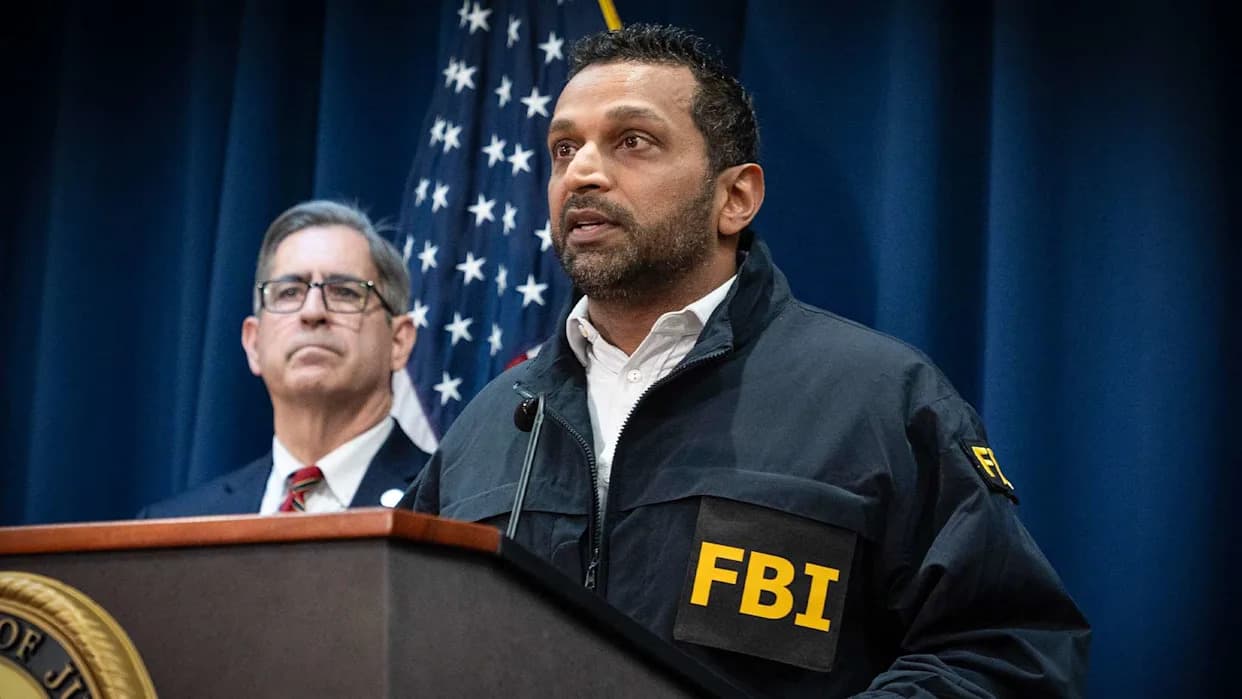
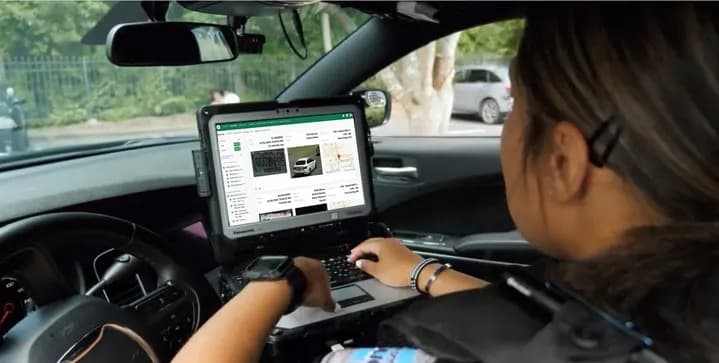
Federal Enforcement And Advanced Surveillance. Under the Trump administration, expanded funding for immigration enforcement accelerated the adoption of advanced surveillance technologies supplied by firms such as Palantir and other AI companies. These capabilities include facial-recognition apps that can help identify individuals and infer immigration status, phone-tracking systems, autonomous AI tools, and spyware that can remotely access mobile devices to aid federal investigations.
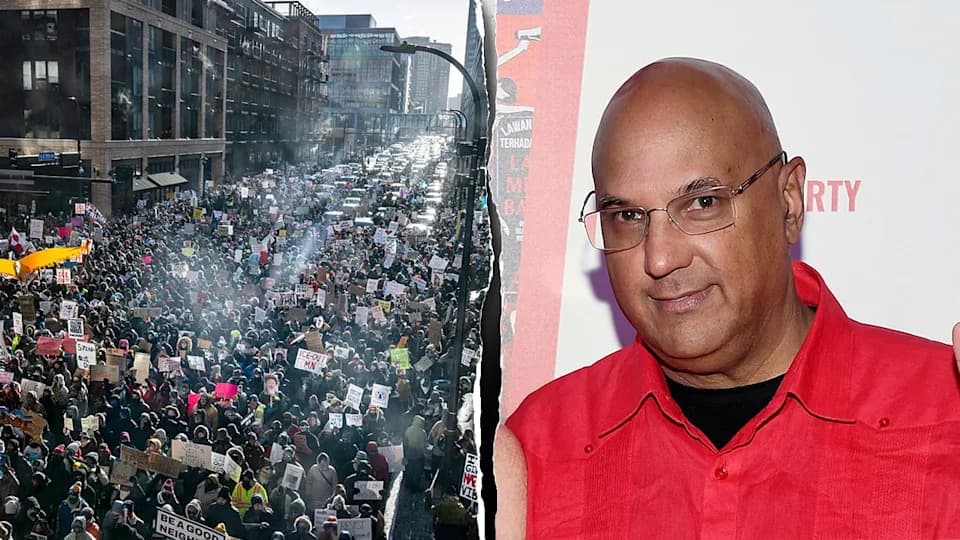
Activists’ Countermeasures. Activists and community groups have turned to technology to resist and document enforcement actions. Sherman Austin, an activist and technician in Long Beach, California, built a national license-plate database and an SMS alert system designed to warn communities when agents are operating nearby.
“They’re moving in large numbers. They don’t identify themselves,” Austin said. “This tool lets us monitor their locations and warn friends and neighbors when they’re close.”
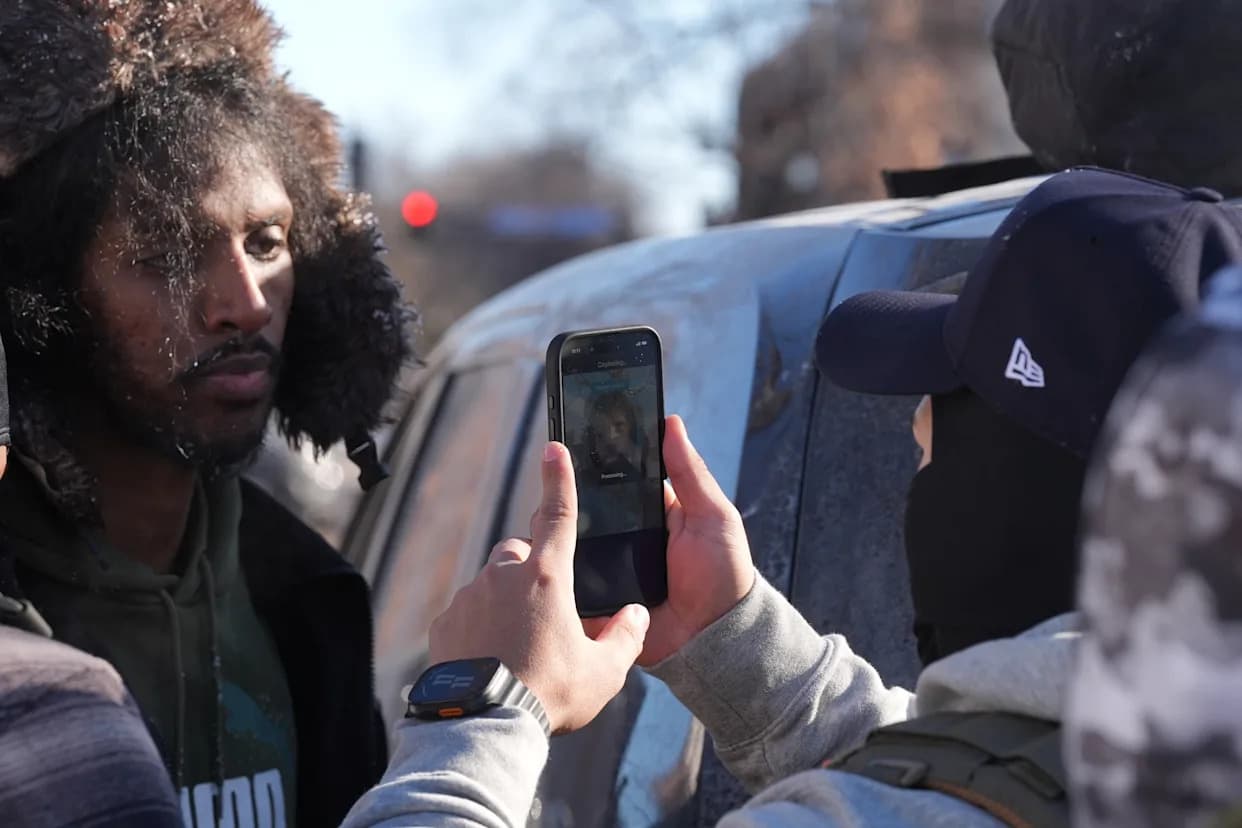
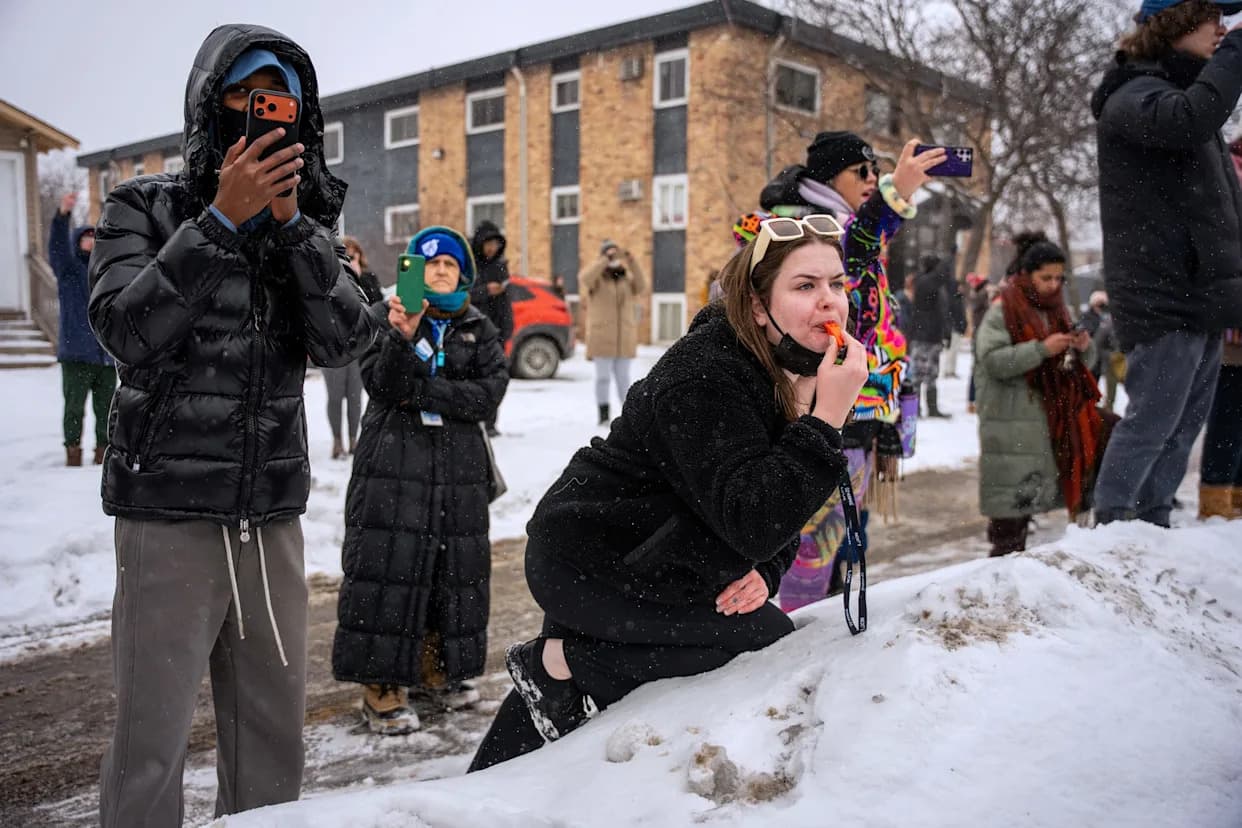
In Minneapolis and other cities, volunteers use encrypted messaging apps such as Signal to organize patrols, document encounters, and collect evidence. Local groups also develop reporting tools to preserve records that could support future legal action.
Political Reaction And Safety Concerns
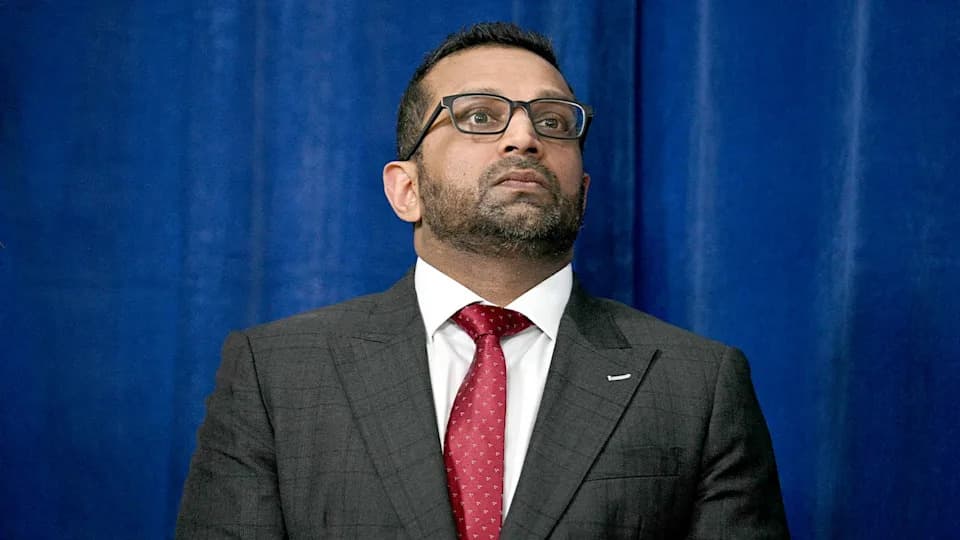
Officials and some high-profile critics have characterized these tracking efforts as dangerous. Palantir co-founder Joe Lonsdale described activist networks as an “organized illegal insurgency,” and posts on social platforms have framed apps that share federal agents’ locations as increasing the risk of attacks on law enforcement. ICE official statements have linked the circulation of location data to a rise in assaults on officers and pressured platforms to remove such apps.
Legal And Practical Risks
From a legal perspective, assaulting or impeding federal officers is a crime. Art Arthur, a former immigration judge now at the Center for Immigration Studies, warned that someone who provides location data used to target an agent could face co-conspiracy charges if an attack follows.
Operators of platforms and apps that publish agents’ locations also face exposure. U.S. tech companies can be compelled to hand over user data to law enforcement, and Section 230’s protections do not necessarily shield platform operators if their content meaningfully facilitates illegal acts. Legal scholars note similar tensions abroad: in the U.K., governments and tech companies have disputed whether strong encryption enables “lawless spaces” for wrongdoing.
Free-Speech, Accountability And Global Parallels
Legal experts stress a difficult balance: historically, monitoring public officials has been treated as protected speech. Emily Tucker of Georgetown Law’s Center on Privacy and Technology notes that crowdsourced monitoring used to hold officials accountable is increasingly contested in today’s polarized climate.
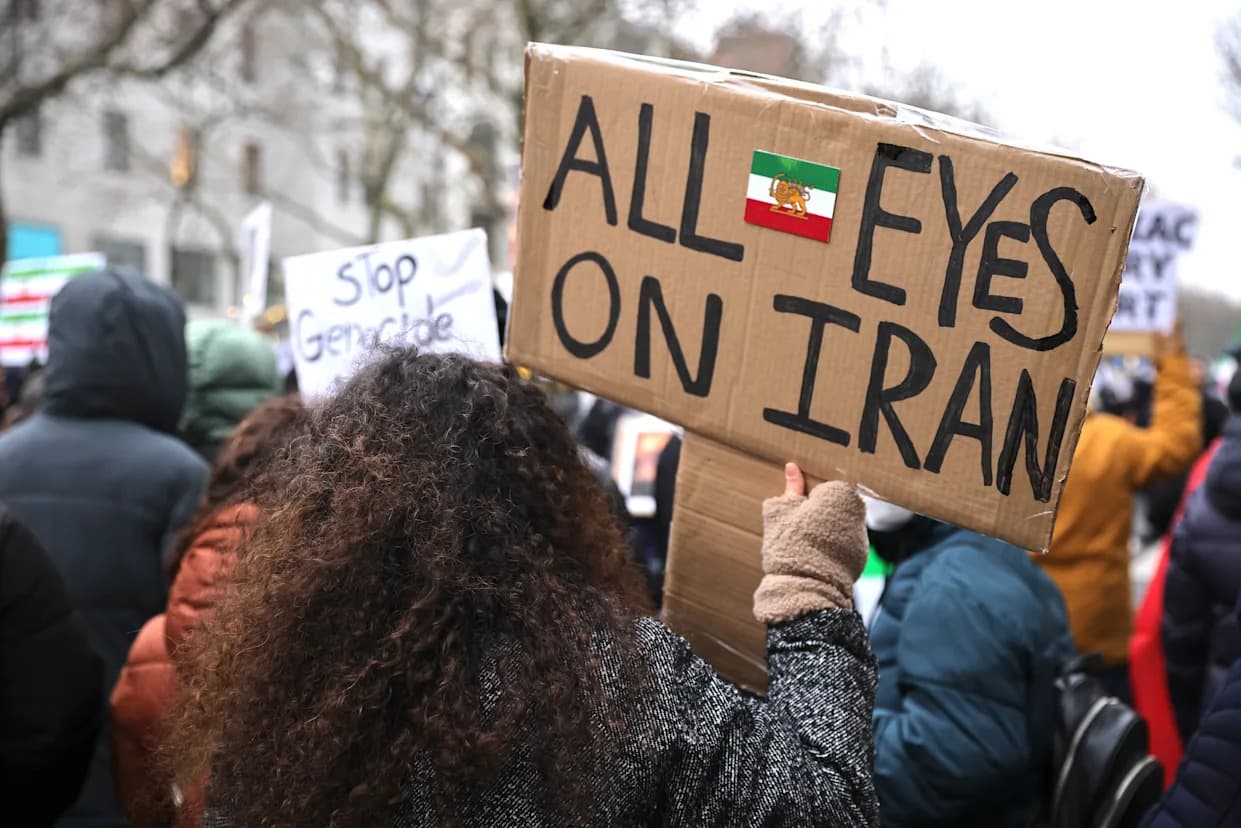
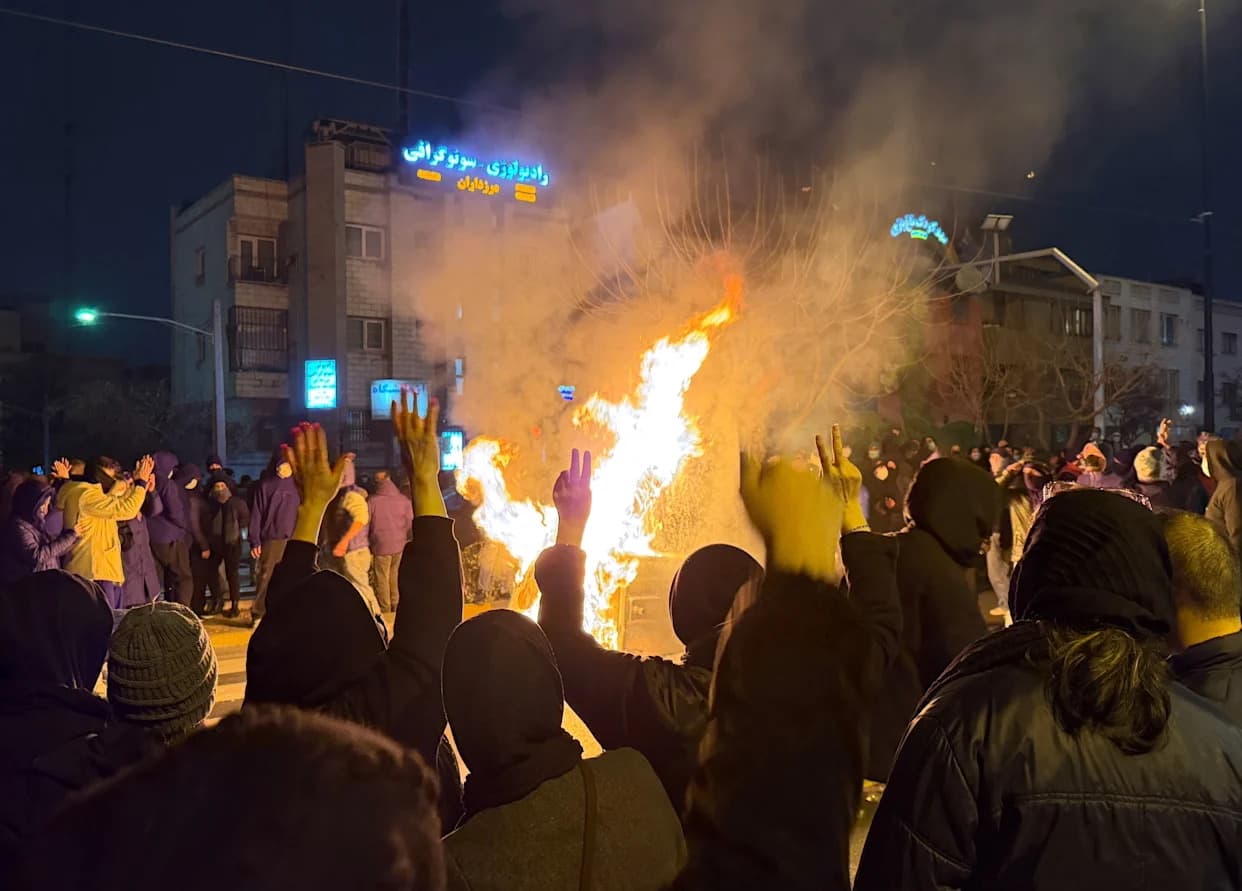
These tactics echo protest movements worldwide — from the Arab Spring’s use of Twitter and Facebook to Hong Kong protesters’ reliance on Telegram. In Iran, activists have used satellite internet terminals to smuggle images and reports out of the country when authorities shut down or surveil local networks. Digital tools have become essential for organizing, documenting, and resisting state actions, but they also bring new legal, ethical, and safety dilemmas.
Different Scales, Different Tools. Experts caution that state and civic technologies are not equivalent. As Tucker put it, comparing activist tools with government capabilities is like “saying they have an atom bomb and you have a penknife.” Still, activists emphasize that their goal frequently extends beyond disruption: many aim to create a record that can support later accountability.
“We’re trying to build evidence for accountability down the road,” said Megan Peterson of Gender Justice, whose organization developed a reporting tool Minnesotans can use to document enforcement actions.
As both sides continue to adopt and adapt technologies, the key questions remain: how to protect public safety, how to safeguard civil liberties, and how to ensure transparency and accountability in the use of powerful surveillance tools.
Help us improve.