Lawmakers on Capitol Hill are divided over how staff should use AI: some offices permit verified AI use as a productivity aid, others discourage or ban it for drafting and sensitive tasks. High-profile offices—such as Rep. Alexandria Ocasio-Cortez's—prohibit AI for legislation and constituent data, while Sen. Tim Kaine plans disclaimers to signal non-AI responses. Gallup polling shows growing workplace adoption, with 23% using AI weekly.
Capitol Hill Split Over AI: Some Offices Embrace Tools, Others Ban Them
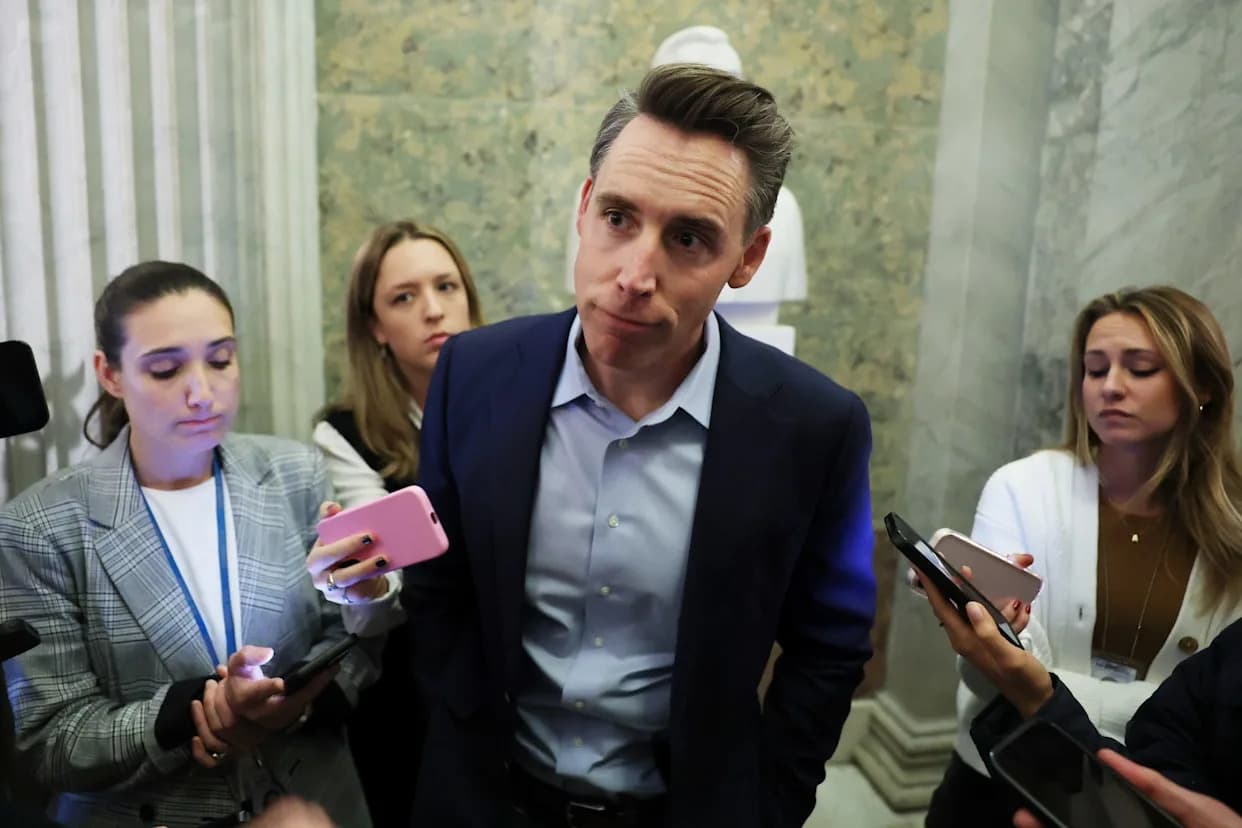
Sen. Josh Hawley said he doesn't have an official no-use policy on AI, but that he discourages his staff from using it.Anna Moneymaker/Getty Images
Members of Congress are grappling with how staff should use artificial intelligence as the technology becomes more common in daily work. While a number of offices are drafting formal rules or relying on informal expectations, others have moved to restrict or forbid AI use for certain tasks.
Different Offices, Different Rules
Several lawmakers say they have not yet adopted written policies and are still figuring out the best approach. Some staff teams are allowed to use AI as a productivity tool so long as the output is verified for accuracy and quality. Others discourage or ban the technology entirely for drafting or substantive work.
Perspectives From the Hill
'I'm fine with people using it, if it's a shortcut to getting good work done,' said Democratic Sen. Tim Kaine of Virginia. 'I'm pretty insistent that the quality of the material I get be high. So, if I ever feel like quality is being sacrificed, or I'm getting bland talking points rather than real thought, I would call a staffer on it.'
Sen. Chris Murphy of Connecticut told Business Insider his office is in the process of drafting rules and does not generally discourage AI use. Sen. Elizabeth Warren of Massachusetts compared AI to other online research tools, saying she does not have a formal ban but expects staff to verify accuracy and understand risks when using tools like ChatGPT.
'It's important to know how to use the tools, and that means how to get the benefits, but also where to understand the risks,' Warren added.
By contrast, some Republicans express reservations about relying on AI for substantive work. Rep. Greg Murphy of North Carolina said he prefers staff rely on their own judgment, while Sen. Josh Hawley of Missouri said his office discourages AI and does not use it to generate written materials.
Specific Office Policies
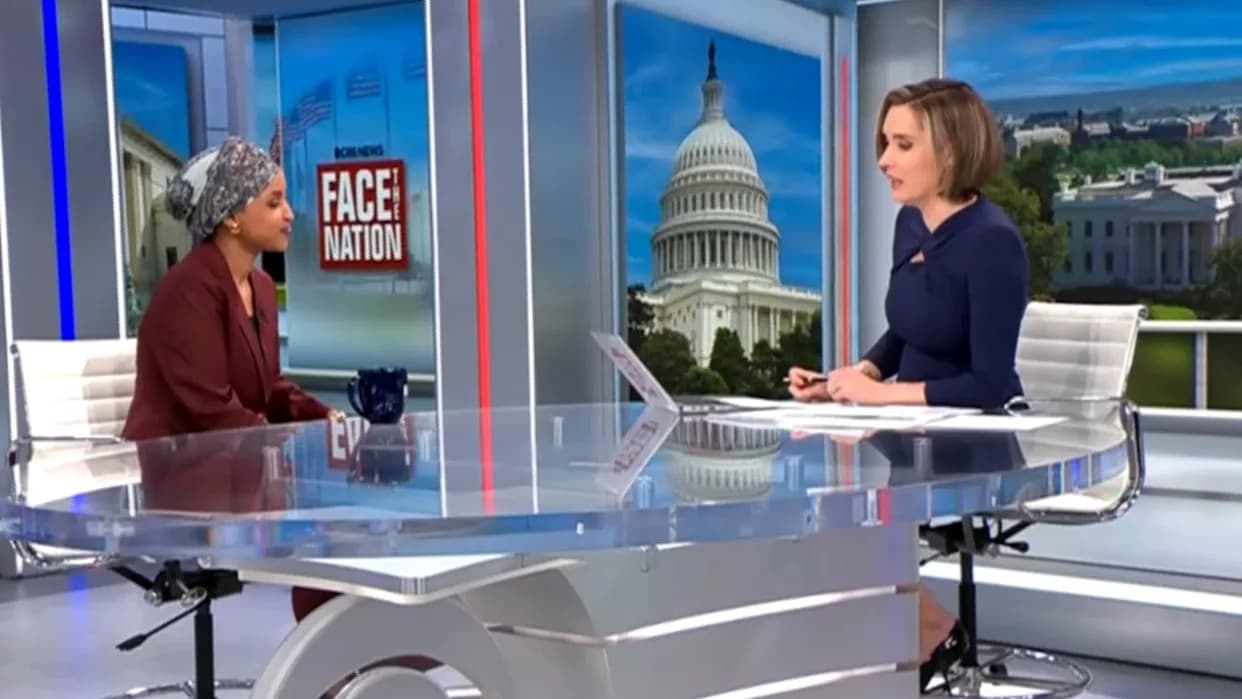
Rep. Alexandria Ocasio-Cortez largely avoids using AI personally and bars staff from using AI to draft legislation or upload sensitive constituent data into chatbots. Her office permits other uses only with disclosure. Sen. Kaine plans to add a disclaimer to constituent correspondence to clarify when responses are not AI-generated.
How Widely Is AI Used?
Polling from Gallup indicates a rising trend in workplace AI adoption: 23% of U.S. employees reported using AI weekly and 45% said they use it at least a few times per year. Common uses include consolidating information, learning new topics, generating ideas, and automating basic tasks.
As offices on Capitol Hill develop guidance, the prevailing themes are verification, transparency, and tailoring rules to protect sensitive information while preserving staff productivity.
Help us improve.