Researchers at the University of Vermont identify the lipid PIP2 as a regulator of the mechanosensitive channel Piezo1 in endothelial cells, linking it to cerebral blood flow control. In Alzheimer’s mouse models, low PIP2 led to Piezo1 overactivation and disrupted blood flow; restoring PIP2 largely returned flow to normal. The short-term, animal-only study highlights a promising molecular target but requires further work to confirm human relevance.
Single Lipid Molecule May Explain How Brain Blood Flow Changes Trigger Dementia
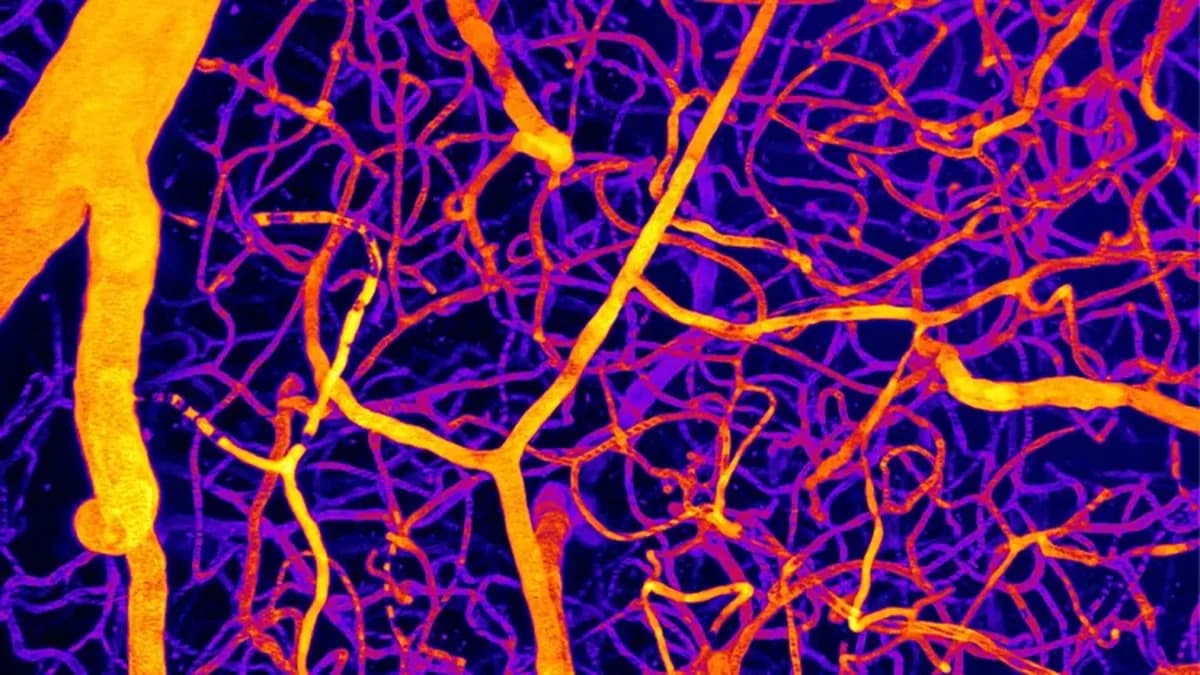
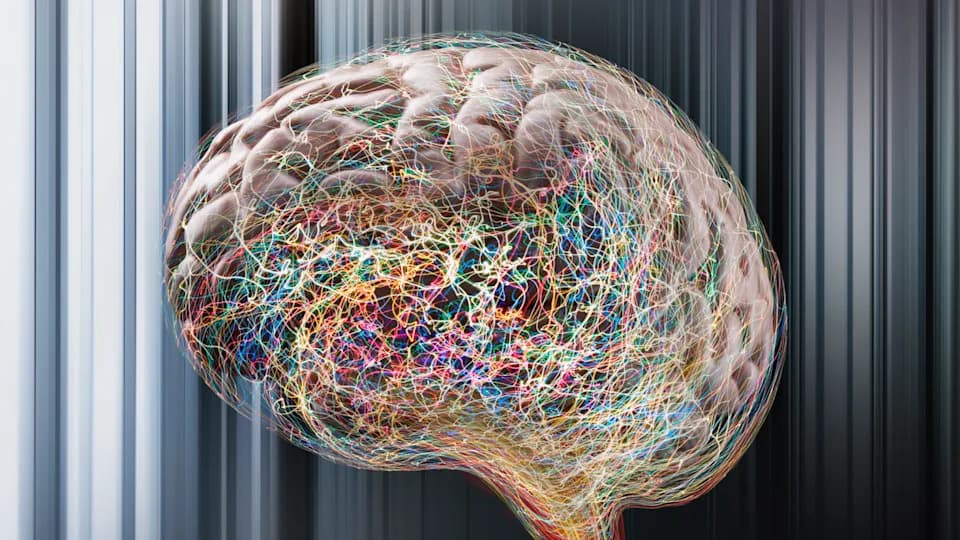
Brain image
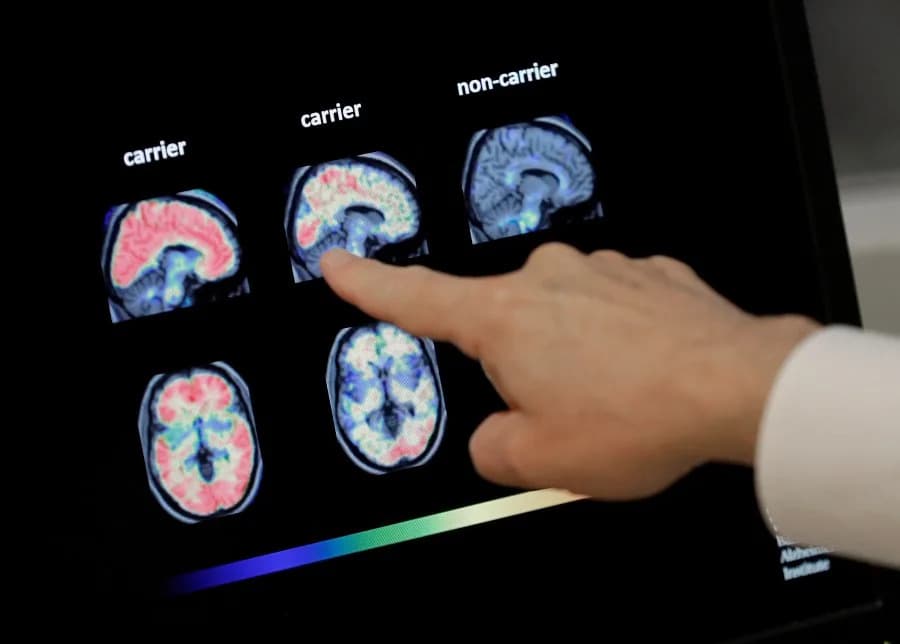
Reduced cerebral blood flow is increasingly recognized as a key contributor to several forms of dementia, including Alzheimer’s disease. Researchers at the University of Vermont report a newly identified molecular mechanism that helps regulate blood flow in the brain and may explain how this regulation becomes disrupted in disease.
What the Study Found
The team discovered that a membrane lipid called PIP2 (phosphatidylinositol 4,5-bisphosphate) helps restrain the activity of Piezo1, a mechanosensitive ion channel expressed in endothelial cells that line brain blood vessels. Using mouse models, the researchers showed that when neurons become active, local PIP2 levels fall, allowing Piezo1 to open and increase blood flow to the active region.

Researcher Osama Harraz at work analyzing brain vasculature. (David Seaver)
In mouse models of Alzheimer’s disease the researchers found abnormally low PIP2 levels. That deficiency allowed Piezo1 to become overactive, producing inappropriate increases in blood flow to regions that did not need it and disrupting overall cerebral circulation. Importantly, experimentally restoring PIP2 levels in these mice largely reinstated normal patterns of blood flow.
Why This Matters
Because cerebral blood flow delivers oxygen and nutrients to brain tissue, maintaining precise microvascular regulation is essential for healthy brain function. The finding that a single lipid can act as a molecular "brake" on Piezo1 provides a plausible link between vascular dysregulation and cognitive decline and suggests a potential therapeutic target for conditions in which Piezo1 activity is altered.

Audition now for ScienceAlert's Casting Call
"This discovery is a huge step forward in our efforts to prevent dementia and neurovascular diseases," said pharmacologist Osama Harraz.
Limitations and Next Steps
The study was short term and performed in mice only, so direct relevance to humans is not yet established. The authors emphasize the need to map exactly how PIP2 interacts with Piezo1 and to test whether modifying this pathway can improve cognition or slow disease in longer-term and human studies. The research appears in PNAS.
Overall, the work adds an important molecular piece to our understanding of how vascular factors may contribute to dementia and opens a new line of investigation for therapies aimed at restoring healthy cerebral blood flow.
Help us improve.