Summary: The piece argues that the Trump administration’s enforcement practices and legal reasoning have already created conditions resembling a “papers, please” state for some Americans — especially people of color. Justice Brett Kavanaugh’s Sept. 8 concurrence is described as enabling a so-called “Kavanaugh stop,” which allows race, ethnicity or language to be considered when justifying immigration stops. High-profile incidents, investigative reporting and a Senate subcommittee report document U.S. citizens detained or mistreated despite offering proof of citizenship. The article warns that constitutional protections risk being eroded unless courts, Congress or oversight agencies act.
How Trump Has Already Turned Parts Of America Into a 'Papers, Please' Nation

Trump has already made us into a ‘papers, please’ country
One of the earliest lines in the screenplay for Casablanca is, “May we see your papers, please?” In the film’s 1942 Vichy-set scene the police deliver the line without the courtesy, and over the past eight decades the phrase “papers, please” has come to symbolize the steady dread of life under authoritarian rule.
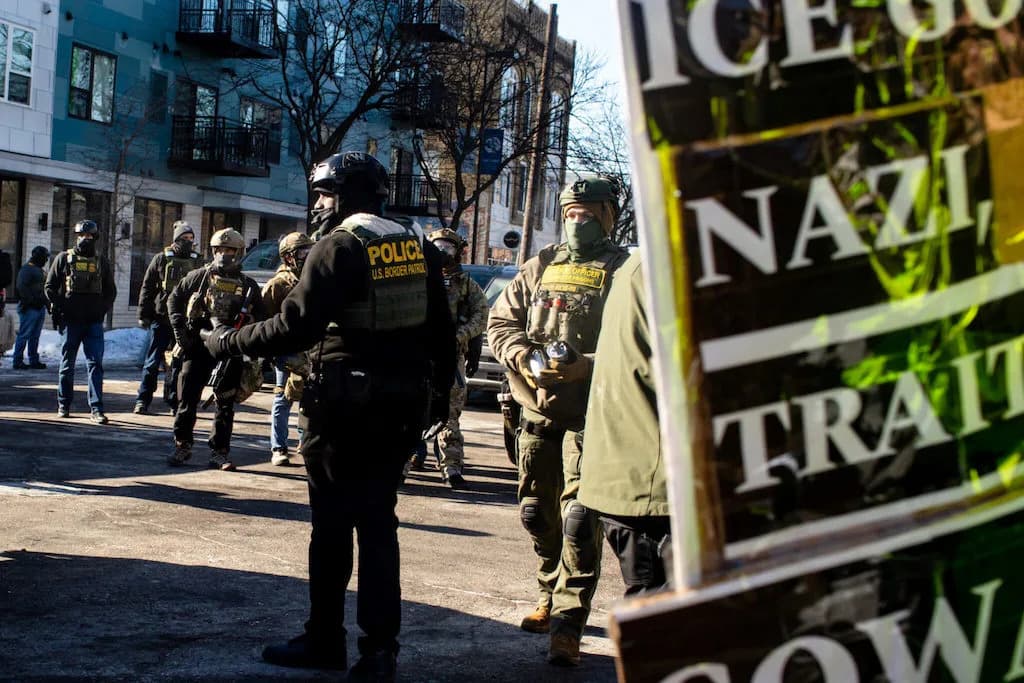
The Trump administration, largely through aggressive enforcement practices and a governing style that treats chaos and unilateral action as routine, has already created lived conditions for many Americans that resemble that shorthand. Without any new statute or executive order requiring citizens to carry identification at all times, enforcement and legal reasoning now make carrying “papers” a practical necessity for some people — especially people of color and those perceived as immigrants.
What Is A “Kavanaugh Stop”?
Supreme Court Justice Brett Kavanaugh’s concurring opinion in the court’s Sept. 8 stay order has been described by legal scholars as creating a framework dubbed the “Kavanaugh stop.” In plain terms, Kavanaugh wrote that immigration officers must have reasonable suspicion to stop someone and investigate their immigration status, but that officers may consider a person’s “race or apparent ethnicity” or whether they are “speaking Spanish or speaking English with an accent” as relevant factors in forming that suspicion. He added that once a person’s legal status is established, they should be promptly released.
Practical effect: The opinion risks giving officials broader discretion to detain or question people who merely appear to be immigrants, even when those people are U.S. citizens.
How This Plays Out On The Street
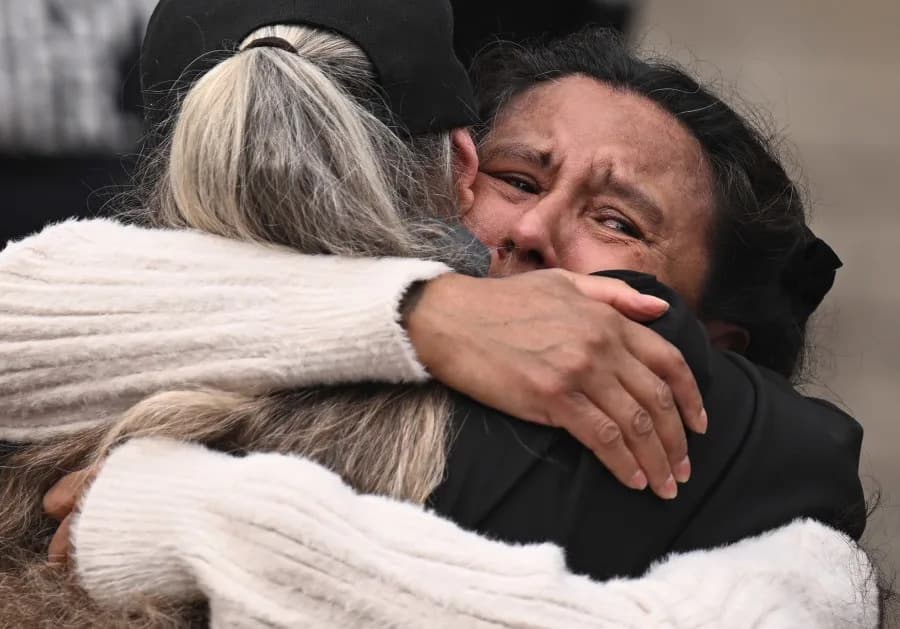
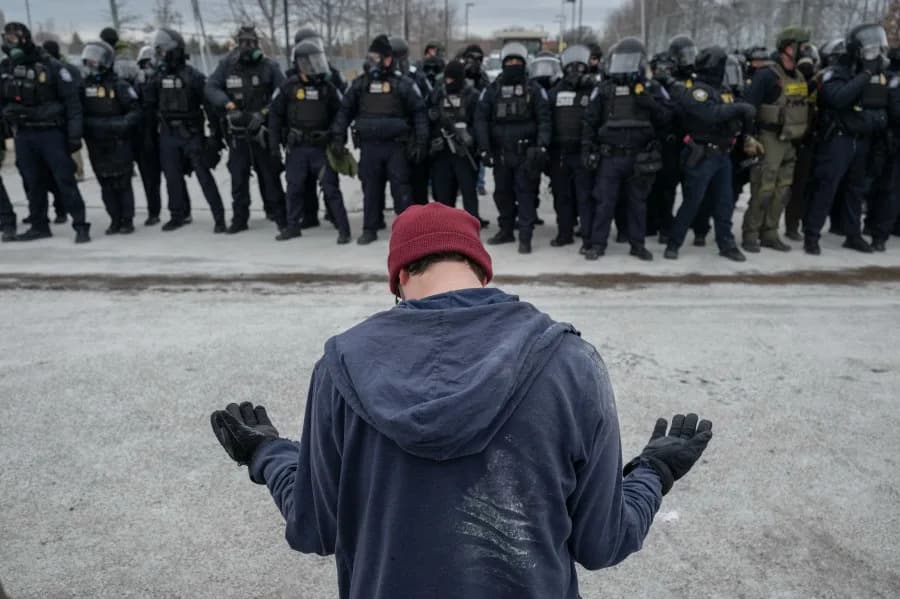
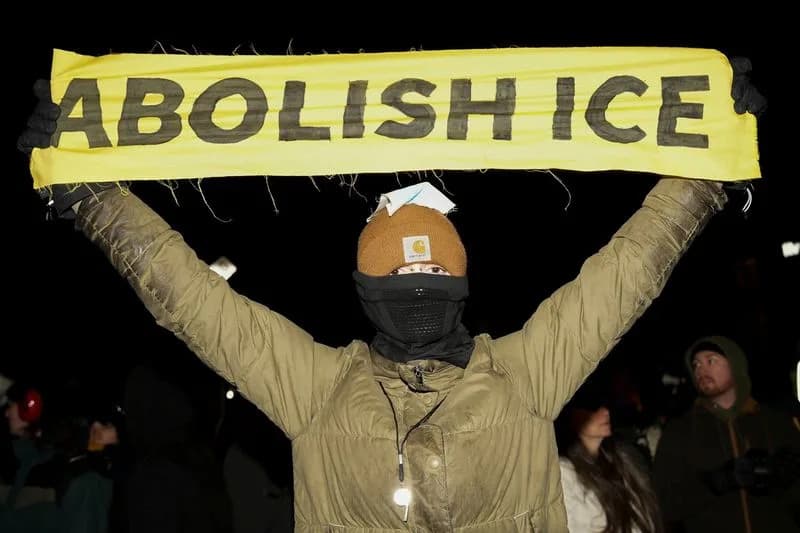
In practice, the combination of permissive legal language and aggressive enforcement priorities has meant more stops, detentions and confrontations for people who look or sound like immigrants. Enforcement efforts disproportionately affect people of color — notably those from Latin America but also people from Africa and the Middle East — and U.S. citizens have been swept up in some of these interactions.
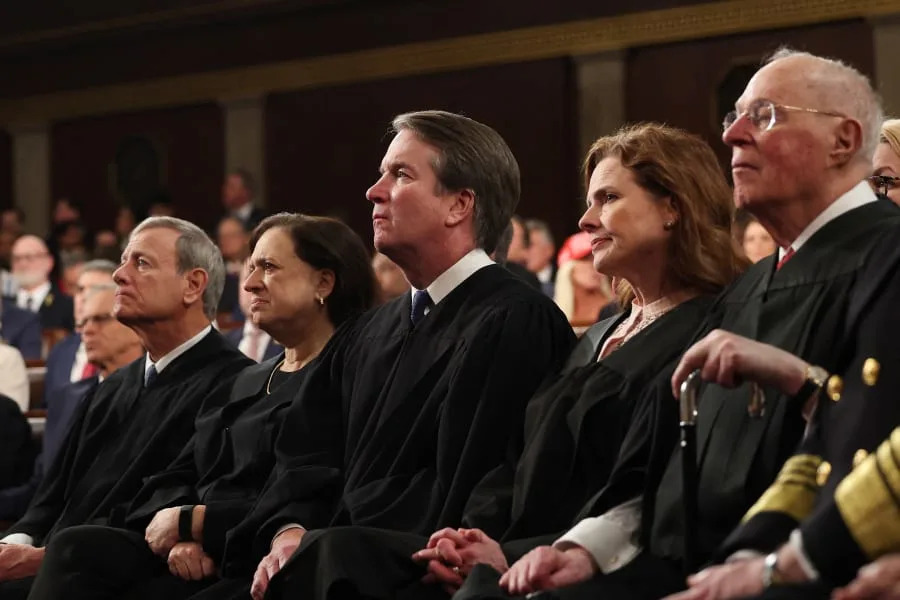
Justice Brett Kavanaugh, center, during a joint session of Congress at the Capitol on March 4, 2025.Win McNamee/Pool and AFP via Getty Images
Notable Incidents And Evidence
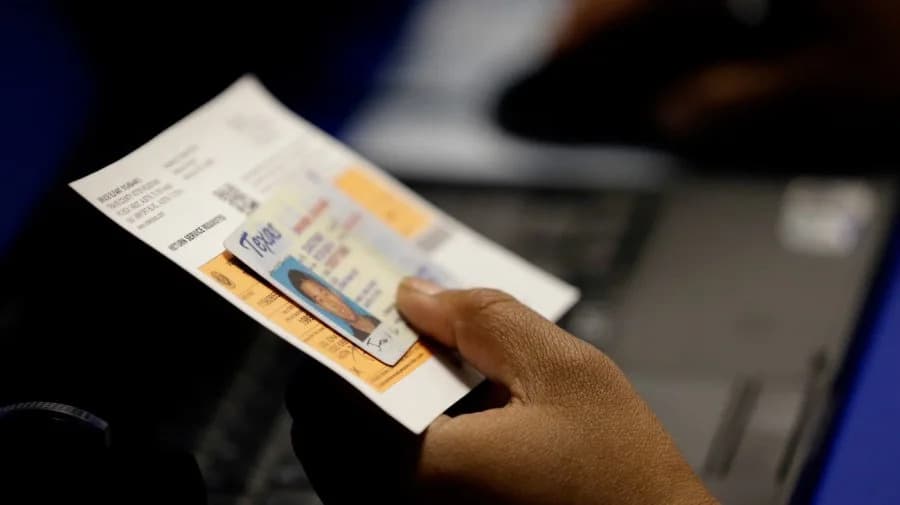
- Mubashir (Minneapolis): A 20-year-old naturalized U.S. citizen originally from Somalia said he was tackled by a masked man who never identified himself as an immigration officer. Mubashir told agents he was a citizen and offered a digital Real ID but remained detained for hours; Minneapolis officials later apologized.
- Leonardo Garcia Venegas (Alabama): A 25-year-old U.S. citizen of Mexican descent was arrested at his job site after presenting a Real ID that agents dismissed as "fake"; he was released only after citizenship was confirmed via his Social Security number.
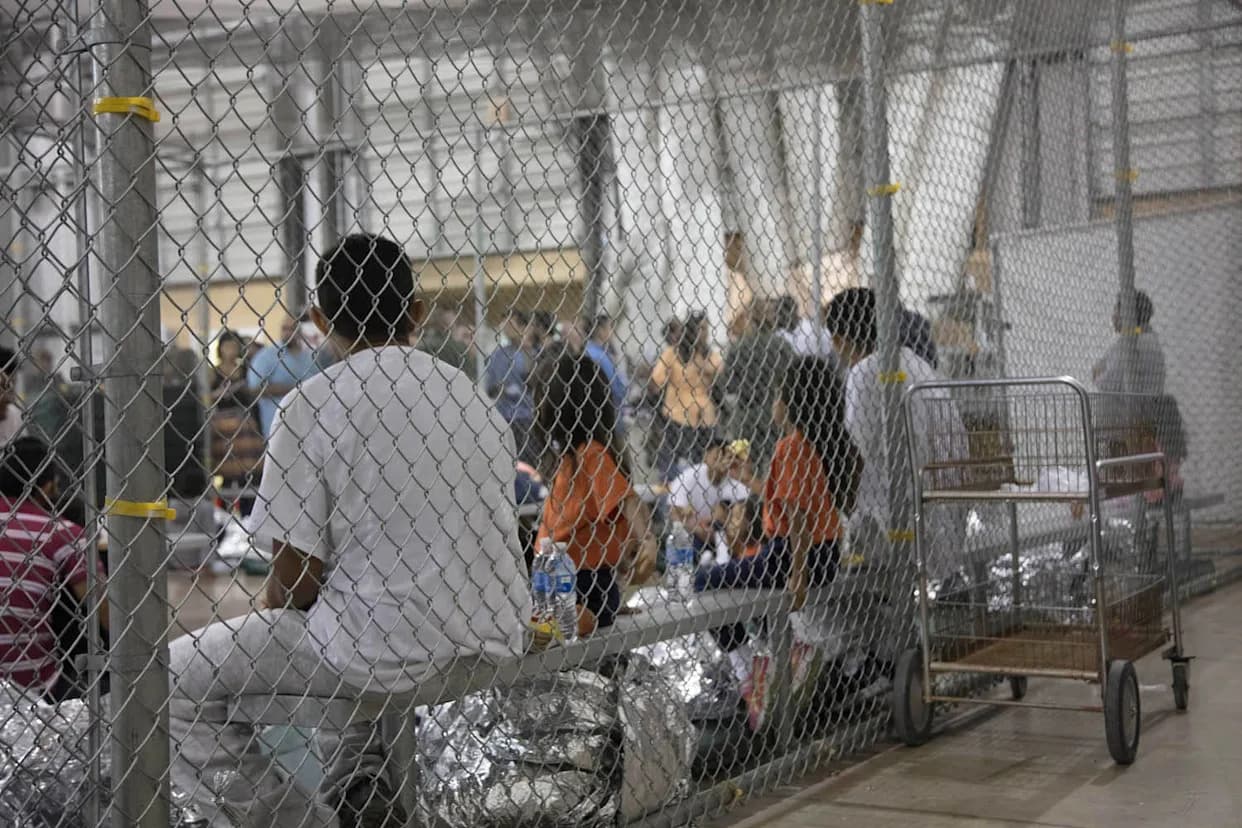
- Broader findings: A ProPublica investigation documented more than 170 U.S. citizens detained or arrested by ICE in one year, with reports of mistreatment. A Senate subcommittee compiled testimonies from 22 citizens alleging physical assault, denial of medical care and refusal to accept valid proof of citizenship.
Border Patrol Chief Gregory Bovino responded to the Minneapolis case by noting that a Real ID is not an immigration document — a technically correct statement — but it overlooks the practical reality that citizens are not legally required to carry government-issued ID at all times, and the refusal to accept valid proof can leave people detained despite their citizenship claims.
Why This Matters
The core problem is one of rights and discretion. Americans have the right not to be roughly handled or deprived of liberty without due process merely because they do not carry “papers.” Yet the current mix of policy, legal reasoning and enforcement appears to erode those protections in practice. When race, ethnicity or language become acceptable factors in forming reasonable suspicion, constitutional safeguards against unreasonable searches and seizures grow weaker for whole communities.
These developments do not require formal changes to law to become entrenched: they can become normal through repeated practices, institutional inertia and the absence of robust oversight. As enforcement continues under the present administration, U.S. citizens — particularly people of color and those with Spanish surnames — face increased risk of detention, mistreatment and rights violations unless courts, Congress and civil-rights watchdogs intervene.
Bottom line: The danger is not just to immigrants; it is to the constitutional protections that should apply to every person in the United States.
What To Watch For: Congressional oversight, court challenges to enforcement policies and clear agency guidance that prohibits using race, ethnicity or language as proxies for reasonable suspicion could help prevent further normalization of “papers, please” policing.
Help us improve.