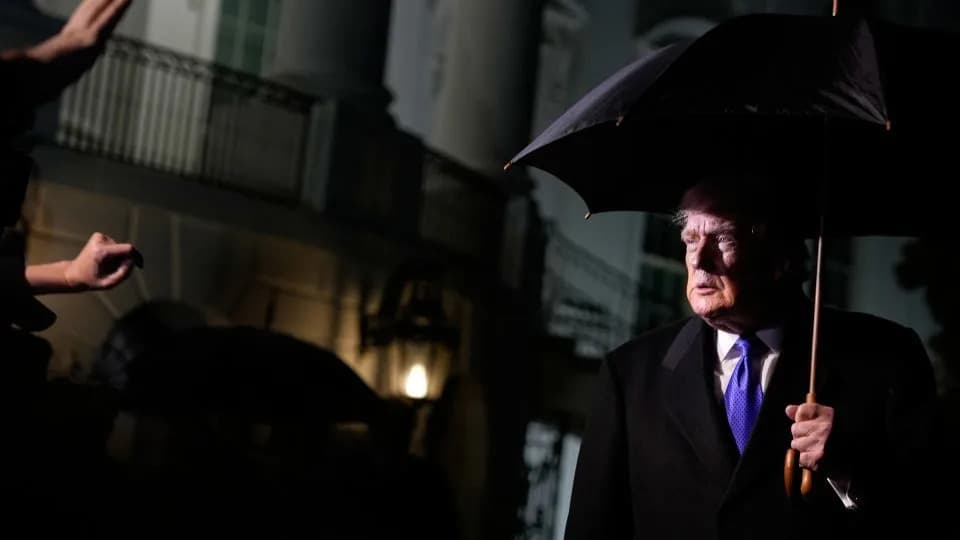
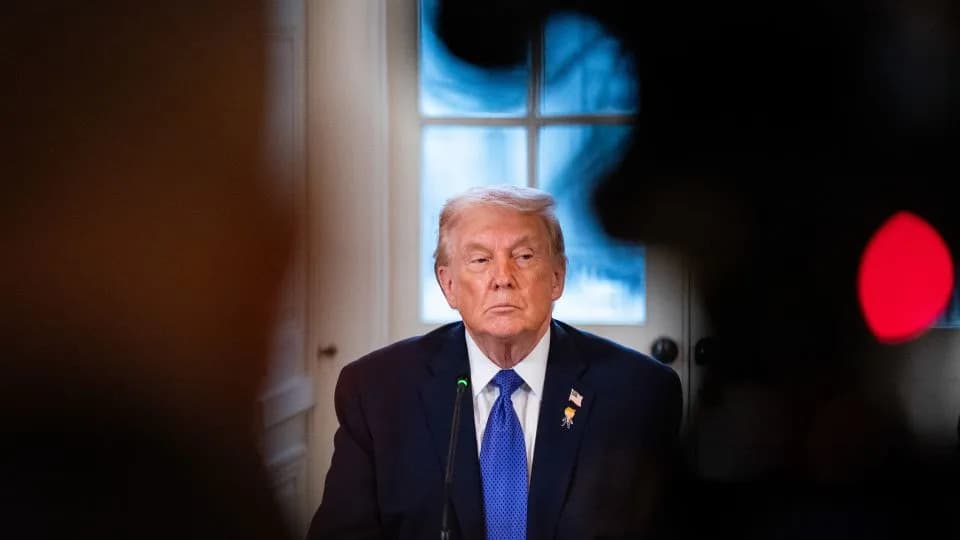
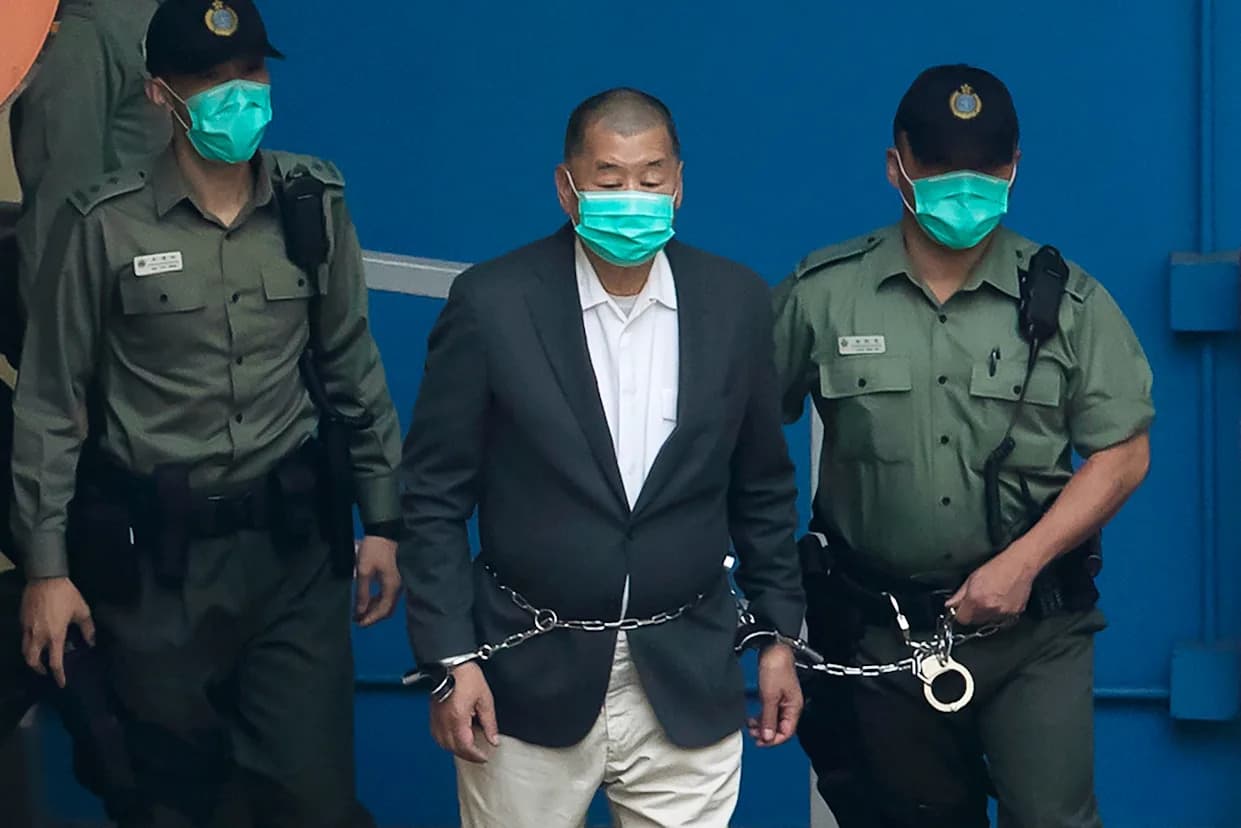
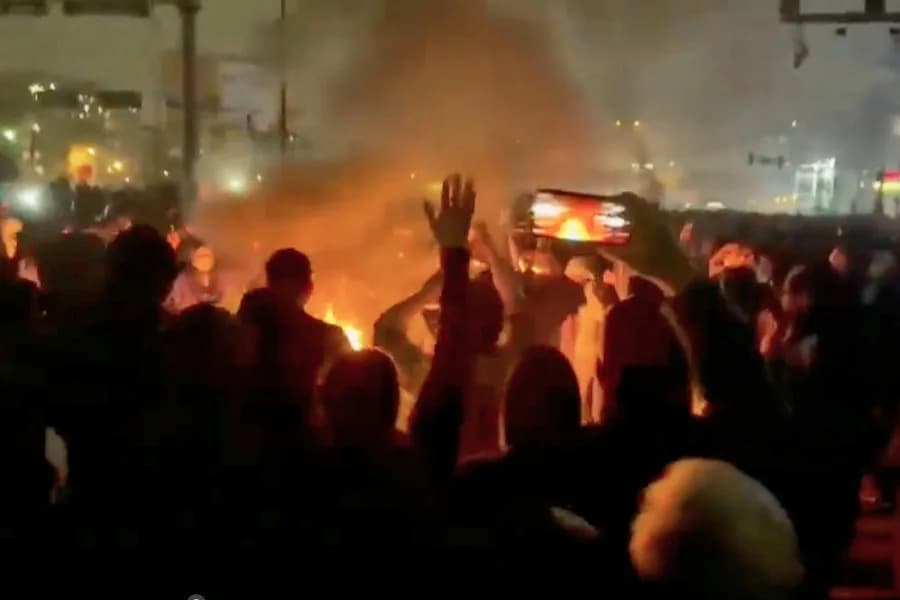
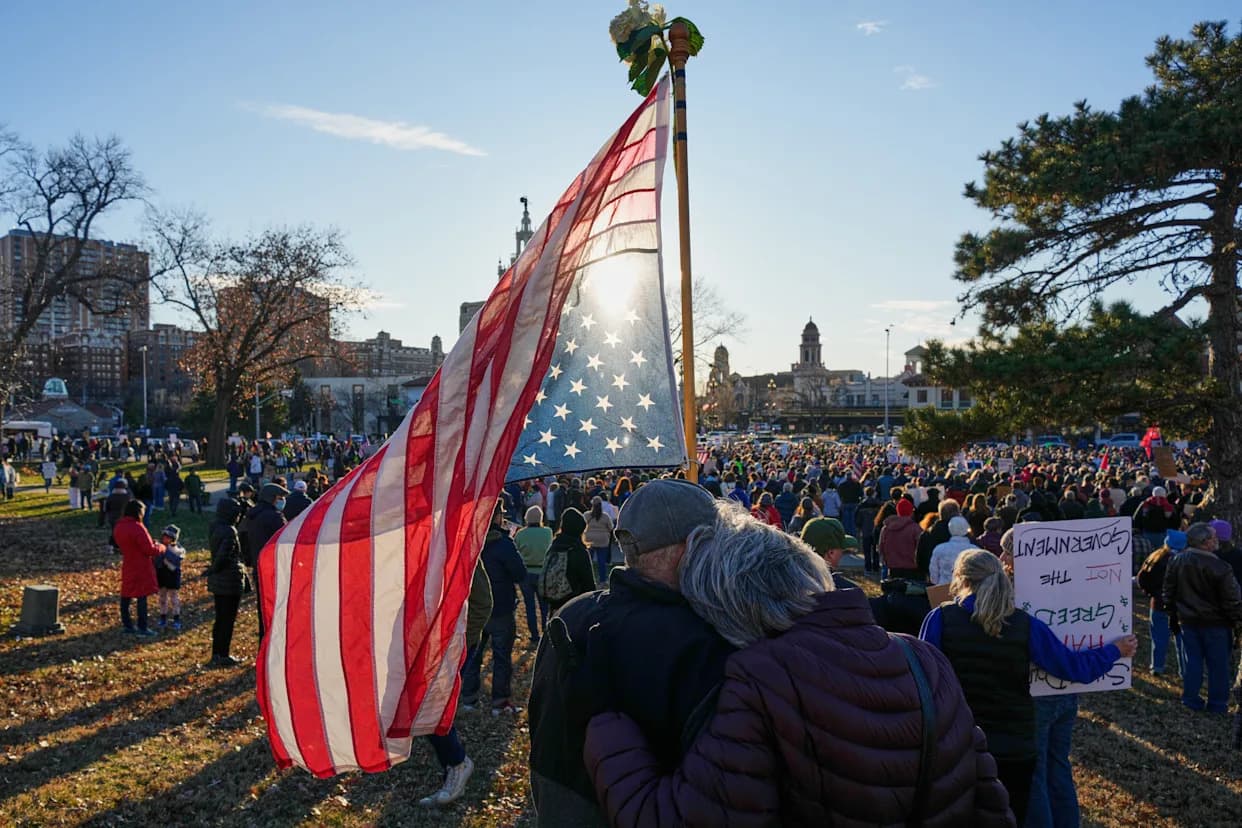
Donald Trump’s foreign policy appears to be shifting from isolationist rhetoric to a more overtly expansionist posture. The reported seizure of Nicolás Maduro and public discussions about acquiring Greenland, along with efforts to control Venezuelan oil, signal a readiness to assert territorial and resource influence. Cuts to foreign aid, withdrawals from international organizations, and rhetoric from senior aides such as Stephen Miller compound concerns that the administration favors hard power and direct control over multilateral engagement.
Trump’s Shift From Isolationism To Open Imperialism
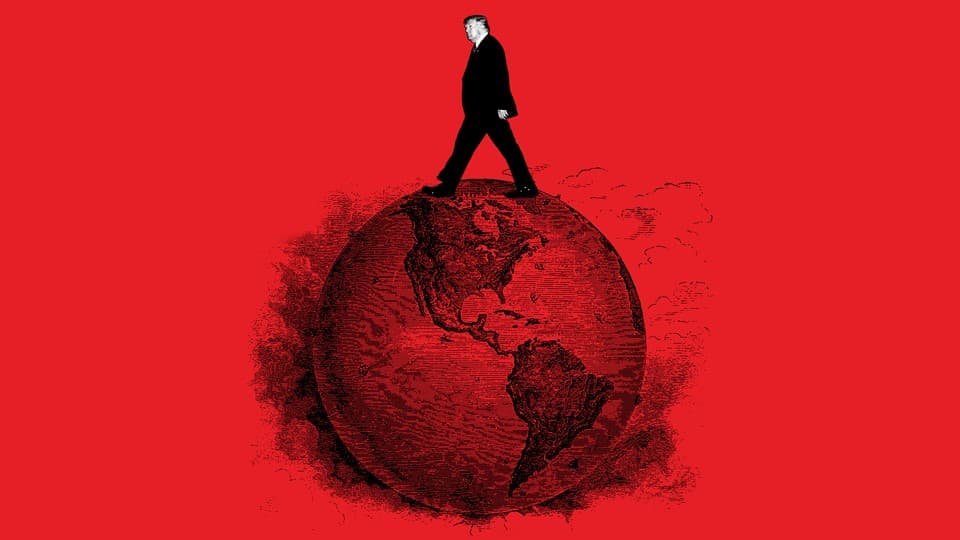
Donald Trump wants to make imperialism great again
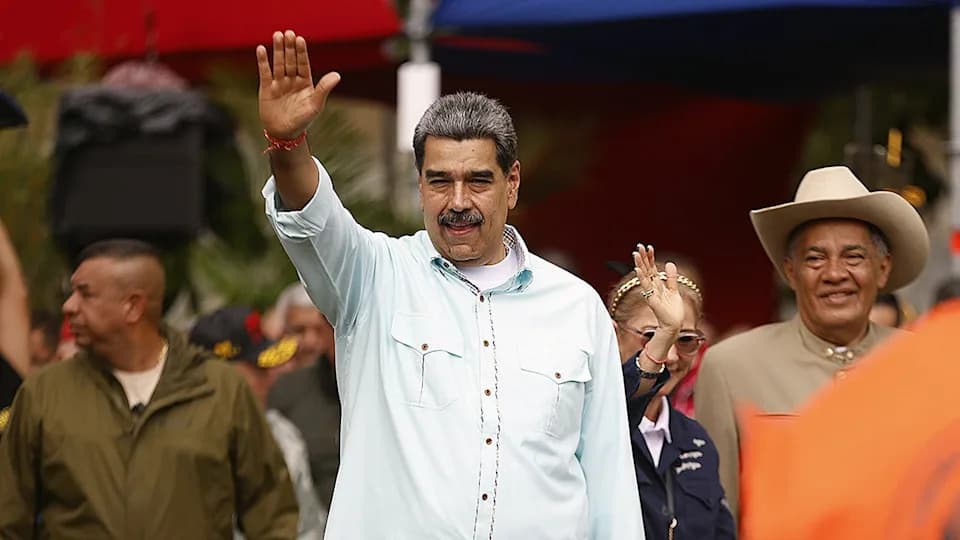
What began in President Donald Trump’s first term as rhetoric of withdrawal has increasingly given way to an assertive and, at times, blunt projection of U.S. power. While the administration continues to pull back from non-military international engagement—illustrated by recent moves to withdraw from dozens of international bodies—the reported seizure of Venezuelan President Nicolás Maduro and public discussions about acquiring Greenland highlight a markedly more aggressive posture.
From Rhetoric To Reach
Observers described the Maduro operation as the work of an unapologetic empire. As journalist Spencer Ackerman noted after the event, 'rarely in the era of mass media has U.S. imperialism been as unsubtle or as blatant.' Previously cited rationales—such as protecting human rights or confronting direct threats—have at times been replaced by clearer resource-driven aims, particularly around Venezuela's oil.
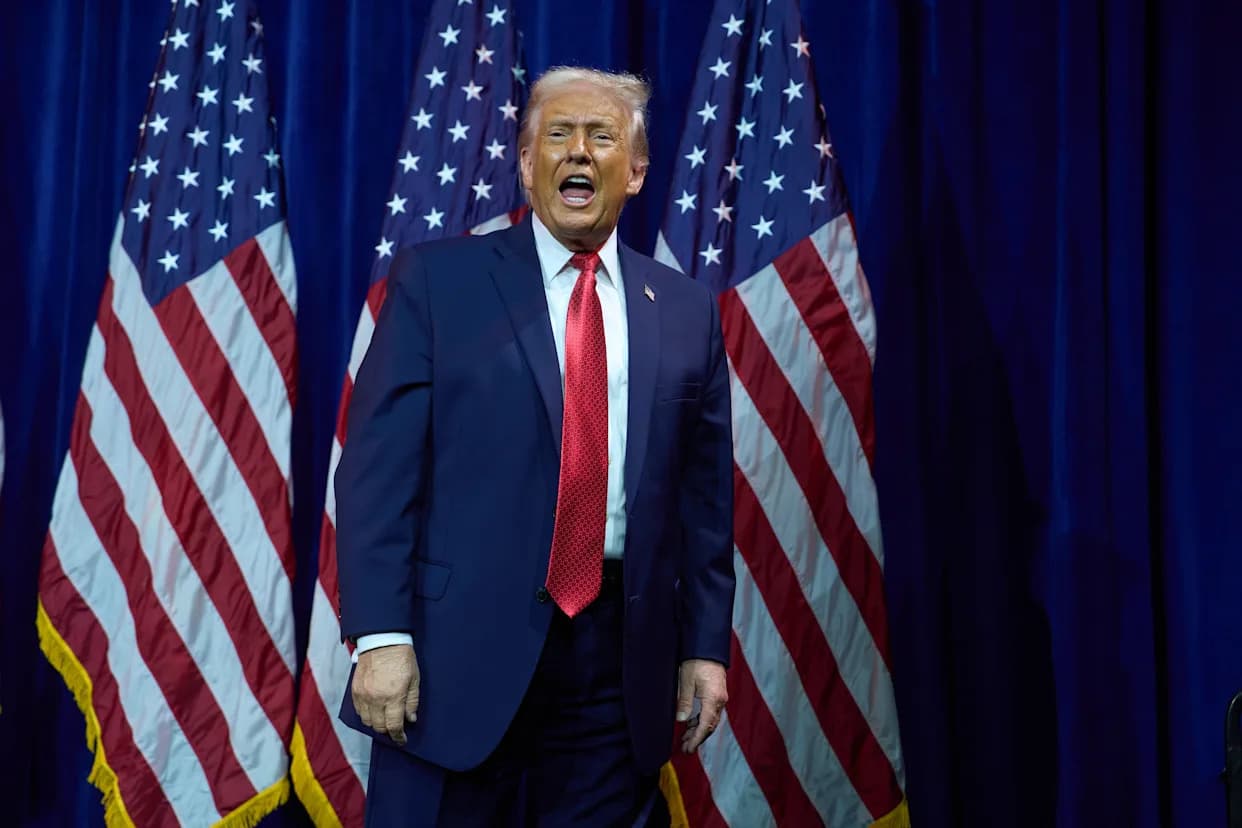
Trump has sought to cultivate the image of a peace-oriented leader, and some supporters still portray him as a 'peace president.' Yet he has shown an appetite for military spectacle and overt displays of power, from a White House-hosted parade to public boasts about America's global reach. In a recent interview with The New York Times he framed the only limit on his exercise of power as personal:
'My own morality. My own mind. It’s the only thing that can stop me.'
Regional Consequences
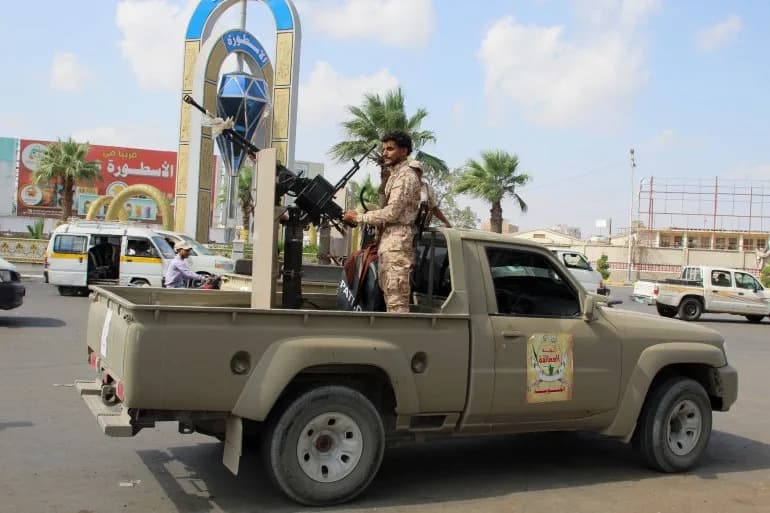
The administration's approach has unnerved regional leaders. Colombian President Gustavo Petro, who has faced public rebukes from Trump over drug trafficking, told reporters he felt threatened by the tone and actions coming from Washington. Meanwhile, discussions reportedly considered offering Greenlanders payments to support secession from Denmark, and Trump publicly framed the idea of 'owning' Greenland as a psychological and strategic advantage.
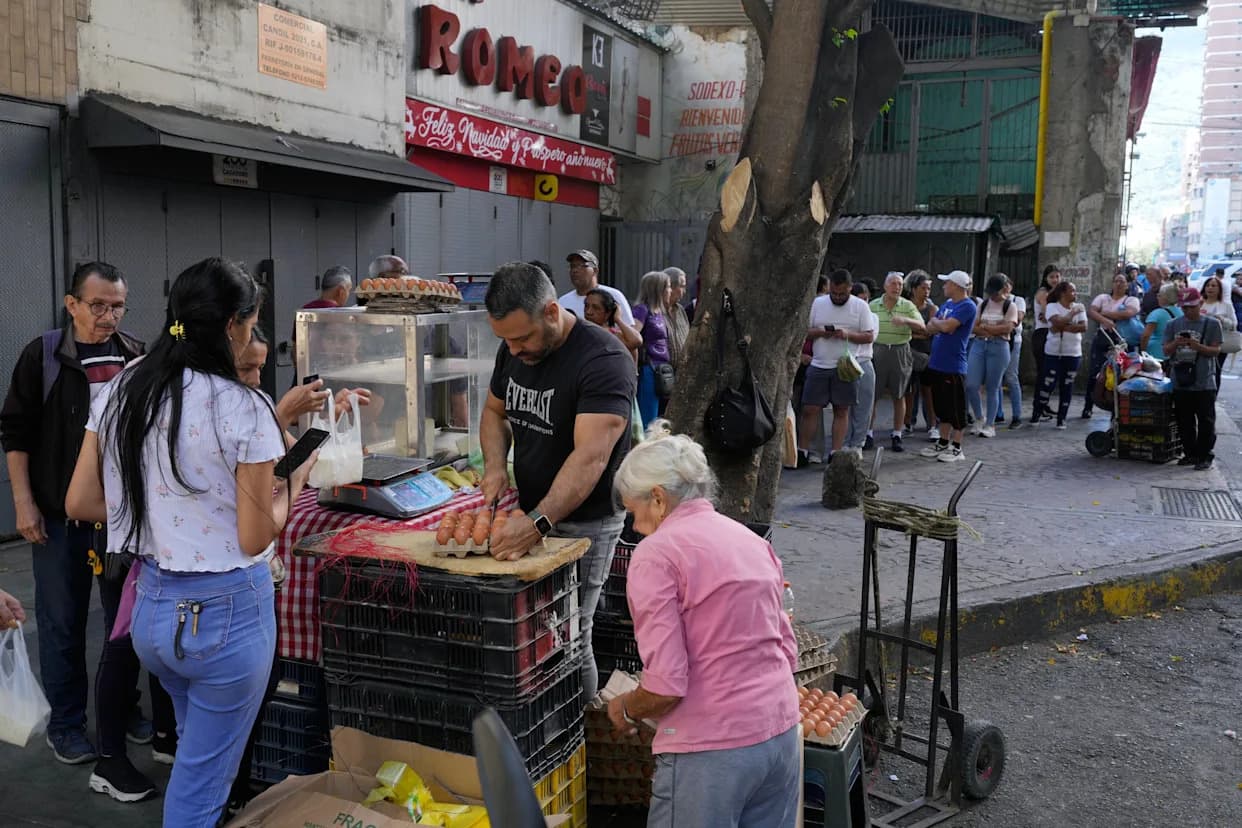
In Venezuela the administration has signaled an interest in controlling oil resources. Executives from multiple major oil companies were called to the White House to hear proposals for investing in a post-Maduro Venezuela. The administration also seized a Venezuelan oil tanker it accused of evading sanctions and said its cargo would be sold under a newly created arrangement. Industry sources reported skepticism about the plan, but the White House continued to suggest extended U.S. oversight of Caracas's oil fields.
Historical Echoes And Personnel
The operation to capture Maduro recalls earlier U.S. interventions in Latin America. Aside from the 1989 arrest of Panama's General Manuel Noriega, the United States has a long history of covert and overt involvement in the region during the late 19th and 20th centuries. What stands out today is a revived willingness to discuss direct control or long-term oversight of another country's natural resources.
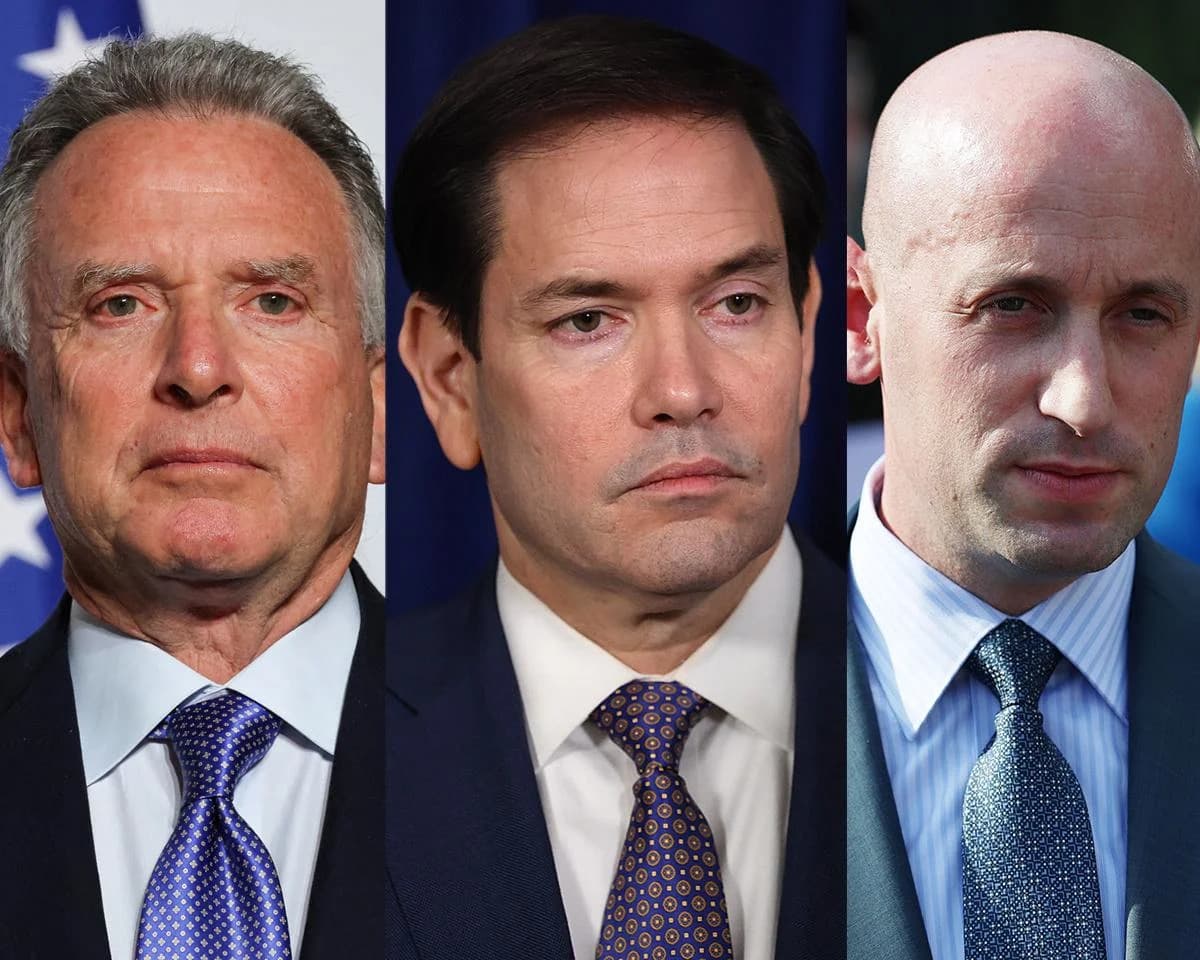
Senior aides appear to be shaping a more expansionist doctrine. Deputy Chief of Staff Stephen Miller lamented online that after World War II the victorious Allies 'dissolved its empires and colonies and began sending colossal sums of taxpayer-funded aid to these former territories.' On CNN he added that 'nobody is going to fight the United States militarily over the future of Greenland,' an attitude some commentators equate with unapologetic great-power entitlement.
Diplomacy, Aid, And Military Spending
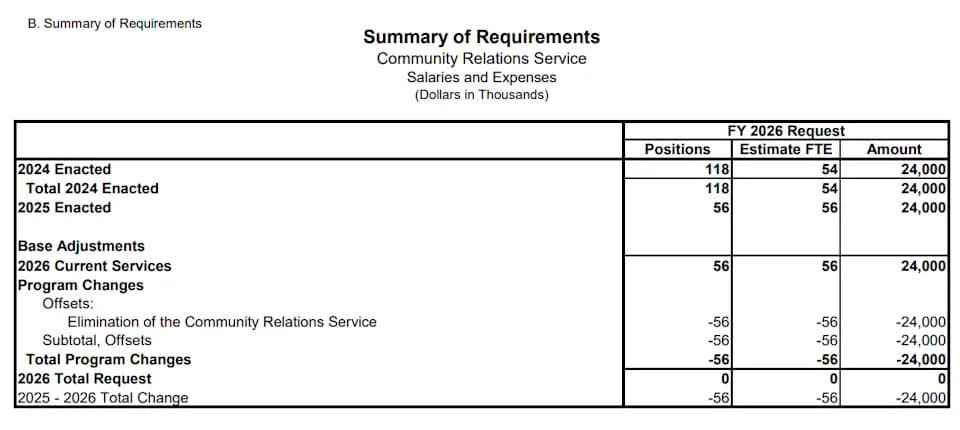
At the same time, the administration has moved to reduce traditional diplomatic and development tools: a rapid reorganization of the U.S. Agency for International Development, deep cuts to foreign aid, and announced withdrawals from multiple international organizations and agreements, including the global climate treaty the U.S. helped negotiate. Critics warn these gaps are being filled diplomatically by rivals such as China and Russia.
Militarily, current actions have been limited in scale, but Trump has suggested a dramatic increase in defense spending—up to a proposed $1.5 trillion—which opponents argue would shift the military's focus from defense to power projection.
Conclusion
Trump's recent moves mark a pronounced departure from isolationist rhetoric toward a posture that many observers call imperial. Whether framed as a revival of old great-power habits or as a new, more brazen form of resource-driven interventionism, the shift raises urgent questions about U.S. intentions, the balance between hard and soft power, and the regional consequences for the Western Hemisphere.
Help us improve.