Overview: A fatal ICE shooting in Minneapolis has galvanized rapid political defenses from the administration amid efforts to protect an expanded immigration-enforcement agenda. The piece also covers Trump’s renewed remarks about Greenland, a War Powers procedural victory related to Venezuela, a Pentagon censure of Sen. Mark Kelly, and a House attempt to extend ACA premium subsidies — negotiations complicated by disputes over abortion funding.
ICE Shooting, Greenland Threats, War Powers Clash and ACA Showdown: What You Need To Know

Photo illustration by Slate. Photos by Charly Triballeau/AFP via Getty Images, Saul Loeb/AFP via Getty Images, and United States Immigration and Customs Enforcement.
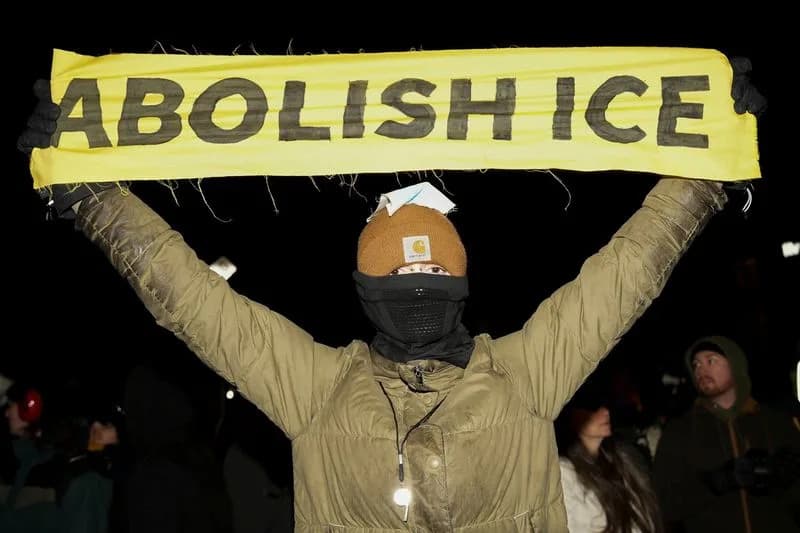
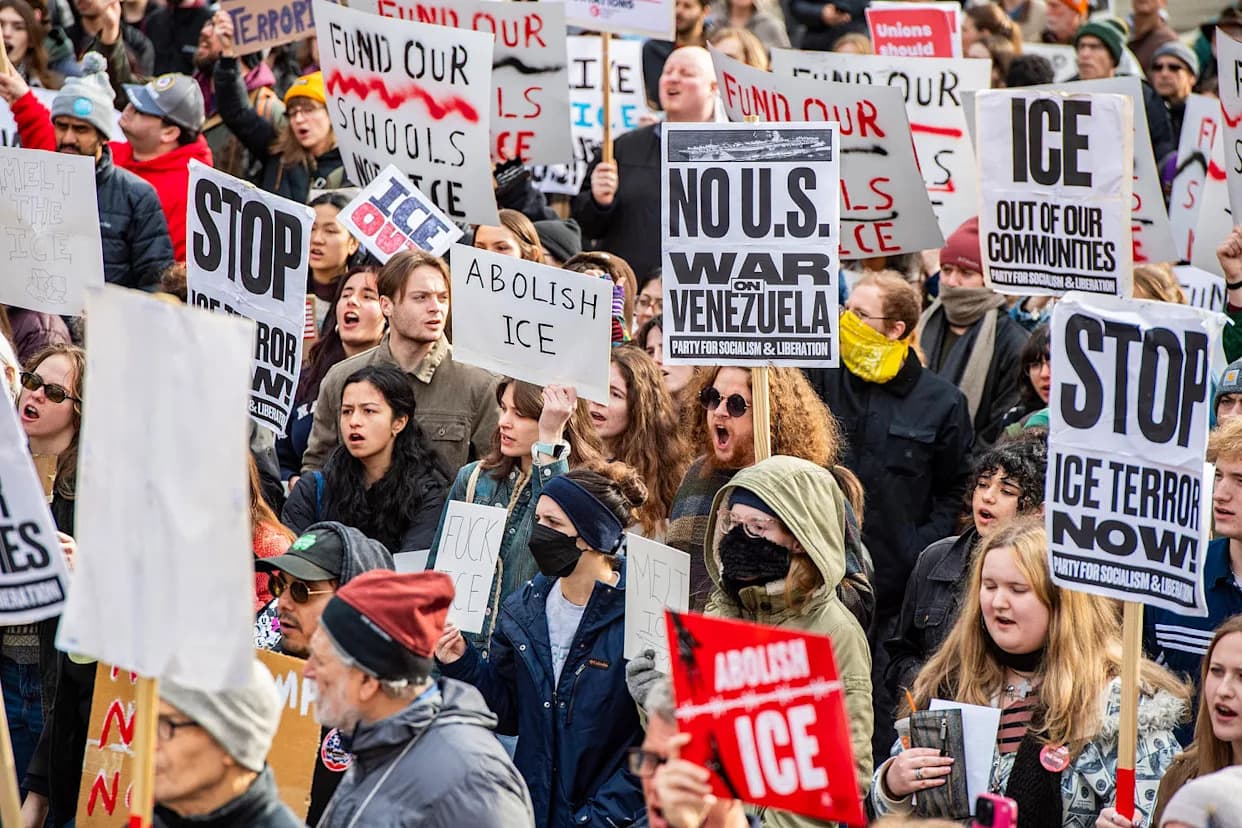
On Wednesday in Minneapolis, 37-year-old Renee Nicole Good was shot and killed during an Immigration and Customs Enforcement operation after she attempted to leave the scene in her car. According to witness accounts and local reports, an ICE agent ordered Good to exit her vehicle while another officer moved to the opposite side. As Good turned her wheels to avoid the approaching officer, one agent — standing only a few feet away — fired multiple rounds, killing her. Whether a court ultimately accepts the officer’s self-defense claim remains an open legal question; many observers describe the shooting as a likely excessive use of force.
Political Imperatives Shape The Response
The administration moved quickly to shape the public narrative. Stephen Miller — described here as the architect of the White House’s hardline immigration policy — and other senior officials characterized Good’s actions in alarmist terms; Miller called it “domestic terrorism,” and Department of Homeland Security spokespeople and DHS Secretary Kristi Noem echoed versions of that framing. Vice President J.D. Vance also rebuked reporters who questioned the officer’s conduct during a White House briefing. The rapid, emphatic defense appears aimed at protecting the political case for a recent expansion of ICE’s resources and personnel, which is central to the administration’s deportation strategy.
Trump’s Greenland Comments Rekindle International Pushback
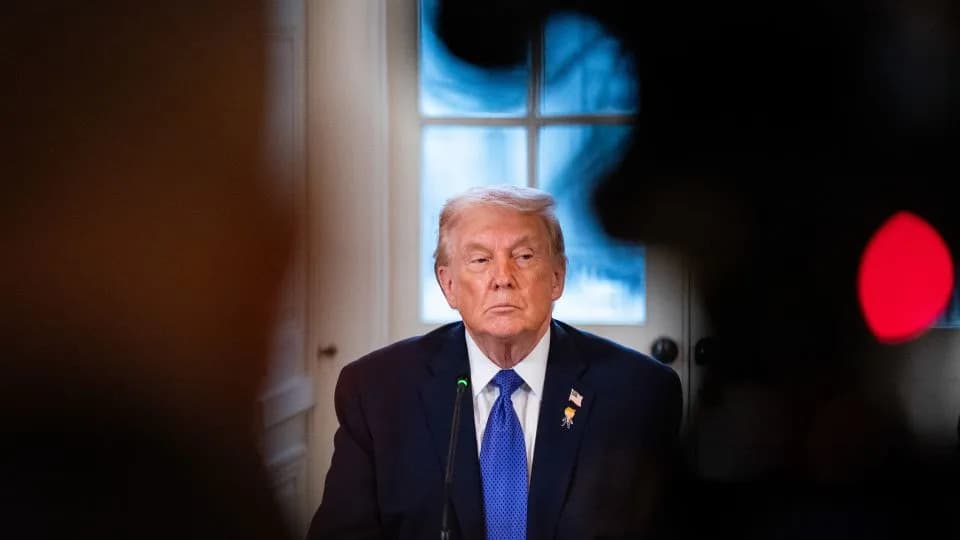
President Donald Trump again highlighted Greenland as a U.S. interest this week, repeating his claim that “we need Greenland.” White House press secretary Karoline Leavitt suggested military options remain on the table, and Stephen Miller argued in an interview that global affairs are governed by strength. European leaders and many U.S. Republicans condemned the rhetoric, warning that any aggressive action against Denmark’s territory would carry severe diplomatic and strategic consequences. Analysts noted that buying Greenland would be prohibitively expensive and that diplomacy remains the appropriate avenue for U.S. interests in the region.
State Politics: Tim Walz And Minnesota Scrutiny
Former U.S. Representative and two-term Minnesota Governor Tim Walz withdrew his bid for a third gubernatorial term amid state social-services fraud scandals that have attracted national attention and prompted a federal probe. The decision does not end scrutiny of state-federal tensions: Minnesota is now engaged in an escalating standoff with federal immigration authorities, and political attention on the state is likely to continue. Sen. Amy Klobuchar has been mentioned as a potential candidate to enter the governor’s race.
War Powers, Venezuela And A Senate Split
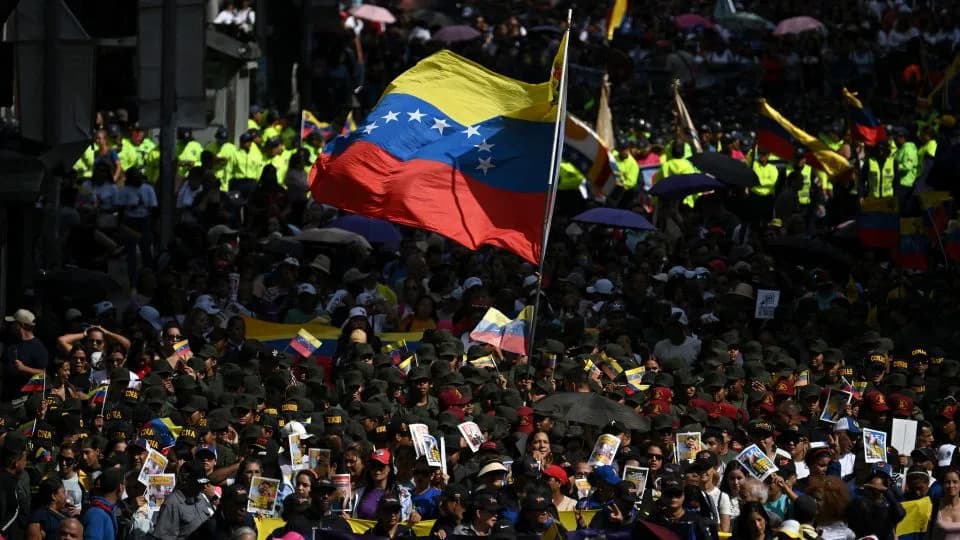
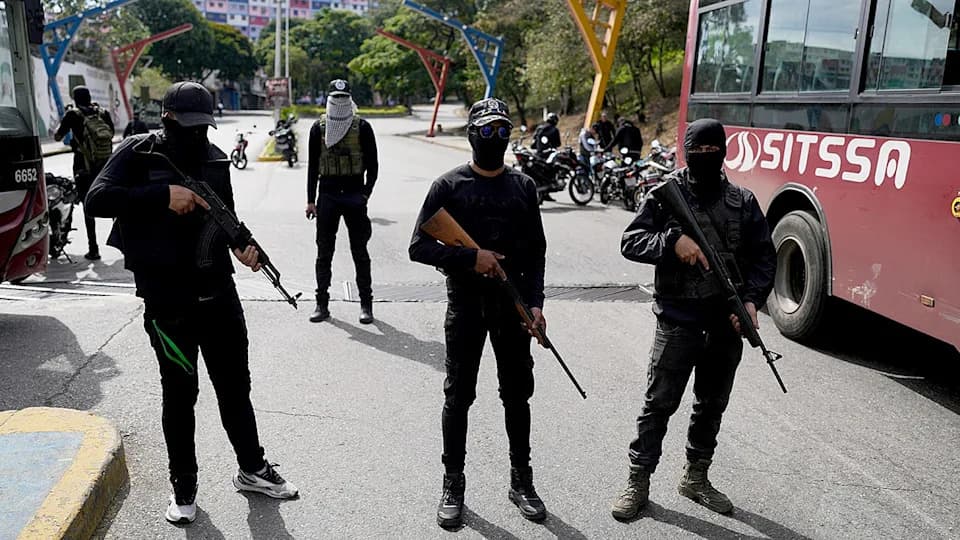
The long-running divide between interventionist and isolationist Republicans surfaced again after the president ordered U.S. forces into Venezuela to detain its leader. Sen. Rand Paul, joined by Sen. Tim Kaine, forced a vote on a War Powers resolution designed to block further military action in Venezuela without congressional approval. The measure advanced on a procedural vote when five Republicans joined all Senate Democrats — prompting sharp criticism from the president and a vow from Sen. Lindsey Graham to push back against efforts that he says would constrain the commander-in-chief.
Military Dissent, Mark Kelly And A Censure Letter
Sen. Mark Kelly drew the ire of Defense Secretary Pete Hegseth after releasing a video advising service members they may refuse unlawful orders. Hegseth called the comments “seditious” and announced retirement-grade determination proceedings; he also issued a formal letter of censure. Critics say the response reflects deep political tensions between the Defense Department leadership and some lawmakers, and that the censure may ultimately raise Kelly’s profile among Democratic voters.
Venezuela’s Future And U.S. Calculations
With Nicolás Maduro reportedly detained in Brooklyn, the administration appears to favor keeping existing Chavista structures in place under Vice President Delcy Rodríguez so long as U.S. conditions are met — a choice officials say is driven by concerns that an immediate regime change would be destabilizing. Opposition leader María Corina Machado remains a prominent figure, but U.S. officials reportedly judged that her candidacy lacks the necessary domestic support at this moment.
Health Care Standoff: ACA Subsidies And Hyde Amendment Tensions
On Thursday, 17 House Republicans joined all Democrats to force a House vote via a discharge petition extending expired Affordable Care Act premium subsidies for three years. The bill is unlikely to pass the Senate, but the vote increases pressure on Senate Republicans to produce a solution to rising premiums. Senate Majority Leader John Thune convened a bipartisan working group to pursue a narrower extension that would tighten eligibility. A major sticking point is abortion funding: many Republicans insist on stronger Hyde Amendment–style protections to prevent federal dollars from being used for abortion services — a demand that complicates bipartisan agreement.
Bottom Line: A fatal ICE shooting has become a high-stakes political story tied to the administration’s expanded enforcement agenda. At the same time, provocative foreign-policy rhetoric, a War Powers showdown, internal Pentagon clashes, and a brewing health-care fight are colliding to make this a consequential week in Washington.
Help us improve.