Irma, a Venezuelan farmer who fled paramilitary violence, endured Trump-era MPP in Mexico and the loss of her son while waiting to pursue asylum. Allowed into the U.S. under the Biden administration, she briefly rebuilt her life with Temporary Protected Status before the 2025 Trump administration rescinded protections and expanded ICE enforcement. The article links her experience to a broader pattern scholars call "victim inversion," where vulnerable groups are targeted during democratic backsliding. Irma now lives in fear of detention and prays for solidarity and protection for others at risk.
From Maduro’s Violence to Trump’s Crackdown: One Venezuelan’s Ongoing Nightmare
I sometimes wonder what would have happened if I had let that first phone call go to voicemail. The connection was poor and I only caught half the words, but I knew immediately why the woman was calling: for weeks I had been receiving dozens of similar calls.
In the summer of 2020 I was working remotely as a paralegal in Austin, Texas, helping asylum-seekers complete applications for relief. At the time, a Trump-era policy known as the Migrant Protection Protocols (MPP) kept tens of thousands of people stranded in Mexican border towns while their U.S. asylum cases proceeded. Many never received court notices or became victims of kidnapping, assault, or sexual violence as they waited.
My phone number had circulated across the borderlands, and by the time a Venezuelan asylum-seeker who asked to be called Irma reached me, I had a scripted reply: we were at capacity; we could not take new clients. But she would not accept that answer.
Speaking in Spanish, Irma told me her son had died after Mexican immigration officials deported him to Colombia. He had a respiratory complication related to diabetes that may have been triggered by COVID‑19. She began to cry and asked, "Tell me, how can I bring his ashes to me?" I paused. My supervisor had ordered us not to take new cases, but something in Irma’s voice made me relent: she called me "mija," spoke with gentle certainty, and trusted me without suspicion.
I convinced my supervisor to make a rare exception and we provided Irma limited assistance. For months we spoke nearly every night as I helped her prepare for hearings at the U.S. border—hearings repeatedly delayed by court closures during the pandemic. I never reunited her with her son’s ashes; they remained in Colombia, along with his widow and daughters. But Irma kept waiting for her day in court, and I kept taking her calls.
A Life Torn Apart by Violence and Displacement
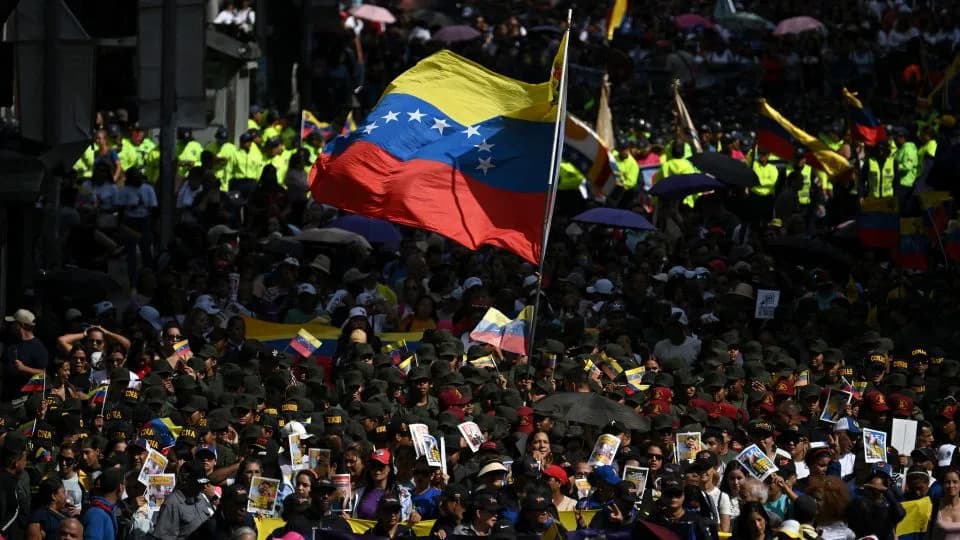
When Nicolás Maduro became president in 2013, Irma worked as an acampesina—a small-scale rural farmer—and at first she was optimistic. She had benefitted from land reforms and social programs under Hugo Chávez and believed leaders should look after the humble. But within a year of Maduro’s presidency she began seeing armed men pick people off the streets—members of the colectivos, government-affiliated paramilitaries that repressed dissent and often looted their victims.
Irma and other farmers protested local corruption when officials began stealing produce and selling it on the black market. In retaliation, colectivos came to her farm: they beat and dragged off her brother; a few hours later she found him at the morgue. Weeks later they returned, destroyed the farm, beat and tied her, and threatened her life. After hiding failed, Irma fled Venezuela—one of nearly 8 million who left during Maduro’s rule.
Trapped Under MPP, Brief Reprieve, Then Renewed Fear
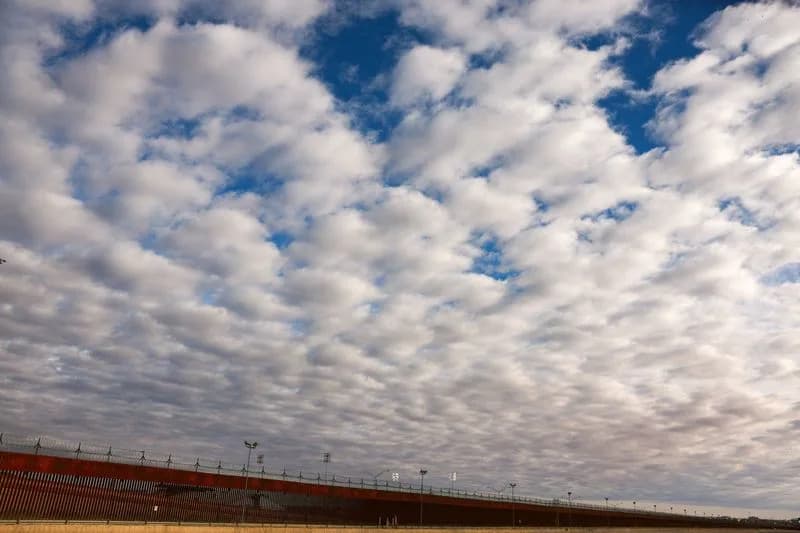
Irma reached the U.S.–Mexico border during the first Trump administration. She crossed the Rio Grande, told an immigration officer she had fled the colectivos, and asked for asylum. She was detained in a freezing, crowded cell—an "hielera" or icebox—for three days and then returned to Ciudad Juárez under MPP. There she lived in shelters and at times on the streets and in a construction site where she worked, enduring threats and repeated sexual assaults by a co-worker who warned he would dump her body in the river if she complained. Her son died while trying to join her, leaving a widow and two young daughters in Colombia.
Irma refused to give up her chance to escape a regime that had killed her brother. She waited through pandemic delays and the shifting policies of U.S. administrations. When Joe Biden won in 2020, she rejoiced: the administration pledged to end MPP and restore asylum pathways. Allowed into the United States, she reunited with family in Houston, obtained Temporary Protected Status (TPS) for Venezuelans, and found work at a 7‑Eleven. She saved, dreamed of opening an arepa food truck, and began to rebuild a fragile life.
Everything changed when Donald Trump returned to the White House in 2025. The administration enacted a slate of anti-immigrant orders that rolled back humanitarian and family‑based parole policies and rescinded TPS for citizens of several unstable countries, including Venezuela. A reported $170 billion enforcement package dramatically increased resources for Immigration and Customs Enforcement (ICE), and directives demanding "total and efficient" enforcement accompanied an intensifying campaign of raids and arrests.
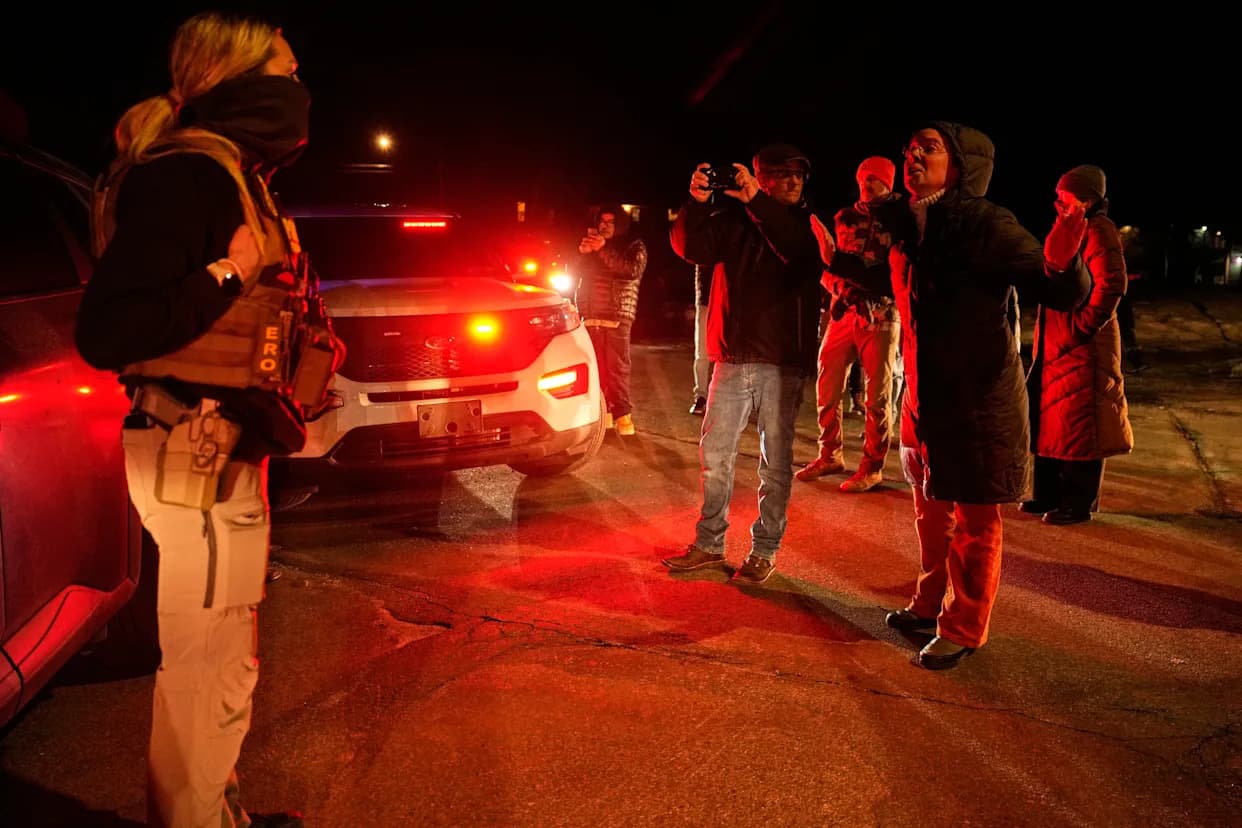
Irma became newly undocumented. She says a co-worker exposed her status and she lost her job. She moved from Houston to Austin to try to be safer, avoided church gatherings, and watched services online. She feared being picked up by ICE while bringing her grandson to school or simply out on the street: "You don't know what they're going to do," she told me. "They don't want us here."
Patterns of Repression and "Victim Inversion"
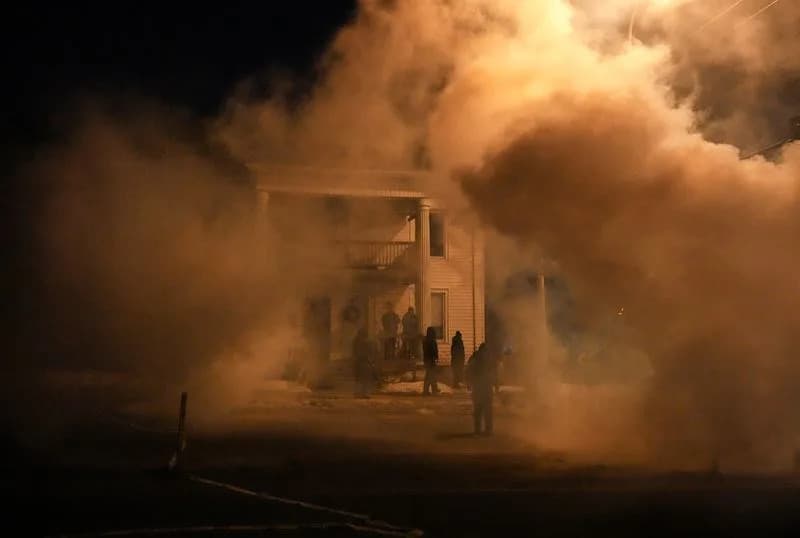
At the nonprofit legal center where I work, I have seen clients starved, denied medication, and held in windowless cells where lights never go off and there is no room to lie down. Since the summer, ICE has carried out aggressive street raids: over one period the agency averaged more than 1,000 arrests per day, and in 2025 thirty‑two people died in ICE custody. Encounters have grown more violent and unpredictable, affecting migrants, legal observers, and protesters. After an ICE agent shot and killed Renee Nicole Goodin, President Trump reportedly labeled her an "agitator," defending law enforcement.
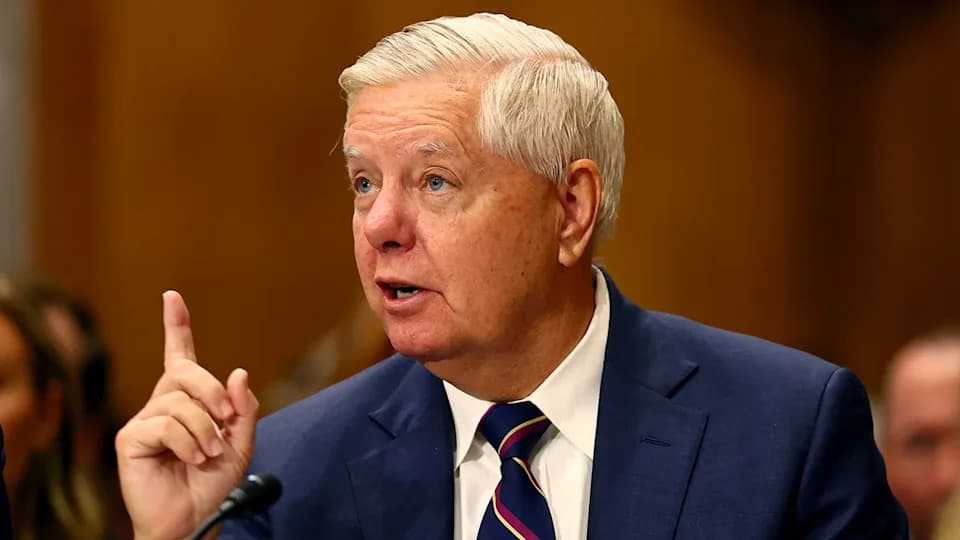
Scholars call the targeting of vulnerable groups during democratic decline "victim inversion." Javier Corrales, a political scientist, explains that authoritarian projects manufacture in‑groups and out‑groups and start by attacking the easiest targets—the most vulnerable—because they are easiest to isolate and vilify. In Venezuela the out‑group included dissidents and critics; in the United States, Corrales argues, Trump's policies have focused on noncitizens.
Miguel Tinker Salas, a historian who studies Venezuela and the U.S.–Mexico border, sees both Maduro and Trump as symptoms of wider polarization grounded in their countries' histories: Venezuela’s crisis grew from Chávez’s hybrid regime and economic collapse; in the United States, Trump’s resurgence exploited political disillusionment and policy failures.
Fear, Faith, and a Call for Solidarity
Irma does not trust Maduro, but she fears U.S. intervention as well. She has texted me, "Here, he’s made us suffer enough; imagine what he’s going to do inside my country." Yet she prays for those who threaten her—President Trump and ICE agents—begging Jesus to "soften the heart" of leaders and officers. She does not expect mercy, but she hopes others will stand up for people being taken off the streets.
"I've lived through death, eviction, and persecution because I stood up to corruption. We can't allow one person to destroy what belongs to all of us."
The question remains: can the U.S. immigration system still deliver justice and humane protection, or has the country traded one form of danger for another? Irma's story is a stark reminder that democratic erosion and harsh enforcement policies have real human costs—on both sides of the border.
Help us improve.