The columnist argues that a pattern of dehumanizing language toward ICE and its personnel has helped create a climate in which violent acts become more likely. He cites recent episodes — including the Minneapolis shooting, a Dallas facility attack that killed two detainees, the reported killing of Charlie Kirk and an attempted assassination in Butler, Pa. — as evidence that hostile rhetoric can have real-world consequences. The piece urges political leaders, media and civic institutions to condemn dehumanizing speech while preserving robust policy debate.
Opinion: Dehumanizing Rhetoric Is Fueling A Dangerous Climate — Who’s Responsible?
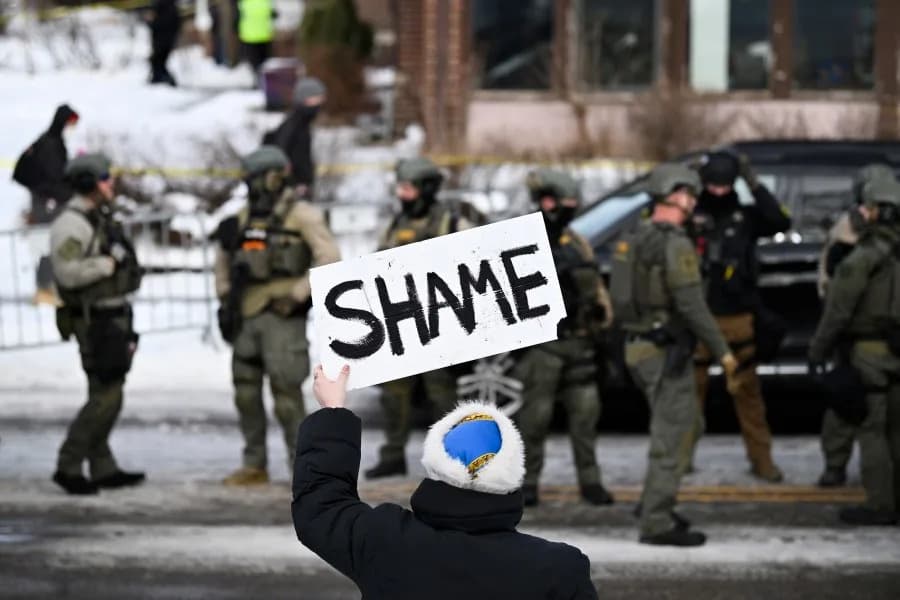
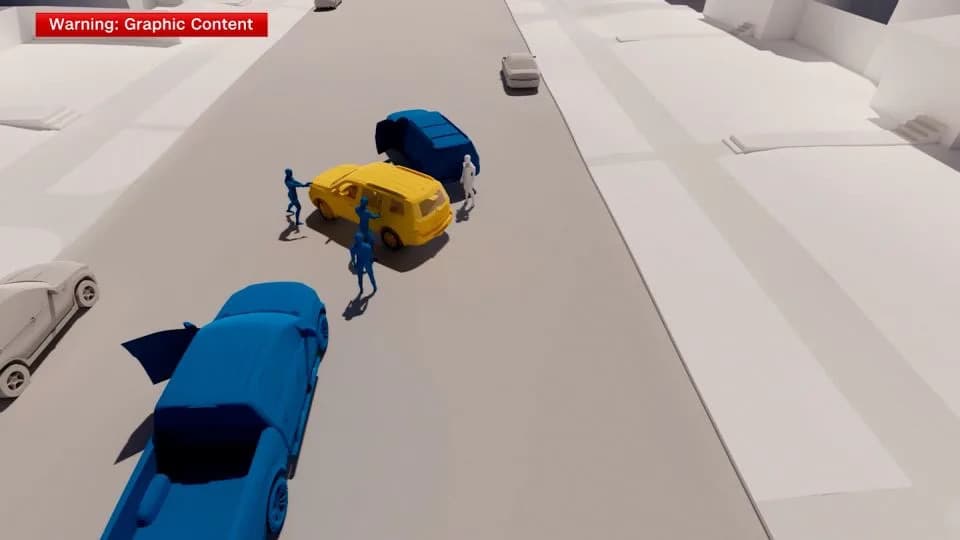
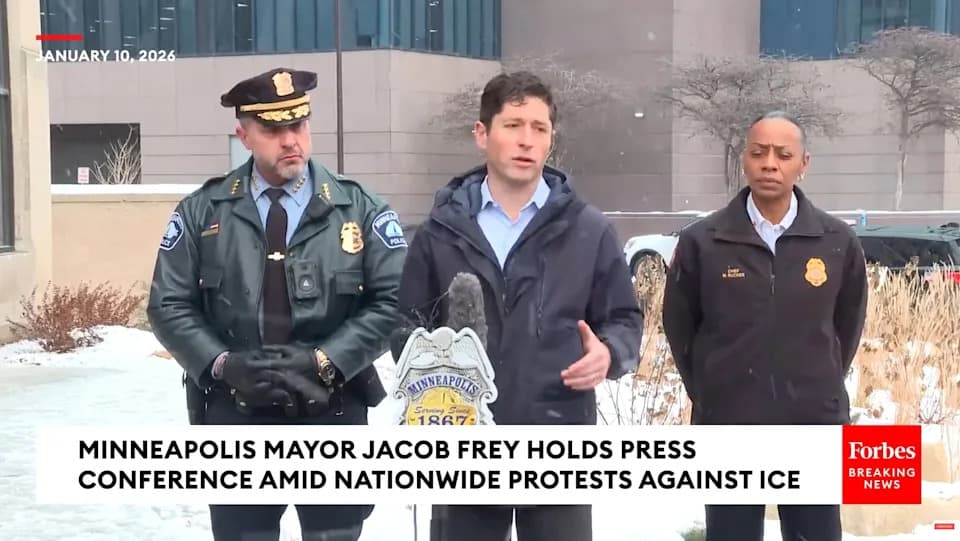
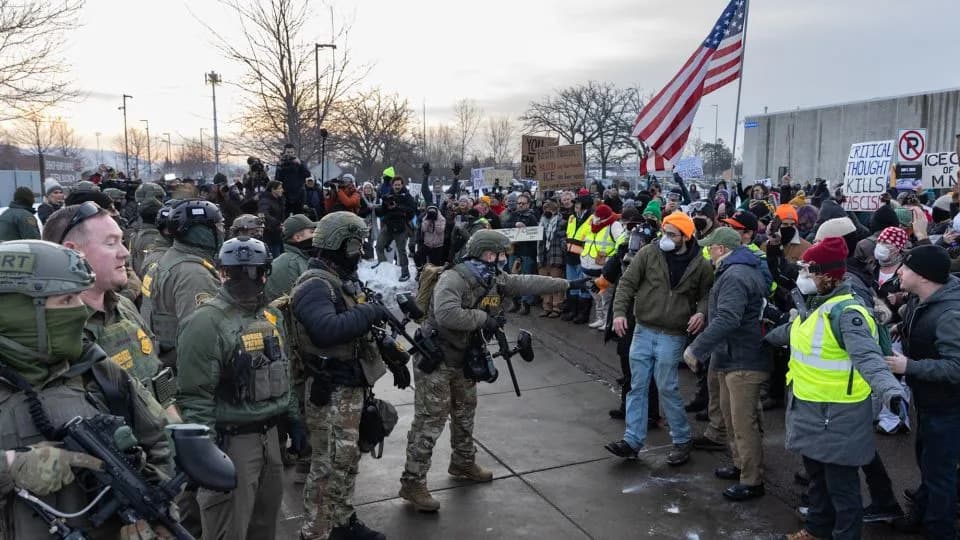
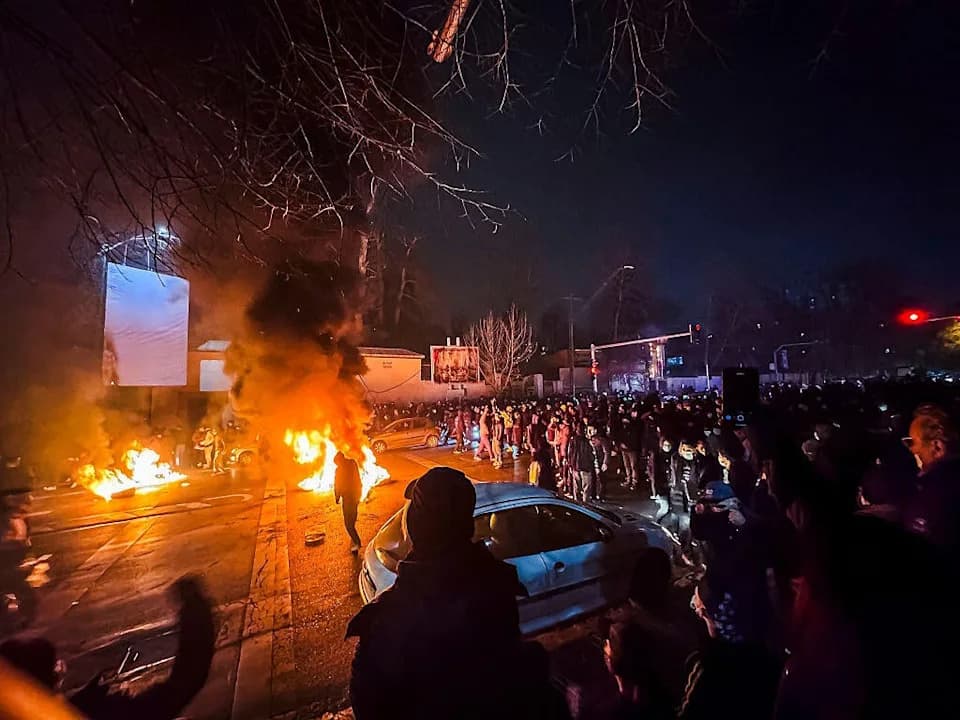
Take a wide, clear-eyed view of recent violent episodes — the ICE-related shooting in Minneapolis, the reported killing of Charlie Kirk in Utah, the attack on an ICE facility in Dallas, and the attempted assassination of President Trump in Butler, Pa. A disturbing through-line emerges: deliberate, hate-fueled rage that may have been stoked by months or years of dehumanizing rhetoric.
There is no question these events are tragedies. In Minneapolis, a human life was lost — a woman who was a mother, a partner and a daughter. Her death is devastating for those who knew and loved her. Some reports indicate she may have been connected to an "Anti-ICE" group that trained members to harass or block federal officers. If true, that raises painful questions: what drew her to that activism, and could this loss have been prevented?
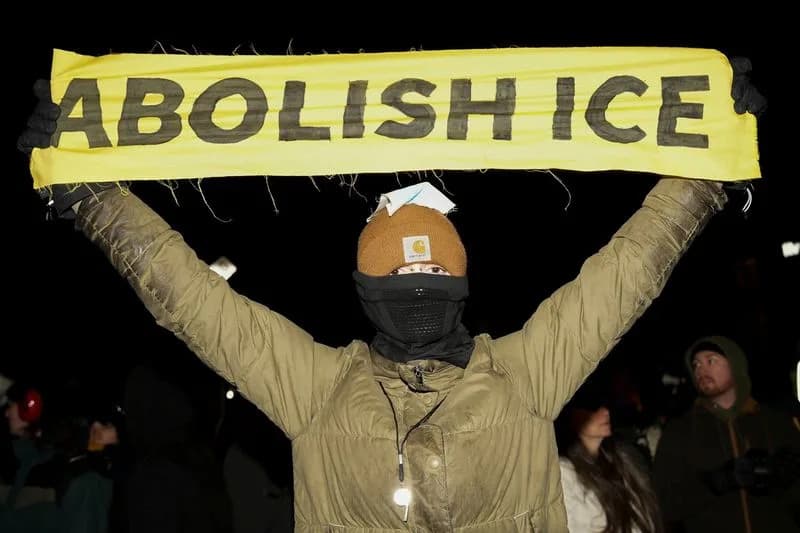
For more than a year, rhetoric aimed at ICE and its personnel — often vitriolic and dehumanizing — has grown louder in some political and media circles. Terms such as "Gestapo" and "stormtroopers" have been used to describe the agency and its employees. Repeated campaigns that reduce people to monsters can create an atmosphere in which a vulnerable or unstable person might be pushed past a dangerous threshold. Regrettably, a persuasive case can be made that this dynamic contributes to real-world violence.
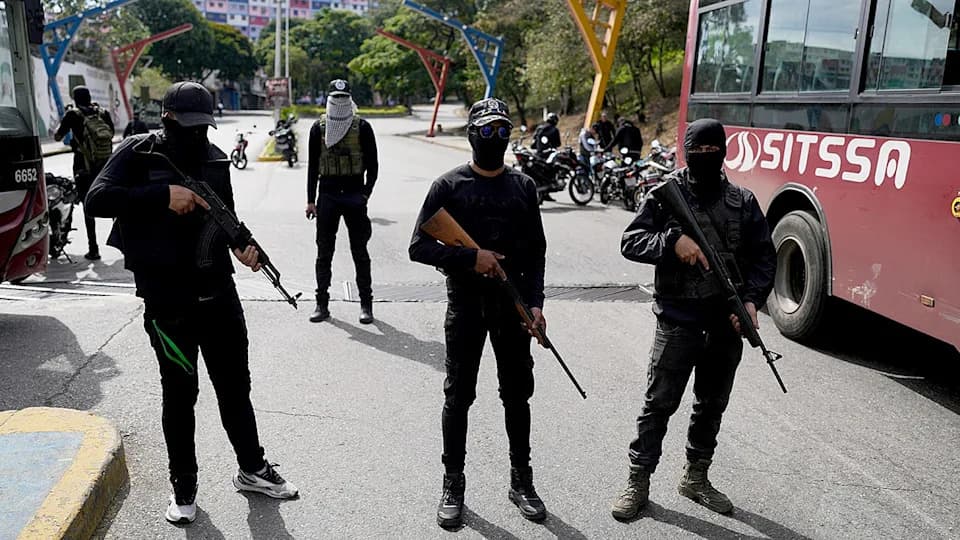
Consider the Dallas attack. Last September, a sniper opened fire on an ICE facility, killing two detainees before taking his own life. Video from inside the facility showed ICE officers trying to shield other detainees during the assault. Those officers were acting to protect human lives at risk — not as caricatures in a political narrative.
The men and women who work for ICE are Americans: parents, neighbors and public servants doing difficult jobs under intense scrutiny. They, too, deserve to live and work without constant threats, doxxing or vilification. When employees and their families are singled out as enemies, the consequences can extend beyond political debate and into danger.
Worse, some political actors, media figures and academics have amplified hostile and dehumanizing language for partisan gain. Whether intended or not, such amplification risks "pouring gasoline on a fire" that can spiral out of control. That raises an urgent question for everyone engaged in public discourse: at what point does rhetoric cross the line from harsh criticism to enabling violence?
This is not a plea to silence legitimate policy debate. Strong disagreements over immigration policy and law enforcement are a healthy part of democracy. But language matters. Words that strip opponents of their humanity make it easier for violence to feel justified to those already on the edge.
What should be done? Political leaders, media organizations and civic institutions must call out and reject language that dehumanizes people or institutions. We should protect the right to protest and to criticize government policy while refusing to normalize threats, doxxing or calls to violence. That collective responsibility could prevent future tragedies and keep public discourse within civilized bounds.
Ultimately, we are neighbors, family members and fellow citizens. Labeling any group or individual as "the enemy" corrodes civic life and risks more needless suffering.
Douglas MacKinnon is a former White House and Pentagon official.
Help us improve.