The US Supreme Court heard West Virginia v. BPJ, a case that could decide whether transgender youth may play on school sports teams and may affect broader LGBTQ+ protections. Rival rallies in Washington, D.C., drew hundreds on both sides, and observers reported heightened organization and hostility from some opponents, including physical confrontations and targeted recording of activists. GSA co‑executive director J Gia Loving was briefly detained during a confrontation; another attendee was later charged with misdemeanor assault. Advocates warned that a broad ruling could enable wider restrictions on trans rights and emphasized community resilience.
‘They’re Here to Antagonize Us’: Rising Hostility at DC Rallies as Supreme Court Considers Trans Youth Sports Case
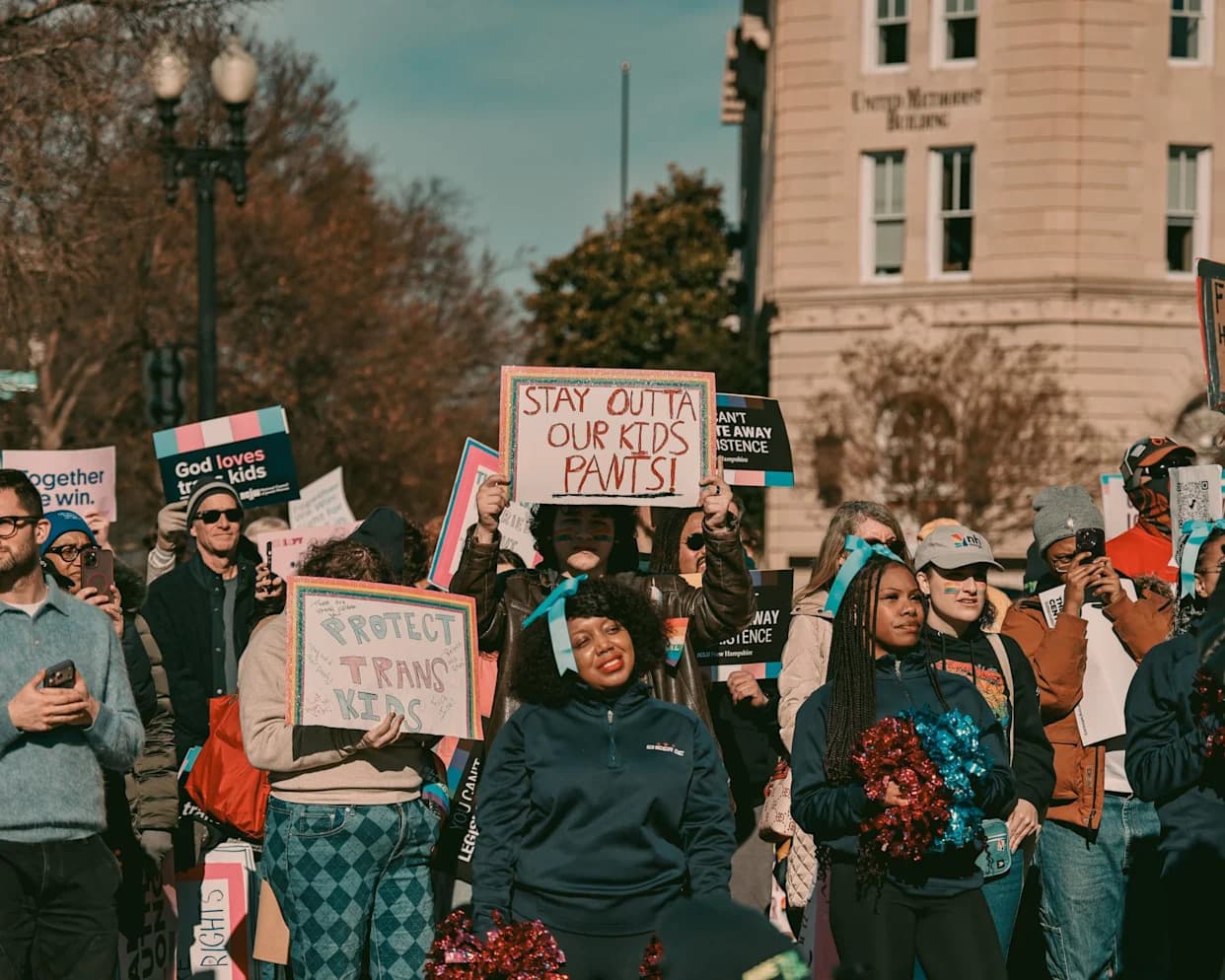
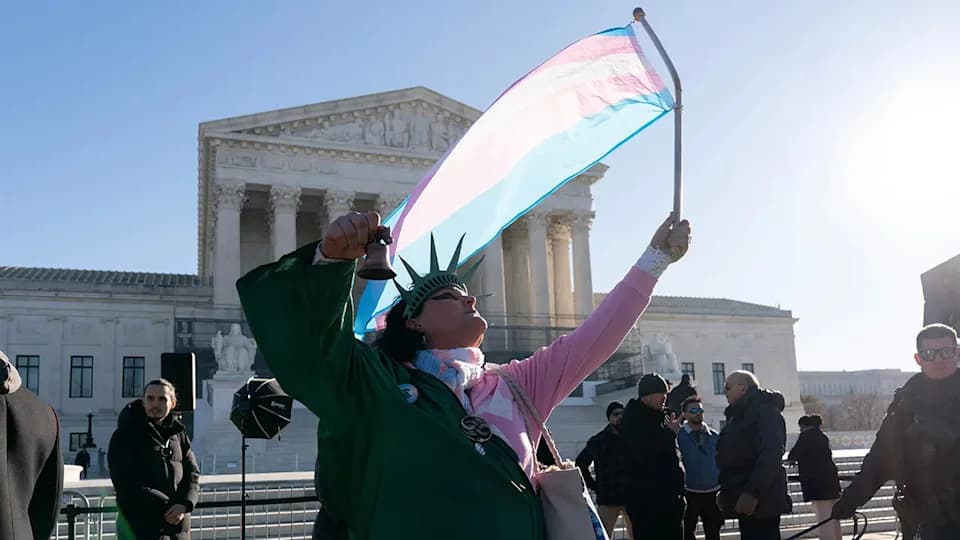
Trans rights activists outside the supreme court on 13 January 2025.Photograph: Alexa Wilkinson/Gender Liberation Movement(Photograph: Alexa Wilkinson/Gender Liberation Movement)
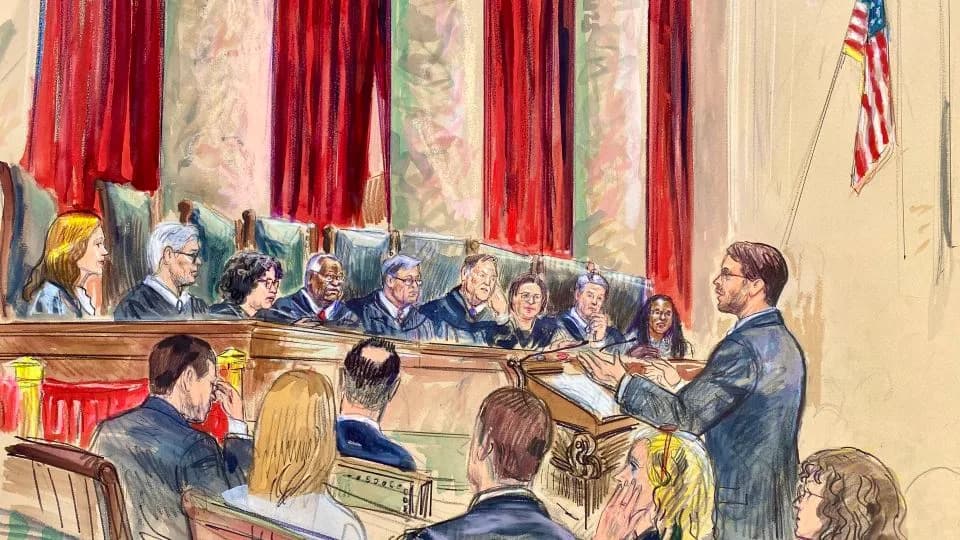
As the US Supreme Court heard arguments in West Virginia v. BPJ—a case that could determine whether transgender children may compete on school sports teams and could have broader implications for LGBTQ+ civil-rights protections—competing groups of activists gathered in Washington, D.C.
Clashes and Charged Atmosphere
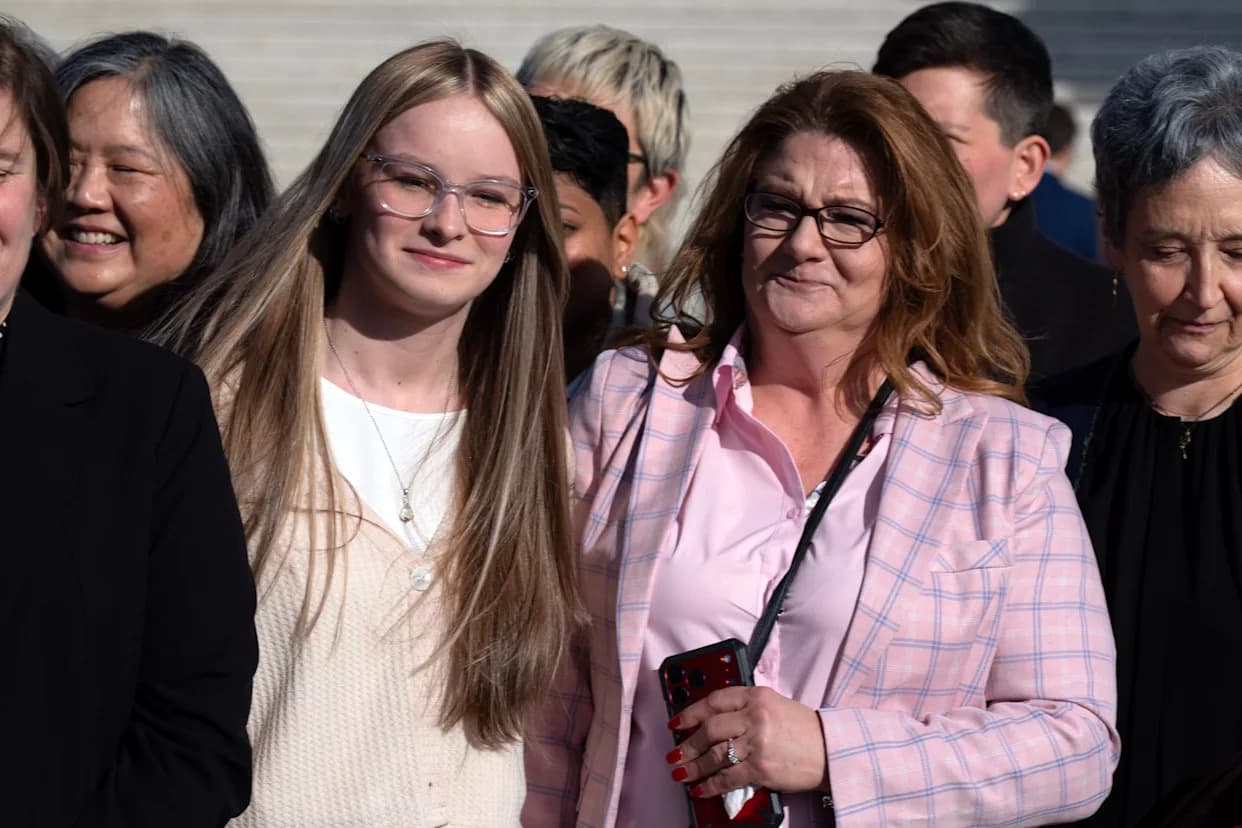
One multiracial crowd of several hundred rallied in support of Becky Pepper-Jackson, the West Virginia track athlete and named plaintiff in the case. Across the street, an equally large, predominantly white group urged the court to "protect women’s sports" by upholding laws in West Virginia and Idaho that bar transgender students from participating on teams that match their gender identity.
The scene echoed past demonstrations over trans and queer rights: supporters danced to remixes by pop artist Chappell Roan, while opponents at one point held a prayer for the West Virginia legal team. But multiple attendees and reporters noted a sharper tone this week, describing increased organization and aggression among some opponents.
Incidents Observed
Witnesses reported episodes in which trans activists were shoulder-checked, shoved, chased and filmed. Chants escalated into direct taunts: when trans supporters chanted, "Our existence is resistance," some opposing attendees responded, "Your existence is ridiculous." Organizers and advocates said the opposition’s outreach appeared more coordinated than in previous years.
"They definitely expanded their efforts, and that was clear on Tuesday," said Raquel Willis, co‑founder of the Gender Liberation Movement.
Detention of GSA Leader and Legal Response
One high-profile confrontation involved J Gia Loving, co‑executive director of the GSA Network, and Jared L. Ross, a fellow with the Do No Harm organization. According to several observers and Loving’s account, the two bumped into each other and Ross then alleged he had been assaulted. Reporters watched as police surrounded Loving, restrained her hands behind her back and temporarily denied her access to identification and legal counsel. Several officers reportedly used incorrect pronouns for Loving while she was detained.
After roughly 20 minutes Loving was released; Capitol Police later reported that Ross was detained and charged with a misdemeanor for simple assault. Do No Harm’s leadership said Ross "looks forward to being fully vindicated once the facts come out." The Guardian and event organizers sought comment from advocacy groups on the ground; some did not respond before publication.
Broader Political Context
Advocates connected the protests to a broader wave of federal and state actions affecting transgender people. They pointed to recent executive actions and agency policy changes, as well as a flurry of state laws that limit gender-affirming care, restrict how gender is recorded on identity documents, and regulate youth sports and school policies related to gender and sexuality.
AJ Hikes of the ACLU, which represents Pepper-Jackson, said the intense focus on sports is a deliberate tactic by opponents. "This hyper-focus on sports is yet another example of the ways they are trying to erase trans and non-binary people from public life," Hikes said. Other advocates described the bans as motivated by power and control rather than by concern for athletic fairness.
Voices From Youth and the Community
A group of teenagers who traveled from North Carolina—where a 2023 law restricts classroom discussion of sexual orientation and gender identity and requires teachers to notify parents if a student requests a different name or pronoun—shared accounts of harassment, exclusion and fear. One teen said he had been attacked at school multiple times after coming out; another described repeated harassment in locker rooms.
Despite confrontations, the pro‑trans rally continued with dancing, chants and a sense of solidarity. "There’s so much joy out here today," said Rebekah Bruesehoff, a 19‑year‑old college athlete. Speakers invoked the history of LGBTQ+ resilience—from the Stonewall era and activists such as Marsha P. Johnson to contemporary advocates—and stressed that community presence matters even if legal setbacks occur.
"We might lose battle after battle after battle," Loving said after her release, "but after 500 years of this project to erase us, we are still here, and that matters."
Help us improve.