The Thomas More Society has asked the U.S. Supreme Court to block a California law that limits when public schools can inform parents about a student's gender identity or pronoun changes, seeking to revive a federal judge's injunction that favored notification for parents with religious objections. U.S. District Judge Roger Benitez issued a permanent injunction for two Escondido teachers, but the Ninth Circuit has stayed that order while California appeals. The state says it will continue defending the law, which also restricts disclosure of sexual orientation and allows exceptions in "compelling" circumstances.
Thomas More Society Asks Supreme Court To Block California Law Restricting Schools From Notifying Parents About Students' Gender Identities

The law prohibits teachers from telling parents if a student wants to use new pronouns or adopt a different gender identity.
A Catholic legal group has asked the U.S. Supreme Court to block a California law that limits when public schools may inform parents if a student identifies with a different gender or requests new pronouns. The Thomas More Society filed an emergency appeal seeking to reinstate a federal judge's injunction that would allow parents with religious objections to be notified despite the statute's restrictions.
The law, signed by Governor Gavin Newsom in 2024 and in effect for about a year, also restricts disclosure of a student's sexual orientation, though that provision is not the focus of the current challenge. The statute generally bars teachers and school staff from informing parents when a student seeks to change their name, pronouns or gender identity, while allowing disclosure in narrowly defined "compelling" circumstances — a standard critics call vague.
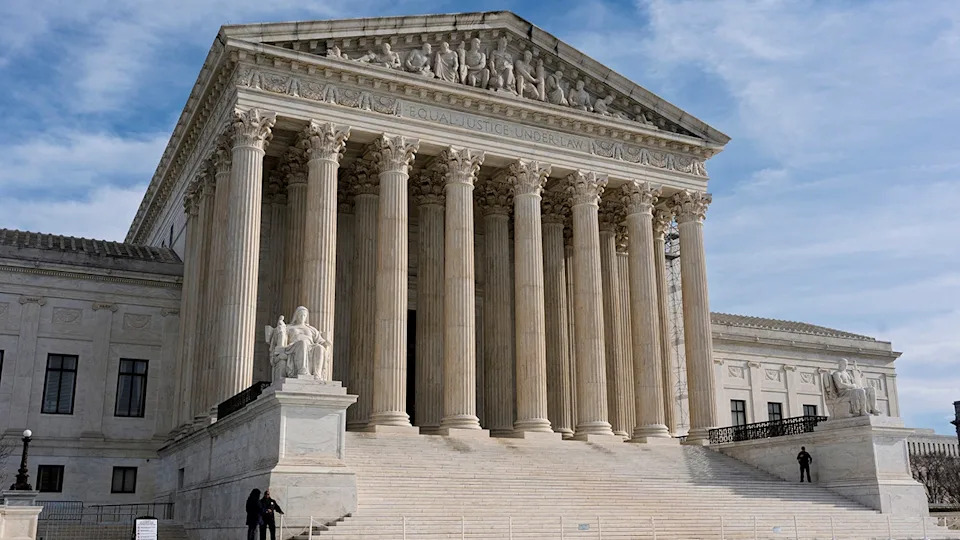
The Supreme Court is seen on Capitol Hill in Washington, Dec. 17, 2024.
Court Battles And Legal Arguments
U.S. District Judge Roger Benitez issued a permanent injunction last month blocking parts of the law after ruling in favor of two Escondido Union School District teachers, Elizabeth Mirabelli and Lori Ann West. The teachers argued their district policies — and the state law's limits on disclosure — violated their constitutional and religious rights.
"Parents have a right to receive gender information and teachers have a right to provide to parents accurate information about a child’s gender identity," Judge Benitez wrote. "Parents and guardians have a federal constitutional right to be informed if their public school student child expresses gender incongruence."
The Ninth Circuit Court of Appeals later stayed Benitez's injunction while California pursues an appeal, keeping the law in effect for now. In response, the Thomas More Society asked the Supreme Court for emergency relief to reinstate the district court's order. The challengers also plan to seek review by a larger Ninth Circuit panel (en banc) to lift the stay.
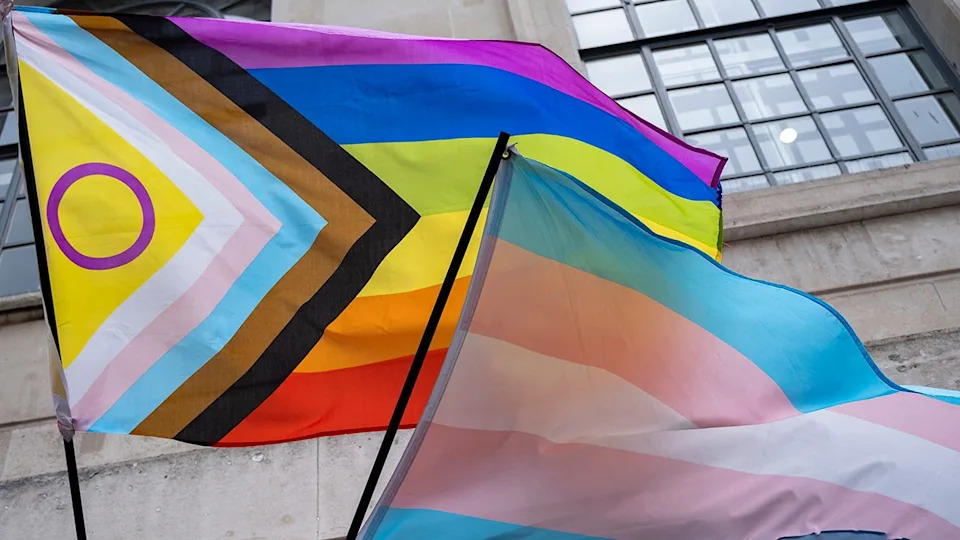
The law was adopted after several school districts in the state approved policies requiring teachers to contact parents if students wanted to change their name, pronouns or gender identity.
State Response And Wider Context
California Attorney General Rob Bonta's office said the state will continue to defend the law in court. "We look forward to continuing to make our case in court," a spokesperson told POLITICO. Supporters of the statute argue it protects student privacy and safety; opponents say it overrides parental rights and lacks clear exceptions.
The dispute has drawn broader attention to California education policy. In March, the U.S. Department of Education under the then-administration opened an inquiry into how the state enforces the law, adding a federal layer of scrutiny to an already fast-moving legal fight.
As the case proceeds, key issues before the courts include the balance between student privacy and parental rights, First Amendment and religious-liberty claims raised by teachers, and how narrowly "compelling" circumstances should be defined when schools disclose a student's gender identity.
Help us improve.