In 2025, clashes over immigration enforcement, civil-rights rollbacks and technology vulnerabilities brought student rights and school safety into sharp focus. Key events included a Minneapolis school shutdown after immigration activity, the PowerSchool data breach and legal action over AI chatbots linked to youth self-harm. Regulatory changes and major court battles — including cases on transgender participation in school sports and the scope of disparate-impact protections — will shape policy and practice in 2026.
Student Civil Rights Defined 2025 — What To Watch in 2026
Happy 2026 — and with it comes a look back at 2025, a year that reshaped how schools, families and policymakers confront immigration enforcement, free-speech disputes, data security and the federal role in civil-rights oversight. The events and legal fights of last year are likely to shape major developments over the next 12 months.
Immigration Enforcement and Schools
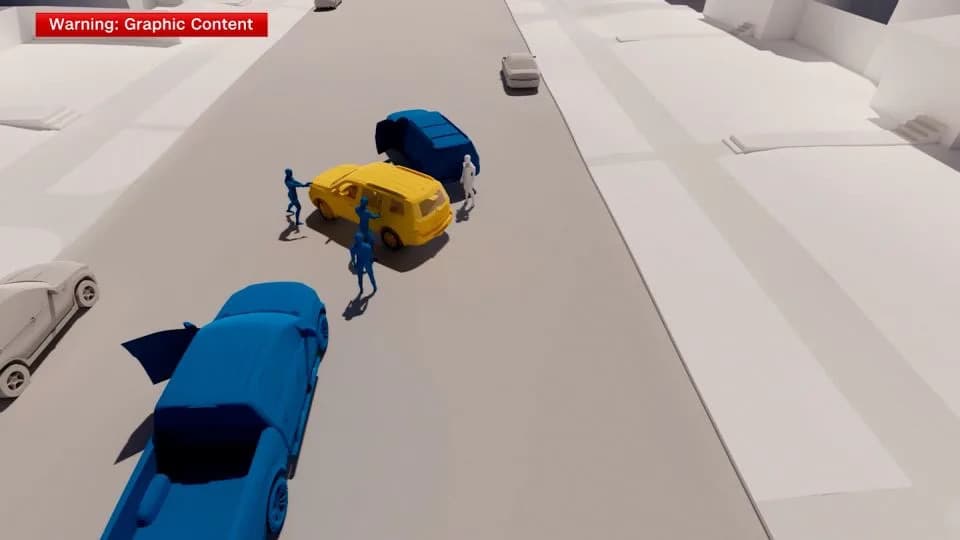
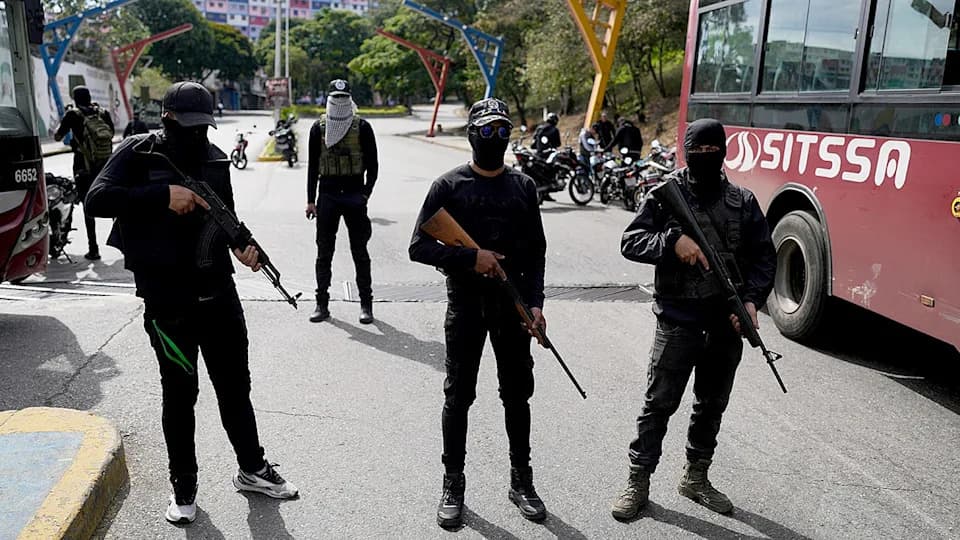
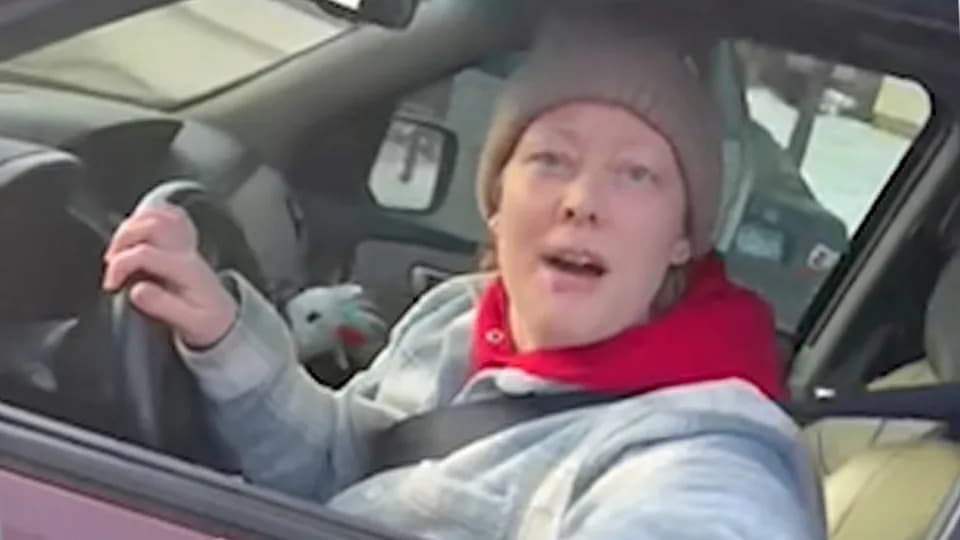
One of the most dramatic flashpoints occurred in Minneapolis, where Minneapolis Public Schools closed all campuses for two days after immigration-enforcement activity near a high school that parents and educators said endangered students and staff. Local reports described immigration agents using tear gas and arresting school employees; the Department of Homeland Security has denied deploying tear gas. The operation followed a separate incident in which a federal agent shot and killed 37-year-old Renee Nicole Good while she was in her car.
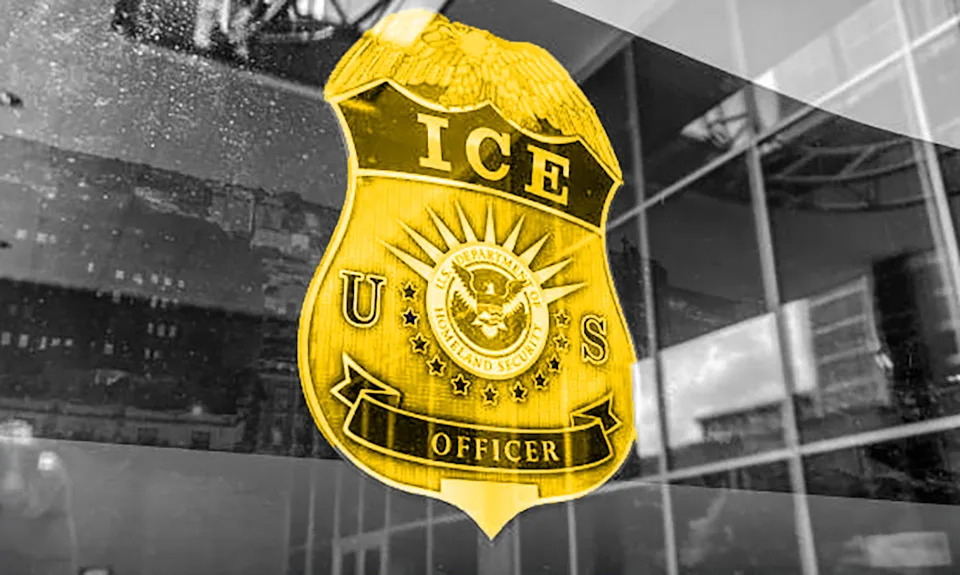
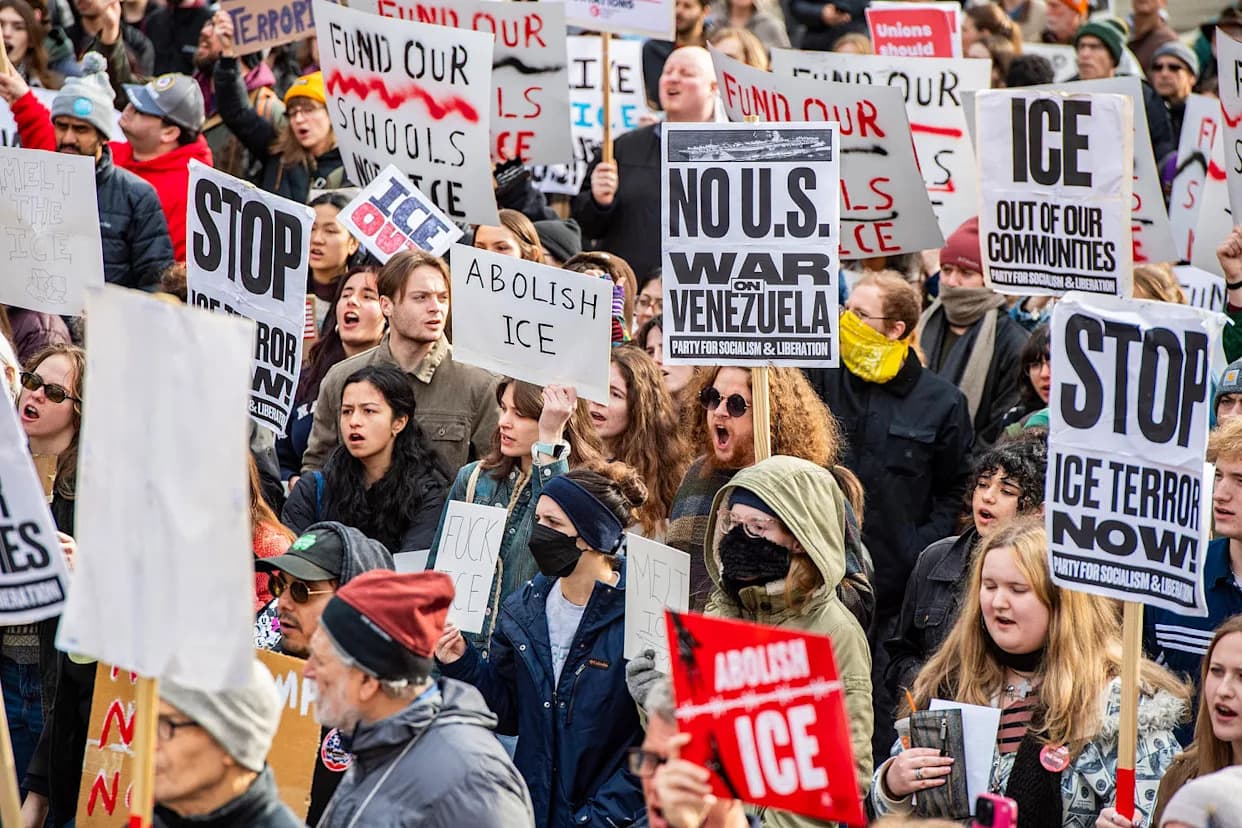
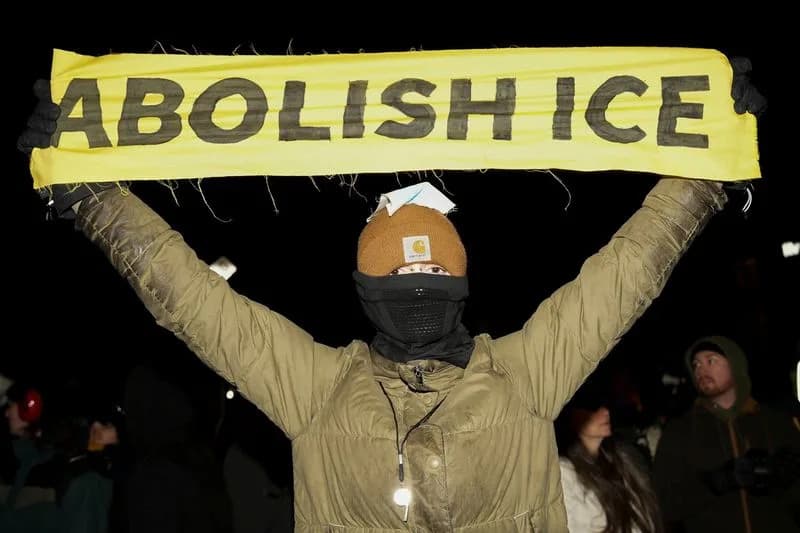
Those episodes occurred amid an administration-wide intensification of immigration operations on U.S. soil and a reversal of long-standing guidance that discouraged enforcement at “sensitive locations” such as schools and churches. The policy shift coincided with more than half a million deportations and prompted community pushback: districts and families organized to keep enforcement off school grounds, and some districts briefly considered assisting federal efforts before withdrawing amid controversy.
Federal Civil-Rights Rollbacks and Court Battles
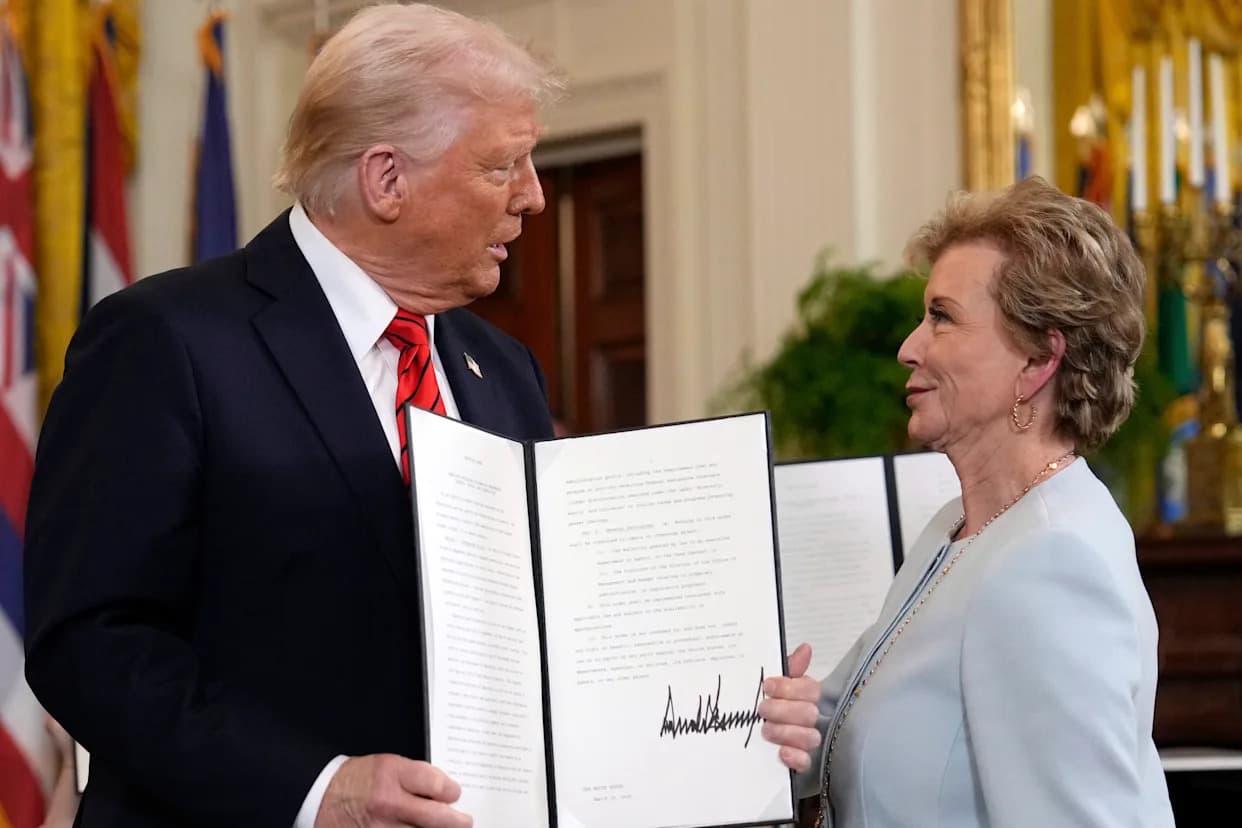
The federal civil-rights landscape shifted sharply after a presidential campaign that featured anti-immigrant and anti-transgender rhetoric. The administration issued orders to curb diversity, equity and inclusion (DEI) efforts in many school settings. Federal judges blocked a Department of Education effort to withhold funds from districts that would not adopt the administration’s interpretation of anti-discrimination rules.

In December, the Department of Health and Human Services finalized regulations aimed at restricting gender-affirming care for minors — a move that advocates warn will harm vulnerable youth. States also acted: Iowa removed explicit state-level protections for transgender and nonbinary residents.
Separately, the administration moved to rescind a decades-old federal rule addressing disparate-impact discrimination, a change that would reduce the federal government’s ability to hold schools accountable for neutral policies that have disproportionate effects on students of certain races or nationalities. Meanwhile, the Supreme Court is scheduled to hear arguments on whether states may bar transgender students from participating on school sports teams that align with their gender identity.
Student Data, Cybersecurity and Corporate Liability
The late-2024 PowerSchool breach continued to reverberate through 2025. Massachusetts teenager Matthew Lane was sentenced in connection with a scheme tied to what may be the largest student-data breach in history. Attention then shifted to PowerSchool: dozens of lawsuits from students, parents and districts allege the company failed to implement adequate safeguards, and Texas filed a suit accusing the vendor of deceiving customers about its cybersecurity protections. State attorneys general and school leaders are pressing companies to take stronger steps to protect sensitive student information.
AI, Chatbots and Youth Safety
AI chatbots emerged as another major concern. As students increasingly used AI tools for homework, companionship and entertainment, critics warned of social and emotional harms. Several lawsuits alleged that chatbot interactions contributed to self-harm by minors. In recent developments, Character.AI and Google reached settlements in lawsuits brought by parents who said their children harmed themselves after interacting with the startup’s chatbot. Bipartisan legislation proposed late in the year could require age verification for chatbot users and create stronger safeguards to help teens disengage from digital companions.

Free Speech, Campus Climate and Discipline
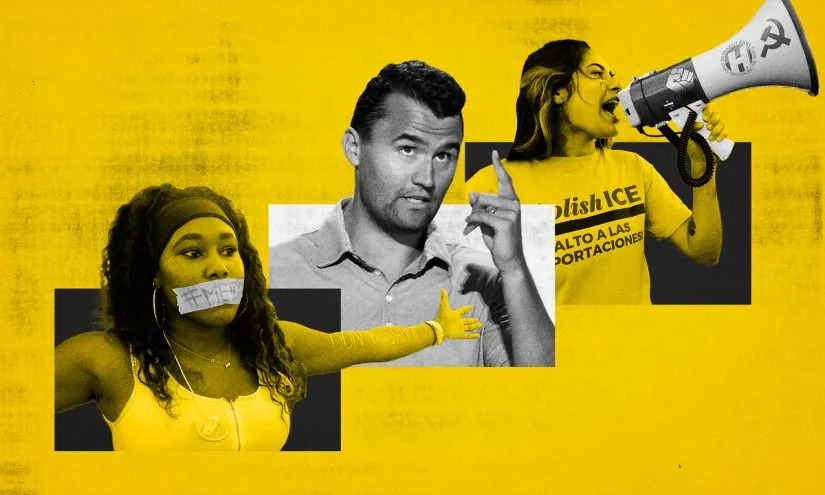
Free-speech disputes spread across K-12 and higher education. The murder of conservative commentator Charlie Kirk prompted online reactions that led to disciplinary actions for some students and educators — and heated debate about where schools should draw the line between discipline and constitutionally protected expression. Federal efforts to penalize pro-Palestinian student activists also drew judicial rebukes; in September a federal judge ruled that attempts to deport international students for political advocacy violated the First Amendment.
Labor and education groups remain engaged in litigation: the American Federation of Teachers filed a federal First Amendment lawsuit against the Texas Education Agency alleging that agency actions following the Kirk killing violated educators’ free-speech rights.
Looking Ahead
The convergence of expanded enforcement, regulatory rollbacks, corporate liability claims and courtroom battles means schools and families will remain on the front lines in 2026. Observers should follow federal rulemaking, key state legislation, and the outcomes of major court cases for signals about how student rights, privacy and safety will be governed moving forward.
Reporting contributed by Mark Keierleber and Jo Napolitano.
Help us improve.