President Trump returned to office with a forceful policy agenda that expanded executive authority and delivered major changes across government and foreign policy. Yet his political standing has weakened: an Axios/Reuters-Ipsos poll shows approval at 39%, and growing voter concern about costs of living and immigration has led some Republicans to distance themselves. Republicans risk losing congressional control in November, which could curb Trump's domestic agenda and raise impeachment prospects. The White House says fighting inflation remains a top priority.
Trump Starts Election Year With Sweeping Policy Wins — But Republican Support Is Fraying

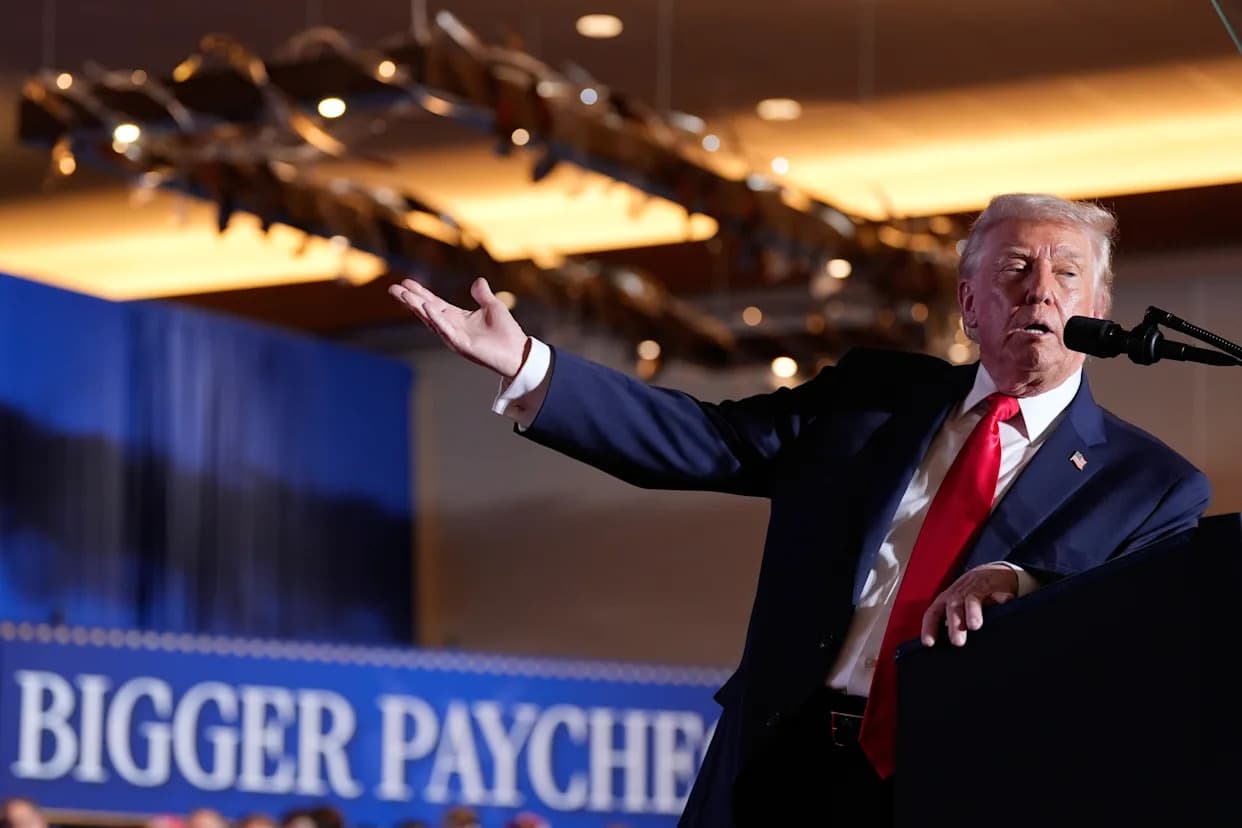
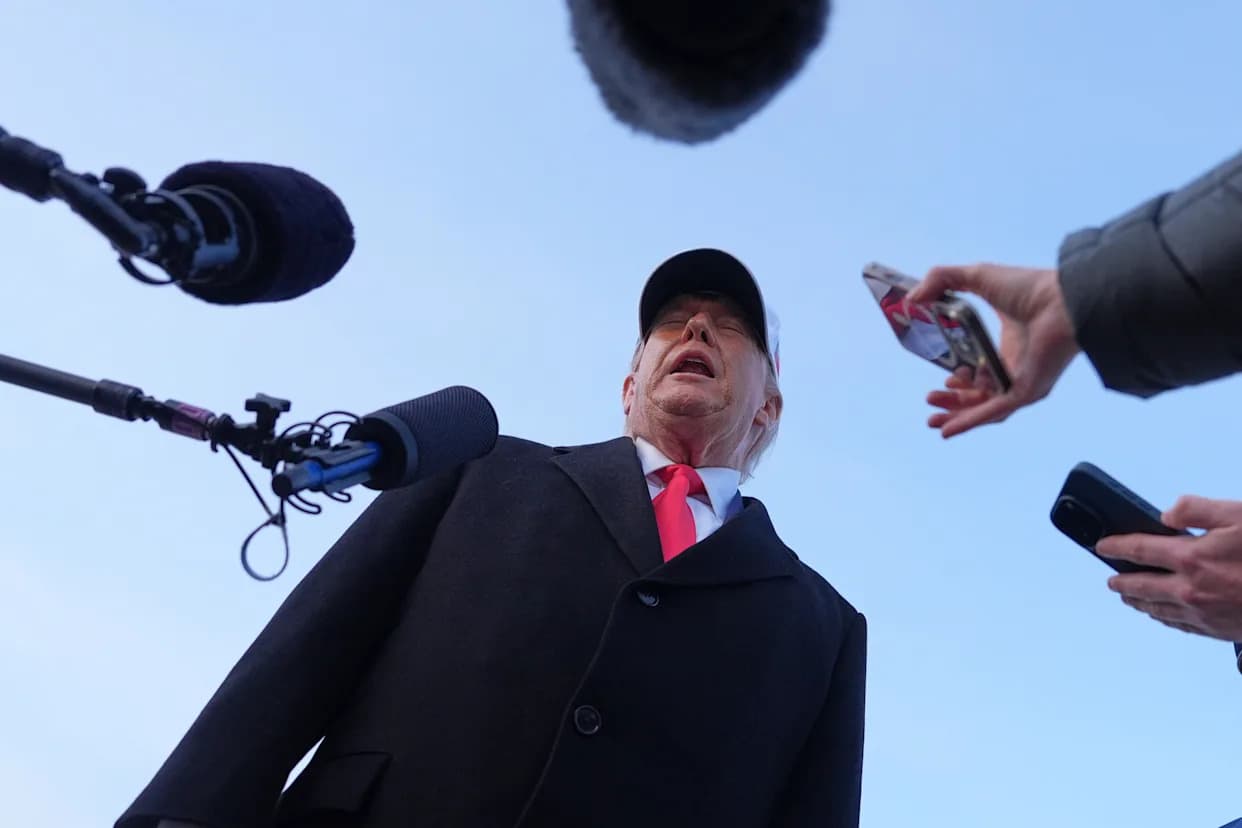
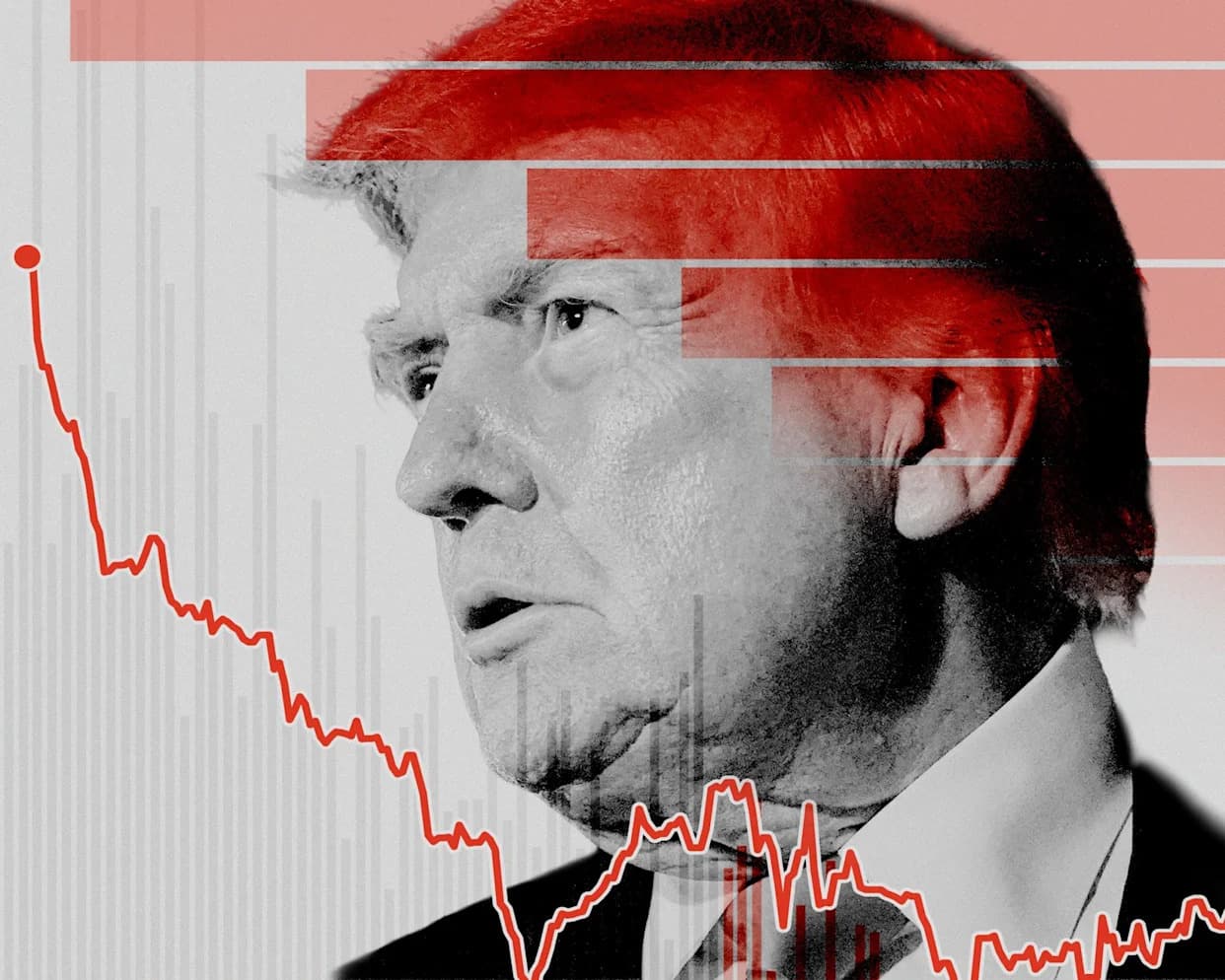
U.S. President Donald Trump speaks at Rocky Mount Event Center in Rocky Mount, North Carolina, U.S., December 19, 2025. REUTERS/Jessica Koscielniak
President Donald Trump returned to the White House in January and launched an aggressive, wide-ranging policy offensive that consolidated executive authority and reshaped aspects of U.S. domestic and foreign policy. Those moves produced concrete wins for his agenda, but they have also generated political costs: as the New Year begins and midterm elections approach, historians and analysts say partisan unity behind Trump is showing signs of strain.
Policy Push And Executive Power
Over his first year back in office, the administration moved quickly to shrink the federal civilian workforce, dismantle and close some government agencies, cut humanitarian aid to foreign partners, and order large-scale immigration raids and deportations. The White House also deployed National Guard troops to some Democratic-run cities, initiated broad tariff actions that sparked trade disputes, and pushed through major tax-and-spending cuts.
Trump relied heavily on executive orders and emergency declarations to shift decision-making from Congress to the White House. The conservative majority on the U.S. Supreme Court has largely sided with his administration, and a Republican-controlled Congress generally did not block his agenda. With a cabinet populated by close loyalists, analysts say he has consolidated executive control at an unusually rapid pace.
"Donald Trump has wielded power with fewer restraints in the last 11 months than any president since Franklin D. Roosevelt," said presidential historian Timothy Naftali.
Political Headwinds And Public Reaction
Public sentiment has shifted. A recent Reuters/Ipsos poll put Trump's approval rating at 39%, near the lowest of his current term, as Republican voters signaled dissatisfaction with his handling of economic issues. Voter unease centers on the high cost of living, aggressive immigration enforcement, and concerns that presidential authority has been pushed beyond traditional bounds.
Those trends have prompted some Republican lawmakers to distance themselves from the administration to protect their own seats. Party strategists worry that continued erosion in voter support could cost Republicans control of one or both chambers of Congress in November — a result that would limit Trump's domestic agenda and could open the door to a new impeachment effort if Democrats win the House.
Looking Ahead
The White House says lowering inflation remains a top priority. White House spokesman Kush Desai blamed inflation on policies under President Joe Biden and said "much work remains." Trump has embarked on a public push to promote his economic plans and is expected to deliver additional speeches aimed at convincing voters he can bring down prices.
But political risks persist. Critics point to legal actions against political opponents, restrictions on some vaccines, and public attacks on universities, law firms and media organizations as exacerbating partisan tensions. Supporters counter that the administration has achieved significant policy goals and strengthened executive capacity. As midterms approach, the balance between consolidated power and fragile political support will shape both governance and the 2026 political landscape.
Help us improve.