Redistricting remains a national battleground and is unlikely to be resolved by the 2026 midterms. Democrats in Washington, Colorado, New York and New Jersey are exploring constitutional routes to allow mid‑decade redraws, while Utah Republicans are pursuing a ballot measure to permit partisan maps. A pending Supreme Court case on racial gerrymandering and active litigation in a dozen states could further delay or reshape congressional maps through 2028.
Redistricting Battle Likely To Outlast 2026 Midterms — States Preparing New Maps Through 2028
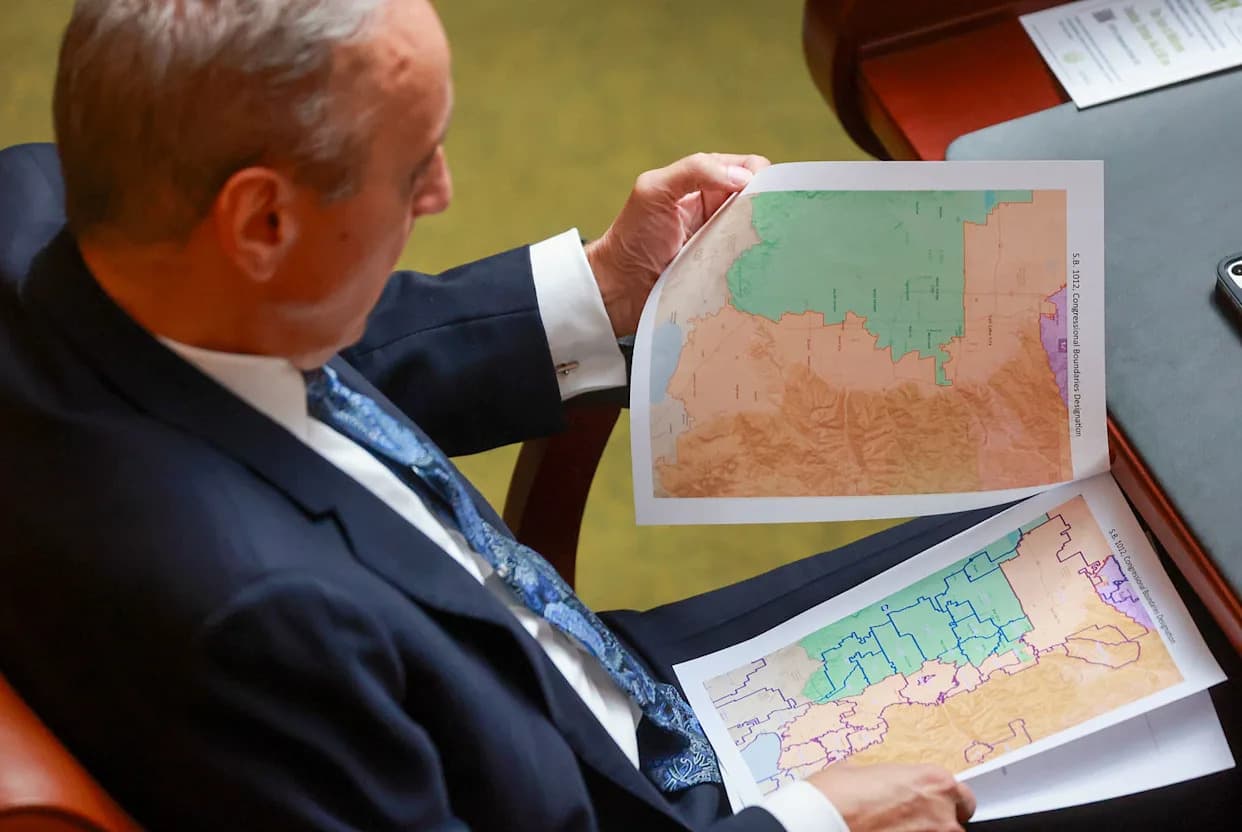
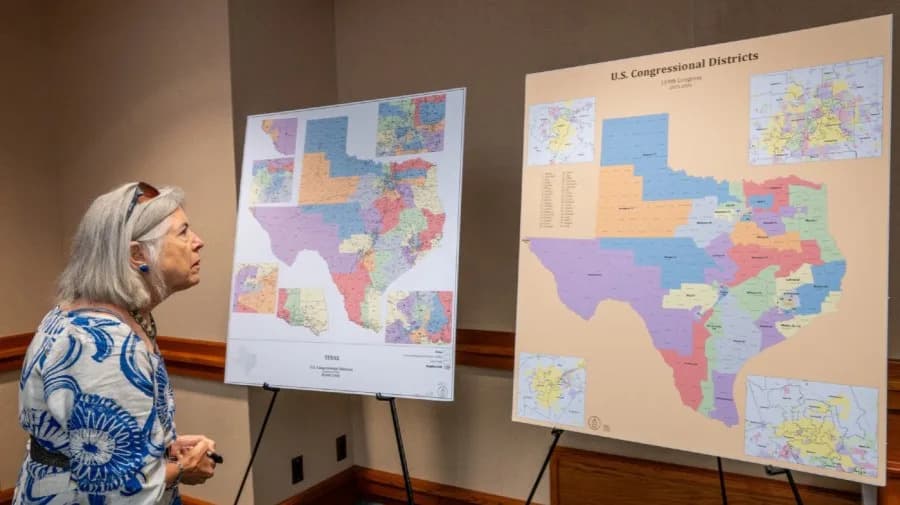
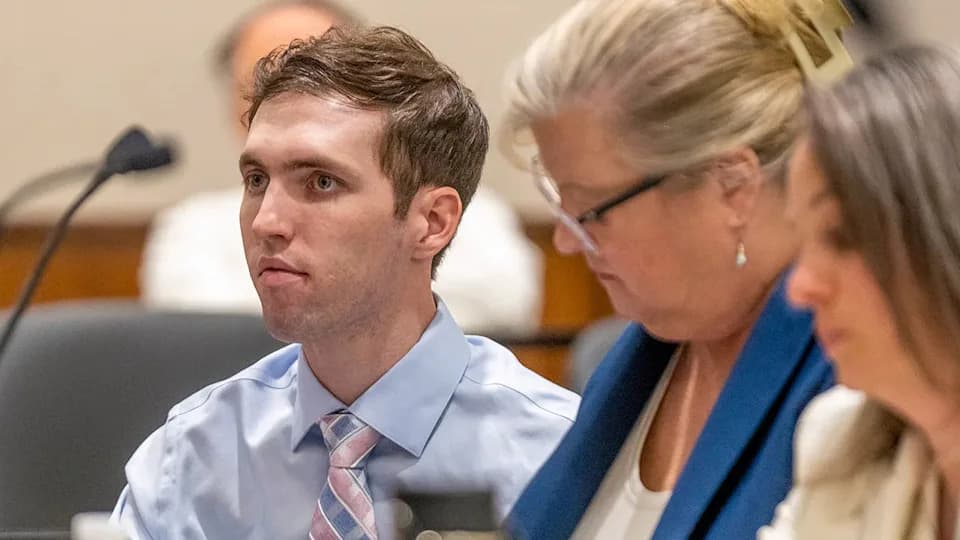
Utah Rep. Cory Maloy reviews a packet of proposed congressional maps at the state Capitol in Salt Lake City in October. (Kristin Murphy / The Deseret News via AP)
Several states moved quickly in recent months to redraw congressional maps as both parties seek an edge in the fight for control of the U.S. House. But mounting evidence suggests this unusually active mid‑decade redistricting battle will not be settled by the 2026 midterms and may reshape races through 2028.
Why the fight is continuing
Lawmakers from both parties are already laying groundwork for additional map changes ahead of the 2028 election in response to GOP‑led mid‑cycle redraws enacted last year. At the same time, a pending U.S. Supreme Court case challenging Louisiana’s congressional map could loosen restrictions on racial gerrymandering — a decision that, if delayed, may not affect maps until after 2026.
State-level moves and barriers
Democratic officials in Washington, Colorado, New York and New Jersey have signaled openness to constitutional changes that would permit mid‑cycle congressional redistricting. Those efforts are multistep, politically difficult and generally require supermajority legislative approval or repeated votes before going to a public ballot.
In Washington, Democrats proposed a constitutional amendment to allow mid‑decade redistricting if other states redraw congressional lines. But they currently lack the two‑thirds supermajority needed in either chamber to advance an amendment.
New York lawmakers introduced a similar measure that would permit a mid‑decade redraw if other states act, but the state’s existing ban on partisan gerrymandering would remain in force — a constraint that has frustrated past Democratic map plans.
New Jersey leaders have indicated willingness to consider constitutional change; the state’s rules require three‑fifths support in both chambers or consecutive majority votes to put an amendment on the ballot. Colorado Democrats, including prominent figures running for governor, have publicly supported a one‑time constitutional change to redraw congressional districts, but lack the necessary legislative supermajority.
Republican responses and legal setbacks
Utah Republicans are pursuing two tracks after a court rejected a GOP‑drawn map in favor of one likely to give Democrats an additional seat. They are appealing the ruling while also pushing a ballot measure to repeal constitutional limits on partisan gerrymandering — a move that, if approved, could let the GOP legislature adopt a new map in a later cycle.
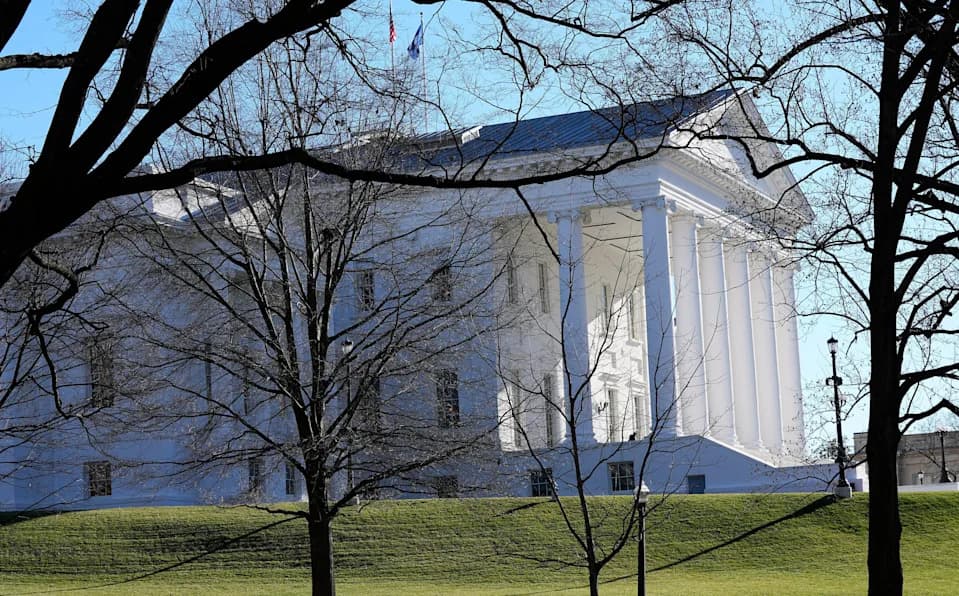
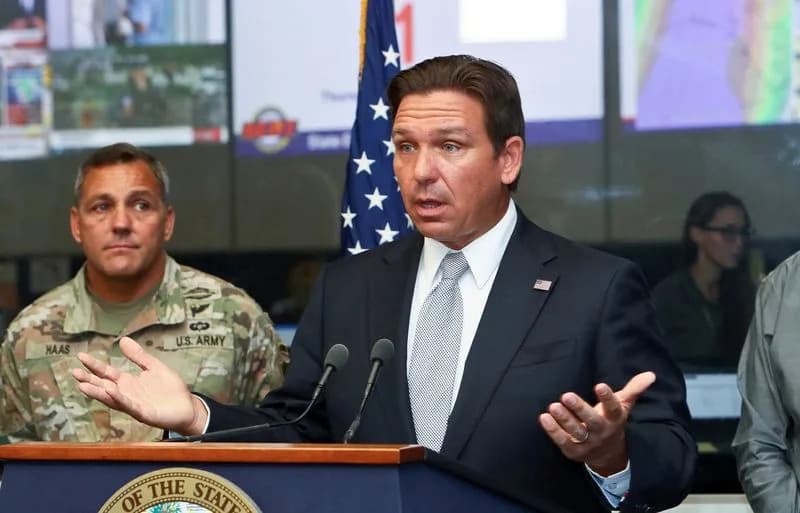
Other GOP‑led states that enacted new maps last year — including Missouri, North Carolina, Ohio and Texas — sought to expand Republican advantages, while Democrats in California redrew lines to strengthen theirs. At least two more states are moving on redistricting this year: Virginia is expected to finalize a constitutional amendment for voters, and Florida’s governor has called a special legislative session on the issue.
The role of the courts and litigation
A near‑term Supreme Court decision in the Louisiana case could change the rules on racial gerrymandering and the Voting Rights Act, potentially allowing Southern Republicans to target majority‑minority districts currently represented by Democrats. But any delay in the Court’s ruling increases the likelihood that significant effects would arrive after the 2026 elections.
Legal battles are widespread: the Brennan Center for Justice reported ongoing congressional redistricting litigation at the end of 2025 in a dozen states, including Alabama, Arkansas, California, Florida, Georgia, Louisiana, Missouri, North Carolina, New York, Texas, Utah and Wisconsin. Continued litigation creates uncertainty and more opportunities for courts to shape what map changes are permissible.
“More litigation creates more uncertainty, and really more opportunities for the court to say, what exactly does our democracy allow for, and what does it not?” — Abha Khanna, lead redistricting lawyer at the Elias Law Group
As both parties prepare for potential further map changes, many state leaders describe their efforts as defensive responses to perceived partisan overreach by the other side. Whether through constitutional amendments, ballot measures or litigation, the redistricting fight appears poised to extend well beyond the 2026 midterms.
Source: This article is adapted from reporting originally published on NBCNews.com.
Help us improve.