The article argues that control of Congress in 2026 may be decided less by campaign messaging and more by who controls redistricting and court outcomes. Mid-decade map changes, high-profile state battles (notably Texas, California, Utah and North Carolina) and Supreme Court rulings on Voting Rights Act protections are pivotal. Timing, the Purcell principle and prediction markets all suggest contested maps could shape whether Republicans keep the House or Democrats take it — with major implications for oversight, policy volatility and the prospects of a third Trump impeachment.
Map Wars Could Tip the Balance — and Pave a Path to Trump’s Third Impeachment
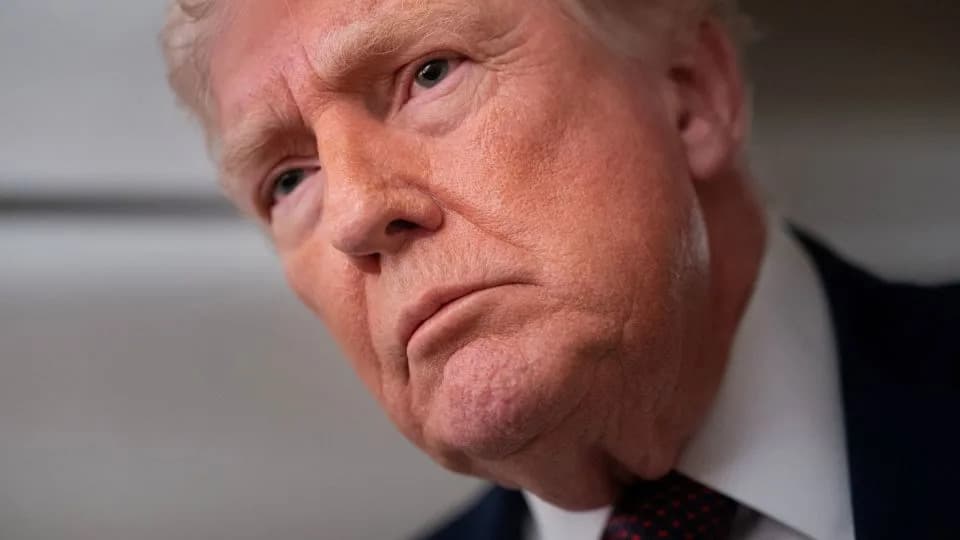
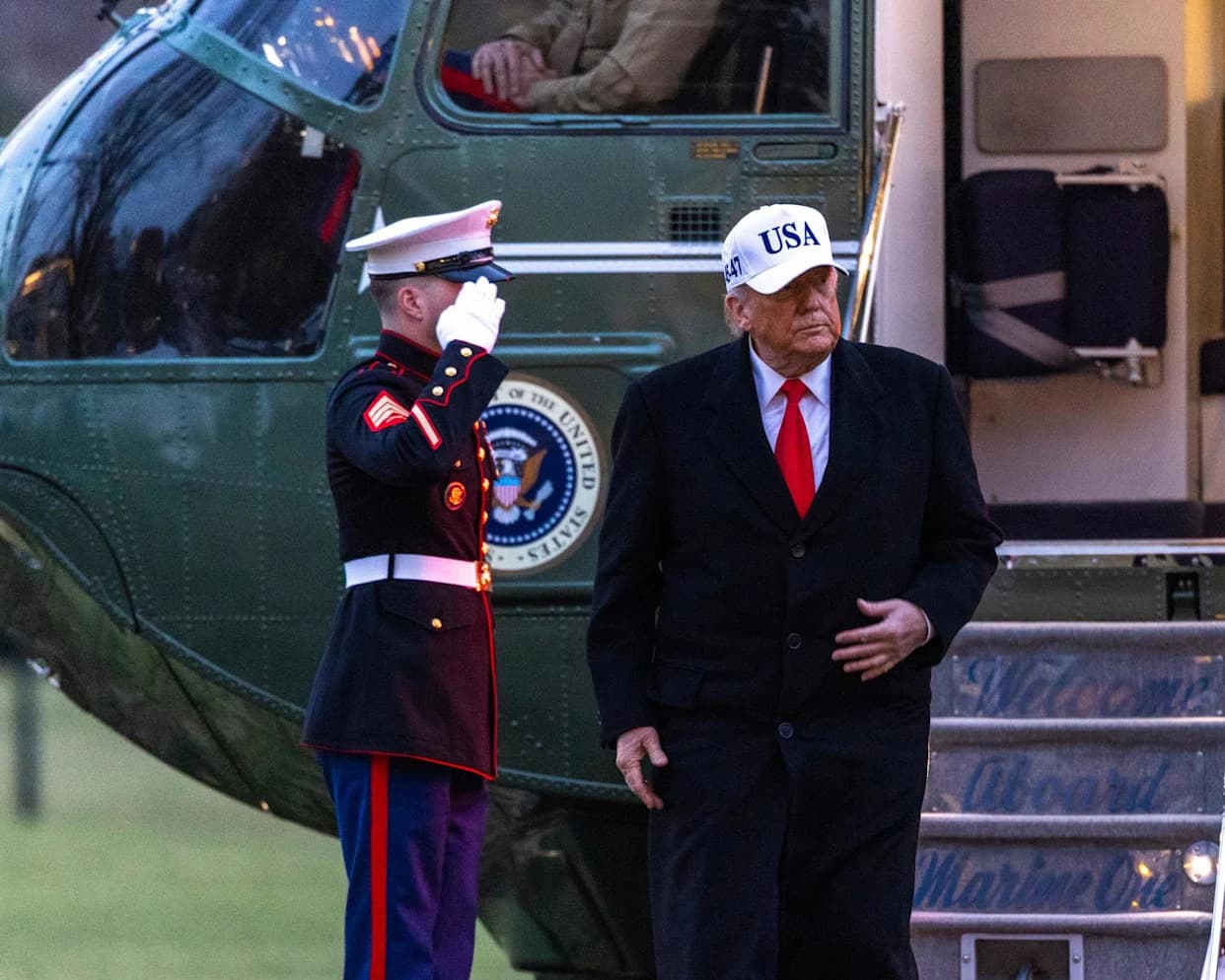
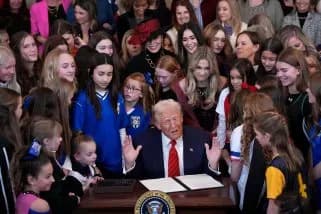
On Jan. 6, President Trump spent 84 minutes speaking to House Republicans at the Kennedy Center. Beneath the jokes and grievance-filled rhetoric, he delivered a blunt strategic warning: with a razor-thin House majority and midterm elections ahead, Republican control is essential to advancing his agenda — and losing the House would sharpen the prospect of impeachment.
Why Maps Matter
The decisive contests for the 2026 midterms are increasingly fought not only on debate stages or through advertising, but in state capitols and courtrooms, where rules and district lines determine which races are genuinely competitive. While congressional maps have traditionally been redrawn once a decade after the census, the scale and coordination of mid-decade redistricting have intensified. With narrow margins in the House and a president keenly aware of political history, Republicans have incentives to lock in advantages before voters weigh in; Democrats are mounting countermoves where they can.
The Legal Battlefield
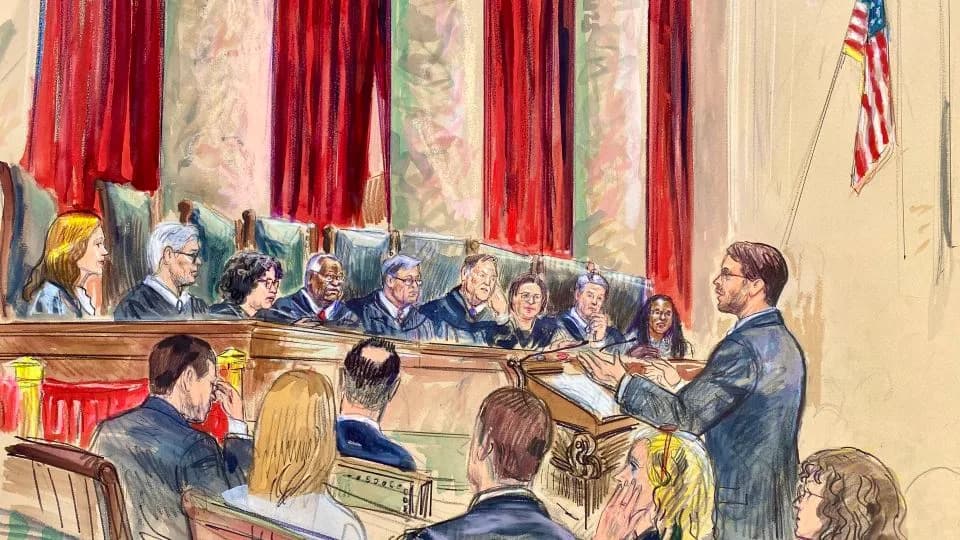
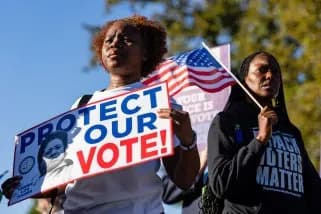
The Supreme Court is hearing cases that could alter protections under the Voting Rights Act for Black and Latino voters. Any decision that weakens minority-voter protections would ripple across dozens of districts and could affect which party controls the House. The Purcell principle, which counsels courts to avoid changing election rules close to an election, often means that even maps later judged unlawful can remain in place long enough to be decisive.
High-Profile State Battles
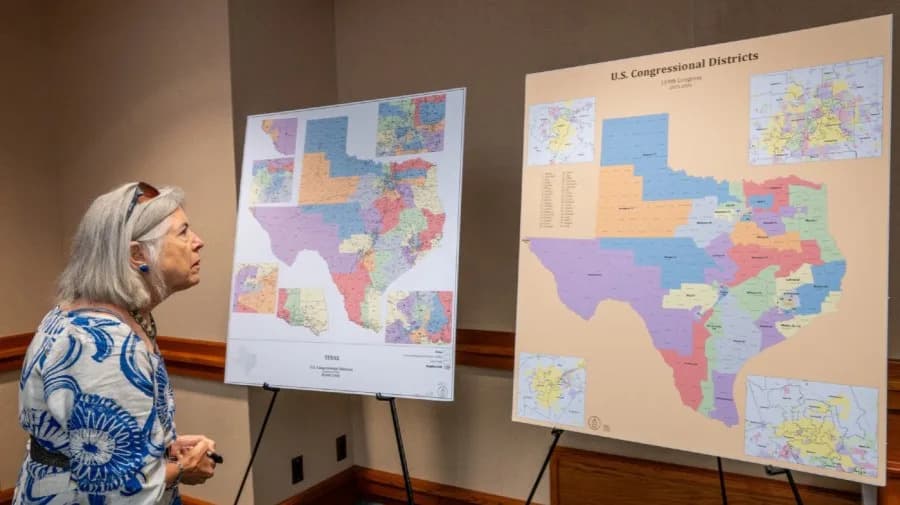
Texas has emerged as a flagship test case: Republicans advanced an aggressive map intended to produce additional GOP-friendly seats, and the Supreme Court has allowed the map to stand for now. California responded by permitting a legislature-drawn map to be used for up to three election cycles. In Utah, a state judge adopted an alternative congressional map that would create a Democratic-leaning district around Salt Lake County; Republicans have appealed. Federal courts in North Carolina have largely treated partisan gerrymandering as nonjusticiable, enabling a new Republican-drawn map to take effect. These fights underscore how redistricting disputes are testing institutional guardrails across states.
Timing, Markets, and Political Consequences
Timing often determines outcomes. Legislatures frequently act late; courts are wary of intervening close to elections; and contested maps can survive because of procedural caution. When competition shifts from persuasion to boundary-drawing, public trust in elections erodes and the risk of post-election legitimacy crises rises.
For Congress, narrow margins combined with procedural warfare mean more brinkmanship, episodic shutdowns and policy whiplash — developments markets notice because rule volatility translates into macro volatility. Prediction markets currently price a modal outcome of a Democratic House and a Republican Senate. If Democrats win the House, expect intensified oversight, subpoenas and greater reliance on executive authority and courts; policy will likely be incremental and volatile in areas like health-care payments, energy permitting, antitrust and defense. A Democratic sweep of both chambers would enable expanded social spending and industrial policy but would require favorable maps and turnout. Unified Republican control would accelerate deregulation and stricter immigration enforcement, and could raise trade and geopolitical risk premiums if policymaking turns more unilateral.
What To Watch
The maps being drawn now will shape who negotiates the next budget, how credible U.S. international commitments appear, and whether President Trump approaches his final years with leverage or paralysis. The 2026 contest will be fought as much in statehouses and court dockets as at the ballot box: which maps survive, and when, could decide who holds power.
Andy Langenkamp is senior strategic analyst at ECR Research and ICC Consultants.
Copyright 2026 Nexstar Media, Inc. All rights reserved. This material may not be published, broadcast, rewritten, or redistributed.
Help us improve.