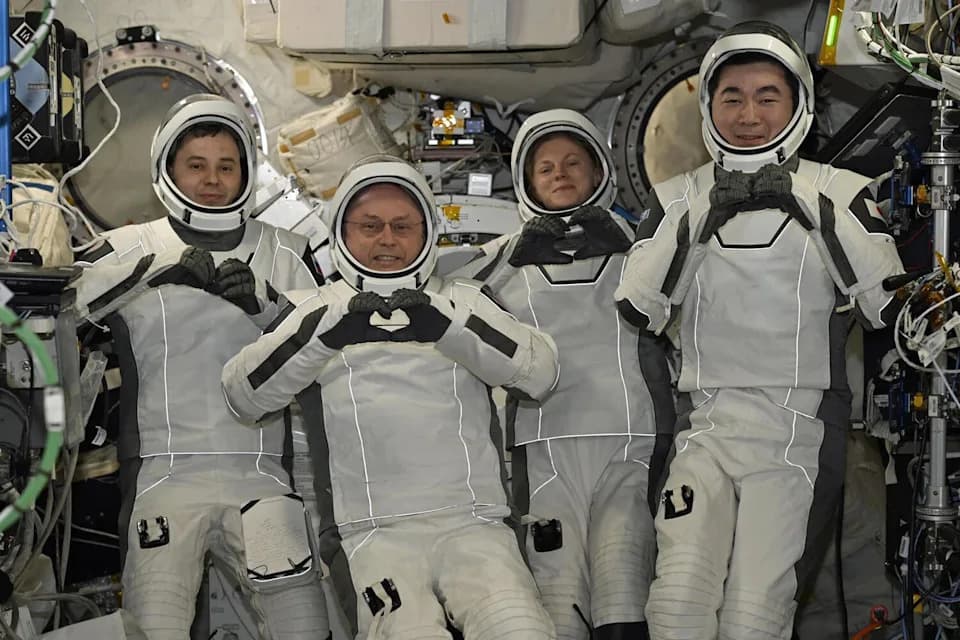
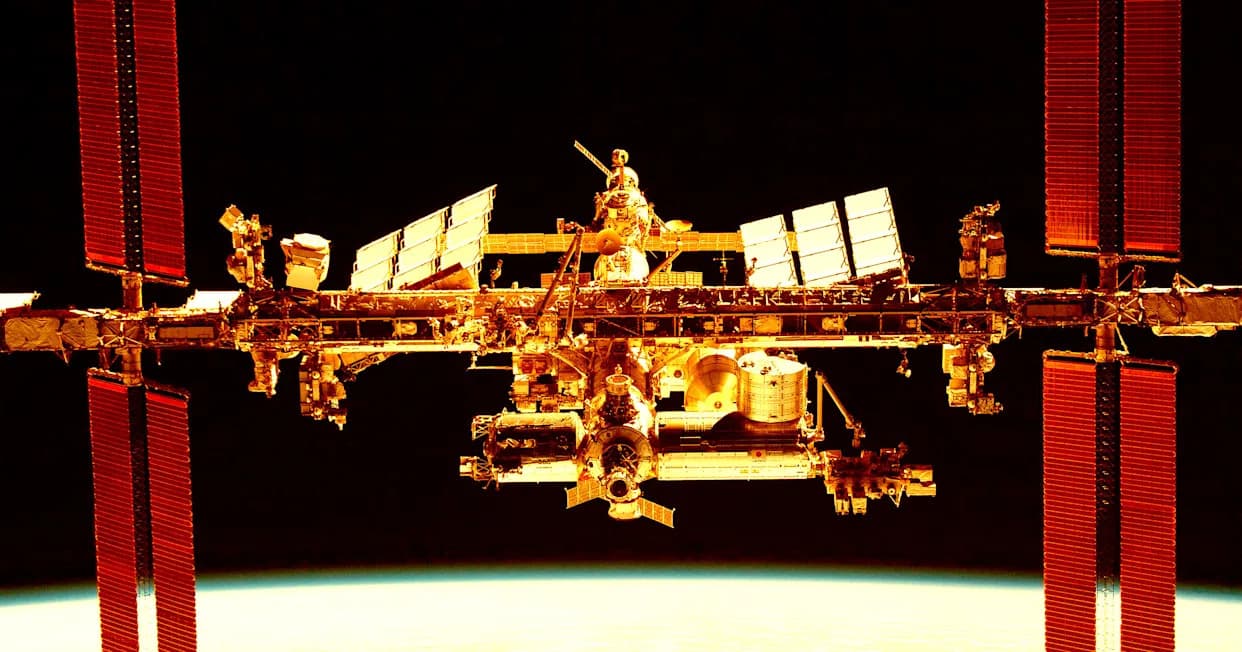
The Proceedings of the National Academy of Sciences published a study showing astronauts' brains tilt upward and shift up-and-back after time in orbit, particularly after longer missions. Researchers compared MRI scans from 26 astronauts (missions ranging from weeks to a year) and found changes concentrated in sensory regions tied to balance and motion sickness. A 24-person head-down bed-rest group showed similar but smaller effects. No major, persistent cognitive problems were detected, but more research is needed on long-term, sex- and age-related impacts.
Study: Astronauts' Brains Tilt and Shift After Spaceflight — Implications for Long Missions
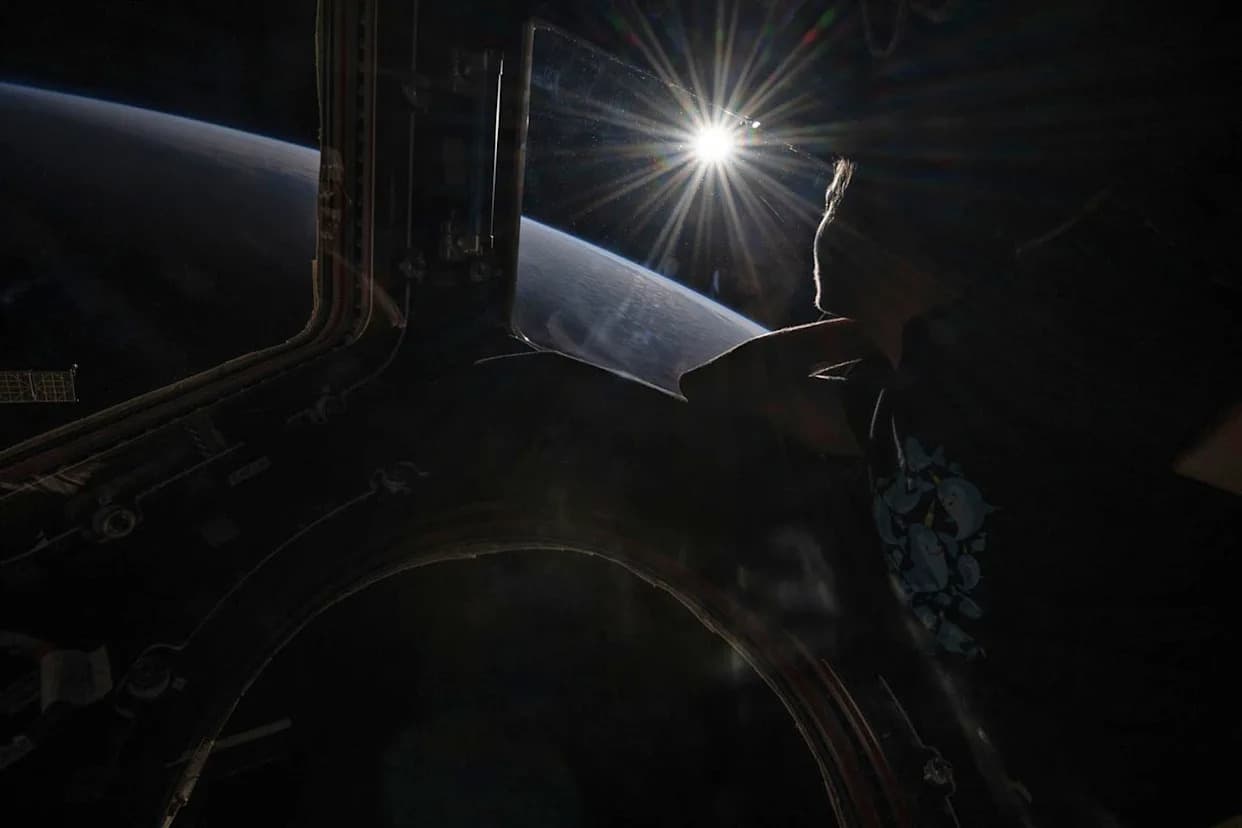
An astronaut looks out the window of the cupola on the International Space Station. (NASA)
A new study published in the Proceedings of the National Academy of Sciences reports that astronauts' brains can change shape and move position after time in orbit — a finding with implications for NASA's plans for longer missions to the Moon and Mars.
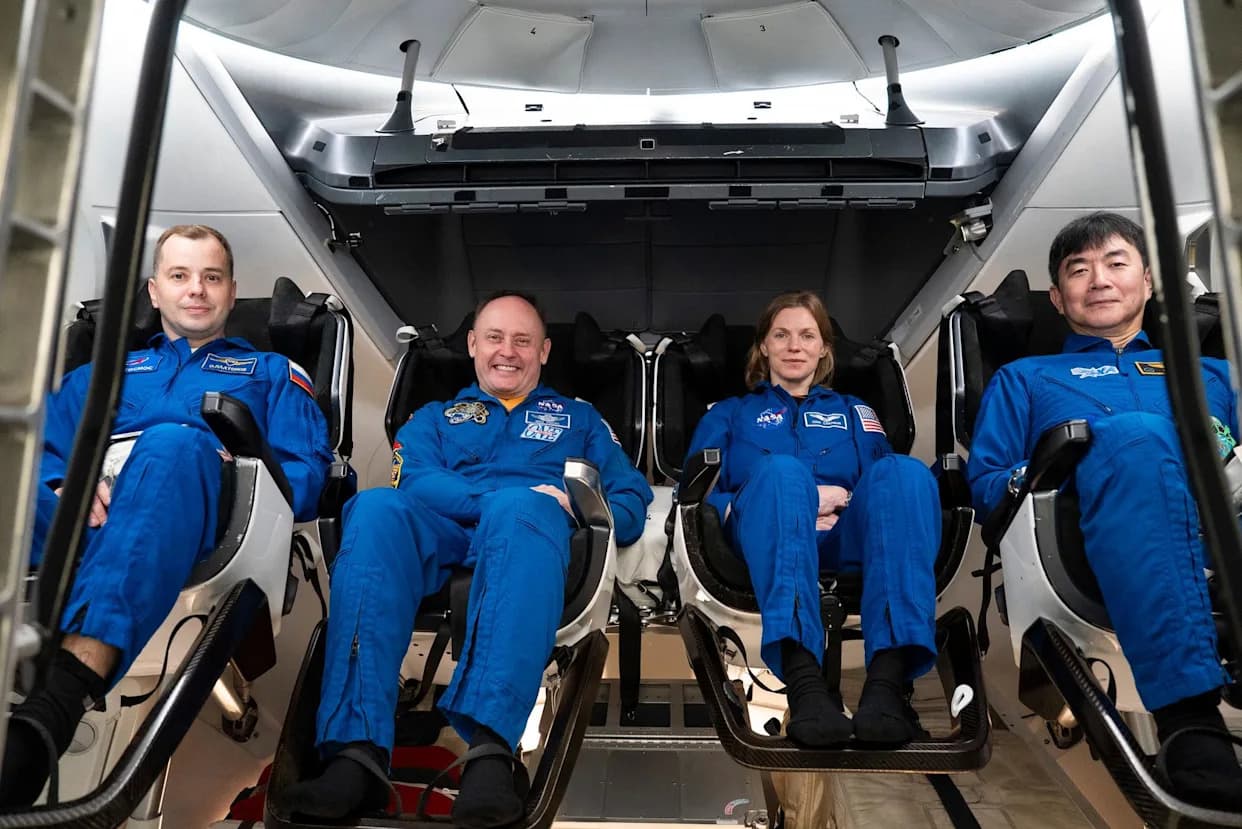
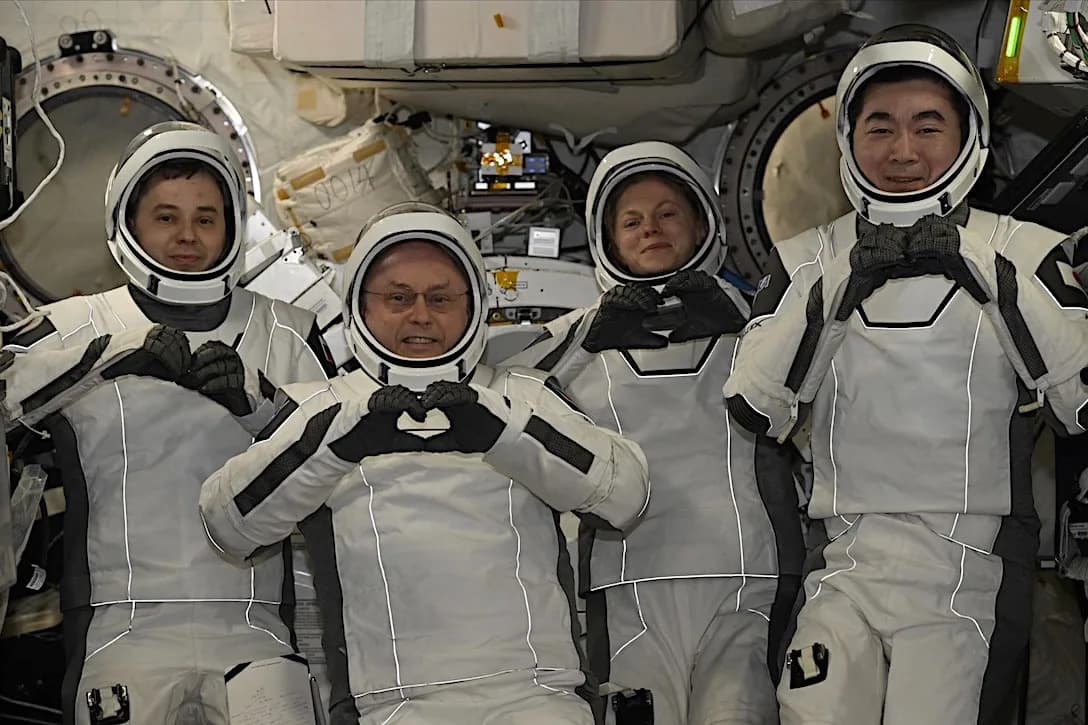
Researchers analyzed MRI scans from 26 astronauts taken before and after flight. Their time in space ranged from short shuttle missions to the typical ~6-month stays aboard the International Space Station, and a subset of crew members spent about a year in orbit.
What the Study Found
The team found that, after spaceflight, astronauts' brains were tilted upward and displaced slightly up-and-back inside the skull compared with their preflight scans. The upward shifts were largest for those who stayed in space the longest — especially yearlong crewmembers — and amounted to "on the order of a couple of millimeters," a change the authors say is visible to the eye.
Affected Regions and Symptoms
Many of the affected areas are sensory-related regions linked to balance, motion perception and vestibular function. During flight, these alterations sometimes produced "sensory conflicts" that manifested as temporary disorientation or motion sickness. On return to Earth, they may contribute to balance difficulties while astronauts readapt to gravity.
"We need to understand these changes and their impacts to keep astronauts safe and healthy and protect their longevity," said Rachael Seidler, a co-author and professor of applied physiology and kinesiology at the University of Florida.
Ground Comparison
To model microgravity on Earth, the researchers also scanned 24 volunteers who participated in a head-down bed-rest protocol (heads tilted 6 degrees below the feet) for up to 60 days. That group showed similar changes in brain shape and position, though the shifts in actual astronauts were larger.
Clinical Impact and Unknowns
The study did not find evidence of major, persistent symptoms such as chronic headaches or measurable cognitive decline in the cohort studied. However, sample size is limited by the relatively small number of astronauts and the historically male-dominated astronaut corps, so questions remain about long-term effects, sex differences and age-related vulnerability.
Experts note many physiological changes from spaceflight — bone loss, muscle atrophy and fluid redistribution among them — appear to largely reverse once astronauts readapt to Earth's gravity. It is still unknown how recovery would behave in different gravity environments such as the Moon (one-sixth g) or Mars (one-third g), or whether repeated or very long exposures could produce lasting effects.
"These results are not a reason to avoid long-duration human spaceflight," said Dr. Mark Rosenberg, who was not involved in the study. "But they highlight unanswered questions we must address as humans go farther into space."
Further research with larger, more diverse cohorts and longer follow-up will be needed to determine whether the observed brain shifts carry any lasting risk and how countermeasures might reduce potential harms for future deep-space missions.
Originally reported on NBCNews.com; study published in Proceedings of the National Academy of Sciences.
Help us improve.