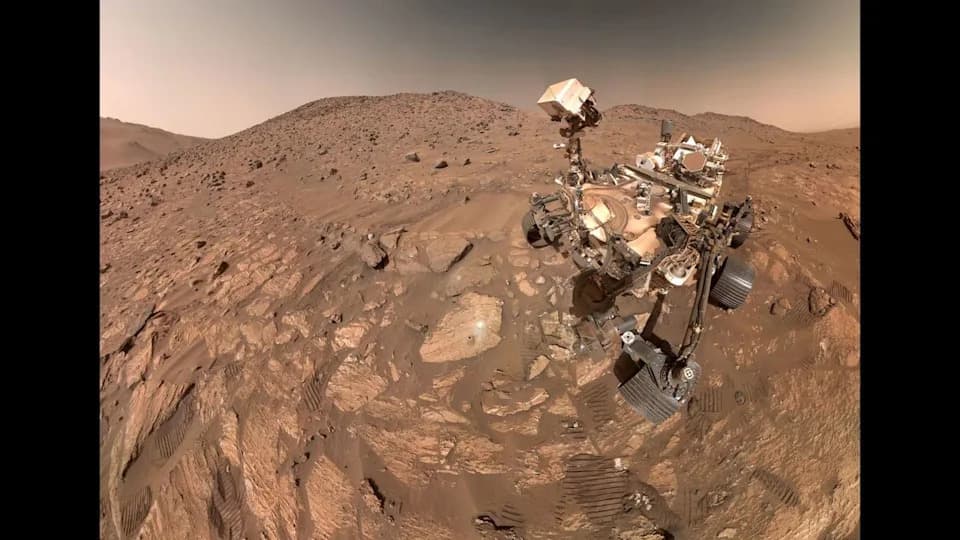
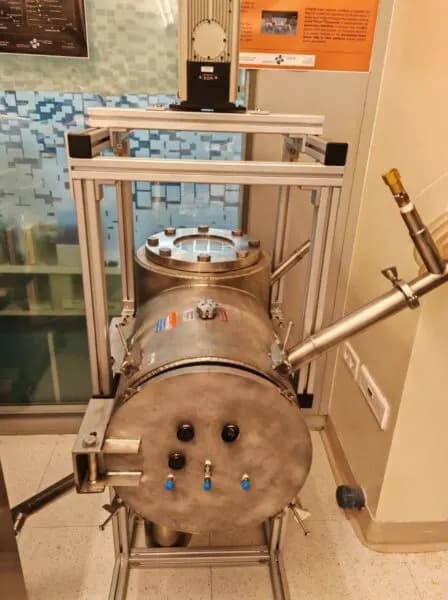
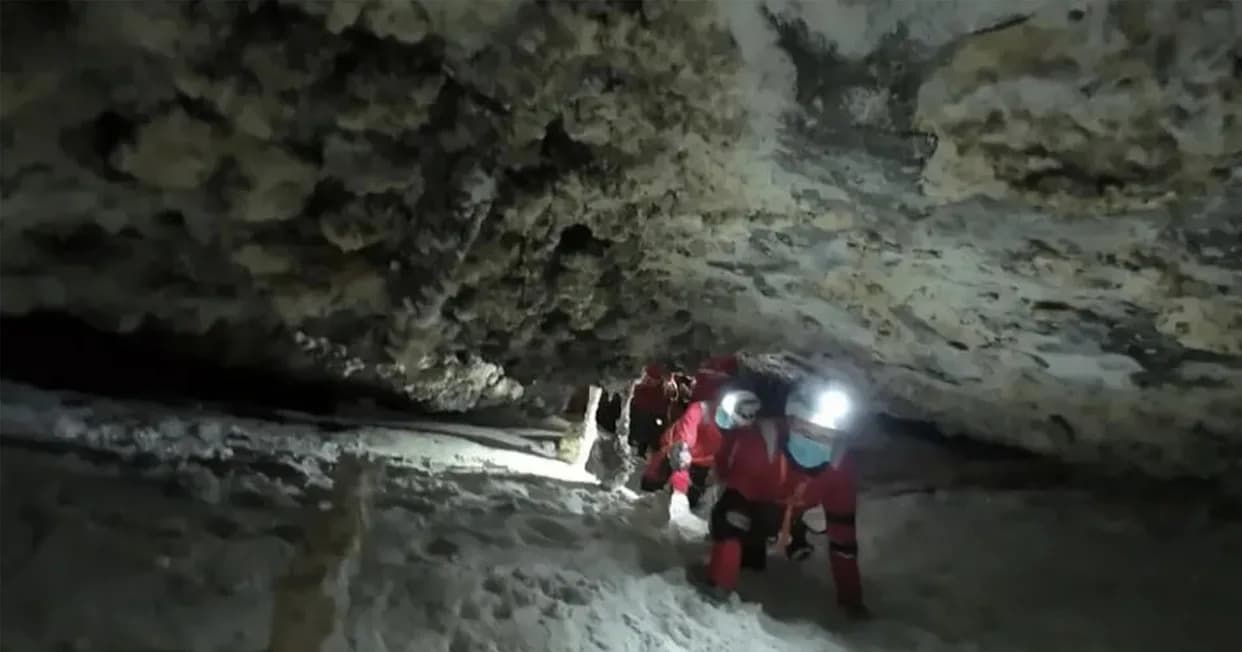
Analog missions recreate key elements of Moon and Mars exploration on Earth by using extreme terrains and purpose-built habitats to test equipment, procedures and crew behavior. Facilities such as Hi-SEAS (Mauna Loa), the Mars Desert Research Station (Utah) and Aquarius (undersea, Florida) let researchers study isolation, resource limits and spacesuit operations. Participants follow strict schedules, perform EVAs in mock suits, ration water and food, and complete cognitive and team tests to help improve mission design and crew training.
Backyard Space Exploration: How NASA and Scientists Recreate Moon and Mars Missions on Earth
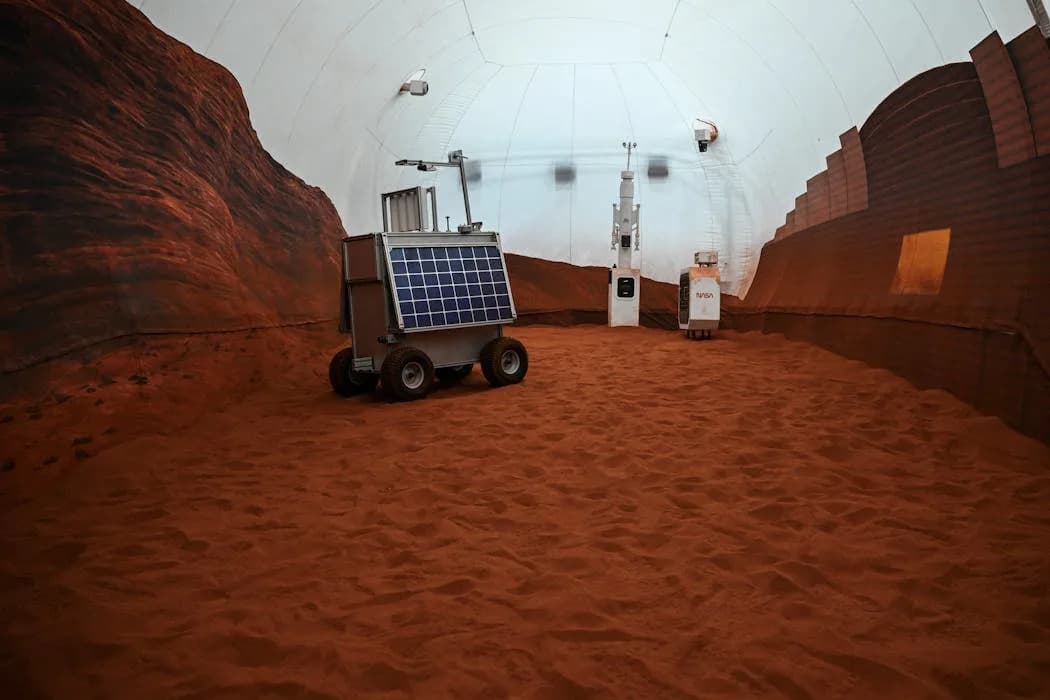
Analog missions, like those conducted at NASA's CHAPEA facility at the Johnson Space Center, help scientists study human spaceflight without leaving Earth.Ronaldo Schemidt/AFP via Getty Images
Humanity's push to explore the solar system doesn't always start with a rocket. Before astronauts step onto another world, scientists and engineers conduct detailed experiments on Earth in realistic, limited-resource settings called analogs. These simulations replicate elements of lunar or Martian missions—testing equipment, procedures and human behavior so problems can be solved long before launch.
What Are Analogs and Why They Matter
Analogs are mission simulations conducted in terrestrial locations or purpose-built habitats that mimic the physical, logistical and psychological constraints of spaceflight. They range from undersea labs and Antarctic stations to volcanic fields and desert outposts. The goal is to reproduce key challenges—limited water, restricted communications, bulky protective gear and isolation—to learn how people, tools and procedures perform under realistic stress.
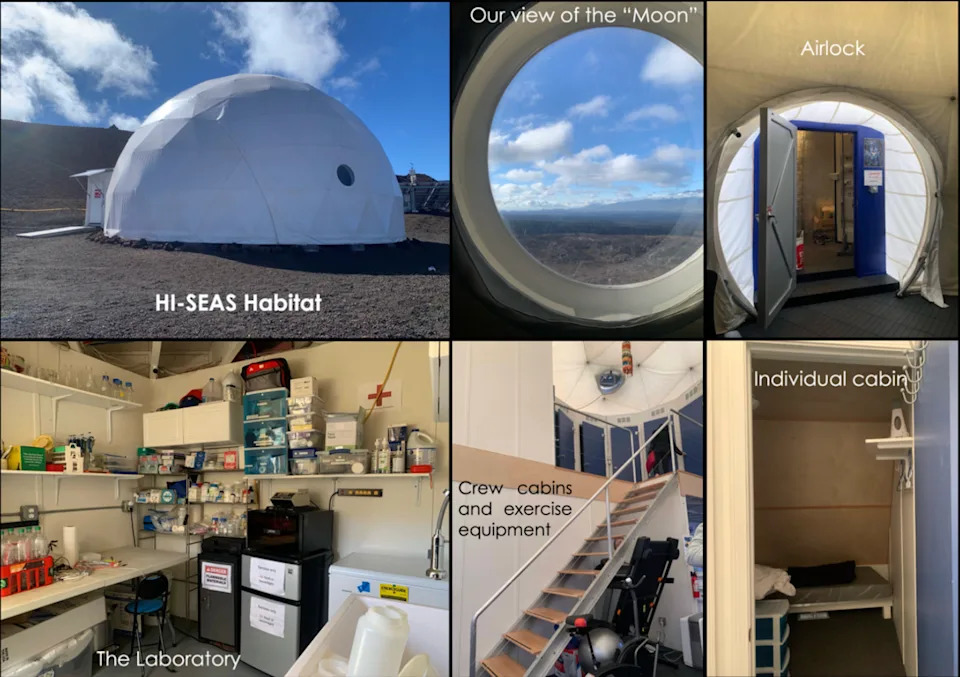
The HI-SEAS Habitat, which recreates the conditions of living and working on the Moon, is located in Mauna Loa, Hawaii. Jordan Bretzfelder
Common Analog Sites
NASA and research groups use a variety of analog environments around the world. Examples include the Mars Desert Research Station (Utah), the Aquarius undersea habitat (off Florida), Hi-SEAS on Mauna Loa (Hawaii), man-made craters in Nevada, Meteor Crater (Arizona) and research stations in Antarctica. Each site is chosen for geologic or operational similarities to the Moon or Mars.
Life Inside an Analog Habitat: A Personal Account
I participated as a volunteer analog astronaut and crew geologist during a 28-day Hi-SEAS simulation on Mauna Loa. We spent three days in orientation learning life-support systems, hydroponics, solar arrays and emergency procedures, then sealed the habitat for four weeks. Phones were surrendered to mission control; internet access was strictly limited to mission-approved tools.
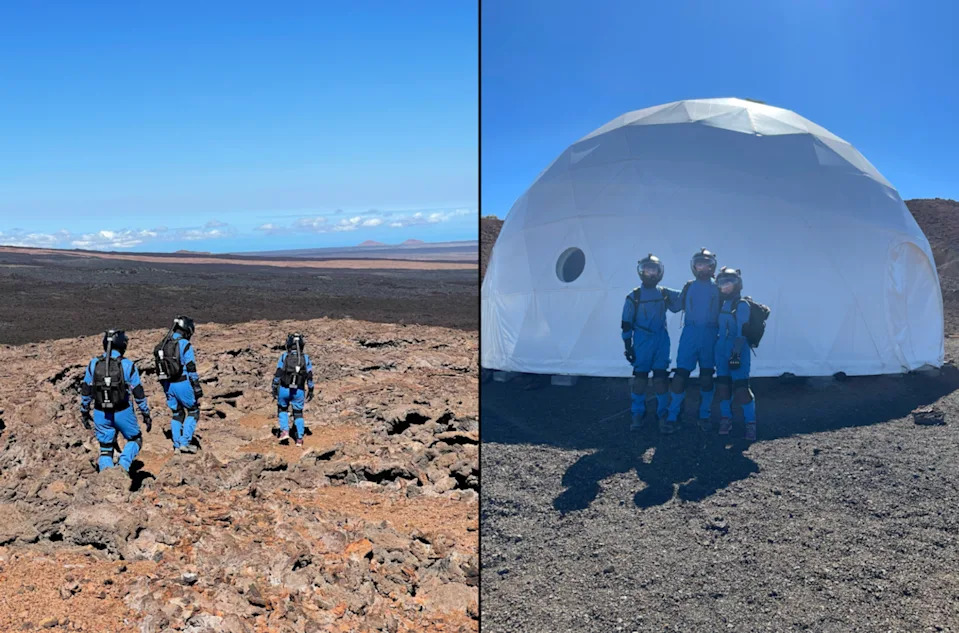
Special suits were required whenever researchers left the habitat. They consisted of flight suits, protective pads, thick motorcycle gloves and a modified helmet with an air pump unit attached, housed in a backpack. Ensuring the suits and air systems were functioning before and during these short expeditions was critical. Jordan Bretzfelder
Our daily schedule ran roughly from 6:30 a.m. to 10:00 p.m. and mixed science, maintenance and behavioral monitoring. Individual cognitive tests and team-based computer tasks (for example, collaborative 3D Tetris) were used to track performance as a proxy for stress and cohesion. On alternating days we conducted two- to three-hour extra-vehicular activities (EVAs) in mock spacesuits to collect geologic samples. On "off" days we completed two hours of exercise inside the habitat.
Resources were deliberately constrained: most food was freeze-dried or powdered, water was rationed, and laundry was limited to a single group session during the 28 days. These constraints forced creative problem solving—everything from hygiene strategies to adapting cooking methods—while also revealing realistic operational friction points.
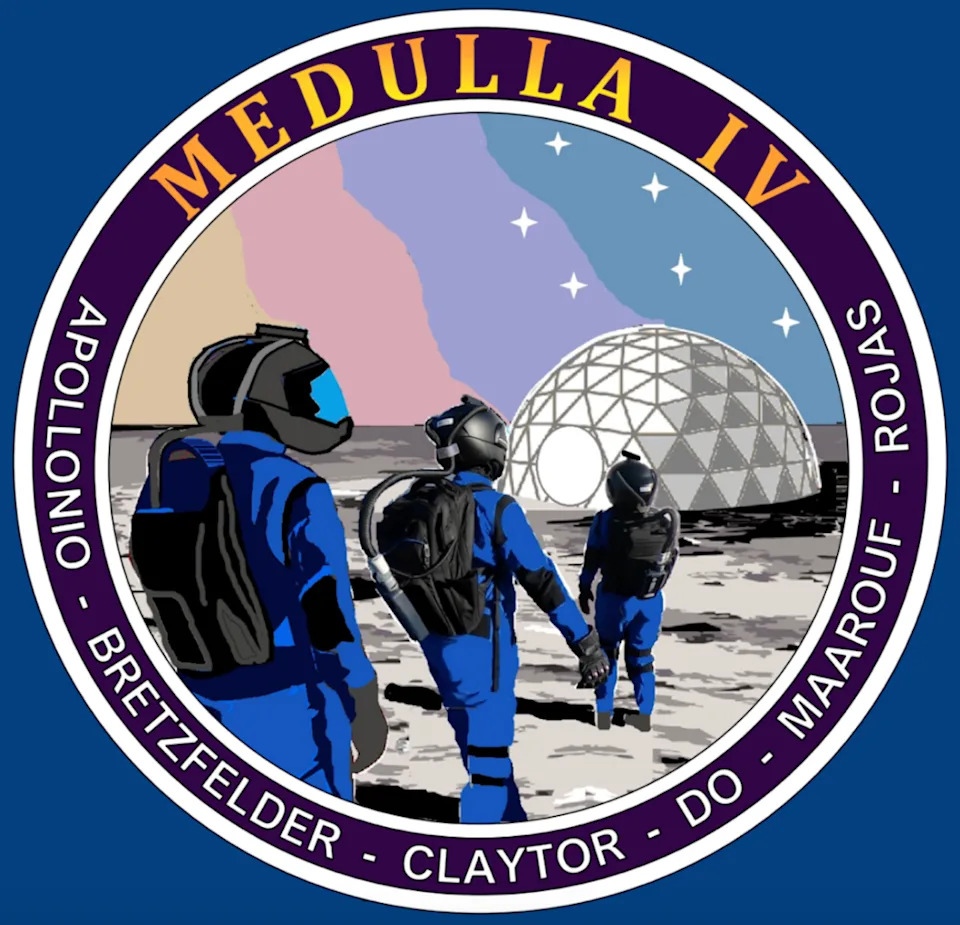
The mission patch from the lunar analog mission.
Selection, Safety and Scientific Goals
Analog crews are typically selected for relevant academic or technical backgrounds and must pass physical and psychiatric screening. Teams are chosen for complementary skills and interpersonal stability, and usually include at least one medically trained member plus scientists and engineers to manage habitat systems. Researchers use analogs to test human factors (stress, teamwork, habitability), validate instruments and refine procedures such as tool use in gloves, airlock operations and sample handling.
Practical Benefits
Analogs expose design flaws and human challenges early: a tool that works fine in a lab may be unusable in thick gloves; a routine task may take far longer when water and power are limited. By discovering such issues in advance, teams can redesign equipment, rewrite procedures and improve training—reducing risk for real missions.
Conclusion
Earth-based analogs are an affordable, high-value step in mission preparation. They train future crew members, validate technologies and provide essential behavioral and operational data. Small, everyday experiments—whether a cognitive test or an improvised cake baked from rationed ingredients—add up to large gains in readiness for human exploration of the Moon and Mars.
Author: Jordan Bretzfelder, Georgia Institute of Technology
Help us improve.