
Iran is confronting a wave of public defiance, economic collapse and environmental emergency. Small but visible acts of protest — from women running marathons without full headscarves to merchants rallying over the rial’s collapse — reflect broader public frustration. Supreme Leader Ayatollah Ali Khamenei, 86, has adopted a cautious stance after a brief June confrontation with Israel, even as electricity blackouts, record inflation and drought deepen social strain. Analysts warn his eventual departure would be a pivotal moment for Iran’s future direction.
Khamenei’s Fallback Strategy: Iran Faces Renewed Protests, Economic Collapse and Regional Strain

People walk past a display sign at a currency exchange bureau as the value of the Iranian rial drops, in Tehran, Iran, December 20, 2025. - Majid Asgaripour/Wana News Agency/Reuters
Hundreds of women gathered in early December on Kish, a resort island in Iran, to run a marathon in matching shirts and leggings, their hair loosely tied. In a country where violating dress rules can bring fines or imprisonment, many runners ignored the headscarves provided by organizers and focused on the race — a small, peaceful act of defiance that reflects wider social shifts.
Quiet Acts Of Defiance And Public Unrest
Across Iran, similar uncoordinated episodes of civil disobedience have surfaced: an October street performance in Tehran featuring the riff from "Seven Nation Army" went viral after being reshared by Jack White; this week, merchants and bazaar shopkeepers marched in multiple cities to protest unaffordable rents and skyrocketing prices after the rial plunged to historic lows. These demonstrations were among the largest public expressions of discontent since the nationwide 2022 uprising triggered by the death of 22-year-old Mahsa Amini in police custody.
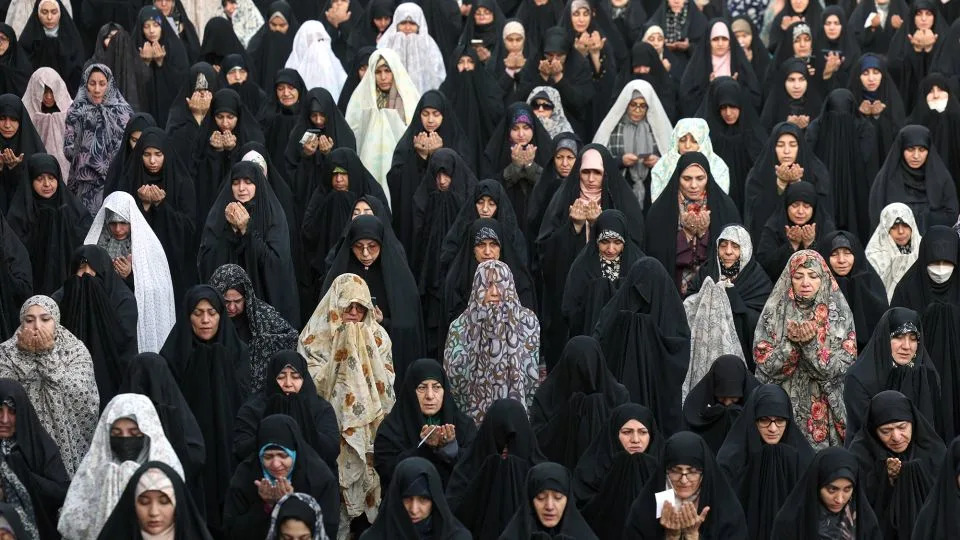
Iranian women perform a prayer for rainfall at the Saleh Shrine in Tehran on November 14, 2025, as the country suffers from severe water shortages. - AFP/Getty Images
Leadership On The Defensive
At the center of the state is 86-year-old Supreme Leader Ayatollah Ali Khamenei, who has spent decades consolidating authority across Iran's political and religious institutions. With mounting domestic pressures and external threats, analysts say Khamenei is increasingly cautious, avoiding sweeping decisions and major gambits.
“Many observers relay a sense of no one being at home; no one making any big decisions, or rather that Khamenei is not permitting any real decisions,” said Mohammad Ali Shabani, editor of Amwaj.media. “Right now, whatever decision Khamenei may make will likely feature a significant downside, so it seems as if he’s sitting out any major decision.”
Aftermath Of A Short But Intense Conflict
Reports say Khamenei was briefly out of contact and confined to a secure facility during a 12-day confrontation with Israel in June, a clash that exposed vulnerabilities in Tehran’s military posture. Observers describe a weakened conventional and proxy capability after repeated strikes and sustained regional pressure.
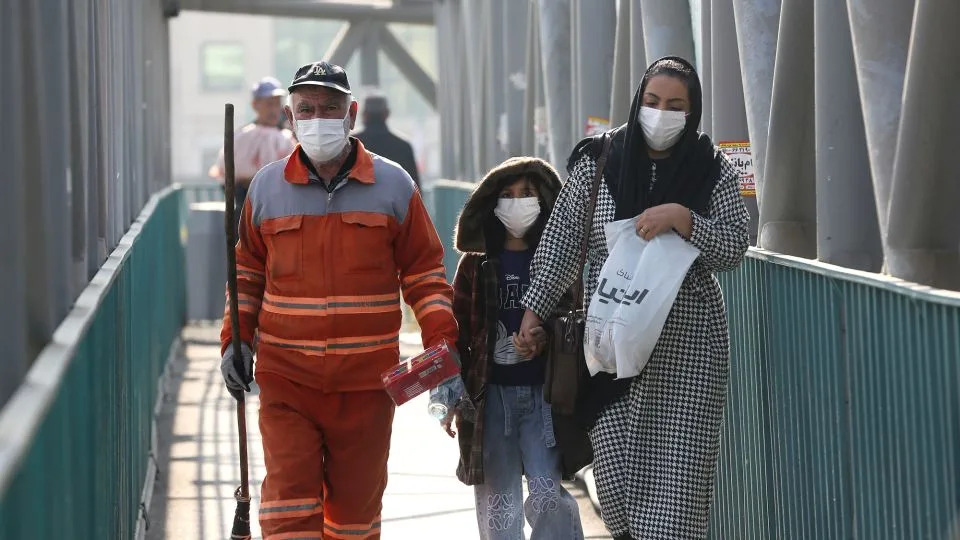
People wear masks on the street during daily life as air pollution continues to negatively impact life in Tehran, Iran on November 27, 2025. - Fatemeh Bahrami/Anadolu/Getty Images
Economic, Environmental And Social Strain
Inside Iran, ordinary citizens contend with compounding crises: rolling electricity outages, record inflation, soaring unemployment and worsening air pollution after authorities switched to cheaper, lower-quality fuel to preserve winter power supplies. Officials reported a severe drought affecting some 20 provinces — described as the worst in decades — prompting even public discussion of dramatic measures, including proposals to ease pressure on Tehran’s dwindling water supplies.
Economically, years of heavy money printing have devalued the rial to historic lows, forcing the budget into figures expressed in quadrillions of rials and prompting shopkeeper protests as basic goods become unaffordable.
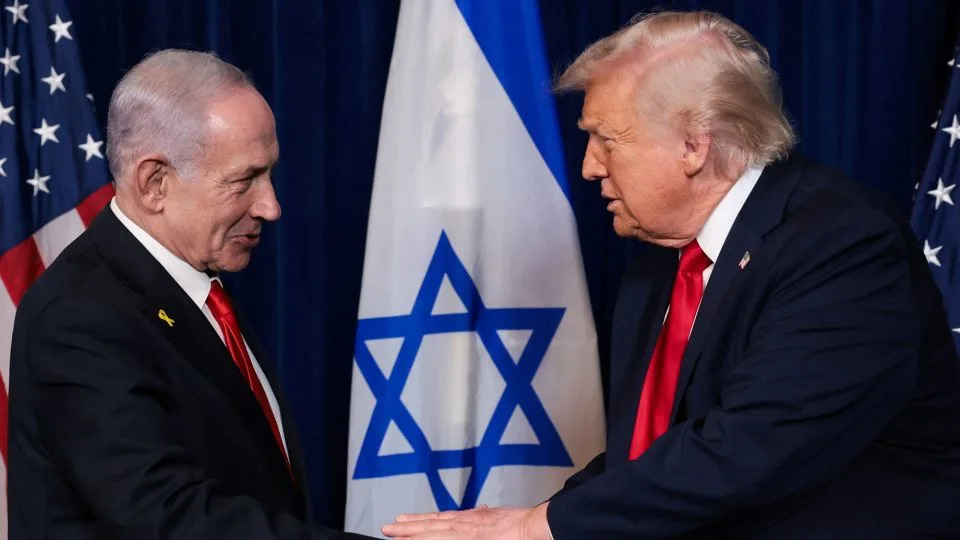
US President Donald Trump and Israeli Prime Minister Benjamin Netanyahu hold hands during a press conference Monday after meeting at Trump’s Mar-a-Lago club in Palm Beach, Florida. - Jonathan Ernst/Reuters
Regional Influence Under Pressure
Iran’s foreign policy and regional networks have also been strained. The Islamic Revolutionary Guard Corps’ proxy network — long a pillar of Tehran’s regional influence — has faced sustained pressure from Israeli strikes and shifting battlefield dynamics, eroding some of Iran’s territorial and operational advantages in neighboring theaters.
What Comes Next?
Longstanding commentators warn that Khamenei’s eventual departure — whether by death or political change — would be a watershed moment. Analysts identify potential successors, including Mojtaba Khamenei and Hassan Khomeini, but emphasize that the choice will be shaped primarily by internal power dynamics.
“Undoubtedly his departure from the scene would be the most pivotal moment in the history of the Islamic Republic … and there would be an opportunity in changing Iran’s geostrategic direction, but it depends on who and what comes after Khamenei,” said Ali Vaez of the International Crisis Group.
International Repercussions
Externally, Israeli leaders have continued to press the United States and other partners to take a harder line on Iran’s missile and military capabilities. Commentators argue that emphasizing ballistic-missile threats may be an effort to sustain international pressure amid changing perceptions about Iran’s nuclear ambitions. Public rhetoric in allied capitals has at times included stark warnings about potential military responses.
The cumulative picture is of a state under strain: civic acts of defiance, economic collapse, environmental emergency and regional pushback have combined to test a leadership that appears to be relying on familiar — and increasingly limited — tools: military displays, reconstruction of regional ties, and resistance to Western preconditions for negotiations.


