Summary: Recent polling indicates the Republican Party is moving away from its brief non‑interventionist phase as many GOP voters grow more open to military action abroad. A Marist College poll found majorities of Republicans supported military action in Venezuela (83%), Iran (75%), Mexico (74%) and Cuba (71%), with lower support for Greenland (57%). Other surveys (Washington Post, Reuters‑Ipsos, AP‑NORC, NPR‑Ipsos, Quinnipiac) show similar trends, though national opposition and specific GOP reservations on certain proposals remain significant.
GOP’s Non‑Interventionist Phase Appears Over as Republican Support for Military Action Rises

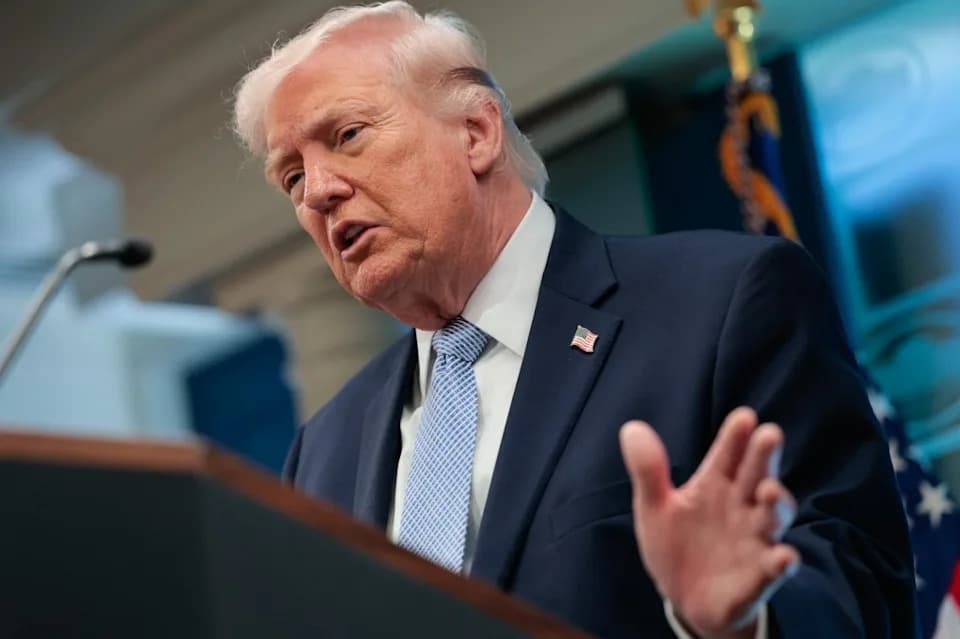
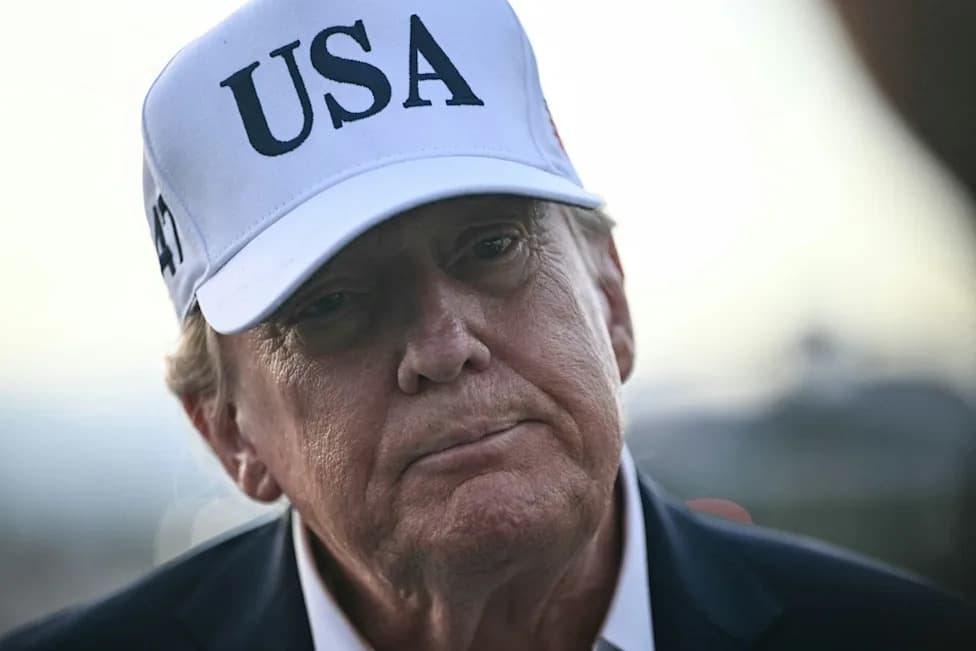
President Donald Trump departs Air Force One after arriving at Palm Beach International Airport on Friday. - Anna Moneymaker/Getty Images
President Donald Trump has left military options on the table after Iran’s deadly crackdown on protesters, and recent polling suggests his growing hawkishness is pulling much of the Republican Party with him. While some Americans remain wary of new military interventions, multiple surveys show a notable rise in Republican willingness to use force abroad.
Polling Highlights
A Marist College survey asked whether Americans supported "military action" in five places: Venezuela, Iran, Mexico, Cuba and Greenland. Majorities of Republican respondents backed military action in all five locations, with particularly strong support for Venezuela (83%), Iran (75%), Mexico (74%) and Cuba (71%). Greenland drew lower Republican support (57%), but still a majority.
Support outside the GOP is much lower: independents backed interventions at rates between roughly 23% and 35%, while Democratic support ranged from about 4% to 18% across those targets. That partisan gap suggests these views are closely tied to Republican attitudes and, in many cases, to President Trump’s rhetoric.
Rapid Shifts After Uses Of Force
Other polls show Republican views shifting quickly after presidential actions. A Washington Post poll found GOP support for strikes on Iranian nuclear sites rose from 47% before the strikes to 77% afterward. Similarly, Reuters‑Ipsos polling showed Republicans favored stationing U.S. troops inside Venezuela by 60%–22% after operations — indicating even "boots on the ground" is not an absolute red line for many respondents.
Broader trend data reinforce the pattern. AP‑NORC surveys indicate the share of Republicans preferring a "less active role" in the world fell from 53% (Feb 2024) to 26% in a poll taken after the Venezuela operation. And an NPR‑Ipsos question found 67% of Republicans agreed that "The United States should not hesitate to use its military power."
Limits And Caveats
These shifts do not amount to a blank check. Large portions of the general public remain opposed to many hypothetical interventions, and some specific proposals are unpopular even within the GOP. Reuters‑Ipsos found Republicans opposed taking Greenland by force (60%–8%), and a Quinnipiac poll that asked about Iran with greater specificity found a Republican plurality opposed intervention (53%–35%). A Reuters survey also showed just 43% of Republicans supported the broader goal of dominating the Western Hemisphere, with many GOP respondents unsure rather than decisively in favor.
The political implications are nonetheless important. As GOP voters grow more receptive to military measures, Republican lawmakers may find it harder to resist presidential uses of force. This dynamic was visible recently when two GOP senators withdrew efforts to constrain Trump’s authorities on Venezuela amid pressure from within their party.
Where This Leaves U.S. Foreign Policy
Aggregate polling suggests the Republican Party is moving toward a more interventionist posture in practice, if not uniformly in principle. That shift increases the likelihood that future presidential signals about military action will find at least muted or conditional support in the GOP, even as much of the broader public remains skeptical.
Bottom line: Multiple polls show growing Republican openness to using U.S. military power abroad, but important limits and broad public reluctance remain. The change matters politically because it reduces the margin for congressional resistance to interventions.
Help us improve.