SpaceX's Crew Dragon Endeavour returned four Crew-11 astronauts to Earth on Jan. 15 in what NASA called the first-ever medical evacuation from the ISS. The capsule produced a bright plasma trail visible across California and prompted reports of sonic booms. Endeavour splashed down safely in the Pacific at 3:41 a.m. EST (0841 GMT); the crew were taken for post-landing medical checks and NASA says the affected crewmember is "doing fine."
SpaceX Crew-11 Dragon Blazes Through California Sky During First-Ever ISS Medical Evacuation (Video)
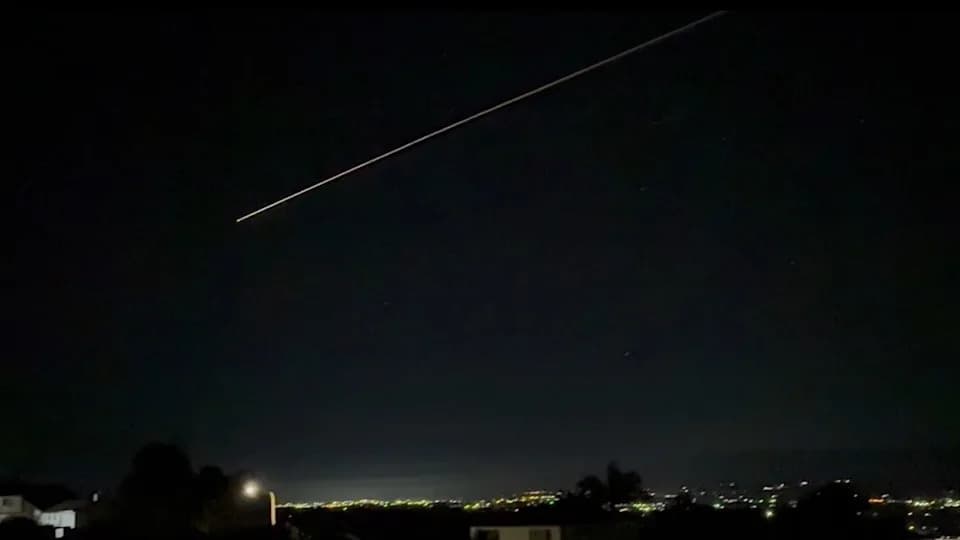
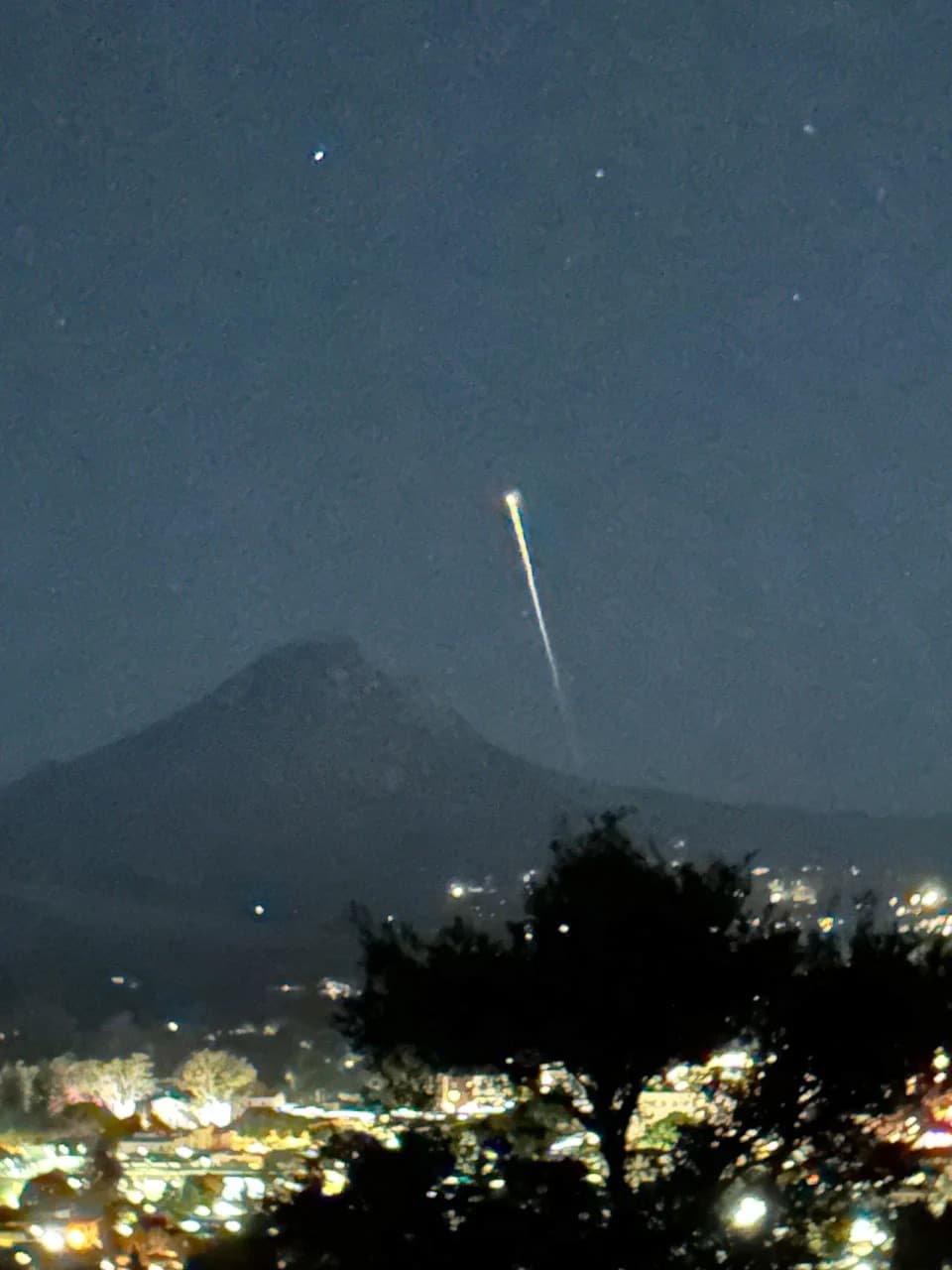
SpaceX's Crew-11 spacecraft leaves a fiery trail through the night sky on Jan. 15. | Credit: Cindy Vejar
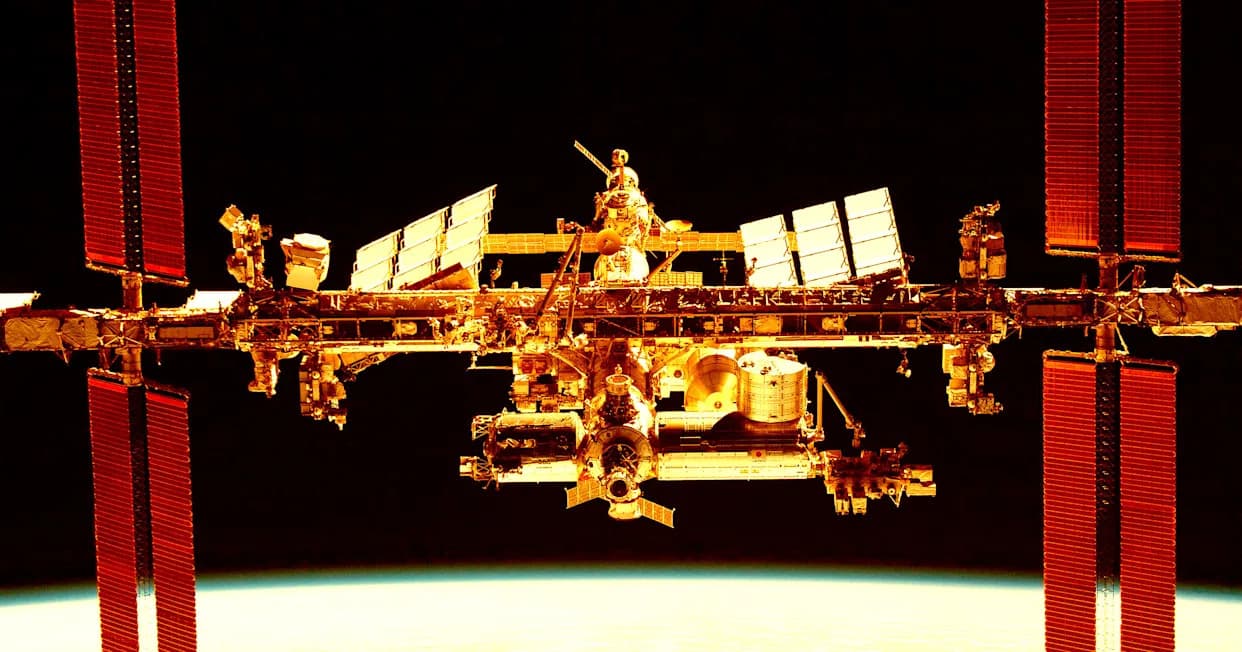
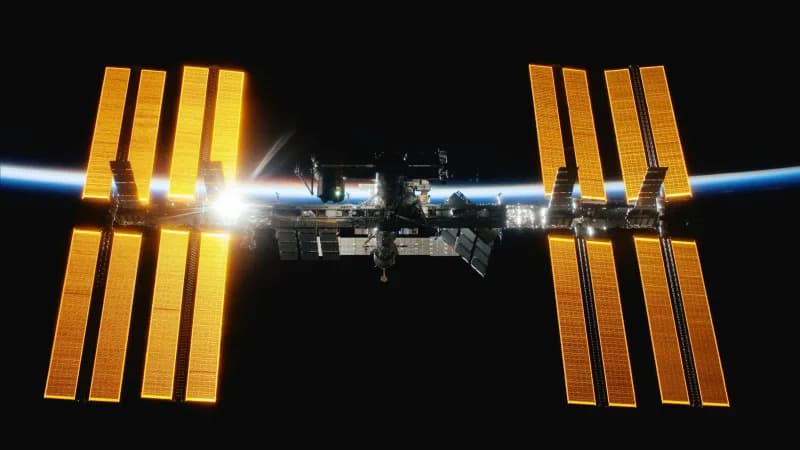
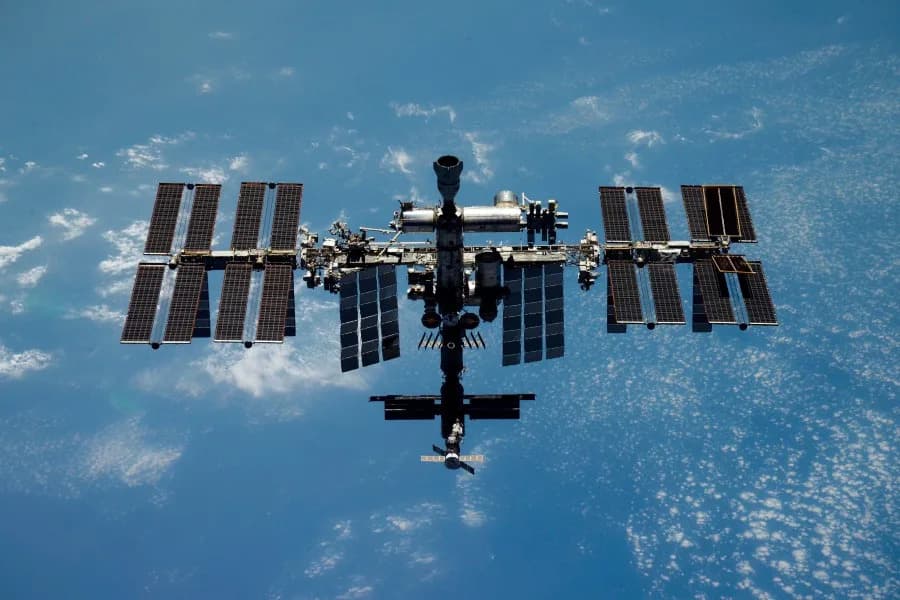
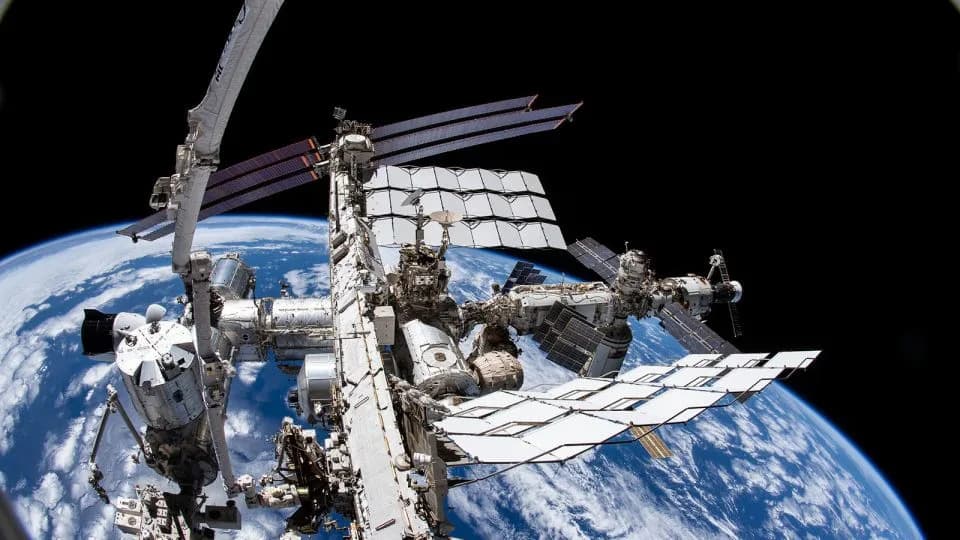
Spectators across California captured a dramatic sight on Jan. 15 as SpaceX's Crew Dragon capsule Endeavour streaked through the pre-dawn sky, returning four astronauts from the International Space Station in what NASA described as the first-ever medical evacuation from the orbiting lab.
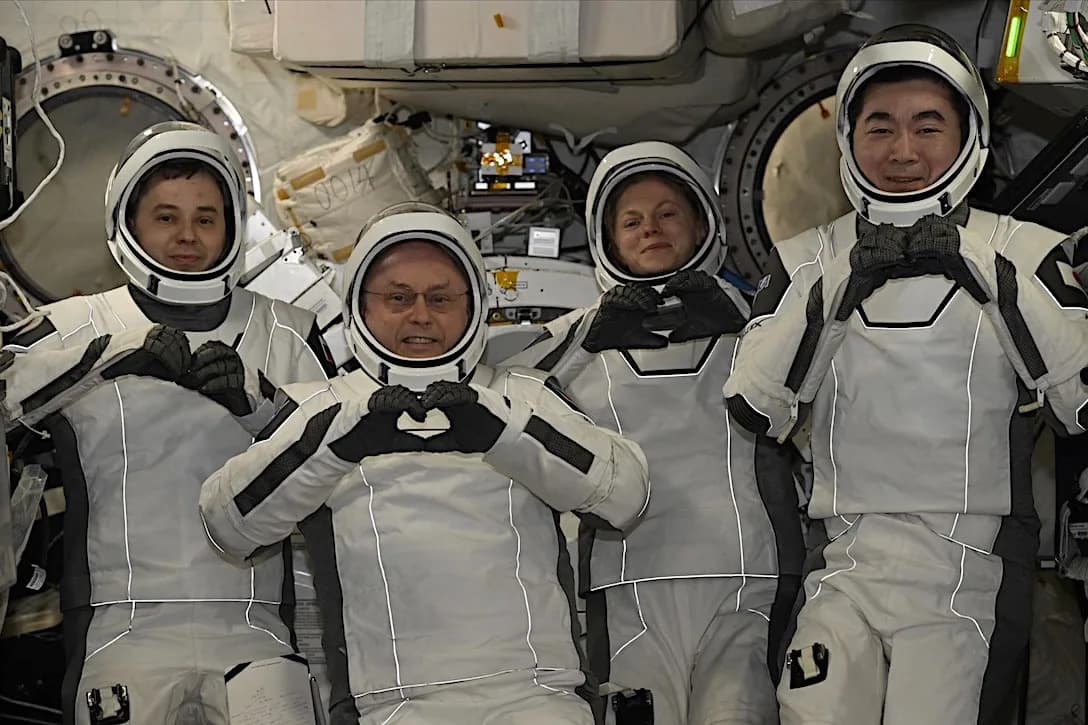
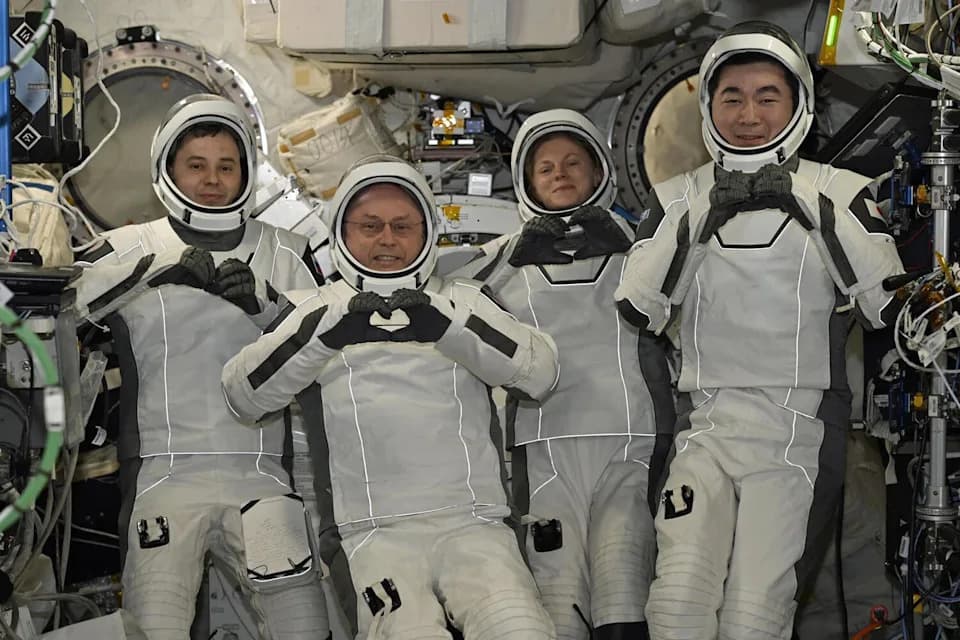
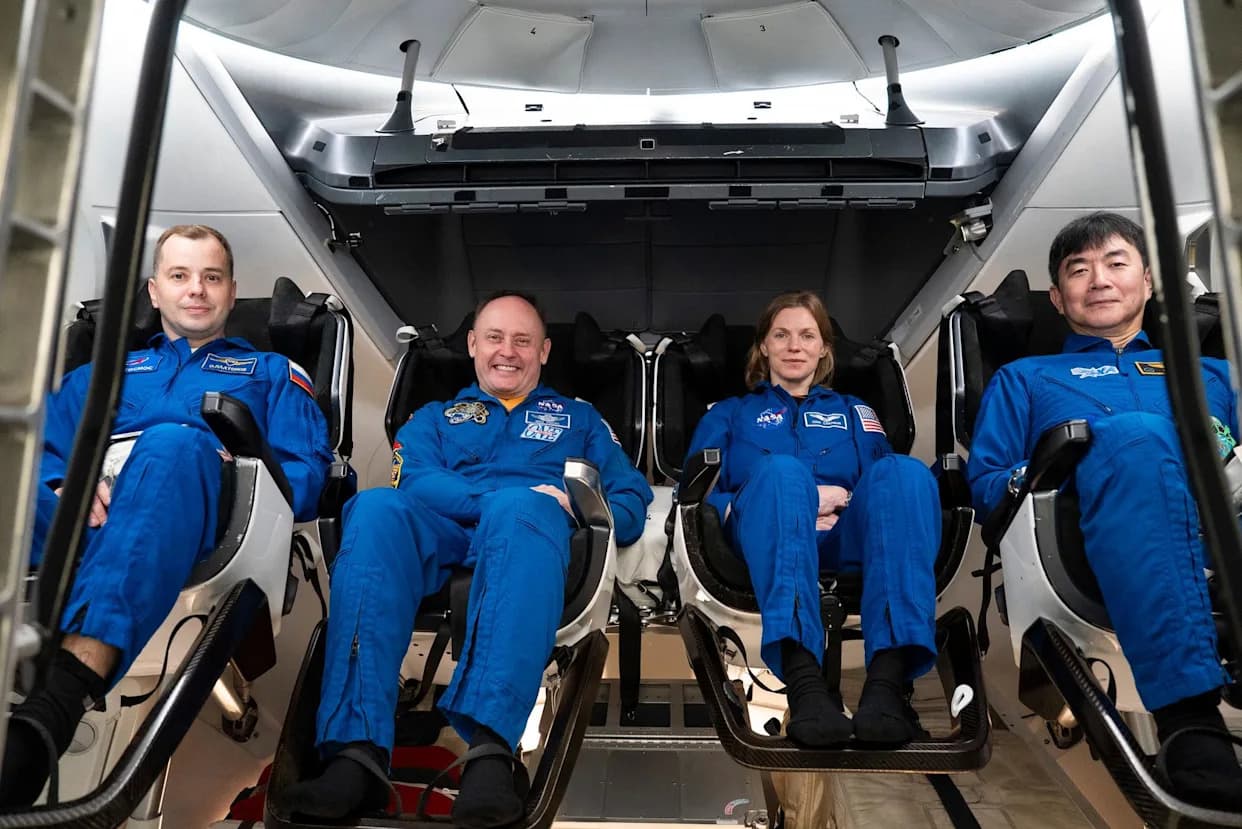
The mission team—NASA astronauts Zena Cardman and Mike Fincke, Japan Aerospace Exploration Agency (JAXA) astronaut Kimiya Yui, and Russian cosmonaut Oleg Platonov—had their tour aboard the ISS cut short after an unspecified medical concern affecting a crew member arose on Jan. 7. The situation prompted an early return to Earth aboard Crew Dragon Endeavour.
Spectacular Re-Entry Over California
Endeavour splashed down safely in the Pacific Ocean at 3:41 a.m. EST (0841 GMT) on Jan. 15. During descent, the capsule's high speed and interaction with the atmosphere produced a brilliant glowing trail of ionized gas (plasma) that was visible across wide swathes of California. Many eyewitnesses also reported hearing sonic booms as the spacecraft decelerated through the atmosphere.
The meteor-like streak was captured in high resolution by Cindy Vejar of Morgan Hill, California, who filmed the capsule as it made its final approach to an offshore landing near San Diego. “This is my first time to see something like this and I was absolutely amazed at what I was seeing. Very spectacular!” Vejar told Space.com.
Fast Descent, Safe Recovery
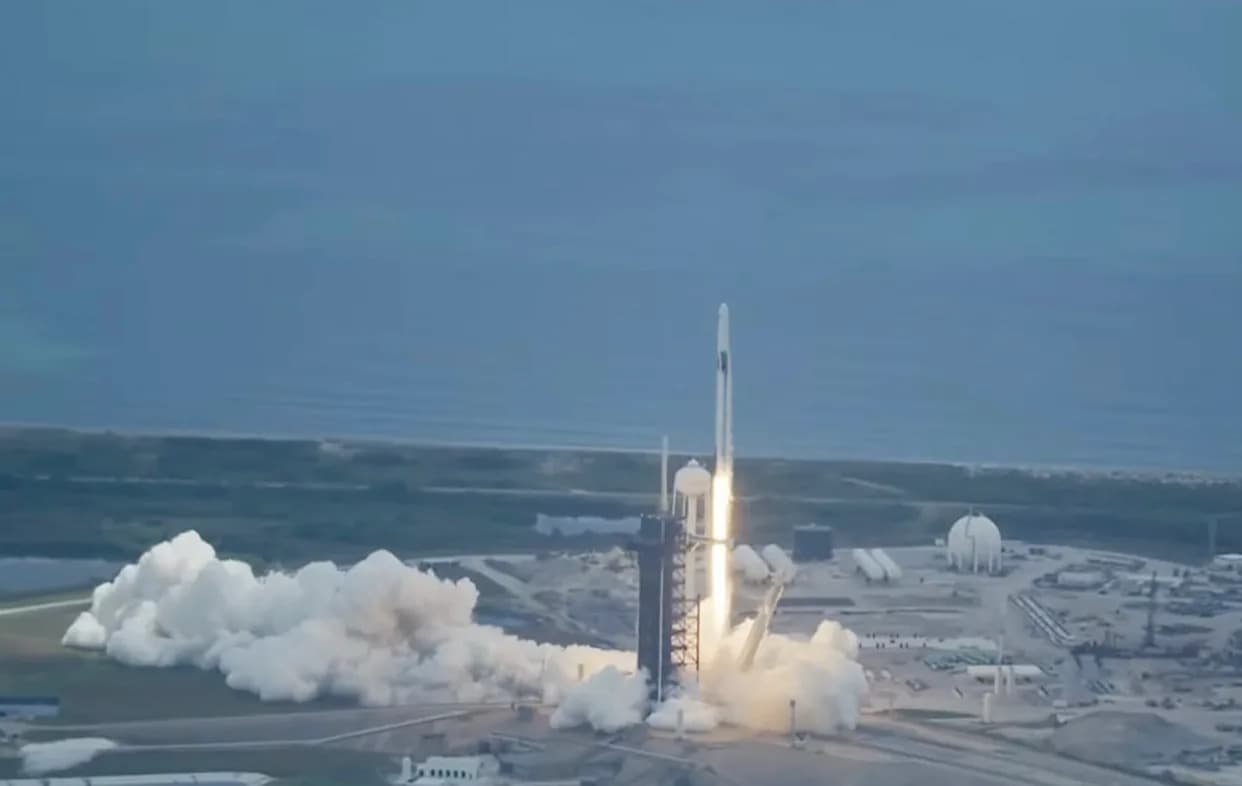
During re-entry the vehicle was traveling at thousands of miles per hour before decelerating; it slowed to roughly 120 miles per hour (about 193 kilometers per hour) before deploying its final set of main parachutes for splashdown. The four crewmembers were quickly extracted from the capsule and taken to a San Diego-area medical facility for post-landing checks.
NASA said at a post-splashdown briefing that the crewmember who prompted the evacuation is "doing fine" and that the agency will provide updates on their condition when appropriate.
Officials have not publicly disclosed details of the medical issue. The early return and medical evaluation underscore the capabilities and procedures in place to respond quickly to health emergencies aboard the ISS.
Help us improve.