U.S. Trade Representative Jamieson Greer called Canada's decision to allow up to 49,000 Chinese electric vehicles at a low tariff "problematic," warning Ottawa it may regret the trade-off. He said U.S. tariffs help protect American auto workers and consumers and noted Canada sought agricultural tariff relief as part of the deal. Greer also pointed to new U.S. cybersecurity and connectivity rules for vehicles, due in January 2025, that could block many Chinese models from the U.S. market. President Trump, however, said he would welcome Chinese automakers building plants in the United States.
U.S. Trade Rep Calls Canada's Move To Allow 49,000 Chinese EVs At Low Tariff 'Problematic'
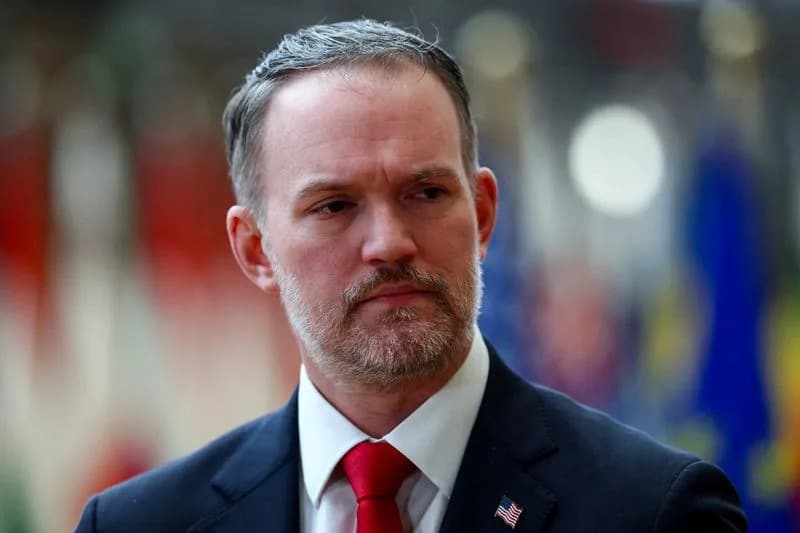
FILE PHOTO: U.S. Trade Representative Jamieson Greer on the day he attends a working lunch with EU ministers responsible for trade, in Brussels, Belgium, November 24, 2025. REUTERS/Piroschka van de Wouw/File Photo
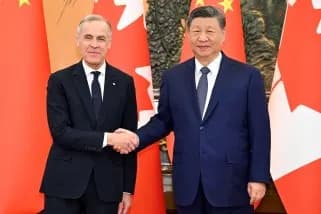
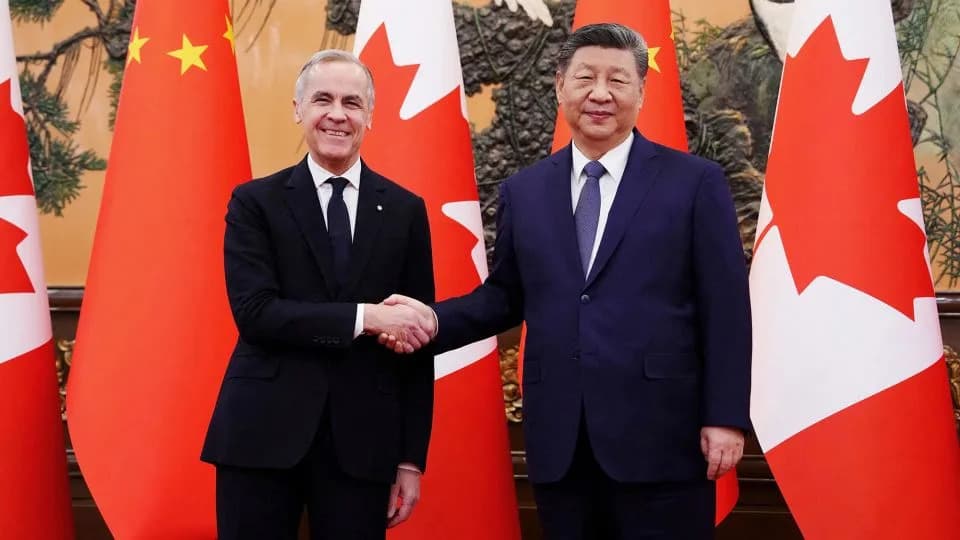
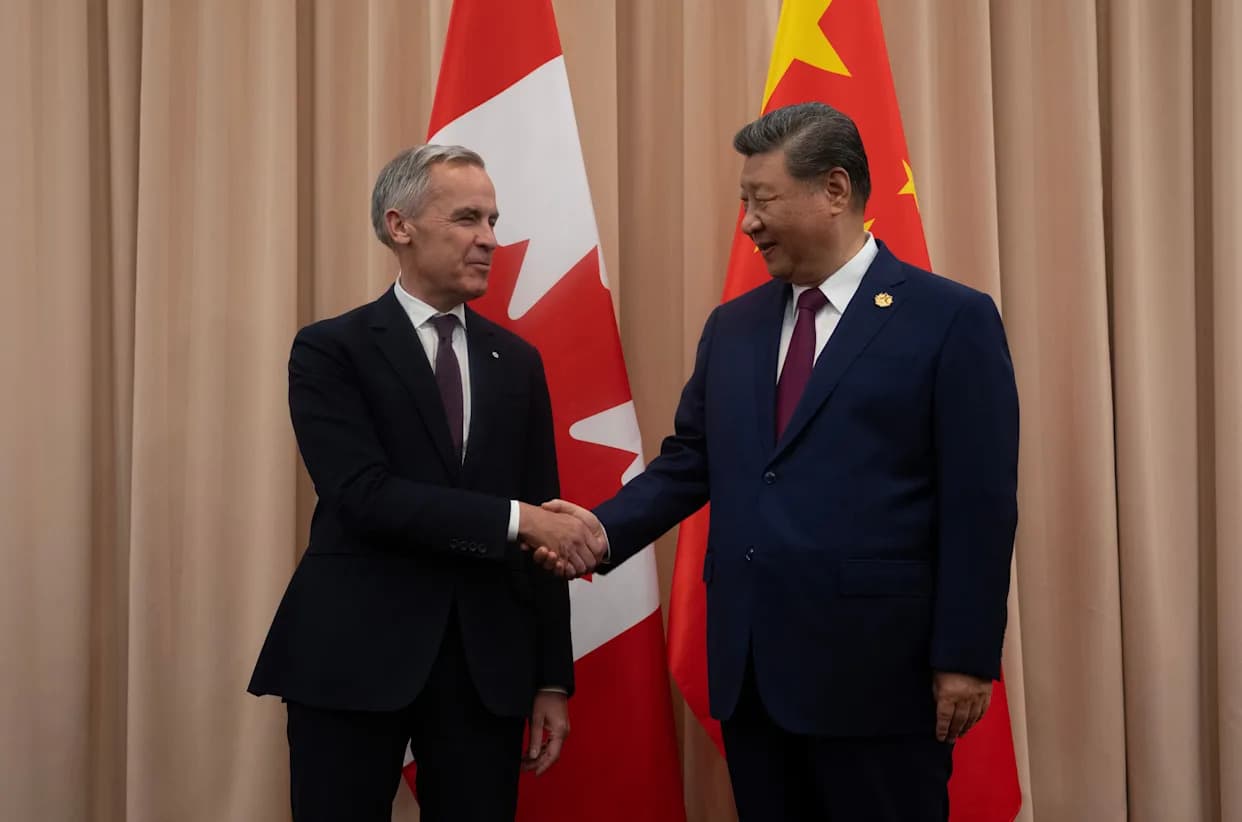
AVON LAKE, Ohio — U.S. Trade Representative Jamieson Greer criticized Canada's decision to permit imports of up to 49,000 Chinese electric vehicles at a reduced tariff rate, calling the move "problematic" and warning Ottawa it may come to regret the agreement.
Tariffs, Jobs and Market Barriers
In an interview with CNBC, Greer argued that U.S. tariffs help protect American auto workers and consumers from low-cost imports. "There's a reason why we don't sell a lot of Chinese cars in the United States. It's because we have tariffs to protect American auto workers and Americans from those vehicles," he said.
Trade Concessions and Long-Term Risks
Greer said Canada had sought relief on agricultural tariffs as part of the EV arrangement, and suggested that the trade-offs may prove unpopular over time. "I think in the long run, they're not going to like having made that deal," he said.
Regulatory Hurdles for Chinese Automakers
Greer also pointed to U.S. rules scheduled to take effect in January 2025 governing vehicles with internet connectivity and navigation systems. He said those cybersecurity and safety standards could be a significant impediment for Chinese models seeking entry into the U.S. market:
"There are rules and regulations in place in America about the cybersecurity of our vehicles and the systems that go into those, so I think it might be hard for the Chinese to comply with those kind of rules."
Contrasting View From the White House
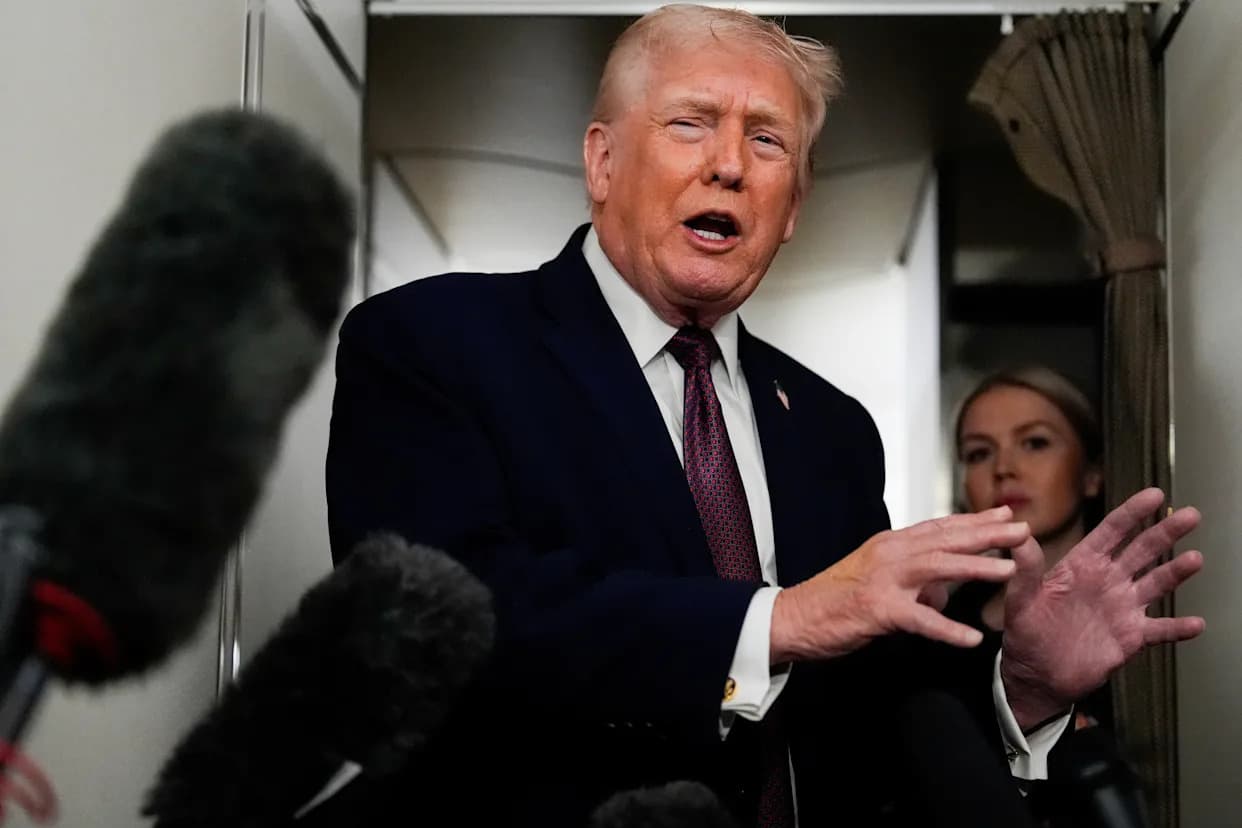
Earlier in the week, President Donald Trump reiterated comments from his 2024 campaign suggesting he would welcome Chinese automakers to build plants in the United States. Speaking to the Detroit Economic Club on Jan. 13, he said: "If they want to come in and build a plant and hire you and hire your friends and your neighbors, that's great, I love that. Let China come in."
(Reporting by David Shepardson in Washington; Editing by Nia Williams)
Help us improve.