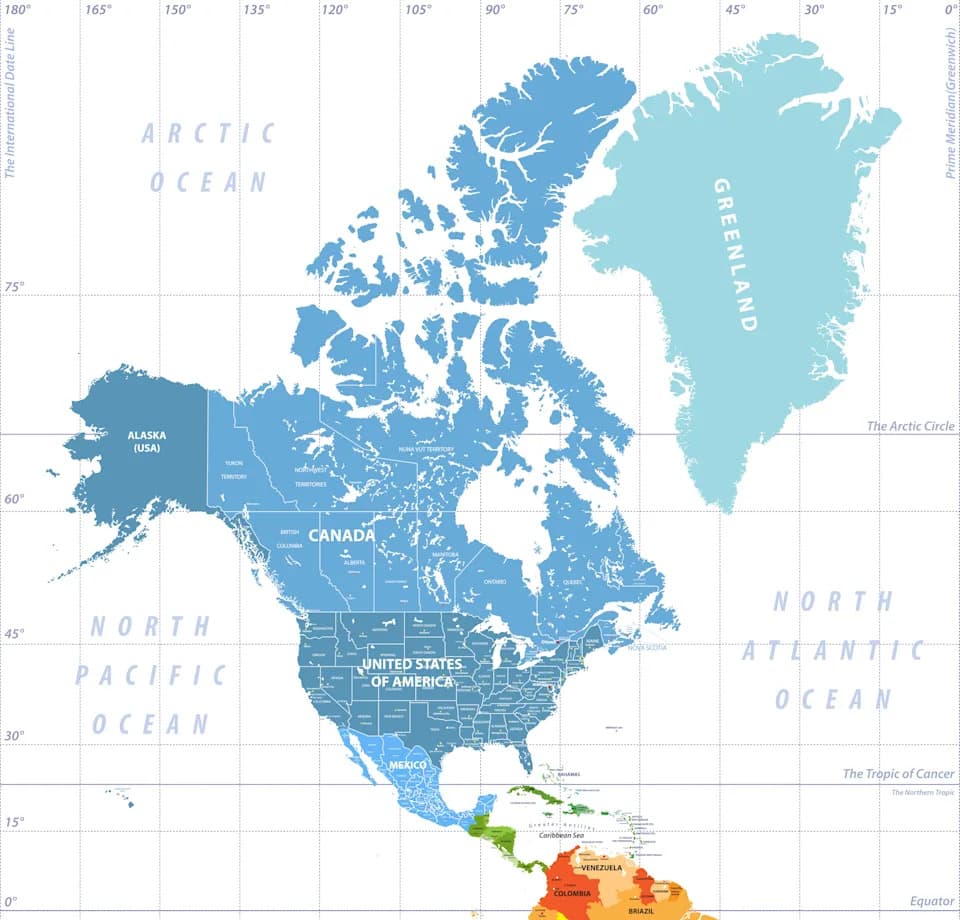
Donald Trump has imposed sweeping tariffs on several NATO allies while pursuing the acquisition of Greenland, arguing the island is strategically important against Russia and China. NATO states deployed troops to Greenland to signal commitment to Arctic security, but the move has highlighted divisions within the alliance. The tariffs — a baseline 10% plus higher "reciprocal" levies — increase political pressure on European leaders and are seen as a tactical win for Moscow and Beijing. The crisis underlines Europe's continued security dependence on the U.S. and raises fresh questions about NATO cohesion.
Trump’s Surprise Tariffs Hand a Gift to Putin and Xi — NATO Faces New Strain Over Greenland
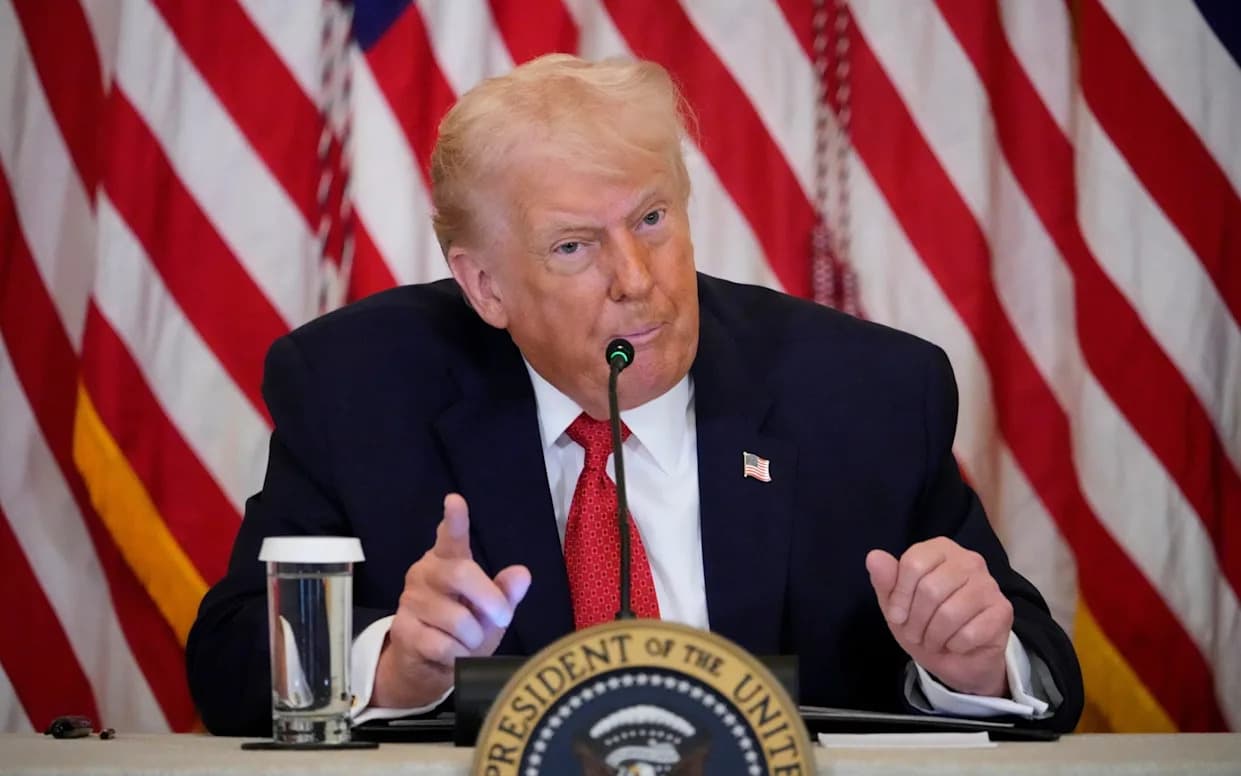
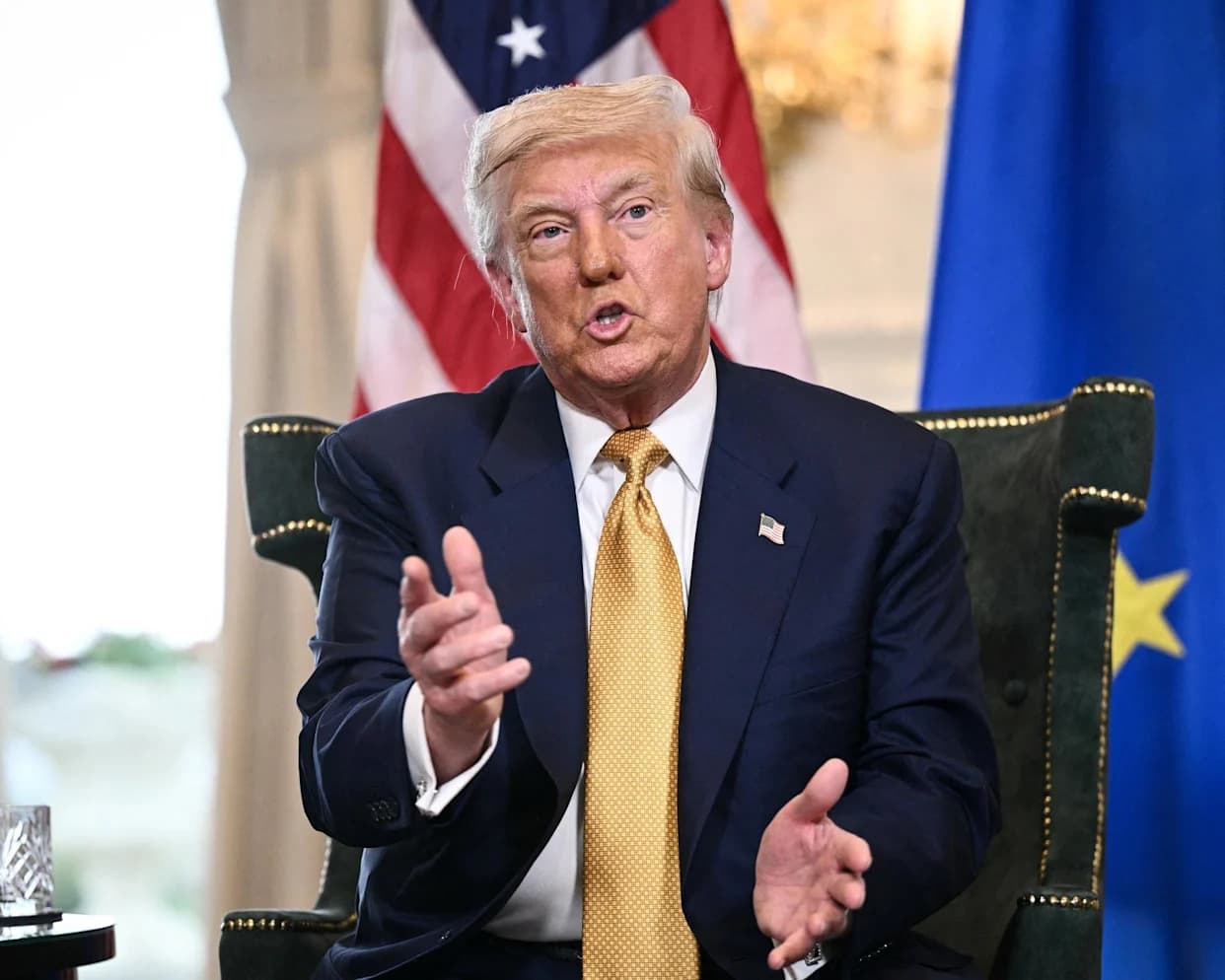
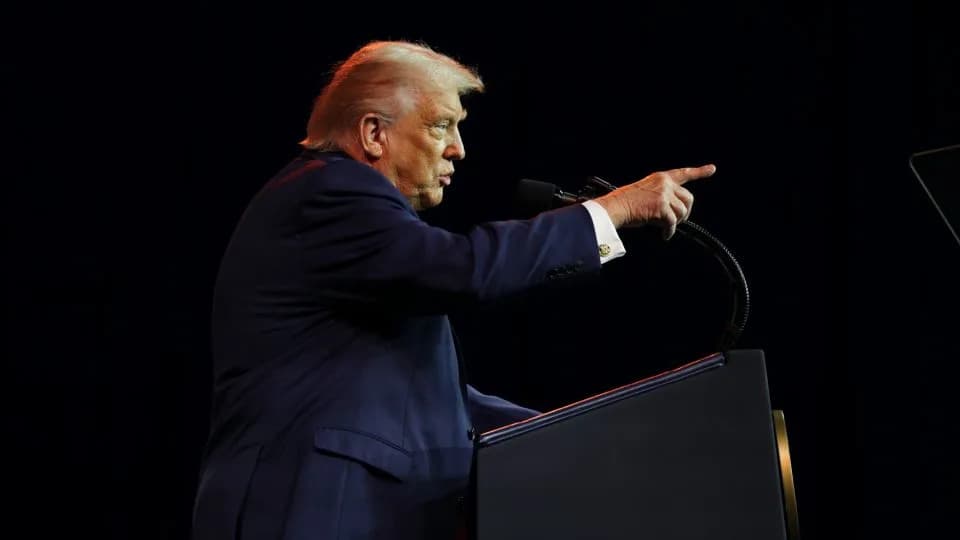
Donald Trump has imposed punitive tariffs on imports from allies as he seeks to take over Greenland - Alex Brandon/AP
Donald Trump has again escalated tensions with key European allies, imposing broad tariffs on countries including the UK while renewing his bid to acquire Greenland — a move he frames as part of a strategy to counter Russia and China in the Arctic.
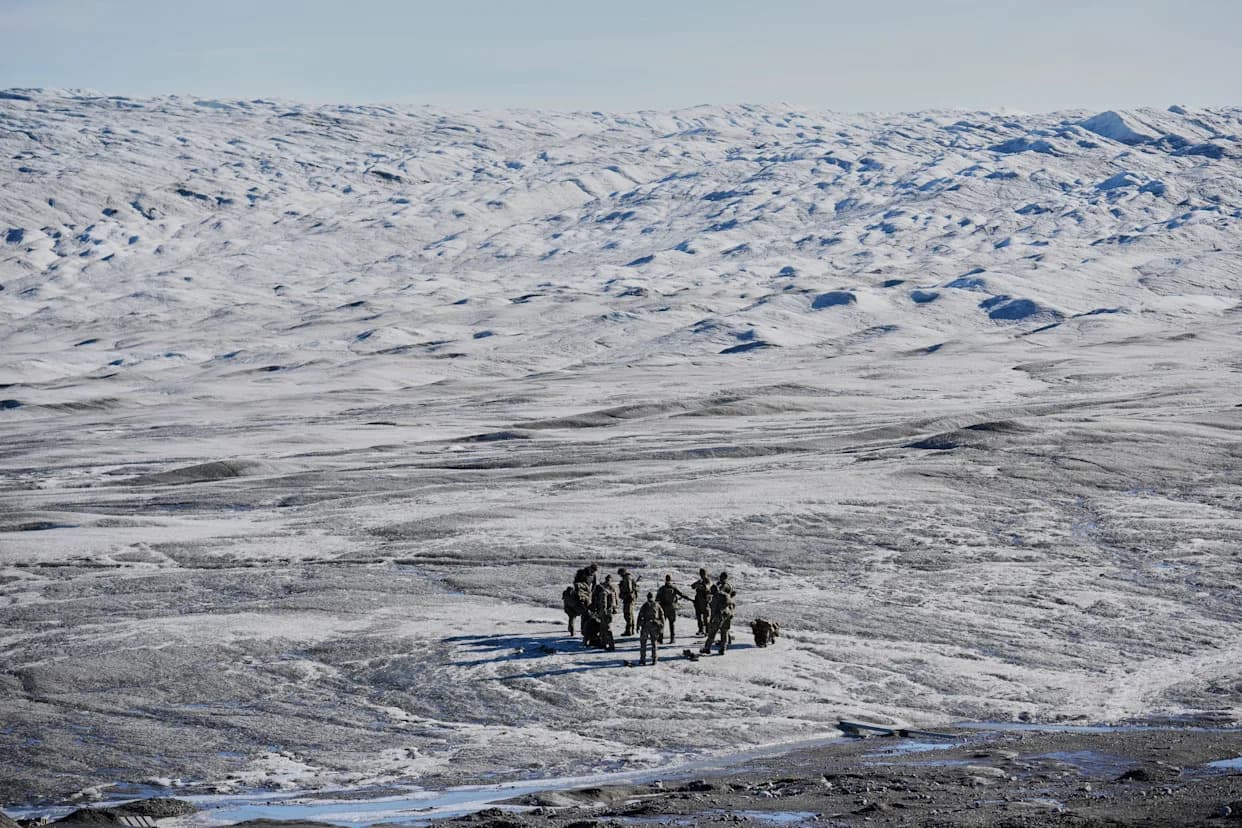
What happened: Several NATO members — including the UK, Denmark, France and Germany — deployed troops to Greenland in a demonstration of commitment to Arctic security. The deployment, intended to reassure allies and deter rivals, instead coincided with sweeping U.S. tariffs that some officials say risk deepening divisions within the alliance.
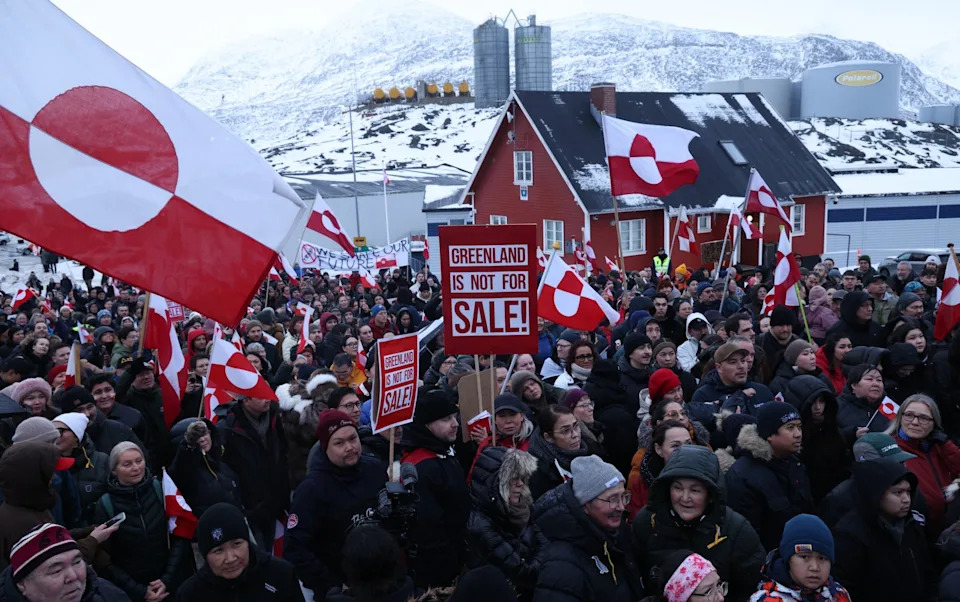
A protest by Greenlanders at the American consulate in Nuuk. A recent poll found 85pc did not want US rule - Sean Gallup/Getty
Tariffs, Tactics and Reactions
Mr. Trump posted on social media:
“These countries, who are playing this very dangerous game, have put a level of risk in play that is not tenable or sustainable.”
The tariffs announced by the U.S. include a baseline 10% levy on imports and additional "reciprocal" tariffs reported to range between 10% and 50% for countries with the largest trade deficits. European leaders face the prospect that those tariffs could rise further — a scenario that would amplify political and economic pressure across the continent.
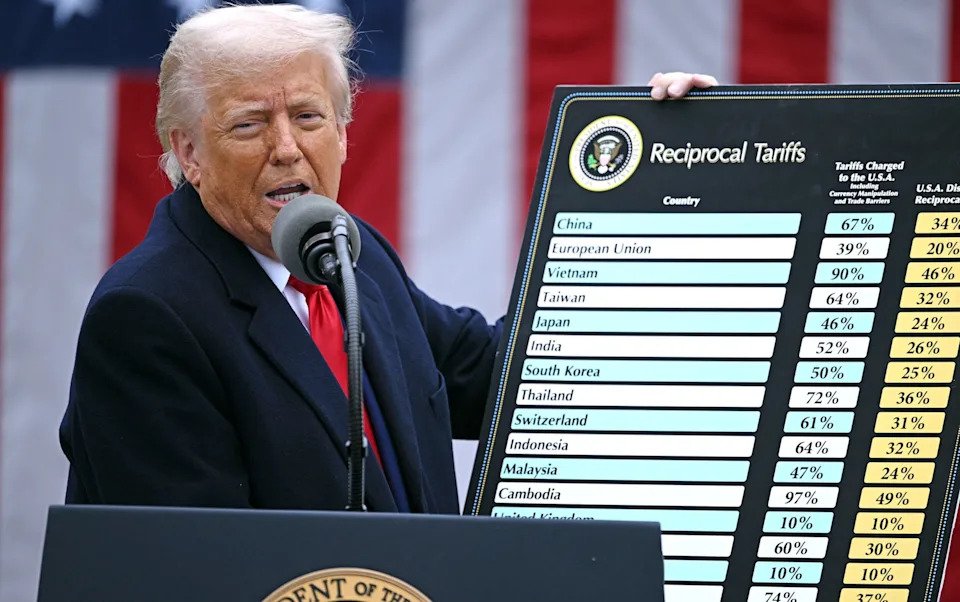
Donald Trump holds a list of the reciprocal tariffs he imposed on what he dubbed ‘Liberation Day’ in April last year - Brendan Smialowski/AFP via Getty
Analysts and diplomats say the move fits a pattern of pressure-based negotiations Mr. Trump has used in business and politics: apply economic pain to force concessions, then seek a deal on his terms.
Political Fallout in Europe
European leaders, including Sir Keir Starmer, invested substantial political capital to strike trade arrangements and avoid punitive levies. Those efforts now look fragile: previously negotiated advantages have been undercut, and several governments risk appearing weakened both economically and diplomatically.
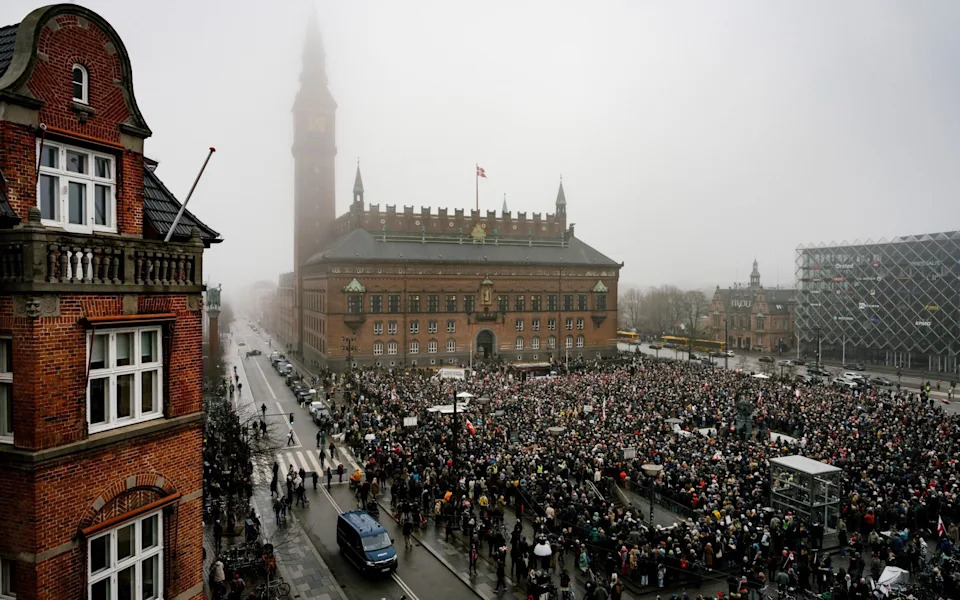
A demonstration in Copenhagen, Denmark,last month showed the strength of opposition to losing Greenland to the US - Emil Nicolai Helms/EPA/Shutterstock
That perception of weakness matters for security. Europe remains dependent on U.S. military power to deter Russia; until that dependency changes, many governments have limited options for responding to both diplomatic pressure and strategic threats.
What It Means For Russia and China
For Vladimir Putin and Xi Jinping — currently aligned under a close diplomatic relationship — visible discord within NATO is a political advantage. Moscow and Beijing have long argued that NATO is divided and unreliable; public disputes and punitive measures among allies reinforce that narrative.
Whether Mr. Trump’s actions will ultimately secure the concessions he seeks — or instead accelerate broader strategic shifts in Europe’s defense, trade and diplomatic posture — remains uncertain. But the immediate effect is clear: allied cohesion has been tested, and geopolitical rivals are watching closely.
Historical echo: As Winston Churchill warned, "an appeaser is one who feeds a crocodile, hoping it will eat him last." Many European capitals now face hard choices about how to balance short-term concession, long-term alliances and credibility on the world stage.
Help us improve.