Beijing and Tokyo ended a fraught week with no immediate easing of diplomatic or trade tensions after China refused Japan’s request to rescind new export controls and Japanese shipments to China were reportedly delayed. State media sharply criticized Japan’s right wing after comments by politician Sanae Takaichi about Taiwan, while officials warned that Chinese limits on rare earths are disrupting supply chains. At the same time, China publicly praised closer ties with South Korea during President Lee Jae-myung’s visit, and offered condolences over the death of a former Japanese ambassador.
China-Japan Tensions Escalate: Export Controls, Trade Delays and Sharp Rhetoric
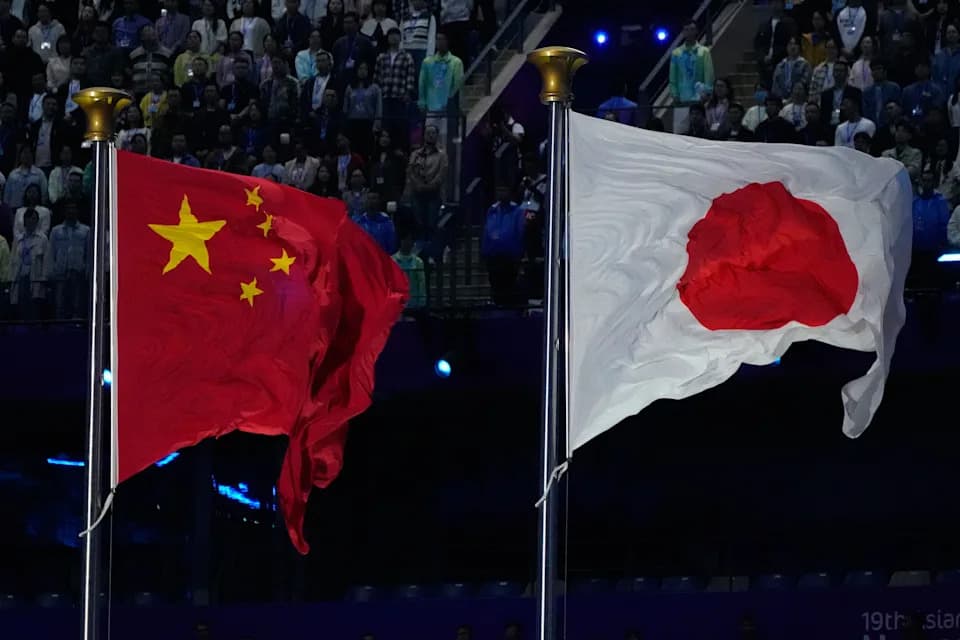
FILE - The flags of China and Japan are flown at the during the handover ceremony from China to Japan the next host of the Asian Games at the closing ceremony of the 19th Asian Games in Hangzhou, China, Sunday, Oct. 8, 2023. (AP Photo/Eugene Hoshiko, File)(ASSOCIATED PRESS)
Beijing and Tokyo closed a tense week with little sign of détente after China rejected a Japanese request to rescind new export controls and Japanese exporters reported shipment delays to China tied to the dispute.
Diplomatic Standoff
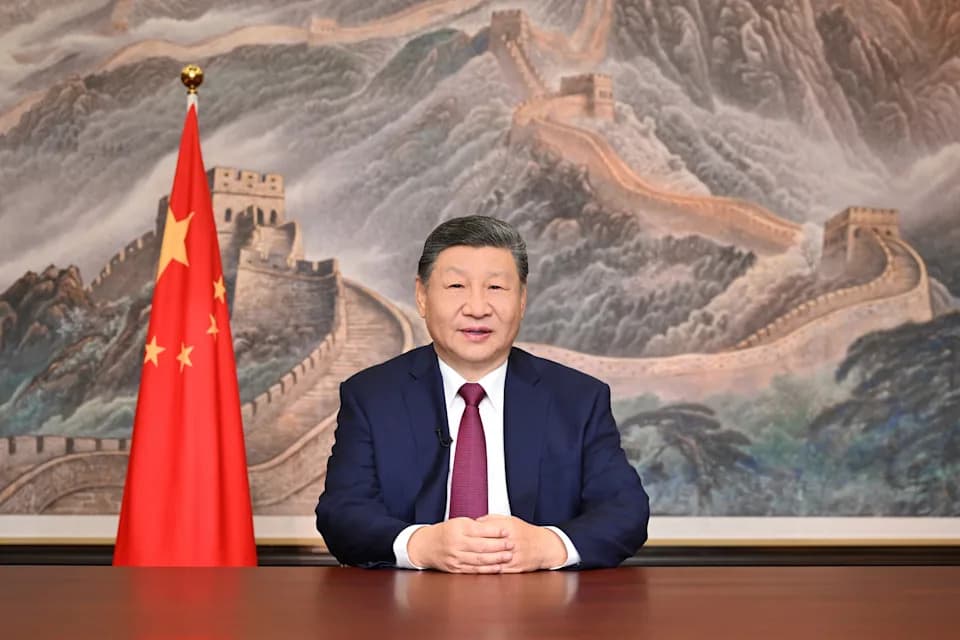
On Thursday the Chinese embassy in Tokyo said it had refused a petition from Japan's Foreign Ministry to withdraw export controls on so-called "dual-use" items that Beijing says could have military applications. Ambassador Wu Jianghao defended the measures as "entirely legitimate, reasonable and lawful" and necessary for national security.
Trade Disruptions
Japanese trade groups and news agencies reported that consignments of sake, processed foods and other agricultural products bound for China have encountered delays in Chinese customs since late November. Government-affiliated Japan External Trade Organization officials told The Associated Press that customs holds began appearing in late November, and industry sources quoted by Kyodo suggested some shipments may have been singled out as symbolic.
Rhetoric and Historical Context
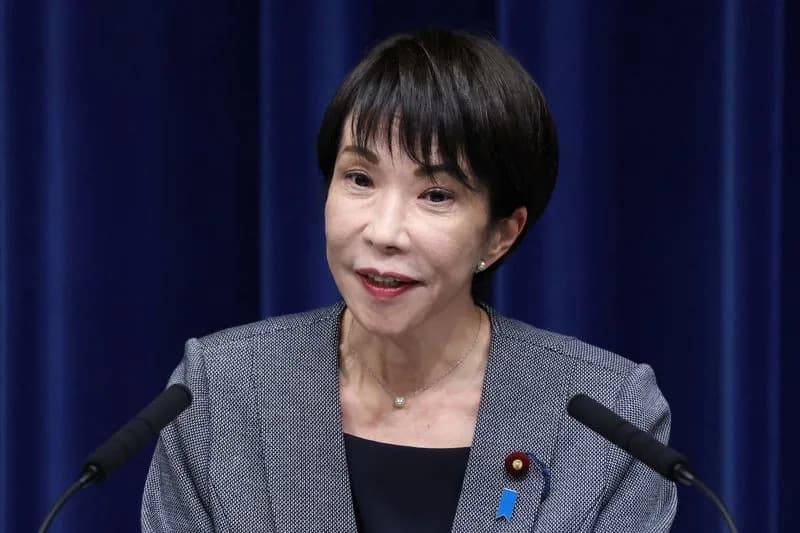
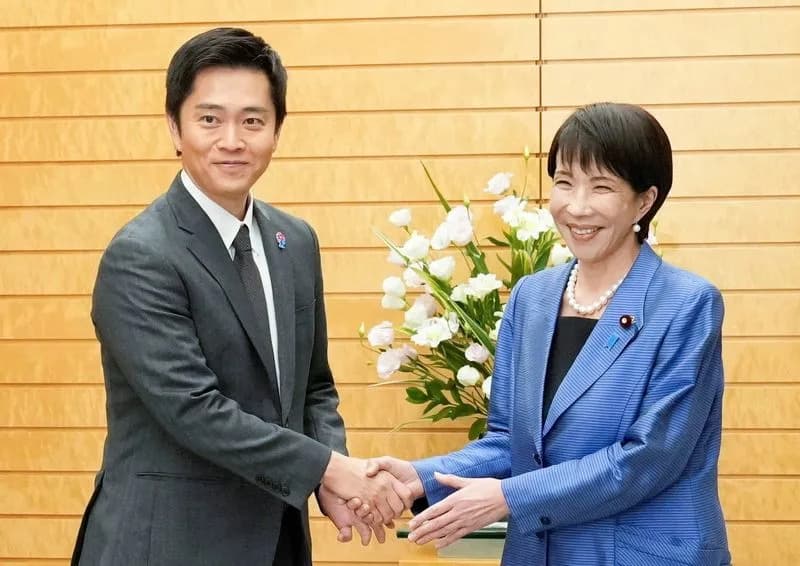
State media intensified criticism: the Chinese Communist Party’s People’s Daily warned that "New militarism will lead Japan back into the abyss," explicitly targeting Japan's right wing rather than the wider public. The editorial followed public comments made in November by Sanae Takaichi, a prominent right-leaning Japanese politician, who said she would not rule out intervention if China used force against Taiwan. China views self-governed Taiwan as its territory and staged large-scale military exercises near the island late last month.
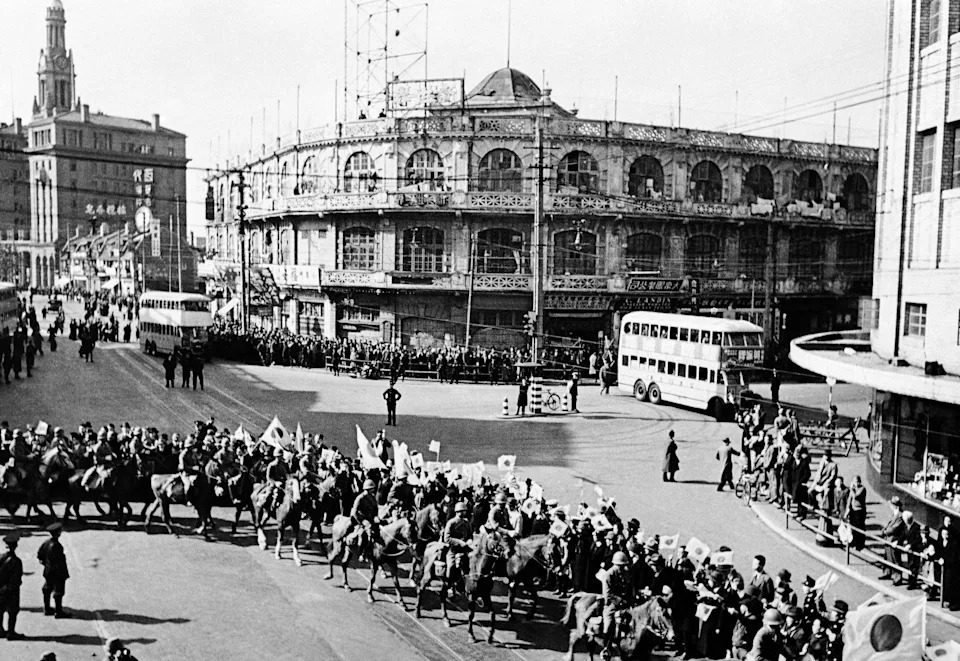
FILE - When 5,000 Japanese soldiers took part in a victory parade through the international settlement in Shanghai, China, on Dec. 3, 1937, with machine guns and artillery, a Chinese person threw a hand-grenade at the marching throng, and several Japanese were injured. Japanese cavalry swings into Nanking Road with banners flying. Just after this stage the hand grenade was thrown, causing confusion among the marching troops. (AP Photo, File)(ASSOCIATED PRESS)
Rare Earths and Supply-Chain Risks
Japanese officials flagged the economic reach of Beijing’s measures. Chief Cabinet Secretary Minoru Kihara warned that existing Chinese export limits on rare earths have had a "serious impact on global supply chains." Industry and Trade Minister Ryosei Akazawa said the disruption is already significant, noting that Japan depends heavily on China for rare-earth materials used in electronics and autos; he declined to confirm whether further rare-earth restrictions were part of the new dual-use controls or to discuss possible retaliatory steps.
Regional Diplomacy and a Small Gesture
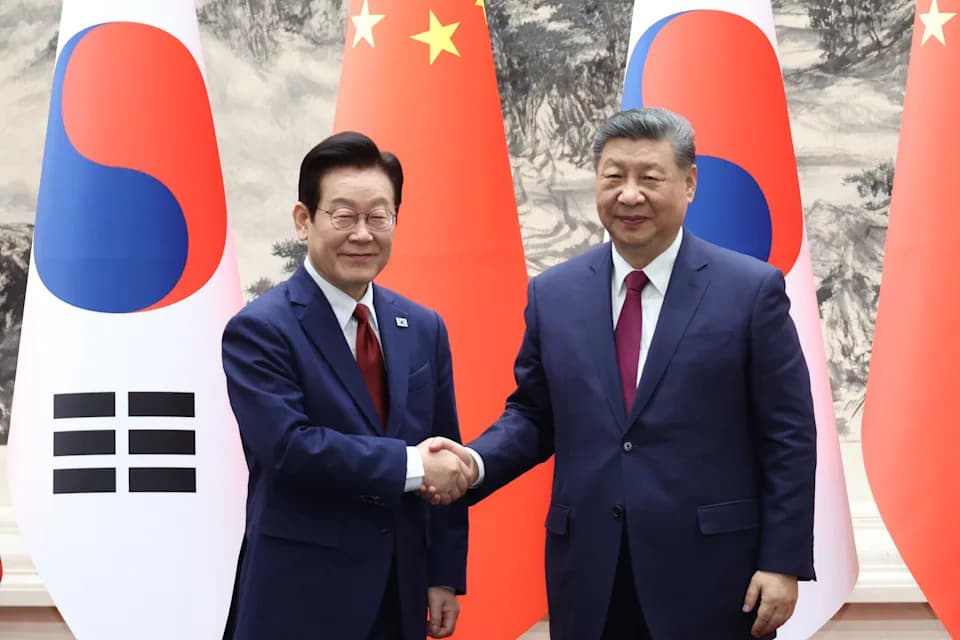
Meanwhile, China publicly lauded closer ties with South Korea during President Lee Jae-myung's visit to Beijing, where millions in export contracts were signed and state media gave prominent coverage to the trip. That contrasted with the cooler reporting on Japan. Still, a modest sign of civility arrived Friday when Beijing’s Foreign Ministry offered condolences after the death of a former Japanese ambassador to China.
What to watch next: whether China maintains export measures and customs scrutiny, whether Tokyo responds with trade or diplomatic measures, and how broader regional ties — including Seoul’s growing engagement with Beijing — influence the standoff.
— Yamaguchi reported from Tokyo.
Help us improve.