Key Finding: Researchers from marginalized communities show that identity- and culture-centered science communication builds trust, accessibility and belonging in STEM. Since 2018, ReclaimingSTEM workshops have engaged 700+ participants in training that foregrounds community reciprocity, storytelling and culturally relevant outreach. Participants use bilingual workshops, arts-based explanations, comics and podcasts to translate science in ways that serve community needs and share the hidden curriculum for success.
Identity and Culture Reclaim Science: Community-Rooted Communication That Builds Trust and Belonging
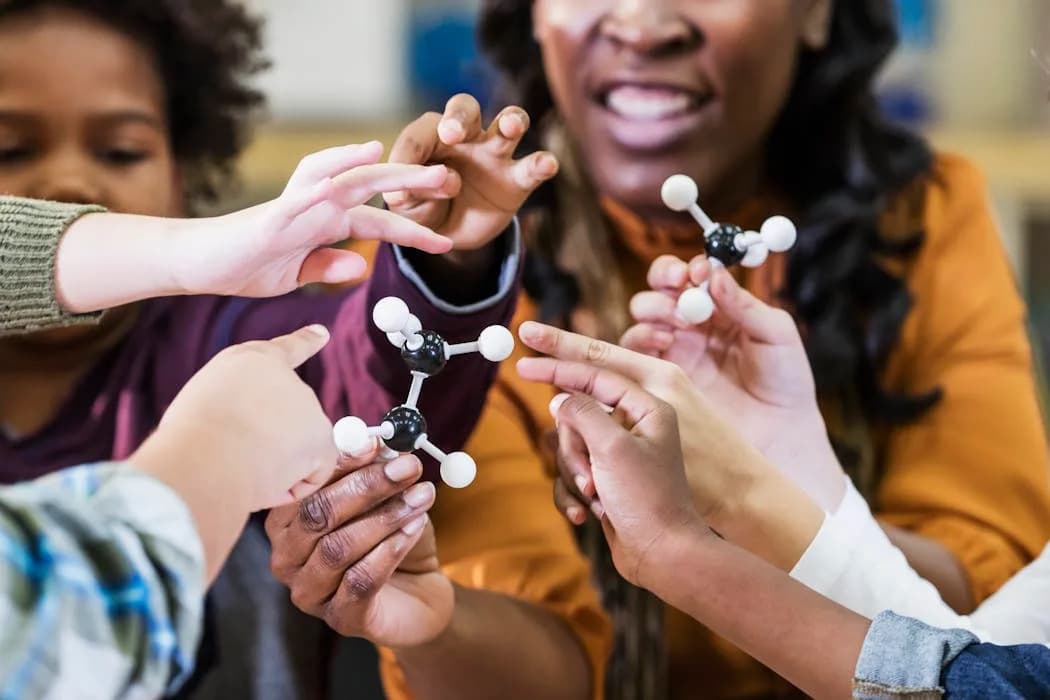
Personal experiences can help foster a sense of belonging for aspiring scientists from underrepresented backgrounds.kali9/E+ via Getty Images
Lived experience shapes how science is practiced, communicated and received. Who gets to speak for science influences which problems are prioritized, how evidence is translated into action, and who ultimately benefits from scientific advances. For many researchers from groups historically underrepresented in STEM — including people of color, LGBTQ+ scientists and first-generation scholars — identity and culture are central to how they engage the public and serve their communities.
Why Identity Matters in Science Communication
Traditional science communication often focuses on one-way information transfer: lectures, press releases, media interviews and outreach that simplify technical material. These approaches aim to correct misconceptions and increase scientific literacy, but they can miss the cultural context, trust-building and dialogue needed to reach many communities.
Researchers from marginalized backgrounds frequently face discrimination, stereotypes about competence, isolation and underrepresentation in STEM. These conditions create pressure to conceal identities or perform as tokens rather than to build reciprocal relationships with communities. Treating science outreach as relationship-building — rather than a one-way broadcast — shifts who benefits from scientific work and how it is applied.
What We Did
Since 2018, we have facilitated ReclaimingSTEM workshops (online and in-person) for researchers from historically marginalized communities. More than 700 participants have engaged with interactive modules, small-group activities and community-building discussions that explore the intersections of identity, culture and science communication.
What We Found
Our research shows that widening the definition of science communication to include identity, culture and community reciprocity strengthens trust in science, broadens who feels welcome in STEM, and helps ensure research serves community needs.
While some participants continue to use clear, concise explanations and avoid jargon, many favor audience-centered, identity-focused and emotion-driven methods. These approaches prioritize listening, cultural relevance and mutual exchange over one-way information delivery.
Concrete Examples
- Bilingual Workshops: Facilitating events in participants' native languages to reach immigrant and multilingual families.
- Arts-Based Translation: Explaining biological pattern formation by linking it to henna designs, using familiar visual metaphors to invite engagement.
- Comics and Podcasts: Creating accessible media with Indigenous youth or producing podcasts where scientists of color share career pathways and strategies.
- Sharing the Hidden Curriculum: Communicating unwritten norms, strategies and practical advice that help people navigate opportunities and thrive in STEM.
Participants often infused empathy and personal narrative into their outreach. For example, one multiracial gay scientist said his experience of exclusion made him more patient and attentive, helping learners feel emotionally supported. Another participant described how openly identifying as disabled helped normalize disability in STEM for others.
Implications for Training and Policy
Centering the perspectives and identities of marginalized researchers would make science communication training more inclusive and responsive to community needs. Training programs should broaden definitions of outreach to include media, art, music, community events and reciprocal exchanges — and should emphasize cultural relevance, accessibility and trust-building.
Inclusive communication practices can:
- Improve accessibility and emotional resonance for diverse audiences
- Strengthen community trust in scientific institutions and findings
- Create pathways and role models that foster belonging in STEM
- Ensure research addresses community-identified needs and priorities
Conclusion
For many marginalized researchers, science communication is a form of advocacy and community service. When scientists bring their whole selves — identity, culture and lived experience — into public engagement, communication becomes a tool for resistance, healing and transformation. Redesigning science communication to reflect the full diversity of those doing science can help build a more just, inclusive and effective scientific future.
About the Authors: This article was written by Evelyn Valdez-Ward (University of Rhode Island), Nic Bennett (Michigan State University) and Robert N. Ulrich (University of California, Los Angeles). It is republished from The Conversation.
Help us improve.